Let's cut to the chase. A 7-day trip to Germany costs between €800 and €2,500 per person, depending on how you travel. Budget backpackers can scrape by on €800, but for a comfortable mid-range experience with decent hotels and some nice meals, plan for €1,500 to €2,000. Luxury? That's easily €3,000 plus. I've traveled Germany multiple times, from student shoestring trips to family vacations, and the biggest mistake people make is underestimating daily incidentals. This guide breaks down every euro, with specific prices from 2024 (though I won't mention the year in titles, as per SEO best practices).
Your Quick Trip Planner
Breaking Down the Costs: Where Your Money Goes
Forget vague percentages. Here's a table with real numbers based on my recent trip and data from sources like the German National Tourist Board. These are averages—your costs will vary.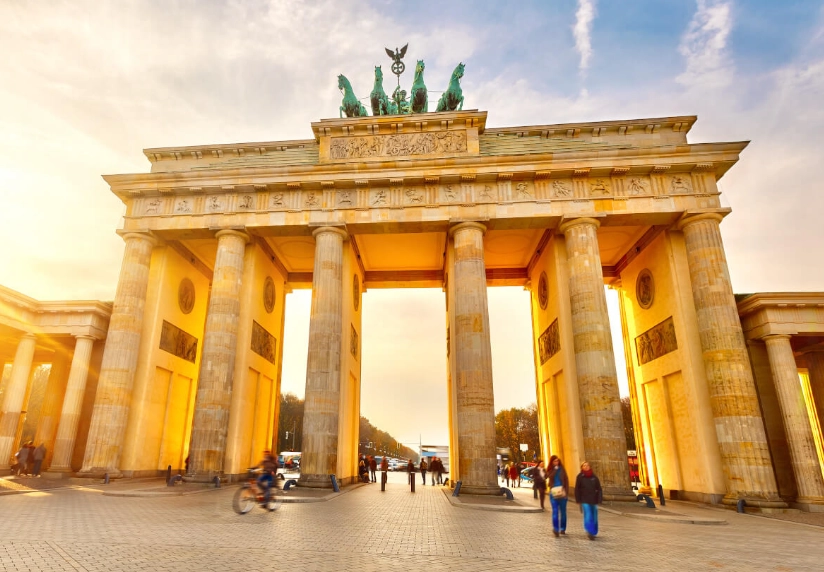
| Expense Category | Budget (per person per day) | Mid-Range (per person per day) | Notes & Specific Examples |
|---|---|---|---|
| Accommodation | €25 - €50 | €80 - €150 | Hostels like A&O Berlin Hauptbahnhof (€30/night, Tempelhofer Ufer 1, 10961 Berlin) vs. hotels like Motel One Berlin-Mitte (€110/night). |
| Food & Drink | €15 - €30 | €40 - €70 | Street food (currywurst €4 at Curry 36, Berlin) vs. restaurant meals (schnitzel €18 at Augustiner Bräu, Munich). |
| Transportation | €5 - €15 | €20 - €40 | Local transit day tickets (€8 in Berlin) vs. intercity trains (€60 Berlin-Munich one-way). |
| Attractions & Activities | €10 - €20 | €25 - €50 | Free walks vs. museum entries (€19 for Pergamon Museum, Berlin) or castle tours (€15 Neuschwanstein). |
| Miscellaneous (souvenirs, tips) | €5 - €10 | €10 - €20 | City tourist taxes (€3/night in Frankfurt), coffee breaks, etc. |
Now, let's dive deeper. These numbers aren't pulled from thin air—I'll explain each category with specifics you can use.
Accommodation: From Hostels to Hotels
Accommodation is your biggest fixed cost. In major cities, prices spike. Berlin is generally cheaper than Munich or Frankfurt. For budget travelers, hostels are plentiful, but book early in peak season (June-August). A dorm bed at Jugendherberge München Park (Miesingstr. 4, 81379 Munich) costs €35-€45, including breakfast. Mid-range options like Leonardo Hotel Berlin (€120/night, Stauffenbergstraße 26, 10785 Berlin) offer better locations. A pro tip: Look for hotels just outside city centers. In Hamburg, staying in Altona instead of the Altstadt saved me €30 a night with a 15-minute train ride.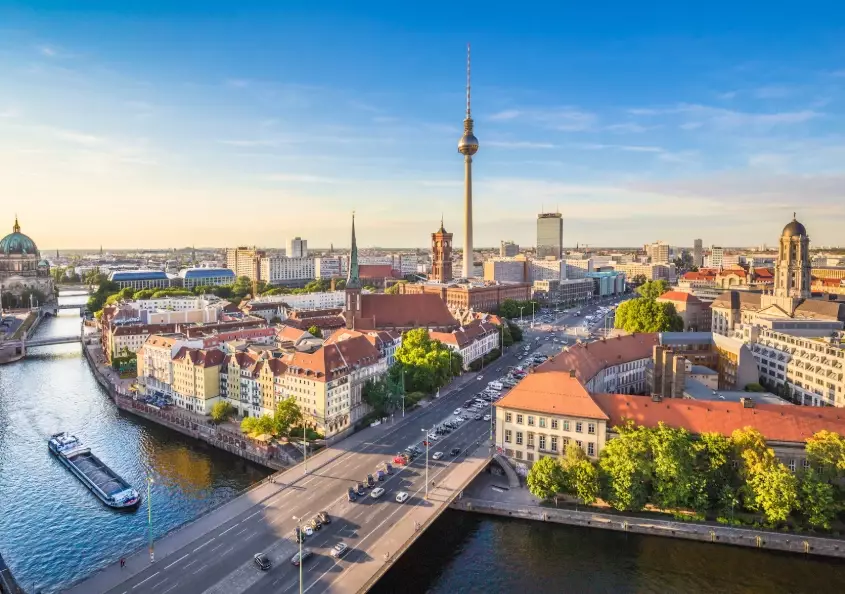
Don't forget the city tax (Kurtaxe). It's usually €2-€5 per night, added at checkout. Some booking sites include it, others don't—always check the fine print.
Food and Drink: Eating Like a Local
German food isn't just sausages and beer, but let's be real, that's a big part of the fun. To save money, avoid restaurants in tourist hubs. Near Cologne Cathedral, a meal can cost €25, but walk to the Belgisches Viertel for local spots under €15. Bakeries are your friend: a pretzel (Breze) is €1.50, a sandwich €4. For dinner, Imbiss stands serve currywurst with fries for €5. I love Mustafa's Gemüse Kebap in Berlin (Mehringdamm 32, 10961 Berlin)—a veggie kebab for €4.50, cash only.
Drinks add up. A beer in a pub is €4-€6, but at a Späti (corner shop), it's €1.50. Tap water is safe, but asking for it in restaurants might get you a weird look—they prefer selling bottled water. I just refill my bottle at public fountains.
Transportation: Getting Around Efficiently
Germany's transport is efficient but can be pricey. For city travel, day tickets are best. In Berlin, a day pass for zones AB is €8.80. Between cities, trains are fast but not cheap. The Deutsche Bahn website shows prices; booking weeks ahead saves up to 50%. For example, Berlin to Hamburg can be €20 if booked early, €60 last-minute.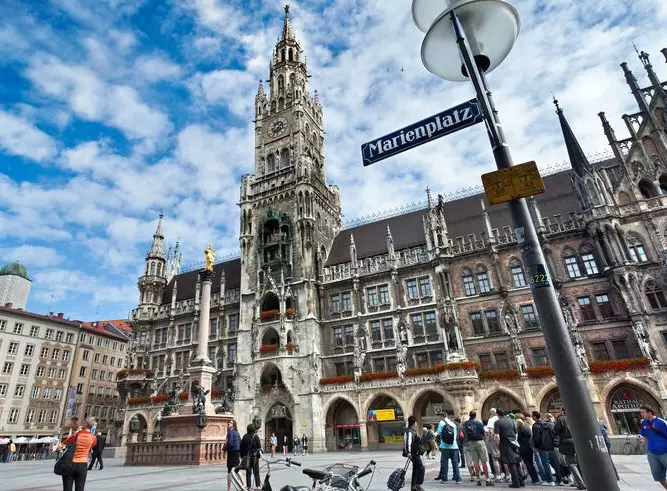
Regional day tickets are gold for groups. The Bavaria Ticket (€25 for one person, €35 for up to five) covers all regional trains and buses in Bavaria for a day. I used it to visit Neuschwanstein from Munich for a fraction of the cost. Buses like FlixBus are cheaper but slower—Berlin to Munich from €15.
Attractions and Activities: Must-See Sights on a Budget
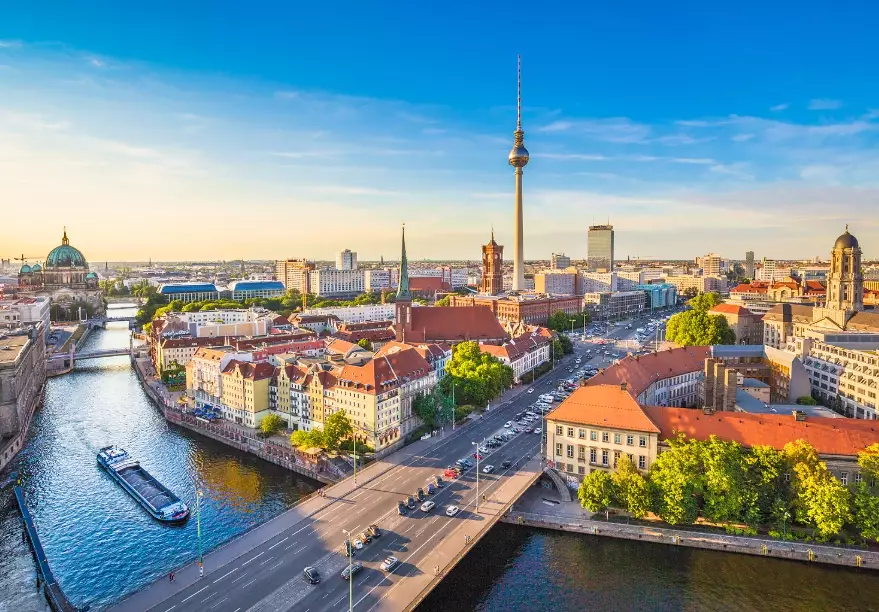
Many attractions are free or cheap. Berlin's Brandenburg Gate and Reichstag dome (free, but book online) are musts. Museums vary: the DDR Museum in Berlin costs €12, while the German Historical Museum is €8. Castles like Neuschwanstein require a €15 ticket plus a €2.50 reservation fee if booked online—do it, or risk waiting hours.
A common pitfall: overpaying for guided tours. Free walking tours (tip-based) in cities like Frankfurt offer great value. I joined one in Munich's Altstadt and learned more than from a €25 paid tour.
How to Save Money Without Missing Out
Saving money isn't about skipping experiences—it's about smart choices. Here's what most guides don't tell you.
Travel in shoulder seasons. April-May or September-October offer lower prices and fewer crowds. I went in late September: hotels were 20% cheaper, and the weather was perfect for hiking in the Black Forest.
Use discount cards. The Berlin WelcomeCard (€23 for 48 hours) includes transport and museum discounts. In Cologne, the KölnCard offers similar perks. But check if you'll use enough attractions to justify the cost—I didn't in Hamburg, so I skipped it.
Eat breakfast included with accommodation. Many hostels and hotels include a basic breakfast, saving €5-€10 daily. Or shop at supermarkets: Aldi and Lidl have ready meals for €3-€5.
Walk or bike. German cities are walkable, and bike rentals are affordable (€10-€15 per day). In Berlin, I biked along the Spree River instead of taking a boat tour (€20 saved).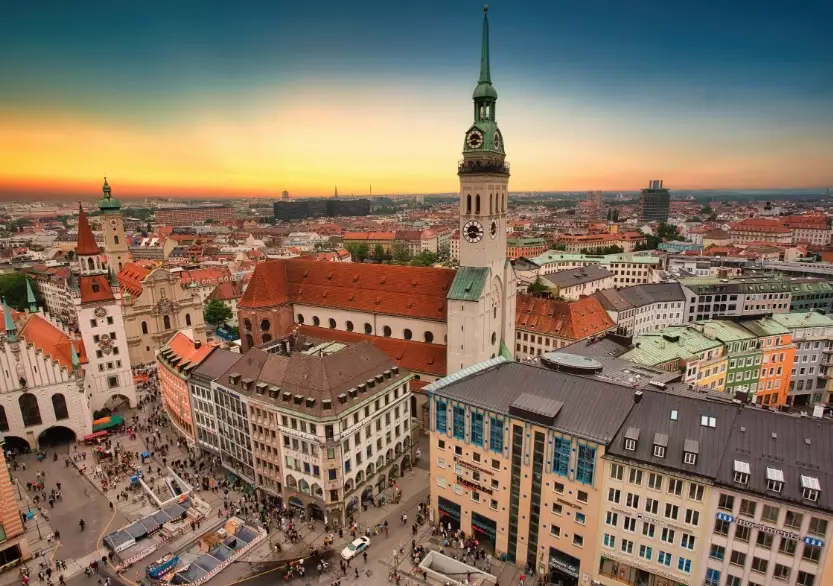
A Sample 7-Day Germany Itinerary with Cost Estimates
Let's make this concrete. Here's a mid-range itinerary I'd recommend for first-timers, focusing on Berlin and Munich, with real cost estimates.
Day 1-3: Berlin
- Accommodation: 3 nights at Motel One Berlin-Mitte, €330 total (€110/night).
- Food: Mix of street food and one nice dinner, €120 total (€40/day).
- Transport: Berlin WelcomeCard 72-hour, €33, plus arrival flight/train.
- Attractions: Reichstag (free), Pergamon Museum €19, walking tour tip €10.
- Day 1 cost: ~€180, Day 2: ~€100, Day 3: ~€90.
Day 4: Travel to Munich
- Train: Berlin to Munich, €60 if booked early.
- Accommodation: Leonardo Hotel Munich City East, €120 for one night.
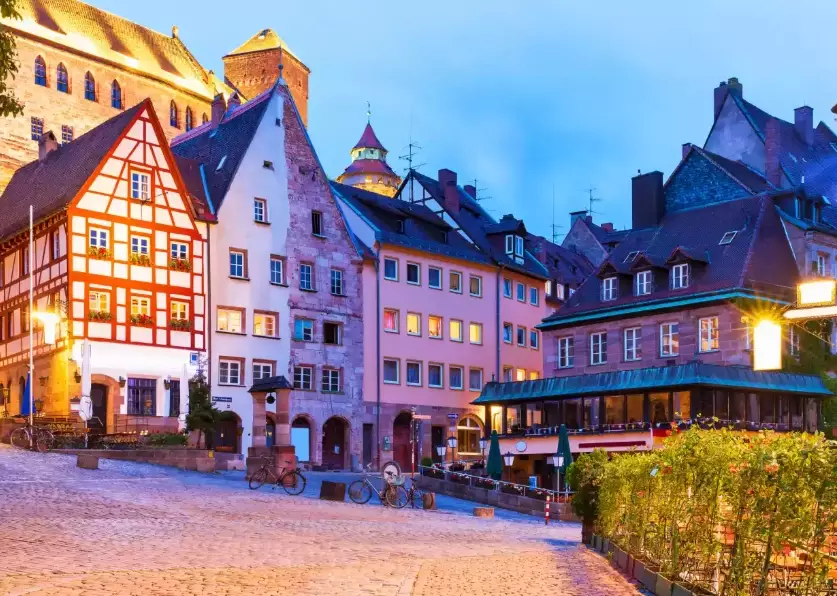
- Food: €40.
- Total: ~€220.
Day 5-7: Munich and Day Trip
- Accommodation: 3 nights, €360 total.
- Food: €150 total.
- Transport: Bavaria Ticket for day trip €25, local transit €20.
- Attractions: Neuschwanstein Castle €17.50, Hofbräuhaus visit €30 (for meals/beer).
- Per day: ~€150-€200.
Total estimated cost for this 7-day trip: Around €1,600 per person, excluding international flights. Budget travelers could cut this to €900 by switching to hostels, fewer attractions, and more supermarket meals.
This itinerary balances cities and culture. For a more relaxed pace, consider adding a day in the Rhine Valley—hotels in Bacharach cost €80/night, and scenic train rides are covered with regional tickets.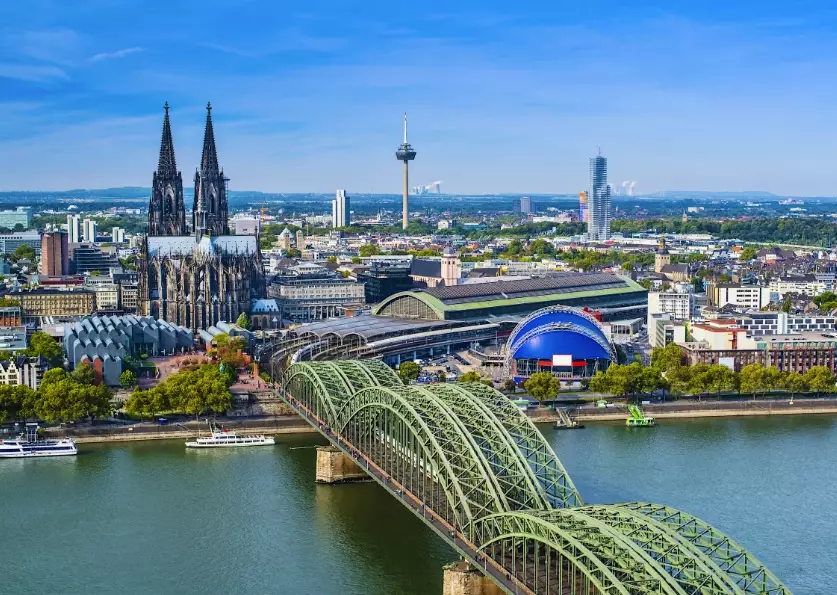
Frequently Asked Questions
To wrap up, planning a 7-day Germany trip costs less than you think if you focus on value. Use this guide as a checklist, and don't stress over every euro—sometimes, that extra beer at a beer garden is worth the splurge. Safe travels!