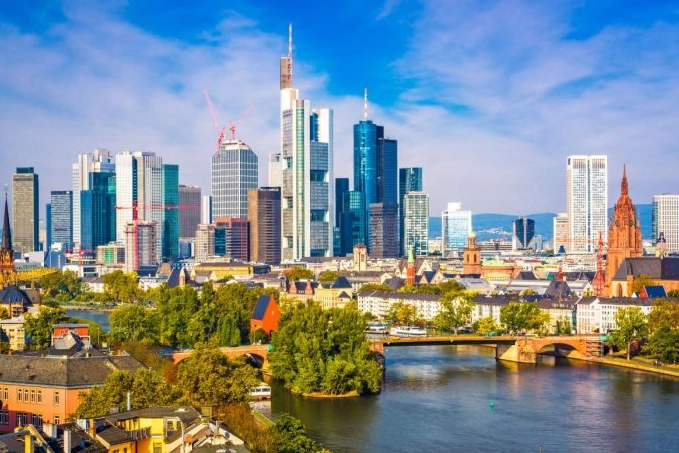
Let's cut to the chase. Is Hamburg worth your precious vacation days? If you're imagining a quaint, half-timbered German fairy tale, you might be looking at the wrong map. Hamburg is something else entirely. It's a gritty, glorious, water-obsessed metropolis that trades alpine peaks for towering cranes and medieval squares for sprawling docklands. For the right traveler, it's not just worth visiting—it's unforgettable. For others, it might feel a bit too industrial, a bit too spread out. I've spent considerable time there, both as a wide-eyed tourist and a semi-local, and I'm here to give you the honest breakdown, not the brochure version.
What’s Inside This Hamburg Guide?
The Hamburg Vibe: Who Will Love It (And Who Might Not)
Hamburg has a personality. It's confident, wealthy (it's a city-state and a major media hub), and deeply connected to its identity as Germany's "Gateway to the World." The North Sea influence is palpable—in the brisk air, the seafood-heavy cuisine, and the no-nonsense, friendly demeanor of the locals (Hamburgers, yes, really).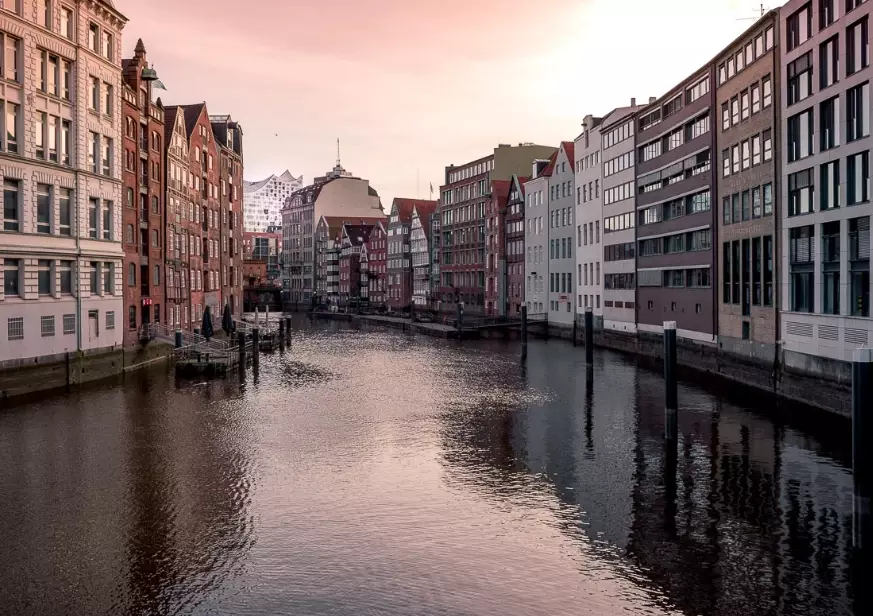
| You'll Probably Love Hamburg If... | You Might Be Underwhelmed If... |
|---|---|
| You're fascinated by ports, logistics, and maritime history. | You're seeking a classic, storybook-old German town center. |
| You appreciate modern architecture (like the Elbphilharmonie) juxtaposed with historic brick warehouses. | Your ideal vacation is hiking in mountains or lounging on a beach. |
| You enjoy cities with distinct, explorable neighborhoods (Kiez culture). | You prefer a single, compact historic district you can cover on foot in a day. |
| You're a foodie keen on fresh fish, international flavors, and a great coffee scene. | You dislike rain or changeable weather (it's a port city, after all). |
| You want a blend of high culture (philharmonic, art museums) and gritty nightlife (the Reeperbahn). | You're on a very tight budget; it's not Germany's most affordable city. |
What Are the Top Things to Do in Hamburg?
Don't just wander. Hamburg rewards a bit of structure. Here’s where to focus your energy.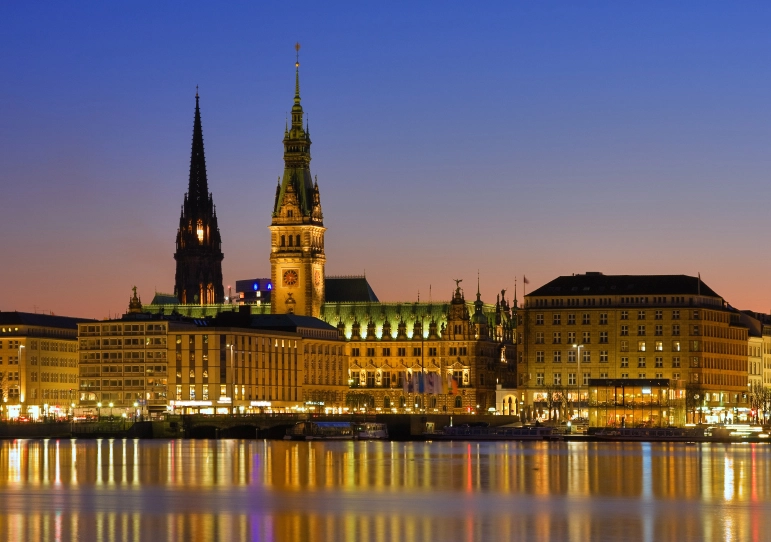
The Harbor & Speicherstadt: The Heart of the Matter
Start at Landungsbrücken, the long pontoon bridge that's the hub of all harbor activity. The smell of saltwater and fried fish is your welcome. From here, take a harbor tour. It's non-negotiable. Skip the giant party boats and opt for a smaller, commentary-driven tour from providers like Barkassen-Meyer or Hadag. You'll understand the city's scale and history in an hour. A one-hour tour costs around €20-€25. After, walk into the Speicherstadt, the world's largest contiguous warehouse district. These neo-Gothic brick buildings on timber piles are a UNESCO site. It's atmospheric, especially in the evening fog.
Inside Speicherstadt, you have two heavyweight attractions:
Miniatur Wunderland: This isn't just for kids. It's the world's largest model railway and a staggering feat of detail and engineering. Book tickets weeks in advance online. A common mistake is rocking up hoping for a same-day slot—you'll be disappointed. Address: Kehrwieder 2/Block D. Open 9:30 am - 6:00 pm (often later), tickets from €21.
Elbphilharmonie Hamburg: The city's glittering icon. You don't need a concert ticket to go up. Reserve a free time slot online for the Plaza, a public viewing platform 37 meters up, offering panoramic views. The walk up the long, curved escalator through the glass tube is an experience itself. Address: Platz der Deutschen Einheit 1.
The City Center & Alster Lakes
A short walk from the harbor brings you to the Rathaus (City Hall). It's opulent, almost comically grand for a republic, reflecting Hamburg's historic wealth. Guided tours are worth it. From here, you hit the Binnenalster and Aussenalster lakes. Rent a paddle boat or just stroll the Jungfernstieg promenade. For a unique perspective, take the U-Bahn line U3—it's an above-ground train that acts as a cheap sightseeing tour, circling parts of the city center and harbor.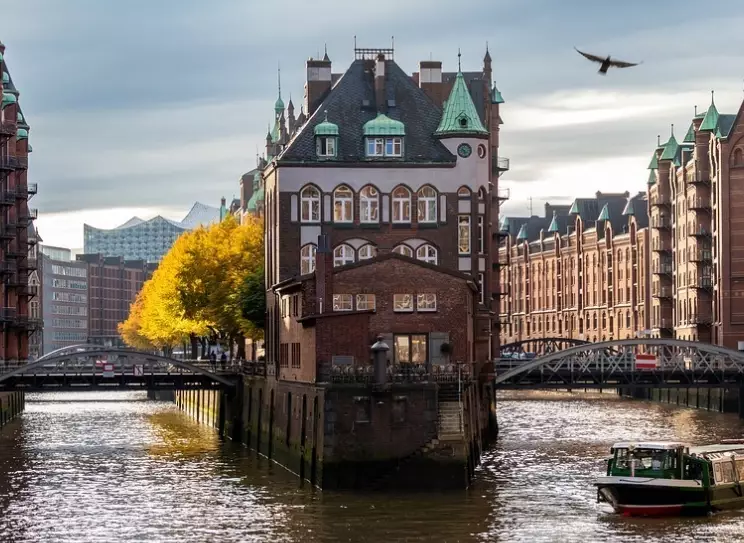
Insider Tip: Most tourists cluster around the Binnenalster. For a more local feel, take a bus or rent a bike and explore the pathways around the larger Aussenalster. The neighborhoods of Harvestehude and Winterhude on its shores are beautiful and quiet.
St. Pauli & the Reeperbahn
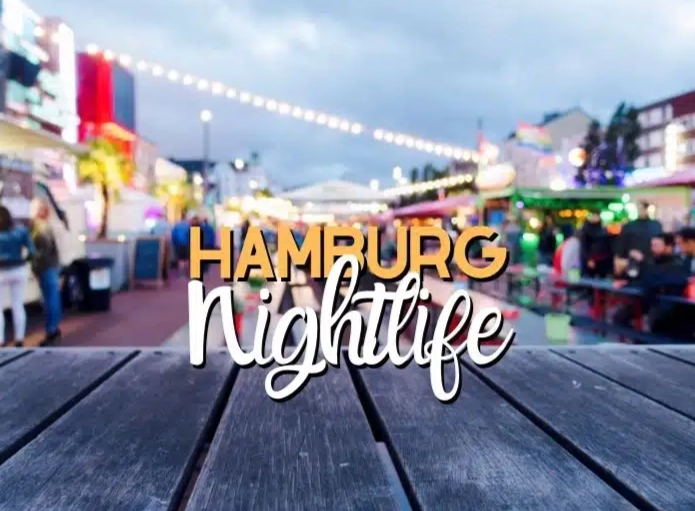
This is Hamburg's famous (or infamous) entertainment district. By day, it's tame, with quirky shops and cafes. By night, it transforms. The Reeperbahn is Europe's largest red-light district, but it's also packed with theaters, clubs, music venues (The Beatles famously played here), and bars. It's safe but obviously requires street smarts. Take a guided tour if you want the stories behind the neon. Don't miss the Davidwache police station, a local legend, and the Beatles-Platz memorial.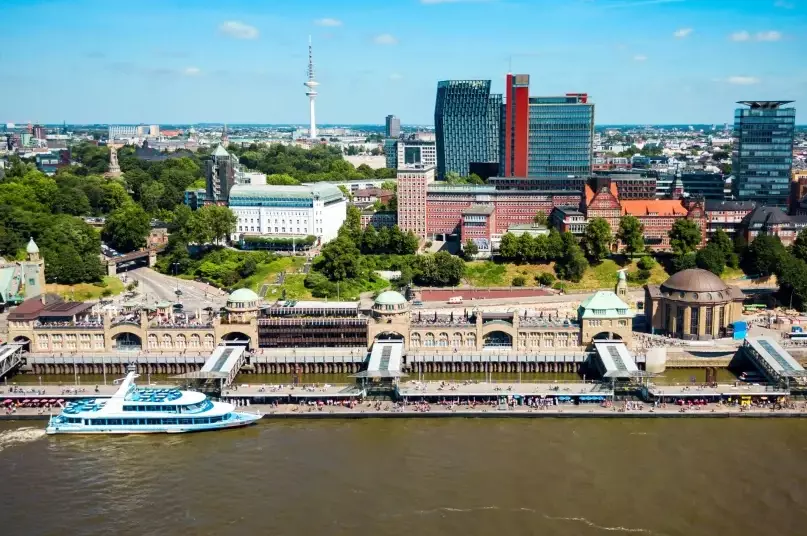
Beyond the Postcard: Hamburg's Hidden Layers
This is where Hamburg won me over. Venture beyond the core.
Sternschanze & Karolinenviertel: These adjacent districts are Hamburg's alternative heart. Think street art, independent boutiques, vegan cafes, record stores, and a fiercely local vibe. It's the antidote to the harbor's grandeur. Perfect for a long, aimless afternoon of coffee and people-watching.
Blankeneser Treppenviertel: Take the S-Bahn (S1) to Blankenese. This former fishing village is now an upscale suburb built on a steep slope, a labyrinth of narrow lanes, tiny houses, and over 100 stairways leading down to the Elbe beach. It feels a world away from the city. Pack good shoes.
Planten un Blomen: A stunning inner-city park near the city center. It's free, beautifully landscaped with water features, themed gardens, and hosts free light and water concerts in the summer evenings. A perfect respite.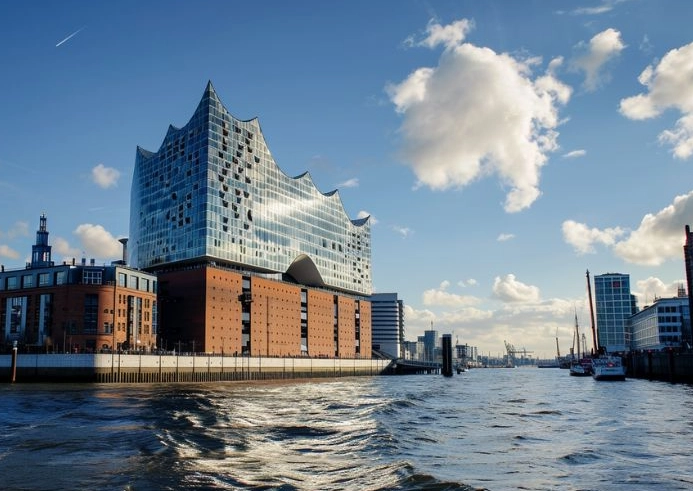
Navigating the Hamburg Food Scene
Forget the heavy Bavarian clichés. Hamburg food is coastal and cosmopolitan.
Must-Try Classics:
Fischbrötchen: A crusty roll with pickled herring, onions, and remoulade. The best come from tiny stalls at the Fischmarkt (open Sunday 5-9:30 am—yes, morning after a Saturday night out). It's an institution.
Labskaus: A sailor's dish: mashed corned beef, beetroot, potatoes, topped with a fried egg and rollmops. It looks… challenging, but it's a hearty taste of history. Try it at Old Commercial Room near the Rathaus.
Rote Grütze: A red berry compote served with vanilla sauce or cream. The perfect dessert.
Neighborhood to Eat In: The Portugiesenviertel (Portuguese Quarter) near the harbor is packed with authentic Portuguese and Spanish restaurants. It's lively, family-run, and the quality is consistently high. Porto or Sal are great choices.
Practical Tips for Your Hamburg Trip
Getting Around: The HVV public transport network (U-Bahn, S-Bahn, buses, ferries) is excellent. Buy the Hamburg CARD. It covers all transport and gives discounts on most attractions. The math almost always works in your favor. A 3-day card is about €30.
Weather: It's northern Germany. It can be sunny, rainy, and windy all in one afternoon. Layers and a waterproof jacket are essential, even in summer.
Budgeting: Mid-range. A decent hotel room will cost €100-€150/night. A main course in a good restaurant €15-€25. The Hamburg CARD and enjoying street food (Fischbrötchen!) are your best friends for saving money.
Airport: Hamburg Airport (HAM) is well-connected by S-Bahn (S1 line) to the city center in about 25 minutes.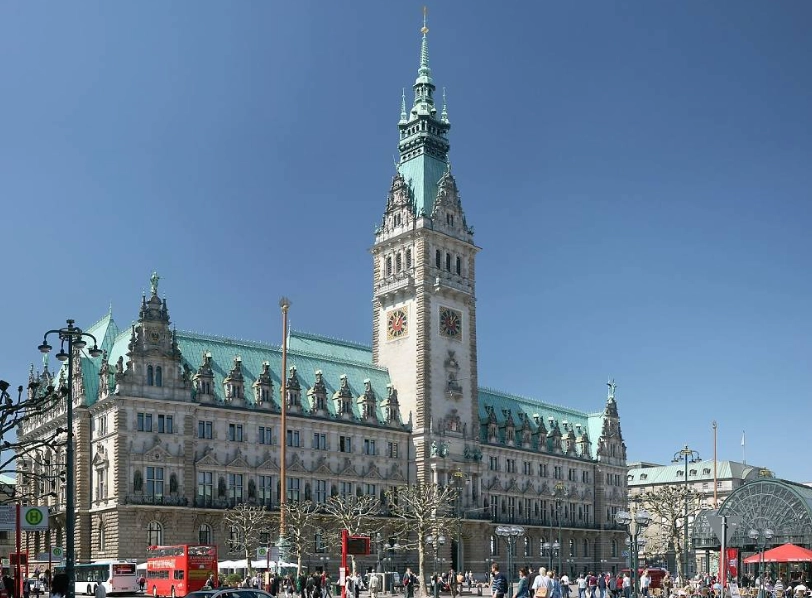
Your Hamburg Questions, Answered
So, is Hamburg worth visiting? If you're drawn to maritime energy, architectural boldness, distinct neighborhoods, and a city that feels genuinely lived-in and powerful, then the answer is a resounding yes. It demands a bit more engagement than a picturesque old town, but the rewards—the view from the Elbphilharmonie at sunset, the buzz of the Fischmarkt at dawn, the quiet charm of a Blankenese stairway—are uniquely Hamburg. Give it at least three days, pack a raincoat, and dive in.