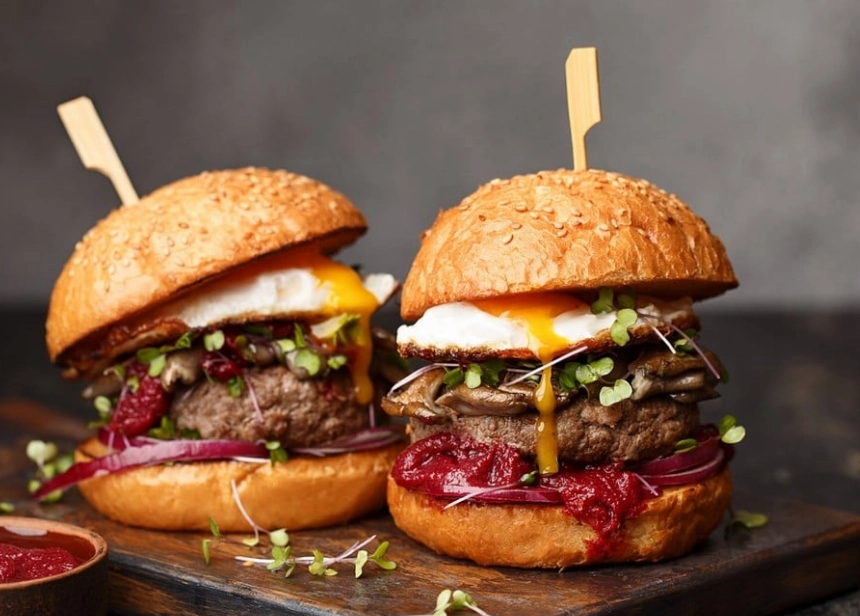
Ask most people what food Hamburg is famous for, and you'll get a one-word answer: hamburgers. It's the obvious connection, right? But here's the thing—spend a week eating your way through this port city, and you might not find a single classic American-style burger joint that feels truly local. The real culinary soul of Hamburg is something else entirely. It's salt-tinged sea air, working-class comfort, and sweet, buttery pastries enjoyed on the go. It's food built for sailors, dockworkers, and people who value substance over style.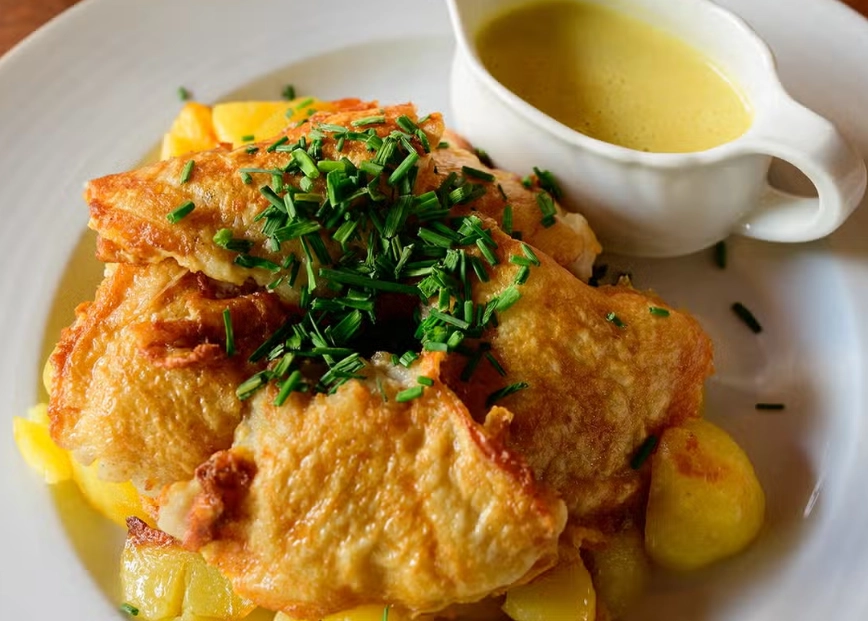
Your Quick Bite-Sized Guide
The Unofficial National Dish: Fischbrötchen
If you remember only one food from Hamburg, make it the Fischbrötchen. This isn't just a fish sandwich; it's a cultural institution. Imagine a crusty, soft Brötchen (roll), slathered with a swipe of tangy remoulade, topped with a generous fillet of pickled herring (Matjes), cured salmon (Gravad Lachs), or the ever-popular fried fish filet (usually pollock or herring), then finished with raw onions, pickles, and maybe some lettuce. It's messy, briny, fresh, and incredibly satisfying.
The magic is in the combination of textures and the quality of the fish. A common mistake tourists make is buying the first one they see. The quality varies wildly. The best come from dedicated fish stalls (Fischbrötchenbude) where the rolls are fresh, the fish is prepared daily, and the remoulade is homemade.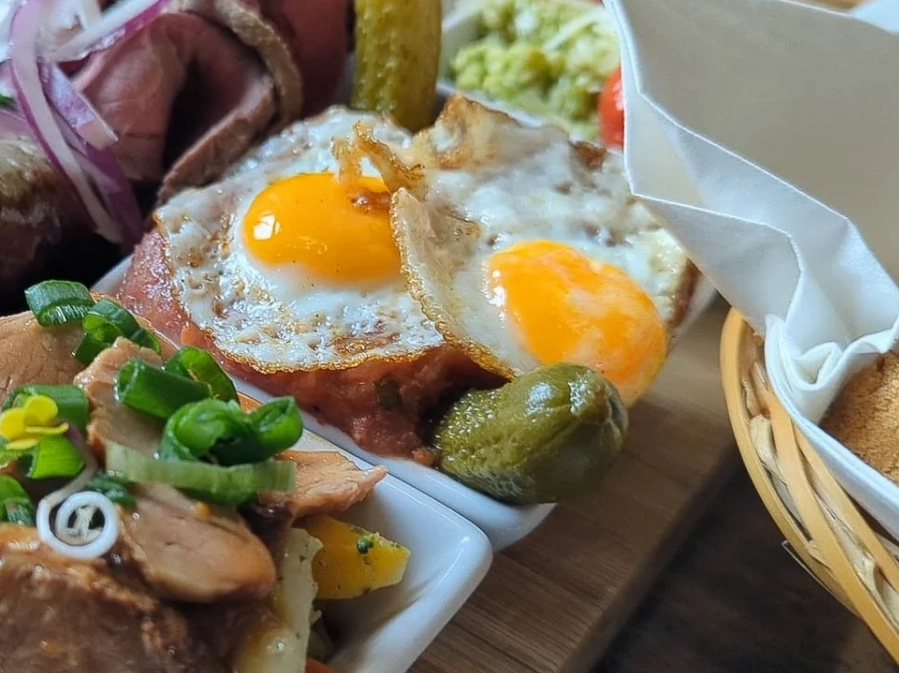
Matjes herring, young herring cured in a sweet-salt brine, is a local favorite. It's milder than you'd expect—creamy, almost melt-in-your-mouth. The fried filet version is the crowd-pleaser, especially for kids or those unsure about cured fish. They're cheap (usually €3-€6), portable, and the perfect fast food.
Hearty Sailor's Food: Labskaus & More
Now we dive into the heartier, more historical side of Hamburg cuisine. This is food born from necessity, designed to fill up sailors on long, cold North Sea voyages using preserved ingredients.
Labskaus: Love It or Hate It
Labskaus is Hamburg's most iconic hot dish, and it's… visually challenging. It's a hearty mash of corned beef, potatoes, beetroot, and onions, all mashed together into a pinkish-purple mound. It's typically served with a fried egg, pickled gherkins, and rollmops (pickled herring rolls).
First-timers often balk. It looks like something went wrong in the kitchen. But the taste? It's savory, slightly sweet from the beetroot, salty, and deeply comforting. It's a dish you appreciate for its history and robust flavor, not its Instagram appeal. Don't judge it by its color. A proper Labskaus should be homogenous but not puréed—you should still get little bits of each component.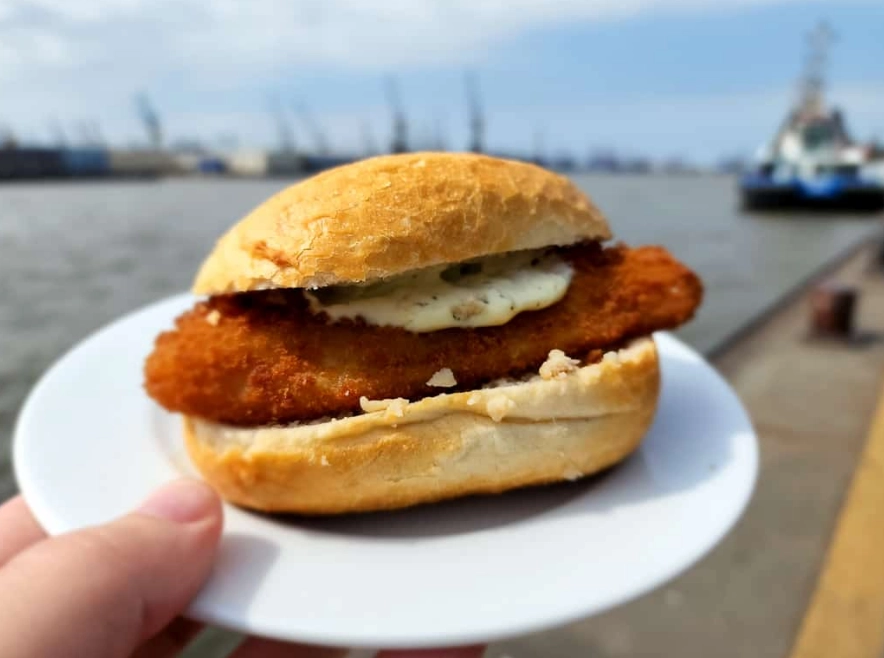
Other Nautical Classics
Keep an eye out for these:
Birnen, Bohnen und Speck: A summer stew of green beans, pears, and bacon. Sweet, savory, and uniquely northern German.
Grünkohl mit Pinkel: A winter powerhouse. Kale stewed for hours with mustard, broth, and spices, served with a smoked sausage called Pinkel. It's often eaten on "Kohlfahrten" (kale tours), where groups hike and end at a restaurant for this feast.
Aalsuppe: "Eel soup" that often contains no eel (the name is debated, possibly from "all soup" meaning "everything soup"). It's a sweet-and-sour soup with dried fruit, vegetables, and sometimes meat. An acquired taste, for sure.
A Sweet Cornerstone: Franzbrötchen
Hamburg's answer to the cinnamon roll is the Franzbrötchen. But calling it a cinnamon roll does it a disservice. It's flakier, more buttery, and less sweet. The dough is laminated like a croissant, sprinkled heavily with cinnamon sugar, then folded and squashed to create its characteristic wrinkled, rectangular shape. When baked, the sugar caramelizes into a crispy, buttery, cinnamony crust.
You'll find them in every bakery (Bäckerei). They're the standard mid-morning coffee break snack. The quality test? It should be crispy and flaky on the outside, soft and layered on the inside, with pools of melted cinnamon butter. A stale, doughy Franzbrötchen is a sad thing. Grab one fresh from a neighborhood bakery, not a train station chain.
Where to Eat It: A Practical Restaurant Guide
Knowing what to eat is half the battle. Knowing where to find the good stuff is the other. Here’s a no-nonsense guide to experiencing Hamburg's famous foods in the right settings.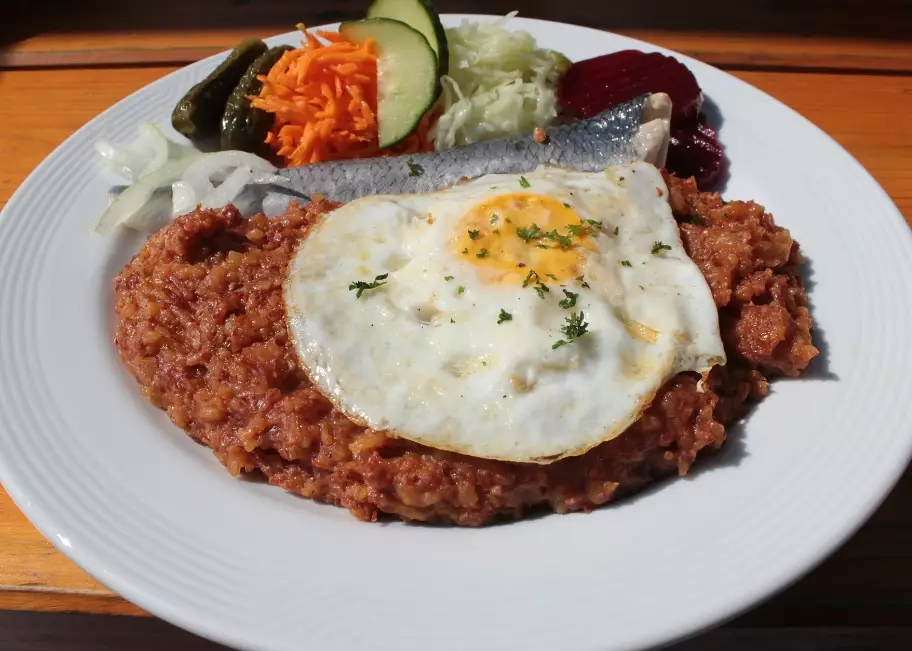
| Restaurant / Stall | Specialty & Address | What to Know | Price Range |
|---|---|---|---|
| Fischereihafen Restaurant | Labskaus & high-end fish. Große Elbstraße 143, 22767 Hamburg. Near the harbor. | The classic, upscale place for Labskaus. They do it perfectly. Also has incredible fresh fish dishes. Book ahead. Open daily 12 PM - 10 PM. | €€€ (Labskaus ~€22) |
| Brücke 10 | Legendary Fischbrötchen. At the St. Pauli Fischmarkt, between piers 4 & 5. | Perhaps Hamburg's most famous Fischbrötchen stall. Simple, perfect, and always a queue. Go for the Matjes or the fried filet. Cash only. Opens early for the market (5 AM Sun). | € (€4-€6) |
| Old Commercial Room (Schiffergesellschaft) | Historic atmosphere & traditional dishes. Breite Straße 2, 20459 Hamburg. | Dating back to 1643. It feels like a museum. Try their Labskaus or other traditional plates in a unique setting with long communal tables. Good for a solid, authentic meal. | €€€ |
| Franzbrötchen from any non-chain bakery | Franzbrötchen. Look for local names like Junge or Heiligensetzer. | Avoid the big chains at train stations. Pop into a small neighborhood bakery mid-morning when the batch is fresh. It should be warm and fragrant. | € (€1.50-€2.50) |
| Alt Hamburger Aalspeicher | Specializes in all things eel, including the traditional sweet-and-sour Aalsuppe. A cozy, old-world spot to try this unique dish. | €€ |
My personal take? Fischereihafen's Labskaus is worth the splurge for the first try. But for Fischbrötchen, sometimes the unassuming stall by the water hits the spot just as well as the famous one. Don't overthink it—if there's a line of locals, join it.