Your Museum Guide
Let's be honest. When you think of the Natural History Museum Berlin, you probably picture one thing: a giant dinosaur skeleton. And you're not wrong. That's the star of the show. But after spending a good chunk of a day there recently, I realized there's a whole world inside that grand old building on Invalidenstraße that most visitors barely scratch the surface of. It's a place where you can stand in awe of a 13-meter-tall Giraffatitan, then turn a corner and peer into jars containing specimens collected by Alexander von Humboldt himself. It's a working research institute that just happens to let the public in to see some of its greatest hits.
So, is it worth your time in a city packed with museums? Absolutely. But to get the most out of it, you need to know a few things. This isn't just a walk-and-gawk experience. There's a rhythm to it, and some exhibits demand more of your attention than others. I'll walk you through everything, from the practicalities of tickets (pro tip: buy online, seriously) to the quiet corners most people miss, and even touch on why some parts felt a bit... dated.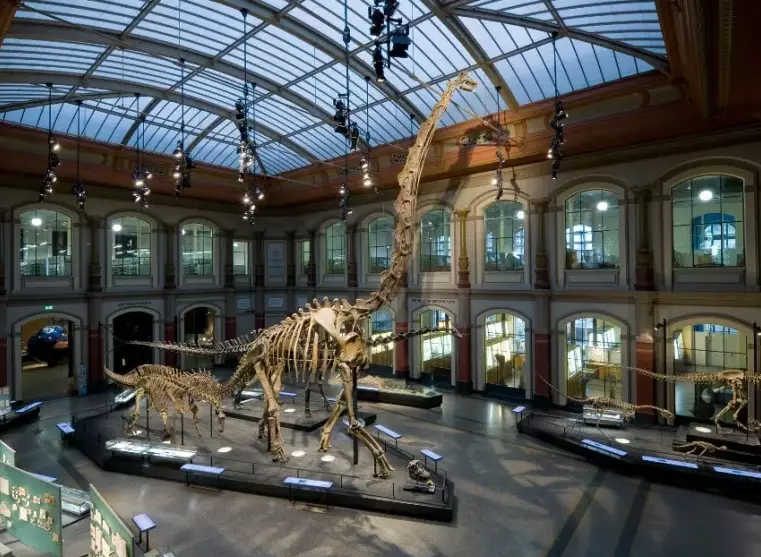
First Things First: Getting In and Getting Around
Location is straightforward. The Natural History Museum Berlin (or Museum für Naturkunde, as the locals call it) sits in the Mitte district, not far from Hauptbahnhof. It's well-connected by public transport. I took the U6 to Naturkundemuseum station, and the exit literally puts you across the street. Couldn't be easier.
Now, about those tickets. The pricing is pretty standard for Berlin's major museums.
| Ticket Type | Price (€) | Notes |
|---|---|---|
| Adult | 11.00 | Standard admission |
| Reduced (Students, etc.) | 5.00 | Valid ID required |
| Family Ticket | 23.00 | Up to 2 adults & 3 children (under 18) |
| Children under 6 | Free | No ticket needed |
| Berlin WelcomeCard | Discount applies | Check current % on their site |
Once you're in, grab a floor plan. The museum is deceptively large. The layout isn't a confusing maze, but it's easy to think the main hall is all there is and miss the upper floors and side wings.
The cloakroom is cheap and useful, especially if you have bags. The main hall, the one with the big dinosaurs, can get warm and crowded.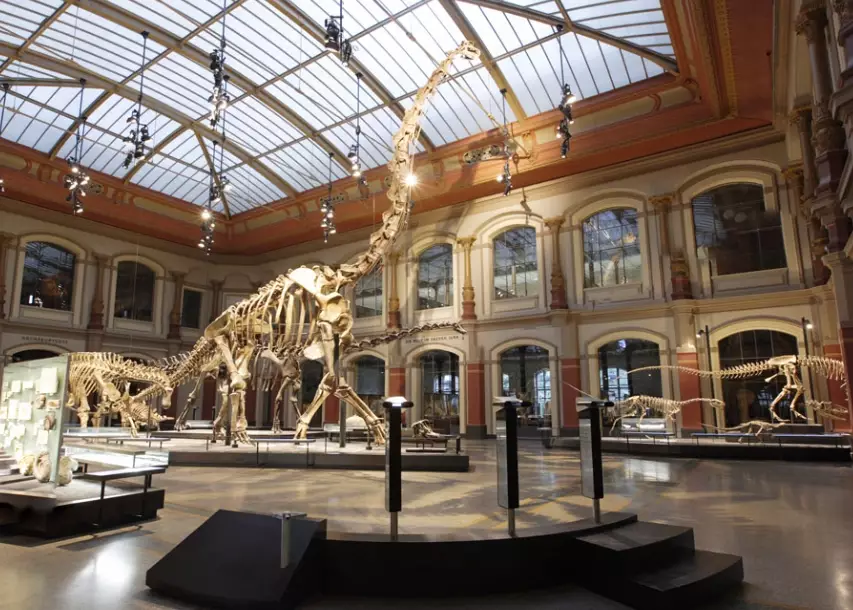
The Main Event: The Dinosaur World
Okay, let's talk about the elephant in the room... or rather, the dinosaur. You enter the Berlin Museum of Natural History through a modest lobby, and then BAM. You're in this enormous, light-filled hall dominated by skeletons. It's designed to impress, and it works.
The undisputed king here is Tristan Otto. This isn't just any T. rex. It's one of the most complete original Tyrannosaurus rex skeletons ever found, with over 170 original bones. The name comes from the sons of the two private owners, which is a cute backstory for such a fearsome creature. They've mounted him in a dynamic pose, mid-stride, with his head turned slightly. You can walk a full 360 degrees around him on a raised platform. The detail is staggering—you can see the texture on the bones, the massive teeth. It feels visceral.
But Tristan has competition for your attention. Standing right beside him (figuratively) is the even taller Giraffatitan. This Brachiosaurid skeleton is a composite cast, but its sheer scale is what gets you. Its head brushes the ceiling of the hall, which must be 15 meters high. Looking up at it gives you genuine neck strain. It perfectly illustrates the insane proportions of these sauropods.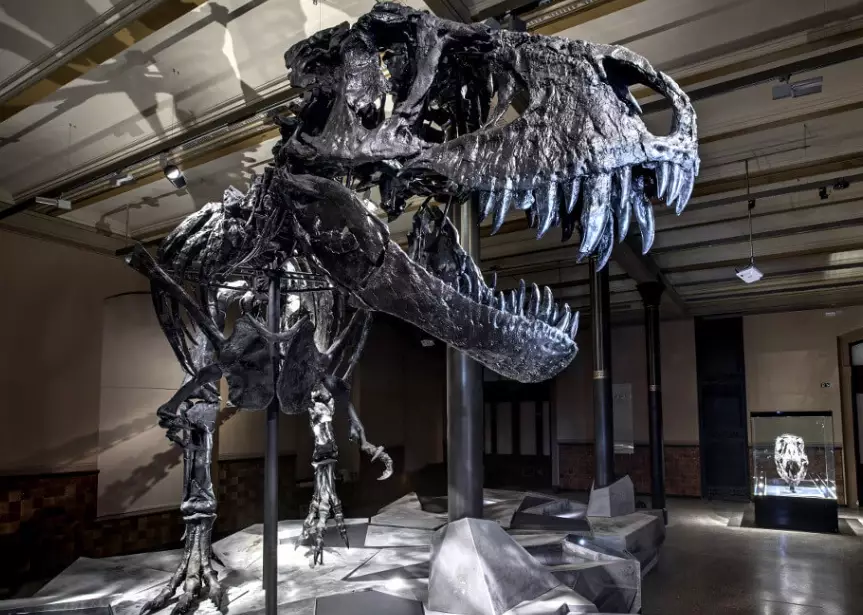
Now, a small personal gripe. The lighting and signage around some of the smaller dinosaur specimens in wall cases feel a bit old-fashioned. The information is there, but it's presented in dense blocks of text. If you're not a dedicated dino-enthusiast, your eyes might glaze over after Tristan and the big guy. The museum seems aware of this, as the newer exhibits (like Tristan's dedicated area) are much more engaging.
Beyond the Bones: The Other Must-See Exhibitions
This is where many visitors make a mistake. They see the dinosaurs, maybe wander through the adjacent mammal hall, and call it a day. You'd be missing at least half the story of the Natural History Museum Berlin.
Wet Collections & The Biodiversity Wall
Head upstairs. Seriously. The "Wet Collections" room is one of the most unique things I've seen in any museum. It's a working scientific archive, a "library of life," with floor-to-ceiling shelves holding over a million specimens preserved in alcohol. Fish, snakes, octopuses, you name it. The scale is incomprehensible. A small part of this vast collection is visible behind glass in a stunning display called the Biodiversity Wall. It's a colorful, slightly surreal grid of thousands of jars. It's beautiful and overwhelming—a direct visual statement about the sheer variety of life on Earth.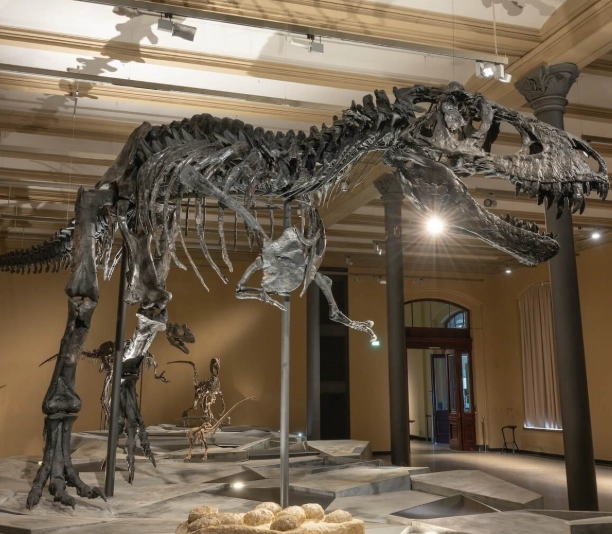
It makes you think.
The Cosmos and Solar System
In another wing, you shift from earthly biology to astronomy. The highlight here is a beautiful, historical collection of meteorites. You can even touch a piece of a real iron meteorite—it's cold, dense, and strangely humbling. This section feels more classic and less interactive than the dinosaur hall, but it has a quiet, contemplative charm. They have a fragment of the Allende meteorite, which is older than the Earth itself. Let that sink in for a second.
Evolution in Action
This exhibition tackles the "how" behind the "what" you see in the other halls. It uses clear examples, like the diversity of Darwin's finches or the development of the horse, to explain mechanisms like natural selection and adaptation. It's well-laid out and crucial for understanding the context of everything else in the museum. It answers the "why are there so many different kinds of animals?" question in a digestible way.
The Research Behind the Scenes
This is what truly sets the Museum für Naturkunde Berlin apart. It's not a static collection; it's a powerhouse of modern science. The museum is part of the Leibniz Association, a major German research organization. Scientists there are doing cutting-edge work in genomics, biodiversity loss, and ecosystem analysis.
You get glimpses of this throughout. In the dinosaur hall, there's a visible preparation lab where you might see paleontologists working on real fossils. Information panels explain how CT scans are used to study brain cases, or how stable isotopes in teeth reveal a dinosaur's diet. This connection between the display and ongoing science is powerful. It tells you that the museum's work is alive, constantly updating our understanding of these ancient creatures. You can read more about their research initiatives on the Leibniz Association website, which highlights its institutional importance.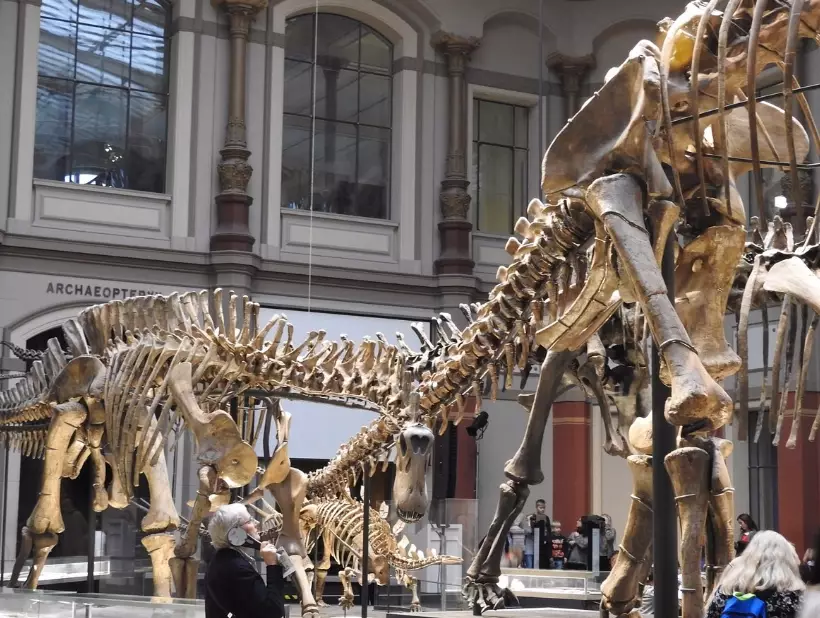
Practical Info for a Perfect Visit
Let's get down to the nuts and bolts that actually matter when you're planning your day.
Opening Hours: Tuesday to Friday 9:30 am to 6:00 pm. Weekends and public holidays 10:00 am to 6:00 pm. Closed on Mondays. Last admission is 30 minutes before closing, but give yourself at least 2-3 hours, honestly.
Best Time to Visit: Weekdays, obviously, are quieter than weekends. Mornings right at opening are good, but so are afternoons after about 3 pm, when the initial crowds thin out. School groups are common during term time on weekdays, so there can be bursts of noise and activity.
Photography: Allowed for personal use, no flash. Tripods and selfie sticks need prior permission. The light in the main hall is great for photos.
Food and Drink: There's a small café on the ground floor with basic snacks, coffee, and cake. It's fine for a quick break. For a proper meal, you're better off heading out into the surrounding streets of Mitte, which are full of options. There's no problem with re-entry if you keep your ticket stub.
Accessibility: The museum is mostly accessible. The main exhibition areas are reachable by elevator. Their website has a detailed accessibility guide, which is worth checking for specific needs.
Answering Your Questions (The Stuff You Actually Google)

Final Thoughts: Is It a Must-Visit?
So, where does that leave us? The Natural History Museum Berlin is a fascinating hybrid. It's a temple to old-fashioned wonder, housing treasures that have inspired generations. At the same time, it's a living, breathing scientific institution trying to explain the natural world with modern tools.
Its strengths are undeniable: world-class specimens presented with just enough drama, and unique collections that go far beyond dinosaurs. Its weakness, in my view, is a slight unevenness in presentation—some parts feel freshly updated, while others whisper of a different era of museology. But that's also part of its charm. It feels authentic, like a working library with its most exciting books left open on the table.
For families, for science buffs, for anyone with even a passing curiosity about the world we live in, it's a compelling stop in Berlin. It does what a great natural history museum should: it makes you feel small in the best possible way, connecting you to deep time and the incredible tapestry of life. Just remember to look up from the T. rex and explore the rest. You won't regret it.
For the most current information on special exhibitions, temporary closures, or research highlights, always double-check the official source, the Museum für Naturkunde Berlin website, or the cultural portal of the State of Berlin.