Hamburg isn't just Germany's second city—it's a maritime powerhouse with a gritty charm that gets under your skin. Think canals, red-brick warehouses, and a culture that blends history with hedonism. I've spent weeks here over the years, and let me tell you, most guides miss the nuances. Like how the port isn't just for tours; it's a living, breathing entity. Or that the best Fischbrötchen isn't at some fancy spot but a tiny stand by the water. This isn't a generic list. It's a deep dive into what makes Hamburg tick, with specifics you can use right now.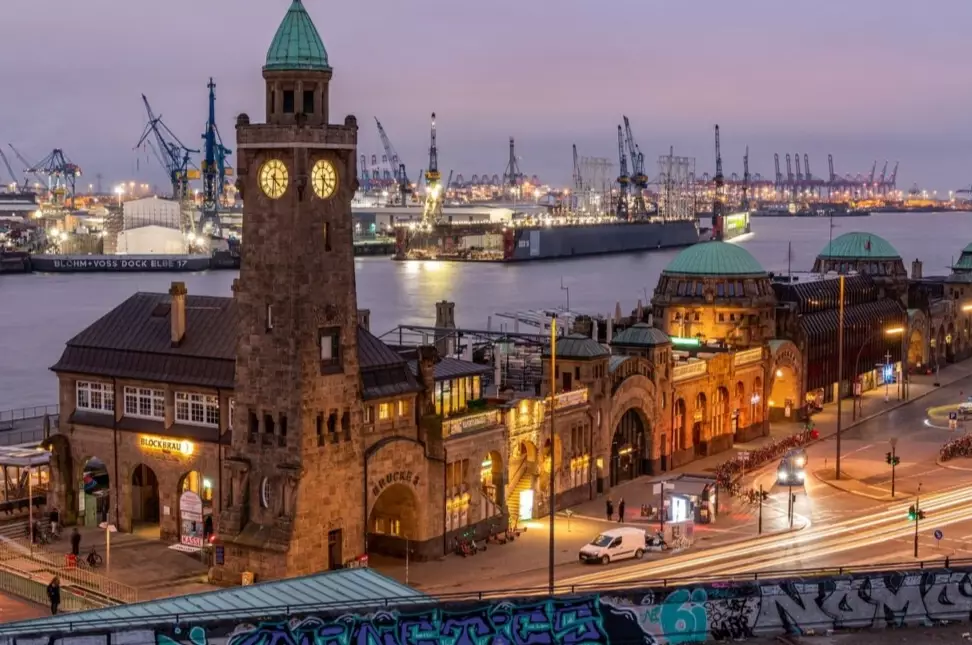
Your Quick Guide to Hamburg
Explore Hamburg's Historic Landmarks
Hamburg's history is etched in its architecture. But skip the dry facts—focus on places that tell a story. I'll start with two icons that define the city.
Miniatur Wunderland: The World's Largest Model Railway
Don't let "model railway" fool you. This place is a masterpiece of detail, covering over 1,500 square meters. It's not just for kids; adults get lost in the tiny worlds, from a functioning airport to Alpine villages. Here's the practical stuff:
- Address: Kehrwieder 2-4/Block D, 20457 Hamburg. It's in the Speicherstadt district, easy to reach by U-Bahn (U3 to Baumwall).
- Ticket prices: Adults €20, kids €10. Book online—it sells out fast, especially weekends. The online fee is worth it to skip lines that can stretch an hour.
- Opening hours: 9:30 AM to 6:00 PM daily, but till 8:00 PM on Thursdays. Go on a Thursday evening; it's less crowded, and the night lighting effects are magical.
My tip? Many rush through the American section, but spend time in the Swiss Alps—the moving trains and sound effects are hypnotic. A common mistake: people spend three hours here and miss the Knuffingen Airport, where planes actually take off. Plan for at least four hours.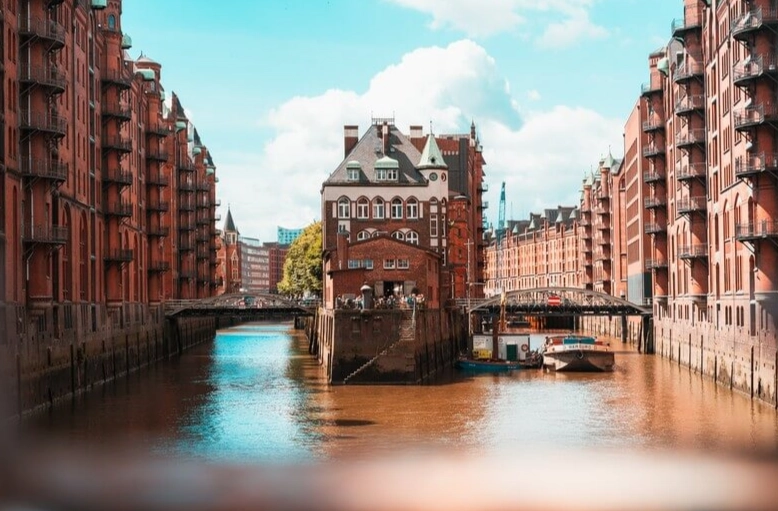
St. Michael's Church: Hamburg's Iconic Landmark
Locals call it "Michel." This Baroque church survived fires and wars, and its tower offers the best panoramic view. Entry to the church is free, but the tower costs €5. It's open 9:00 AM to 8:00 PM (April to September), shorter in winter. The climb up 452 steps is a workout, but there's an elevator for €7. I prefer the stairs—you pass bells and old inscriptions. The view? You see the Elbe River, the port, and the city's sprawl. Avoid midday when tour buses arrive; early morning or late afternoon gives softer light for photos.
Insider note: While Michel is stunning, the nearby St. Nikolai Memorial is often overlooked. It's a bombed-out church ruin that serves as a peace museum. Entry €5, and it's a sobering contrast to Hamburg's rebirth.
Experience the Vibrant Waterfront
Hamburg is defined by water. The port isn't just industrial; it's the city's pulse. And the Elbphilharmonie? It's more than a concert hall—it's a symbol.
Port of Hamburg: Take a Harbor Tour
You haven't seen Hamburg without a harbor tour. But not all tours are equal. The big operators like Barkassen-Meyer charge around €20 for a 2-hour tour. They're informative, but can feel scripted. For something grittier, try a smaller boat from St. Pauli Landungsbrücken—prices start at €15, and the captains share local anecdotes. Tours run from 10:00 AM to 6:00 PM, with more frequent departures in summer. I took one at sunset; the cranes silhouetted against the sky are unforgettable. A pitfall: some tours skip the container terminals, which are the heart of the port. Ask if they include them.
Elbphilharmonie: Architectural Marvel
This glass wave on the Elbe is Hamburg's pride. You don't need a concert ticket to visit. The plaza is free and open 9:00 AM to midnight. Just get a timed ticket online—it's free, but required. The view from up there? Breathtaking. For concerts, prices vary from €20 to €150. Book months ahead for big names. The acoustics are insane; I saw a jazz show and felt every note. But here's a negative: the surrounding HafenCity area can feel sterile and corporate. After the plaza, wander to the old Speicherstadt for more character.
Waterfront dining? Skip the tourist traps near Landungsbrücken. Walk to the Portuguese Quarter for fresh fish at Fischerhaus (address: Große Elbstraße 143, prices around €15-25 per dish).
Indulge in Local Cuisine and Nightlife
Hamburg's food scene is hearty and diverse. And the nightlife? It's legendary, but not just for the red-light district.
Where to Eat Fischbrötchen
Fischbrötchen is a fish sandwich, a staple. The best isn't in a restaurant but at Brücke 10 (address: Landungsbrücken, Brücke 10, 20359 Hamburg). It's a kiosk. A classic herring sandwich costs €3.50. Open 8:00 AM to 6:00 PM. They pile on onions and pickles—messy but delicious. For a sit-down version, try Fischereihafen Restaurant, but it's pricier (€10-15). A local secret: the Wochenmarkt at Isemarkt on Tuesdays and Fridays has vendors selling fresh Fischbrötchen for €2.50.
Nightlife in St. Pauli and Beyond
Reeperbahn is infamous, but it's not all seedy. For live music, go to Grosse Freiheit 36—a club with history (entry €10-20). Bars in Sternschanze are more alternative. Try Katze (address: Susannenstraße 6) for craft beer. Clubs like Uebel & Gefährlich in a bunker attract crowds. Cover charges range €5-15. Safety tip: Reeperbahn can be rowdy late at night; stick to well-lit areas. I found the Karolinenviertel district better for a relaxed vibe with cocktail bars.
Plan Your Hamburg Itinerary
Here's a sample 3-day plan to maximize your time. It balances sights, food, and downtime.
| Day | Morning | Afternoon | Evening |
|---|---|---|---|
| 1 | St. Michael's Church (climb tower) | Speicherstadt walk, Miniatur Wunderland (book slot) | Dinner at Portugiesenviertel, stroll along Elbe |
| 2 | Harbor tour from Landungsbrücken | Elbphilharmonie plaza, HafenCity exploration | Fischbrötchen at Brücke 10, nightlife in Sternschanze |
| 3 | Planten un Blomen park, relax | Alternativ: Art galleries in Kunstmeile or shopping in Mönckebergstraße | Concert at Elbphilharmonie or bar crawl in St. Pauli |
This itinerary assumes you're using public transport. Adjust based on energy—Hamburg's sights are spread out.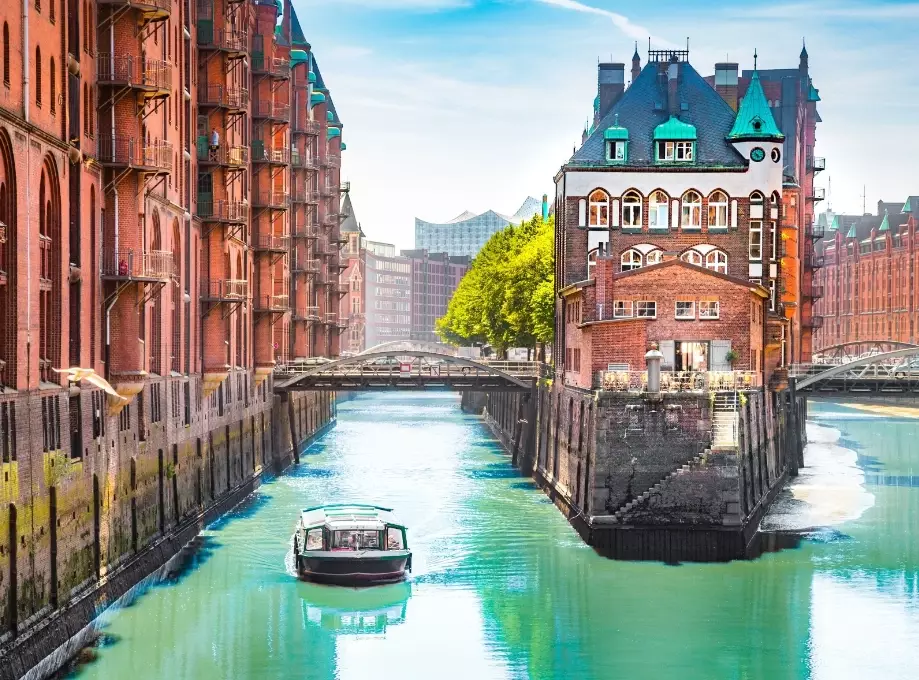
Practical Tips for Your Visit
Let's get into the nitty-gritty. Budget-wise, Hamburg isn't cheap. Accommodation averages €80-150 per night for mid-range hotels. Eat at markets to save. The HVV public transport system is efficient; a single ticket costs €3.30, but day passes (€7.90) are better. Buy tickets from machines—they're in English.
Weather? It's maritime, so rain is common. Pack a waterproof jacket even in summer. Winter temperatures hover around freezing, but the Christmas markets (late November to December) are worth the chill.
Sustainable travel tip: Use the StadtRAD bike-sharing system—€0.08 per minute, with stations everywhere. Hamburg aims to be green; support local eco-tours like those from Greenpeace.
A personal struggle: I once got lost in the U-Bahn because I didn't check direction signs. Always look for the end station on the display.
FAQs About Hamburg Travel
 Hamburg rewards the curious. Skip the checklist approach. Dive into the port life, savor a Fischbrötchen by the water, and let the city's rhythm guide you. It's more than attractions; it's an experience shaped by water and resilience. Use this guide as a starting point, but leave room for your own discoveries—like that tiny jazz bar I stumbled upon near the university. That's where the real magic happens.