Navigate Your Visa Journey
- First Things First: What Kind of Visa Do You Actually Need?
- Eligibility and Basic Requirements
- The Step-by-Step Application Process
- The Document Checklist – Your Ticket to Success
- Common Questions and Mistakes (The FAQ You Actually Need)
- The Appointment and What Happens After
- What If Your Visa is Refused?
- Once You Have the Visa
- Final Thoughts and Personal Advice
Let's be real, applying for a visa is rarely fun. It's a pile of paperwork, confusing rules, and that nagging worry that you might have missed something. Now, imagine doing it from a third country like the United States. If you're an Indian citizen living, working, or studying in the US and planning a trip to Germany, the process can feel like a maze. I've been there. I remember my own visa application years ago, the anxiety of waiting for that passport to return. But here's the thing – it doesn't have to be a nightmare. This guide is here to cut through the confusion and give you a clear, step-by-step roadmap for securing your Germany visa from the USA as an Indian citizen.
We're going to walk through every single thing you need to know. Not just the official rules, but the practical stuff they don't always tell you on the government websites. The common mistakes that get applications delayed or rejected. The little tips that can make the whole experience smoother. Whether you're going for a summer holiday, a business conference, or to visit family, the core process is similar, and understanding it is your first step to success.
First Things First: What Kind of Visa Do You Actually Need?
This is where most people start to get confused. Germany, being part of the Schengen Area, offers different visas based on your purpose and length of stay. Getting this wrong is the fastest way to have your application sent back. So let's break it down.
The Short-Stay Schengen Visa (Type C)
This is the one most people are after. If you're planning a trip for tourism, business meetings, visiting family or friends, or attending a short course or conference for up to 90 days within any 180-day period, this is your visa. It's often just called a "Schengen visa" because it lets you travel within the entire Schengen Zone, not just Germany.
The Long-Stay National Visa (Type D)
This is for stays longer than 90 days. Think studying for a full degree program, taking up employment, joining a spouse, or other long-term purposes. The application for this is more complex, often requires approval from authorities in Germany itself, and is a whole different ball game from the Schengen visa. Since most Indian citizens in the US applying for a Germany visa are looking for the short-stay option, this guide will primarily focus on that. But the core steps of applying through the outsourced service provider in the US are structurally similar.
So, you've figured out you need a short-stay Schengen visa. Now what?
Eligibility and Basic Requirements
To even apply for a Germany visa from USA for an Indian citizen, you need to meet some basic conditions. Your primary residency and legal status in the United States are crucial here.
- Valid U.S. Residence Status: You must be legally residing in the USA. This typically means having a valid U.S. visa (like H-1B, L-1, F-1, J-1, Green Card, etc.) with a significant amount of time left on it – usually at least 3-6 months beyond your planned return from the Schengen area. A simple tourist visa (B1/B2) to the US might not be sufficient proof of residency for applying for a Schengen visa from here. The consulate needs to be convinced you will return to the US.
- Jurisdiction: You must apply at the German diplomatic mission (Consulate General) that holds jurisdiction over the state you live in. Living in California? You apply through the consulate in San Francisco or Los Angeles. Living in New York? You go through New York. Applying at the wrong one will cause delays.
- Purpose of Travel: You must have a clear, legitimate, and documented reason for visiting Germany.
Okay, basics covered. Now, the heart of the matter: the step-by-step process.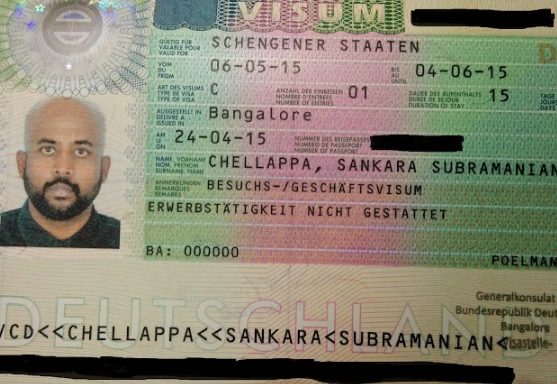
The Step-by-Step Application Process
This is the core of your journey to get a Germany visa from the USA as an Indian citizen. Don't think of it as one big task, but a series of smaller, manageable steps. Missing one can set you back weeks.
Step 1: Figure Out Where and How to Apply
Germany, like many countries, has outsourced the initial visa application and biometric collection process to external service providers. In the USA, this is primarily handled by VFS Global. You will almost certainly book your appointment and submit your application through a VFS Global center, not directly at the German Consulate. Start by visiting the VFS Global Germany visa page for the USA. This site is your hub. It will direct you to the specific page for the consulate covering your state.
The VFS Global website can sometimes feel a bit clunky. My advice? Use the location finder, bookmark your specific consulate's VFS page, and rely on it for the most current forms and instructions. The German consulate websites themselves will also link to these VFS pages.
Step 2: Complete the Visa Application Form
You need to fill out the Schengen visa application form. This is a standardized form for all Schengen countries. You can find it on the VFS Global site or the website of the German Missions in the United States. My strong recommendation: fill it out online, then print it. It's neater and avoids errors from handwriting.
Be meticulous. The information must match your passport and all other documents exactly. A mismatch between the form and your flight itinerary, for example, is a red flag.
- Use block letters.
- Sign the form in the two places indicated (at the end of the form and next to your photo). Don't forget the second signature!
- If a question doesn't apply to you, write "N/A" (Not Applicable). Don't leave it blank.
Step 3: Book an Appointment
This can be the most frustrating part. Appointment slots are released in batches and can get booked up quickly, especially before peak travel seasons (summer, Christmas). You must book an appointment online through the VFS Global website for your specific consular jurisdiction. You cannot just walk in.
Pro Tip: Start looking for appointments as soon as you know your travel dates, ideally 2-3 months in advance. Check the site early in the morning (US time). Sometimes new slots open up. Be persistent. If you're really struggling and have urgent, proven travel needs, some consulates have an emergency request procedure, but don't count on it for regular tourism.
Appointment booked? Great. Now, the most critical step: gathering your documents.
The Document Checklist – Your Ticket to Success
This is where applications are won or lost. The consulate wants proof. Proof of who you are, why you're going, that you can afford it, and that you'll leave both the Schengen area and the USA when you're supposed to. Think of yourself as a lawyer building a case. Every document is evidence.
Here’s the complete checklist. I'm presenting it in a table because it's clearer, but treat this as your bible. Get every single item.
| Document | Specific Requirements & Details | Why It's Important / Common Pitfalls |
|---|---|---|
| 1. Valid Passport | Must have at least two blank pages, be valid for at least 3 months beyond your intended departure from the Schengen Area, and issued within the last 10 years. Include a photocopy of the bio-data page and all previous Schengen visas. | The "3 months beyond" rule is strict. If your passport expires sooner, renew it first. The blank pages are for the visa sticker and entry/exit stamps. |
| 2. U.S. Residence Permit/Visa | Original and photocopy of your valid U.S. Green Card, or visa (e.g., H1B, F1 with valid I-20, L1, etc.). It should be valid for at least 3 months after your return from Schengen. | This proves you are legally resident in the USA and will return here. An expired I-20 or a visa that expires soon is a major reason for refusal. |
| 3. Completed Application Form | Signed in two places, dated. Printed. | The second signature by the photo is often forgotten. Don't be that person. |
| 4. Two Recent Photos | Schengen-specific biometric format. 35x45mm, light background, 70-80% face coverage. No glasses, no headwear (religious exceptions allowed). | Just go to a professional photo shop and tell them you need a Schengen visa photo for Germany. It's worth the $10-$15 to avoid rejection over a photo. |
| 5. Travel Medical Insurance | Minimum coverage of €30,000, valid for all Schengen states, covering any medical emergency, hospitalization, and repatriation. Must cover the entire duration of your stay. | Purchase this online from a reputable provider. The certificate must clearly show your name, coverage amount, and dates matching your trip. Print the policy document. |
| 6. Proof of Travel Plans | Flight Reservation: A confirmed round-trip reservation. Don't buy fully ticketed flights until you have the visa, but the reservation must look real. Hotel Bookings: For entire stay, or if staying with friends/family, a formal invitation letter (see below). Daily Itinerary: A simple day-by-day plan of your activities. | They want to see a logical, planned trip. Flights into Germany but out of Italy? Explain the intra-Schengen travel. Use refundable bookings if possible. An invitation letter must often be certified by a German city hall (Einwohnermeldeamt). |
| 7. Proof of Accommodation | Hotel confirmations covering every night, or the official invitation letter from your host in Germany. | If using an invitation letter, your host in Germany usually needs to get it notarized. Start this process early, as it can take time. |
| 8. Proof of Financial Means | Last 3 months of U.S. bank statements. Salary slips from the last 3 months. A letter from your U.S. employer stating your position, salary, and leave approval. Sometimes, a formal sponsorship letter if someone else is funding the trip. | This is critical. They want to see steady income and sufficient funds. The rule of thumb is around €50-€60 per day of your stay. Sudden large deposits right before applying look suspicious. Your normal salary deposits are what they want to see. |
| 9. Proof of Employment/Status | Employed: Employment letter, pay stubs. Student: Enrollment letter from U.S. university, valid I-20. Self-employed: Business license, company bank statements, tax returns. | This ties into your ties to the USA. A student needs to show they are returning to their studies. An employee needs to show they have a job to return to. |
| 10. Visa Fee | €80 for adults. Paid at the VFS center, usually in US Dollars (approx $85-$90, subject to exchange rate). VFS also charges a service fee. | Fees are generally non-refundable, even if the visa is refused. Payment is made at the appointment. |

Common Questions and Mistakes (The FAQ You Actually Need)
- Insufficient proof of financial means: Bank statements showing low balances or unstable income.
- Unclear purpose of travel: Vague itinerary, unconvincing invitation letters, or mismatched information.
- Lack of proof of strong ties to the USA (or India): A soon-to-expire U.S. visa, no stable job/studies, weak family/economic connections to your country of residence.
- Invalid or insufficient travel medical insurance.
- Passport not meeting validity requirements.
The Appointment and What Happens After
You have your file, neatly organized in a folder. Now it's appointment day.
At the VFS Global Center
Arrive on time, but not too early. You'll go through security. Submit your documents to a VFS officer. They will check your checklist, ensure everything is there, and may ask a few basic questions. This person is not the decision-maker; they are just compiling your file. You will then provide your biometrics (fingerprints and a digital photo). These are valid for 59 months, so if you apply again within 5 years, you might not need to give them again. You'll pay the fees. That's it. The whole process inside might take 30-60 minutes.
After Submission: The Waiting Game
The VFS center couriers your application to the responsible German Consulate. The consular officer reviews it. This is when the decision is made. They may, in some cases, call you for an interview or request additional documents, but this is not common for straightforward applications from US residents.
Once a decision is made, your passport is couriered back to the VFS center for pickup, or sent directly to you via a prepaid return envelope (which you usually arrange and pay for at your appointment).
What If Your Visa is Refused?
It happens. And it feels terrible. The refusal letter will state the specific reason(s) under the Schengen Visa Code. You have two options:
- Appeal: You can file an appeal (called a "remonstration") with the consulate that refused you, usually within a month. You must address the specific reasons for refusal with new or strengthened evidence. This process is free but can be slow.
- Re-apply: Often, the more practical route is to fix the deficiencies identified in the refusal letter and submit a fresh application. You will have to pay the fees again. This is why getting it right the first time is so important.
Once You Have the Visa
Congratulations! But your job isn't over.
- Check the visa sticker carefully: Are your name and passport number correct? Are the validity dates and number of entries what you expected? The duration of stay ("Duration of stay… days") is the maximum you are allowed to stay within the validity period. Contact the consulate immediately if there's an error.
- Remember the rules: The visa allows you to travel to the border. The final decision to allow entry rests with the border police officer. Carry copies of your insurance, accommodation proof, and return tickets with you when you travel. They might ask to see them.
- Respect the conditions: Don't overstay, even by a day. It can lead to fines, deportation, and make future visas nearly impossible.
Final Thoughts and Personal Advice
Navigating the process for a Germany visa from USA for an Indian citizen is about diligence, not luck. It's a bureaucratic process that rewards thoroughness and honesty. The system is designed to be predictable if you follow the rules.
My biggest piece of advice? Tell a clear, consistent, and true story with your documents. Your application form, your bank statements, your employment letter, your flight itinerary – they should all paint the same picture of a legitimate traveler with solid reasons to go to Germany and even stronger reasons to return to the United States.
Start early. Be organized. Use the official resources – the German Federal Foreign Office and your local German Mission in the USA websites are the ultimate sources of truth, even if you apply through VFS. Don't rely solely on third-party blog advice (even this one – double-check official sources!).
Is it a hassle? Absolutely. But the payoff – wandering through Berlin's history, experiencing Munich's Oktoberfest, or driving the Romantic Road – is worth every form and every minute of waiting. Plan the process with the same care you plan your trip, and you'll be sipping a coffee in a German Biergarten before you know it.
Safe travels!