Are there any travel restrictions for Germany? Yes, but it's not a simple yes or no. The rules depend on where you're from, why you're traveling, and even when you last checked for updates. I've seen travelers show up at airports only to be turned away because they assumed everything was back to normal. Let's cut through the confusion. As of now, Germany has entry requirements that include visa policies, health measures, and documentation checks. This guide will walk you through exactly what you need to know, based on my experience helping dozens of travelers plan their trips without hiccups.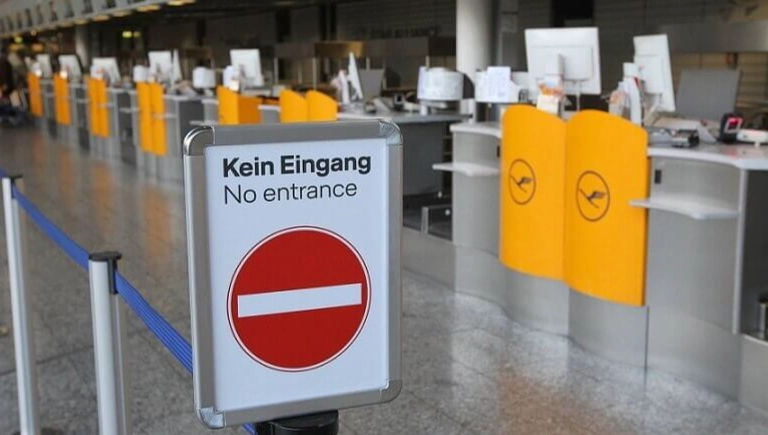
What's Inside This Guide
Current Entry Requirements for Travelers to Germany
Germany's entry rules aren't monolithic; they vary based on your nationality and purpose of visit. Forget the one-size-fits-all advice you might find on generic travel sites. Here's the breakdown from the ground up.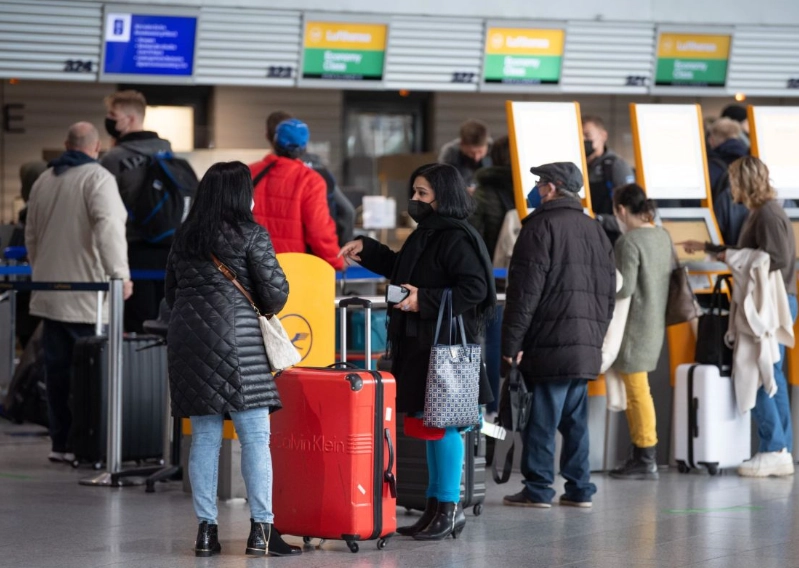
Passport and Visa Essentials
First things first: your passport. It must be valid for at least three months beyond your planned departure date from the Schengen Area. I've had clients get denied boarding because their passport expired in two months—don't let that be you. For visas, if you're from a country like the US, Canada, or Australia, you can enter Germany visa-free for up to 90 days within a 180-day period for tourism or business. But here's a nuance many miss: the 90-day clock starts the moment you enter any Schengen country, not just Germany. So if you hop from France to Germany, those days add up.
For longer stays or specific purposes like work or study, you'll need a national visa. The application process can take weeks, so plan ahead. The German Federal Foreign Office website is your best friend here—I always double-check there because third-party sites sometimes have outdated info.
Health and Safety Protocols
Health measures have evolved, but they're still a key part of travel restrictions. While COVID-19 specific rules have relaxed, Germany may require proof of vaccination or a negative test for certain diseases depending on your travel history. For instance, if you're coming from a region with yellow fever risk, you might need a vaccination certificate. I recommend checking the Robert Koch Institute's travel health notices—they're the authority on this.
Also, travel insurance is a smart move. It's not always mandatory, but I've seen cases where medical emergencies led to huge bills because travelers skimped on coverage. Look for policies that cover at least €30,000 in medical expenses, as that's the Schengen requirement for visa applicants.
Pro tip: Even if you're visa-exempt, border guards can ask for proof of sufficient funds, around €45 per day of stay, and a return ticket. I always advise carrying bank statements or a credit card limit confirmation to avoid hassles.
How to Stay Informed: Checking for Updates
Travel restrictions can change overnight. Relying on last month's blog post is a recipe for trouble. Here's how I stay updated without drowning in information.
Bookmark the German Federal Foreign Office's travel and security advice page. It's the official source and updates in real-time. I also subscribe to their email alerts—it's free and has saved me from recommending outdated info to clients. For a broader view, the European Union's Re-open EU site lists entry rules for all member states, which helps if you're touring multiple countries.
Don't just skim the headlines. Dive into the details. For example, when I planned a trip for a friend last spring, the rules for non-EU travelers shifted twice in a week. By checking daily, we adjusted flights and avoided quarantine. Use tools like the IATA Travel Centre for personalized updates based on your passport and destination.
Another thing: embassy websites. The German embassy in your country often has tailored advice. I've found their FAQs more helpful than generic travel forums because they address local concerns.
Expert Insights: Avoiding Common Travel Mistakes
After years of navigating these rules, I've spotted patterns in where travelers slip up. Let's talk about the subtle errors that rarely make it into guidebooks.
Mistake number one: assuming all EU countries have identical rules. Germany might have stricter document checks than, say, Italy. I once met a traveler who got fined because they didn't register their address with local authorities after staying in Berlin for over two weeks—a requirement many overlook. If you're staying in private accommodation for an extended period, check if you need to do an Anmeldung (registration).
Mistake two: ignoring transit rules. If you have a layover in Germany en route to another Schengen country, you're still subject to German entry requirements. I've seen people with invalid visas get stuck in Frankfurt Airport because they thought transit meant immunity. Always verify transit visa requirements based on your nationality.
Here's a personal story: a client of mine, Sarah, was traveling from the UK to Germany for a conference. She assumed her UK passport post-Brexit still allowed unlimited travel. Wrong. She needed to ensure her stay was under 90 days in any 180-day period, and she almost overstayed because she didn't track her previous EU trips. We used a Schengen calculator app to keep tabs—it's a lifesaver.
Also, watch out for seasonal changes. During peak travel times like summer or Christmas, border controls might tighten. I've noticed more random checks at land borders from neighboring countries like Austria. Give yourself extra time at crossings.
Remember: German authorities are strict but fair. If you're honest and prepared, you'll breeze through. I always carry printed copies of my documents—digital copies can fail if your phone dies.
Frequently Asked Questions (FAQ)
 Travel restrictions for Germany aren't meant to deter you—they're about safety and order. By understanding the rules and staying proactive, you can enjoy your trip without surprises. I've been through this countless times, and the key is always preparation. Double-check sources, pack your documents wisely, and when in doubt, reach out to official channels. Safe travels!