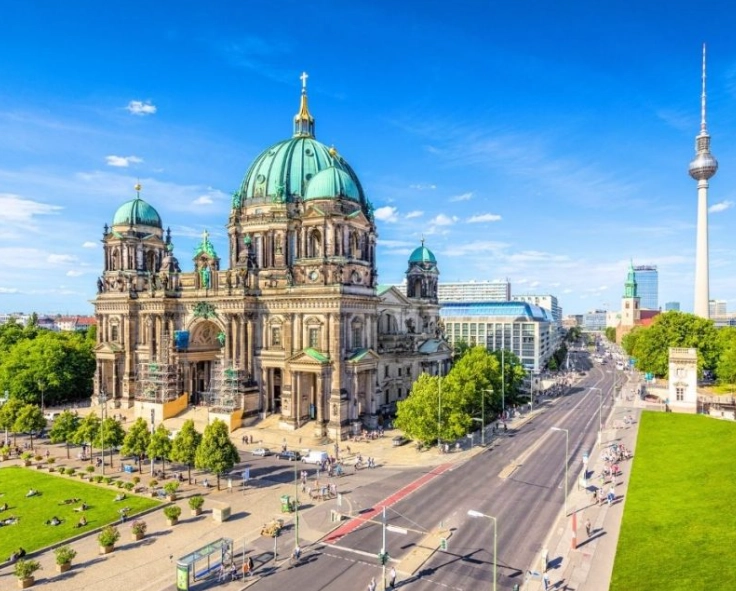
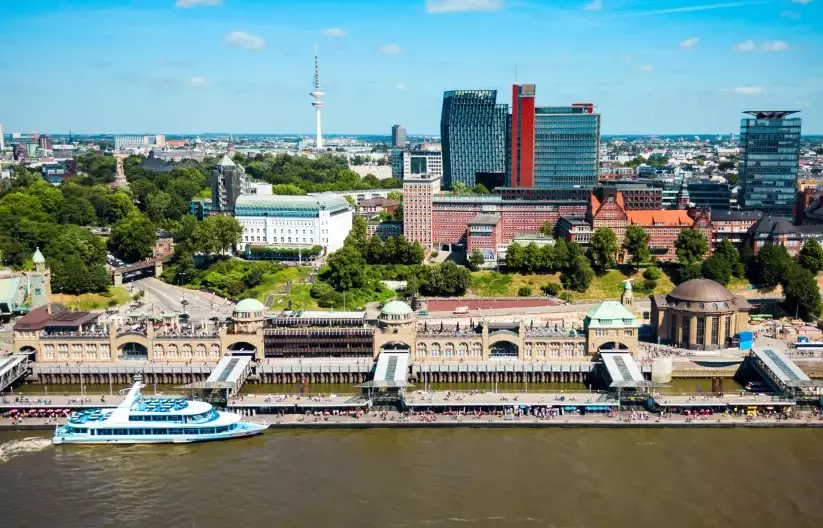
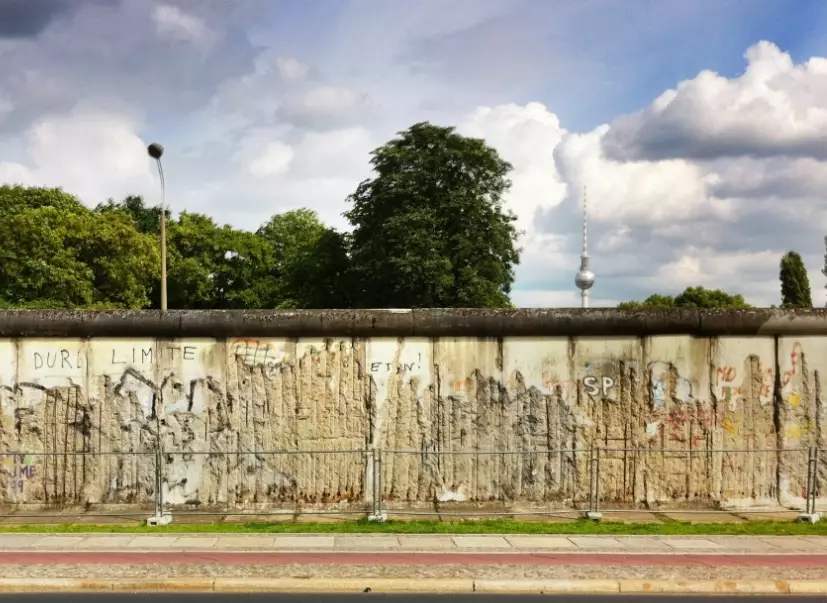
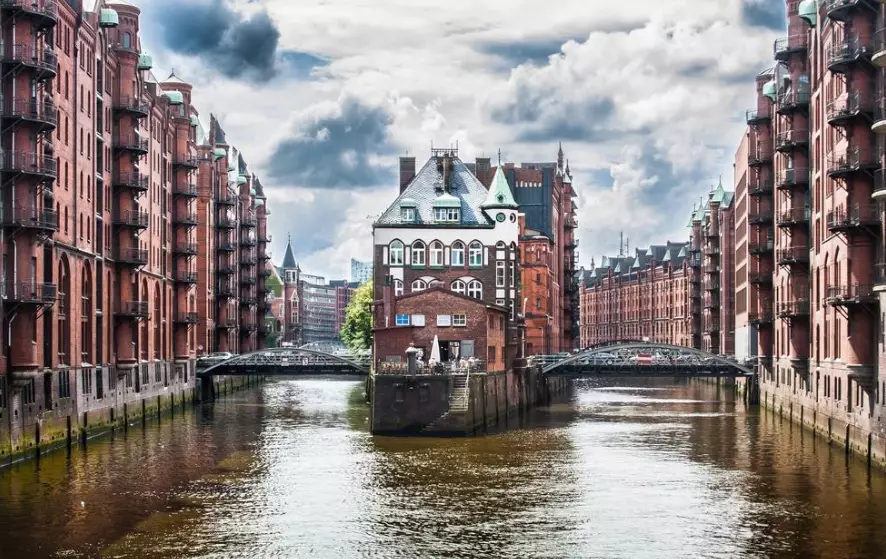
Let's cut to the chase. Berlin doesn't have a universally "worst" time to visit in the sense that it's a disaster zone for 365 days a year. But as someone who's weathered over a decade of its seasons, I can tell you there are specific windows where the city feels like it's actively working against tourists. The magic fades, the costs spike, and your patience wears thinner than a Berlin winter coat. If you're looking for the classic postcard experience of café culture, long strolls, and vibrant street life, you'll want to avoid two distinct periods: the deep, dark heart of winter and the peak of the summer tourist rush.
Most generic guides will vaguely warn you about "cold winters" or "crowds." That's not helpful. I'm going to show you exactly which weeks to steer clear of, why they're challenging, and—crucially—what to do if your trip is locked into one of these less-than-ideal times.
What's in this guide?
The Myth of a Universal "Worst" Time
Here's the non-consensus view most travel blogs miss: labeling a whole season as "bad" is lazy. Berlin in early December is magical (Christmas markets!). Berlin in late January is... grim. Similarly, a sunny June afternoon is perfect. The same day in August can feel like navigating a slow-moving human furnace. The problem isn't the calendar month; it's the combination of weather extremes with other factors like tourist volume, local closures, and value for money.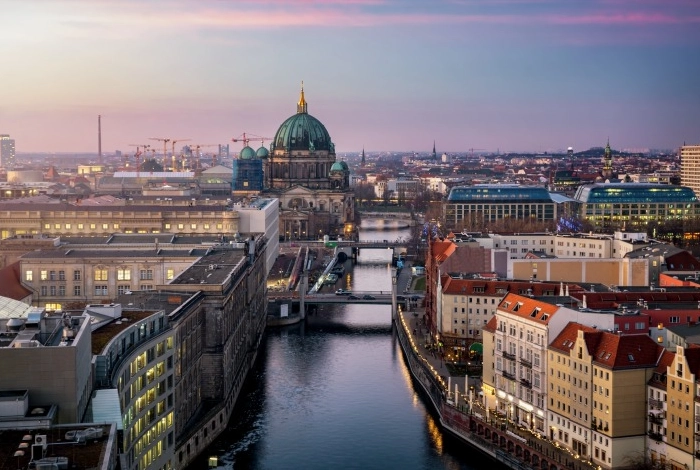
Your personal "worst time" depends entirely on what you hate most. Do you despise cold more than crowds? Are you on a tight budget? The table below breaks it down bluntly.
| Time Period | Core Problem | Who Will Hate It Most |
|---|---|---|
| January - Mid-February | Bitter cold, very short days, grey skies, post-holiday slump. | Sun-seekers, outdoor enthusiasts, anyone wanting to experience Berlin's street life. |
| Late June - August | Overcrowding, inflated prices, occasional heatwaves, longer queues. | Budget travelers, crowd-phobes, those wanting an authentic local vibe. |
See? It's not one thing. It's a recipe. Now, let's get into the gritty details of each challenging period.
The Deep Winter Chill: January to Mid-February
Forget the romantic idea of a light dusting of snow. The reality is often a persistent, damp cold that seeps into your bones. Temperatures hover between -2°C and 3°C (28°F - 37°F), but the wind chill from the North European Plain makes it feel much colder. The sun, if it appears, sets around 4:30 PM. You have maybe 8 hours of usable grey daylight.
Why This Period is a Struggle
The Weather is Relentless: It's not just cold; it's demoralizing. Walking between sights becomes a chore, not a pleasure. Outdoor attractions like the Tiergarten, Tempelhofer Feld, or even just wandering along the Spree lose all appeal. I've seen tourists at the Brandenburg Gate looking genuinely miserable, huddled and shivering, just snapping a photo to leave.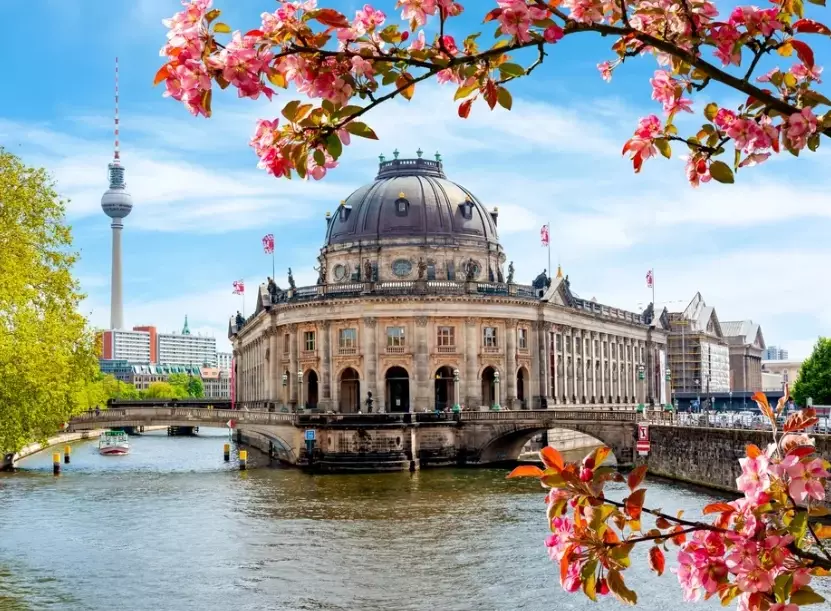
The City is in Recovery Mode: After the December frenzy of Christmas markets and New Year's Eve (Silvester), Berlin takes a breath. Some smaller, family-run restaurants or shops might extend their holidays or have reduced hours. The energy is low.
Limited Outdoor Events: The famous street food markets, open-air cinemas, and flea markets like Mauerpark are closed or severely limited. Your itinerary becomes dominated by indoor spaces, which can start to feel repetitive.
A Personal Low Point: I once had friends visit in early February. We planned a classic "Berlin walk" from Hackescher Markt to Museum Island. After 20 minutes, they were so cold we had to duck into a café every 15 minutes just to thaw out. The day became a costly café crawl, not a cultural exploration. They spent more on hot drinks than museum tickets.
Peak Tourist Season: Late June to August
This is the other side of the coin. The weather is warm, sometimes hot. The days are long. And everyone knows it. Berlin becomes a victim of its own summer appeal.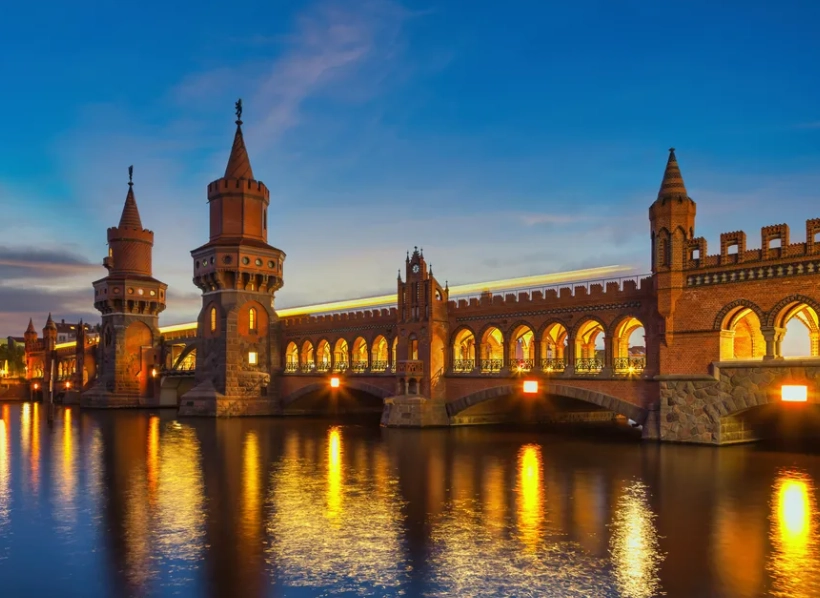
The Triple Threat of Summer Crowds
Accommodation Prices Skyrocket: A decent hotel room in Mitte or Kreuzberg that costs €80 in May can easily double to €160+ per night. Hostel beds sell out weeks in advance. According to data from the Berlin Tourism Board, overnight stays in July and August consistently peak 25-40% above the annual monthly average.
Queues Become Your New Hobby: Want to see the Pergamon Museum? Get ready for a 60-90 minute wait in line, even with a timed ticket. The Reichstag dome booking slots fill up weeks ahead. Popular restaurants won't answer their phones for reservations. The atmosphere at major sights shifts from awe to impatience.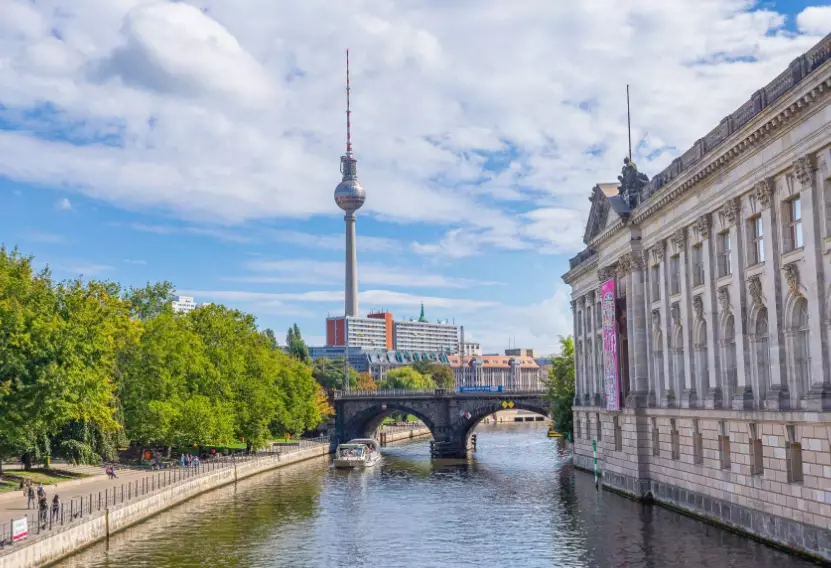
The Heat Can Be Oppressive: Berlin isn't built for consistent heat. Many older apartments, hotels, and even restaurants lack air conditioning. A heatwave can turn the U-Bahn into a sauna and make exploring a sweaty ordeal. The city's green spaces are lovely, but you're sharing them with what feels like half of Europe.
You're paying top dollar for a diluted experience. The authentic Berlin vibe—laid-back, gritty, creative—gets smothered under a blanket of selfie sticks and tour groups.
How to Survive (and Even Enjoy) a Berlin Trip During the Worst Times
Maybe you got a cheap flight. Maybe it's the only time your job gives you leave. Don't cancel. Just pivot. Here’s how to salvage a trip during these less ideal periods.
If You're Stuck in the Winter Depths
Embrace the Indoor Universe: This is Berlin's secret strength. Plan a museum-heavy itinerary. The Museum Island pass is your best friend. Dive into the Gemäldegalerie's Old Masters, the German Historical Museum, or the quirky DDR Museum. Book a tour of the underground bunkers.
Make it a Culinary Tour: Berlin's food scene is largely indoors. Book a cozy Vietnamese restaurant in Prenzlauer Berg, a long lunch at a modern German *Kneipe*, or a coffee and cake tour. The lack of outdoor pressure means you can linger.
Seek Out "Third Places": Visit the stunning libraries like the Grimm Zentrum or the Philological Library (the "Brain"). Spend an afternoon in a sprawling bookshop like Dussmann das KulturKaufhaus. Go to a weekday matinee at one of the independent cinemas.
Pack Like a Pro: This isn't the time for fashion. Wear thermal layers, a serious waterproof/windproof coat, a warm hat, gloves, and waterproof boots with good grip. The right gear changes everything.
If You're Navigating the Summer Peak
Book Everything in Advance: I mean everything. Hotels, major attractions (Reichstag, TV Tower, popular museums), and dinner reservations for any well-known spot. Do this at least 4-6 weeks out.
Become an Early Bird or Night Owl: Hit the biggest sights right at opening time (usually 9 or 10 AM). Alternatively, many museums have one late evening per week (often Thursday). Use that slot. The crowds are thinner, and the light is beautiful.
Get Out of the Center: Explore neighborhoods where tourists are scarce. Take a trip to Köpenick's old town and palace. Wander the gardens of Schloss Charlottenburg (still busy, but less so than Museum Island). Visit the Pfaueninsel (Peacock Island) for a nature escape.
Use Public Transport Wisely: Avoid the U-Bahn during rush hour (8-9:30 AM, 5-6:30 PM). Consider renting a bike—it's often faster and more pleasant than packed trains.
Adjust Your Expectations: Accept that you won't "have Berlin to yourself." Slow down. Pick one or two key things per day instead of a frantic checklist. Find a neighborhood Biergarten away from Hackescher Markt and just people-watch.
Your Berlin Timing Questions Answered
Is Berlin worth visiting in January just for the sales?
The post-Christmas sales are decent, especially along Tauentzienstraße (KaDeWe) and Friedrichstraße. But I wouldn't build a trip around it. The weather severely limits your mobility between shops, and the selection picked over by locals. If shopping is a primary goal, late November (for the start of the Christmas market season) or April offer a better mix of retail and overall experience.
We can only travel in July with kids. Are we making a huge mistake?
Not a mistake, but you need a kid-specific strategy. Book accommodation with air conditioning or a pool. Prioritize attractions with timed tickets you book online to avoid line meltdowns. Plan for afternoon breaks in parks (Volkspark Friedrichshain has great playgrounds) or your hotel. Look for family-friendly activities outside the core, like the Zoo, the Natural History Museum, or a boat tour. The key is a slower pace and advanced planning.
What's the one month everyone sleeps on that's actually okay?
Late April through May. The weather is finally turning (though it can still be unpredictable), the chestnut trees are blooming, the outdoor seating comes out, and the summer crowds haven't arrived yet. The city feels alive and fresh. October is a close second—similar crisp air, fall colors, and fewer tourists after the summer surge, but the days are getting shorter.
How bad is Berlin in November really?
November is the transition into winter. It's often grey, rainy, and chilly (5-8°C / 41-46°F). However, it has one massive redeeming feature: the Christmas markets start opening in the last week. If you visit from about November 22nd onward, you get the magical glow of the markets without the deepest cold of January. Pack a good raincoat and waterproof shoes, and you can have a cozy, atmospheric trip centered around Glühwein and festive lights. It's a trade-off.
So, there you have it. The "worst" time to visit Berlin isn't a simple black-and-white answer. It's a set of conditions. If you dread cold and darkness, skip January. If crowds and high prices ruin your vibe, think twice about August. But with the right mindset, realistic expectations, and the tactical advice above, you can have a great time in Berlin during any season. Just maybe pack an extra sweater—or book your museum tickets a little earlier.