Let's cut to the chase. If your main question is "What is the cheapest time to visit Berlin?", the short answer is winter. Specifically, the deep off-season months from November (after the fall festivities) through March (before Easter). I'm talking January and February being the absolute rock-bottom price champions. Flights from other European hubs can dip under €50 roundtrip, and you'll find hotel deals that feel like a steal.
But here's the thing everyone misses: "cheapest" isn't just about the month on the calendar. It's a strategy. Visiting in winter gets you in the door for less, but knowing how to navigate that season is what turns a cheap trip into an amazing, affordable one. I've made the mistake of going in winter unprepared—shivering in line for a museum I could have booked online, wasting money on a central hotel when a slightly farther one with better transit was half the price. This guide is about avoiding those pitfalls.
Your Quick Guide to Berlin on a Budget
Berlin's Low Season: When Prices Drop and Crowds Thin
Berlin's tourism calendar has distinct price zones. Forget summer. June through August sees prices for everything—flights, hotels, even a simple döner kebab near a tourist spot—inflate by 40-60%. The sweet spot is the shoulder and off-season.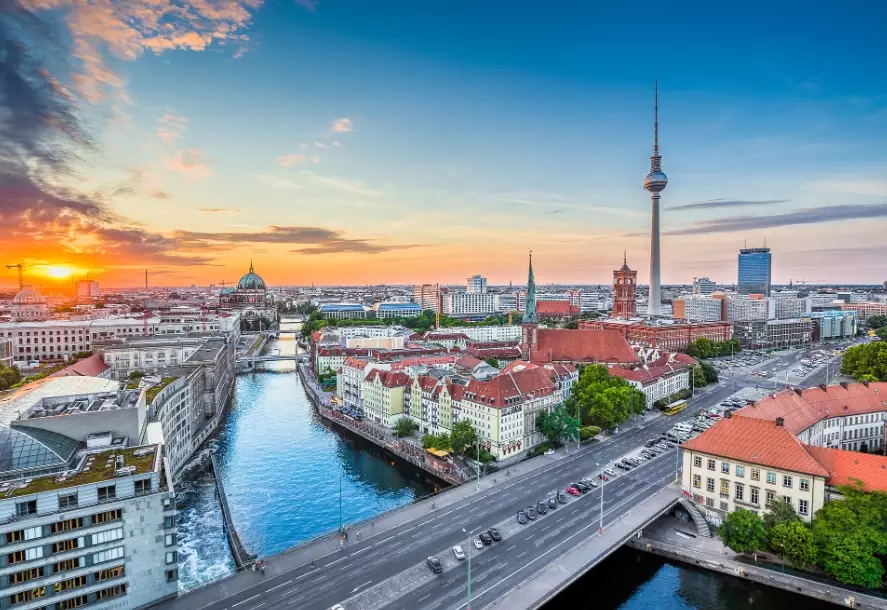
The Budget Winner's Circle: January, February, and early March are consistently the cheapest. November (post-Christmas market setup) and late October can also offer fantastic deals. I once booked a direct flight from London to Berlin in late February for €35 and stayed in a great Mitte apartment for €65 a night. That same place costs €180 in July.
Shoulder seasons (April-May, September-October) are a fantastic middle ground. You'll pay more than deep winter, but less than peak summer. The weather is more cooperative, and you get the added bonus of spring blooms or autumn colors in parks like Tiergarten. It's the value-for-money play.
Beyond the Obvious: The Real Cost Breakdown
Let's get specific. What actually gets cheaper?
Transportation: Flights and Local Transit
Flight aggregators are your friend. Use them to track prices into both Berlin Brandenburg (BER) and, occasionally, smaller airports. A pro tip: look for flights mid-week (Tuesday, Wednesday). The savings can be significant. Once in Berlin, the Berlin WelcomeCard is often touted, but do the math. If you're staying 3 days and planning to visit 2-3 ticketed museums, the card that includes museum island can save you money and time (skip-the-line privileges). If you're mostly hitting free attractions, just get the basic AB zone 7-day ticket (€41 as of now) for unlimited U-Bahn, S-Bahn, tram, and bus travel. It's a steal for how much you'll use it.
Accommodation: Where to Stay for Less
The hostel scene in Berlin is world-class. But beyond that, winter unlocks deals in neighborhoods that are pricier in summer. Look at Friedrichshain, Kreuzberg, Neukölln, or Prenzlauer Berg. Don't be afraid to stay a few U-Bahn stops from Alexanderplatz. A 15-minute train ride can slash your accommodation cost in half. I'm a fan of small pensions or guesthouses (Pensionen) over big chain hotels for better value and local character.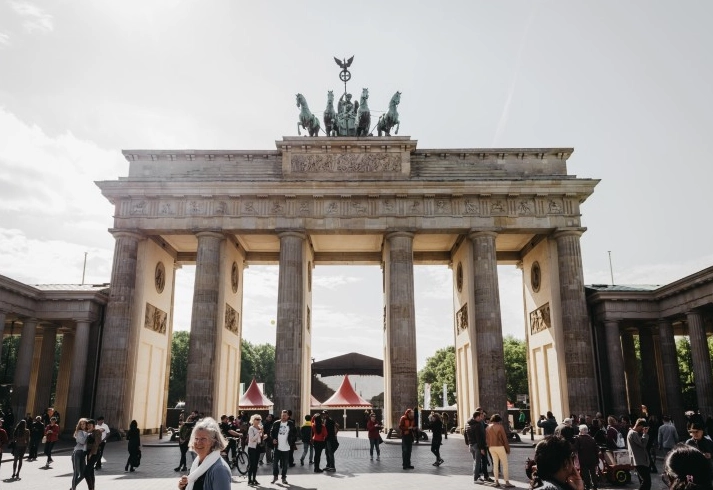
Food & Drink: Eating Like a Local
Berlin's food scene is a budget traveler's dream, year-round. But in winter, embrace the street food and markets. A currywurst or a döner kebab (€4-€6) is a full meal. Supermarkets like Aldi, Lidl, or Rewe are perfect for picnic lunches. For a sit-down meal, look for the "Tagesgericht" (dish of the day) at traditional German restaurants—it's always the best deal. And in winter, you have the Christmas Markets (Weihnachtsmärkte) from late November until December 24th. While not ultra-cheap, a Glühwein (mulled wine, €3-€5) and a Bratwurst is an experience and a meal for under €10.
Attractions & Entertainment
This is where Berlin shines for the budget-conscious. Many top attractions are permanently free:
- The Reichstag Dome: Requires online registration, but free. The view is stunning, especially on a crisp winter day.
- Topography of Terror & Berlin Wall Memorial: Powerful, educational, and free.
- East Side Gallery: The open-air gallery on a remaining stretch of the Wall.
- Vibrant Street Art: Whole neighborhoods are canvases. Just walk around Kreuzberg.
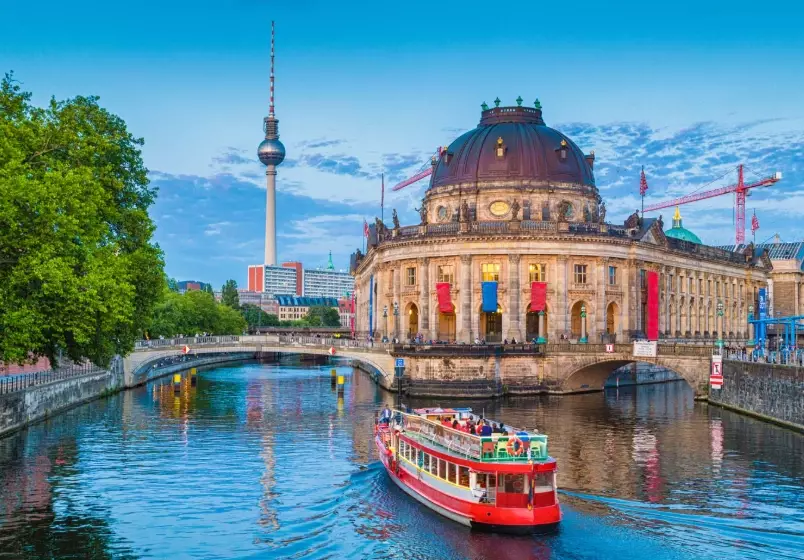
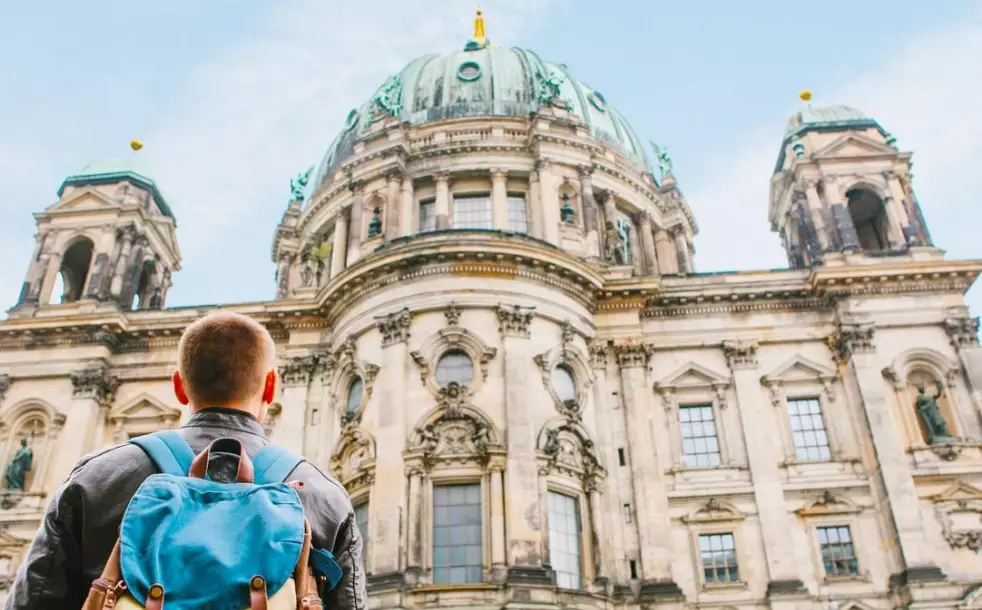
Many state museums, including those on Museum Island, offer reduced admission on certain days (often the first Sunday of the month) or have evening tickets for €6-€8. Check the official Staatliche Museen zu Berlin website.
Your Winter Berlin Budget Itinerary: A 3-Day Plan
Here’s a realistic, budget-focused plan for a winter visit. It balances indoor and outdoor time.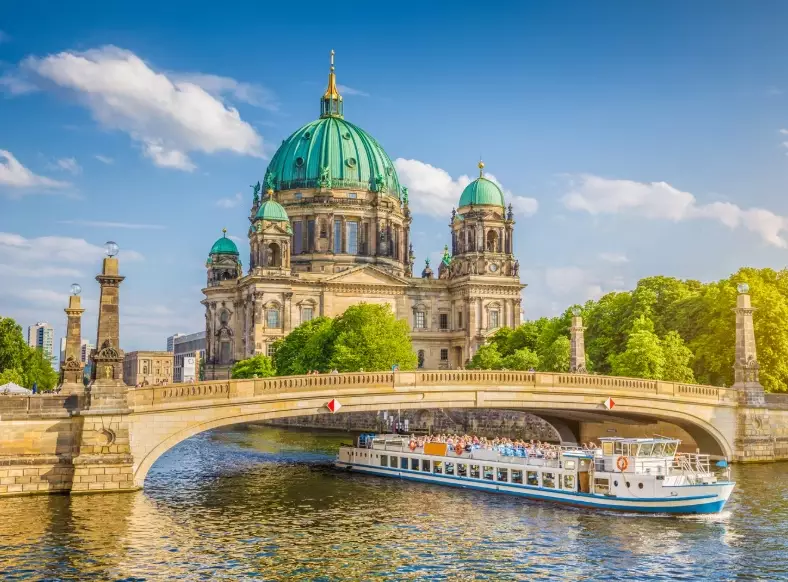
| Day | Morning | Afternoon | Evening | Estimated Cost (Excl. Accom.) |
|---|---|---|---|---|
| Day 1: History & Mitte | Free visit to the Reichstag Dome (booked in advance). Walk to Brandenburg Gate. | Visit the free Holocaust Memorial. Walk to Checkpoint Charlie (free to see, museums cost). Warm up with coffee. | Dinner at a casual restaurant in Hackescher Markt area. Look for a Tagesgericht. | €15-€25 (Food & Transit) |
| Day 2: Art & East Berlin | Explore the East Side Gallery (free). Take the S-Bahn to Warschauer Straße. | Walk through Friedrichshain. Visit a museum (e.g., DDR Museum €12 or use a discount day). | Street food dinner in Kreuzberg (Mustafa's Gemüse Kebap or a falafel shop). Explore Oranienstraße bars. | €20-€35 (Food, 1 Museum, Transit) |
| Day 3: Culture & Parks | Visit Museum Island (pick ONE, e.g., Pergamonmuseum €19, or go on a discount day). | Walk through the free Berlin Wall Memorial. Stroll in Tiergarten (winter walk). | Visit a Christmas Market (seasonal) or a cozy pub (Kneipe) in Prenzlauer Berg. | €25-€45 (Food, 1 Museum, Market Drinks) |
Are There Any Downsides to Visiting Berlin in Winter?
Yes, and it's dishonest not to mention them. The biggest is the weather. It can be gray, damp, and cold. Daylight is short (sunset around 4 PM in December). Some outdoor experiences, like lounging by the Spree or the beer gardens, are off the table.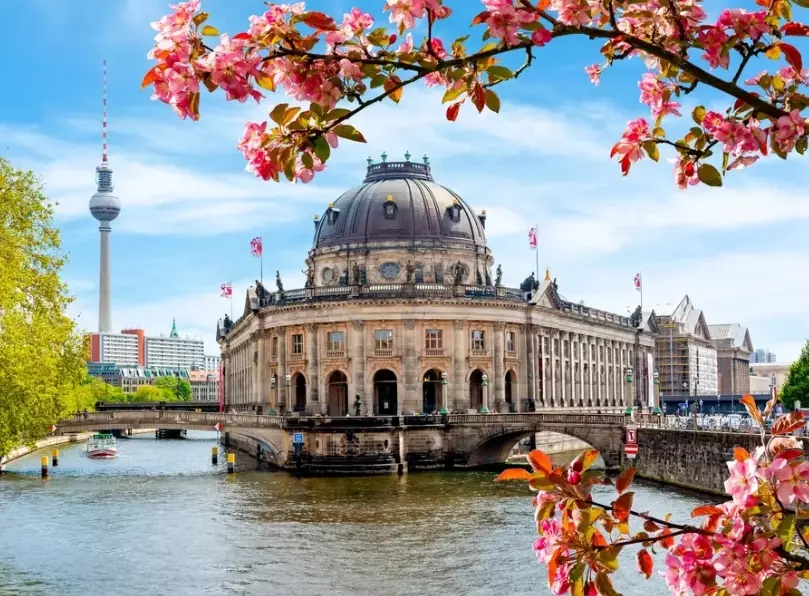
The weather trade-off is real. You're trading sunshine for savings. Pack good shoes, a warm coat, and layers. The upside? Museums and cafes feel cozier, and you get to experience the unique, melancholic beauty of Berlin in winter—it suits the city's history.
Also, some smaller attractions or boat tours may have reduced hours or be closed. Always check opening times in advance for your must-see spots.