Living in or visiting Hamburg gives you this incredible privilege: you're at the doorstep of another country. Denmark. For years, I've been hopping across the border for quick fixes of Scandinavian architecture, seaside air, and pastries that are just... better. A day trip from Hamburg to Denmark isn't just a fantasy—it's a very doable, utterly rewarding adventure.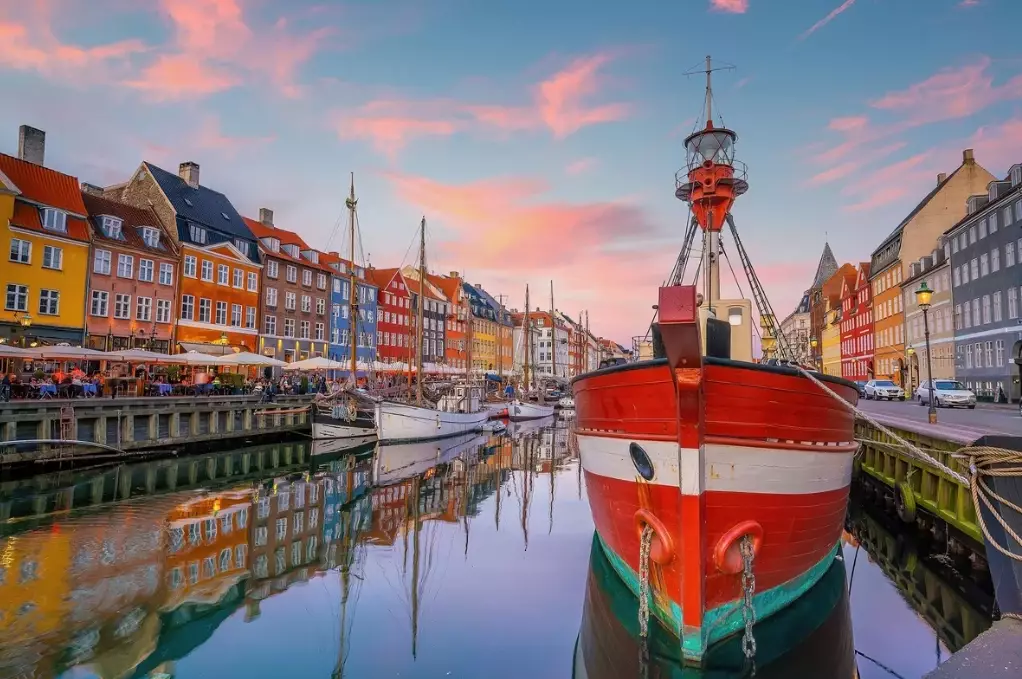
But here's the thing most generic guides don't tell you: not all Danish destinations are created equal for a day trip. Some are logistical nightmares that leave you spending more time on a train than in a café. After a decade of trial and error (including one memorable trip where I underestimated border traffic by two hours), I've narrowed it down to three standout destinations that actually work.
Your Quick Trip Planner
Copenhagen Express: The Capital in a Day
Let's start with the big one. Can you really do Copenhagen justice in a day from Hamburg? The short answer is no. The longer, more practical answer is you can have an absolutely brilliant, whirlwind introduction that will make you book a longer return trip.
The journey is half the experience. Your best friend is the EuroCity (EC) train operated by Deutsche Bahn (DB) and Danske Statsbaner (DSB). There are direct connections in the morning, taking roughly 4 hours and 30 minutes. Book in advance on the DB website or app, and you can snag a Sparpreis ticket for as low as €29.90 one-way. A flexible fare is around €70-90.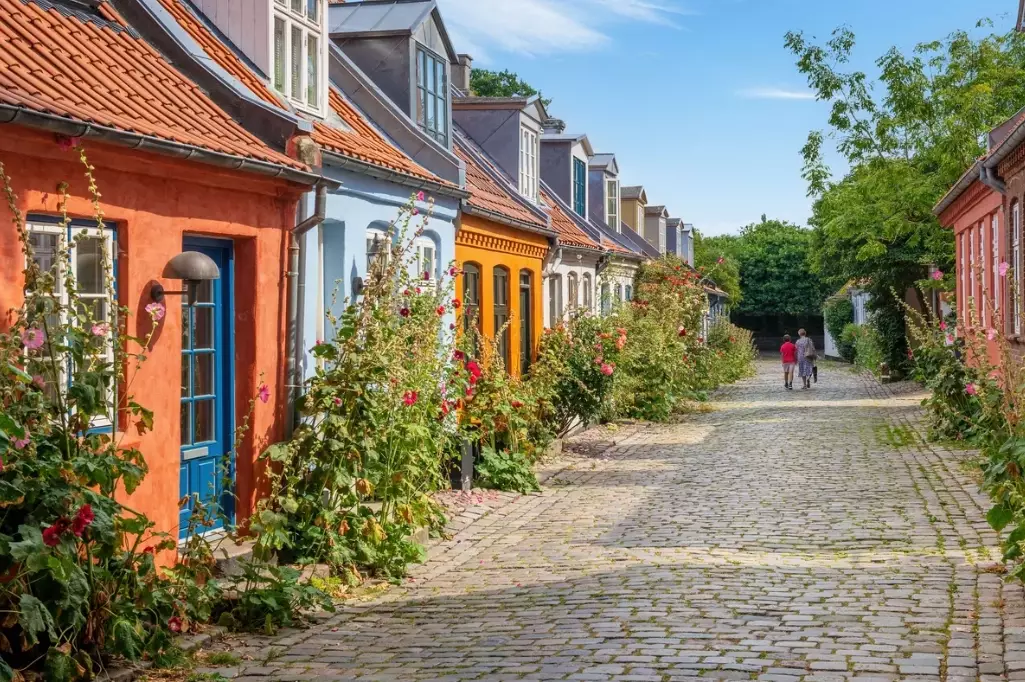
Pro Tip: The Train vs. Car Debate
For Copenhagen, the train wins. Driving takes a similar time (4-4.5 hrs) but adds stress with city parking (expensive and scarce) and tolls on the Storebælt and Øresund bridges. On the train, you can work, nap, or just watch the North German and Danish countryside roll by. It feels like the trip starts the moment you board.
The Copenhagen One-Day Game Plan
You'll arrive at København H (Central Station). From here, you need focus. Ditch the idea of seeing "everything." Pick a vibe.
The Classic Copenhagen Circuit: Walk from the station to the picturesque canal of Nyhavn (20 mins). Snap your photos. Then, follow the waterfront to see the Little Mermaid. It's small, often crowded, but it's a rite of passage. From there, walk back through the Kastellet fortress for a green pause. Grab lunch in the inner city (Indre By). I'm partial to the smørrebrød at Restaurant Schønnemann (Hauser Plads 16, closed Sundays) – book ahead or prepare to queue.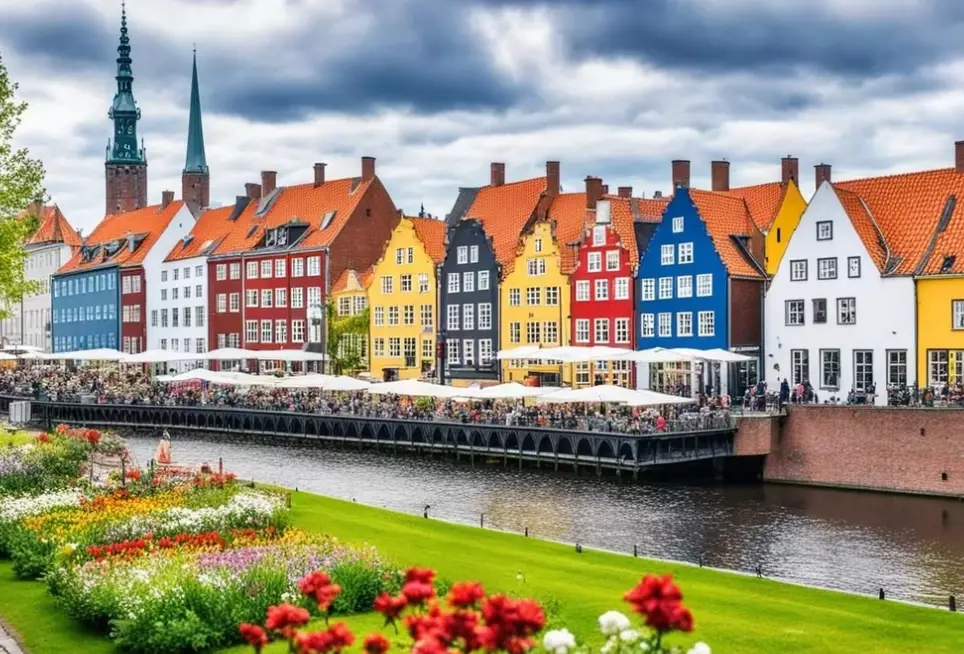
The Alternative & Foodie Route: From the station, head straight to Torvehallerne market (Frederiksborggade 21) for a feast of Danish produce, seafood, and coffee. Then, dive into the hip Nørrebro district for unique shops and a relaxed vibe. End your day at the iconic Tivoli Gardens (Vesterbrogade 3). Yes, it's a theme park, but it's also a stunning 19th-century pleasure garden. Entry is 155 DKK (~€21). Even if you don't ride anything, wandering the lit-up gardens at dusk is magical.
| Time | Activity | Notes |
|---|---|---|
| 06:00 - 10:30 | Train from Hamburg Hbf to København H | Buy breakfast at the station beforehand. |
| 10:30 - 12:30 | Nyhavn & Little Mermaid walk | Best light for photos in the morning. |
| 12:30 - 14:00 | Lunch (Smørrebrød or market food) | Schønnemann or Torvehallerne. |
| 14:00 - 17:00 | Choose: City exploration or Nørrebro | Visit a museum like Ny Carlsberg Glyptotek if it rains. |
| 17:00 - 19:30 | Tivoli Gardens or last shopping | Tivoli is a perfect, contained evening activity. |
| 20:00 - 00:30 | Train back to Hamburg | Last direct trains usually depart around 20:00-21:00. |
Skagen: Where Two Seas Collide
If Copenhagen is about urban energy, Skagen is about raw, elemental nature. This is Denmark's northernmost tip, where the Skagerrak and Kattegat seas meet at a dramatic sand spit called Grenen. The light here is famous, having attracted artists for centuries.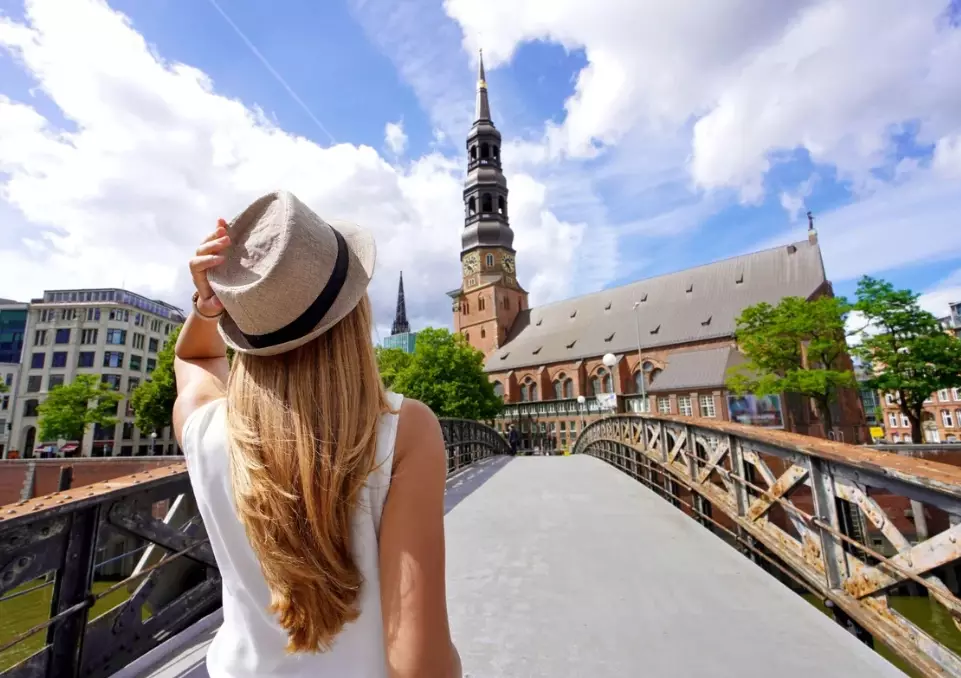
This trip only works with a car. Public transport involves multiple trains and buses, pushing travel time over 6 hours one-way. By car, it's a 4 to 4.5-hour drive from Hamburg. Take the A7 north, cross the border at Frøslev/Ellund, and continue on the E45. The drive across Jutland is part of the appeal—flat, expansive landscapes.
What to do in Skagen? It's blissfully simple.
First, go to Grenen. Park at the lot (fee applies) and walk about 15-20 minutes along the beach to the very tip. You can see (and feel) the waves from the two seas colliding. It's windy. Always. The Skagen's Vippefyr, a historical lever-operated lighthouse, is a cute photo stop nearby.
Next, visit the Skagen Museum (Sankt Laurentii Vej 2). It houses the largest collection of works by the "Skagen Painters," who captured that unique light. Entry is 130 DKK (~€17). Then, wander the old town with its distinctive yellow houses with red roofs. For lunch, try fresh fish at a simple harbor-side shack like Brøndums Hotel Restaurant (Anchersvej 3) for a more traditional, if pricier, meal.
You won't rush. You'll breathe. That's the point.
Ribe: Step into Viking History
Ribe is Denmark's oldest town, founded in the early 8th century. It feels like a living museum, but without the tackiness. The entire compact center is a preserved maze of cobblestone streets and crooked half-timbered houses.
It's the closest of the three destinations, about a 3-hour drive from Hamburg via the A7/A23/E45. Again, driving is strongly recommended. You could technically take a train to Bramming and then a local bus, but you'd lose too much precious time.
Park near the Ribe Cathedral (the dominant landmark) and just start walking. Climb the Cathedral Tower (40 DKK) for a panoramic view over the red roofs to the Wadden Sea marshes. The Ribe VikingeCenter (Lustrupvej 4) is a short drive or pleasant 30-minute walk from the center. This isn't just a museum; it's a reconstructed Viking-age market town with active role-players. You can try archery, watch craftsmen, or smell the smoke from the longhouses. It's immersive and fantastic for all ages. Entry is 150 DKK (~€20).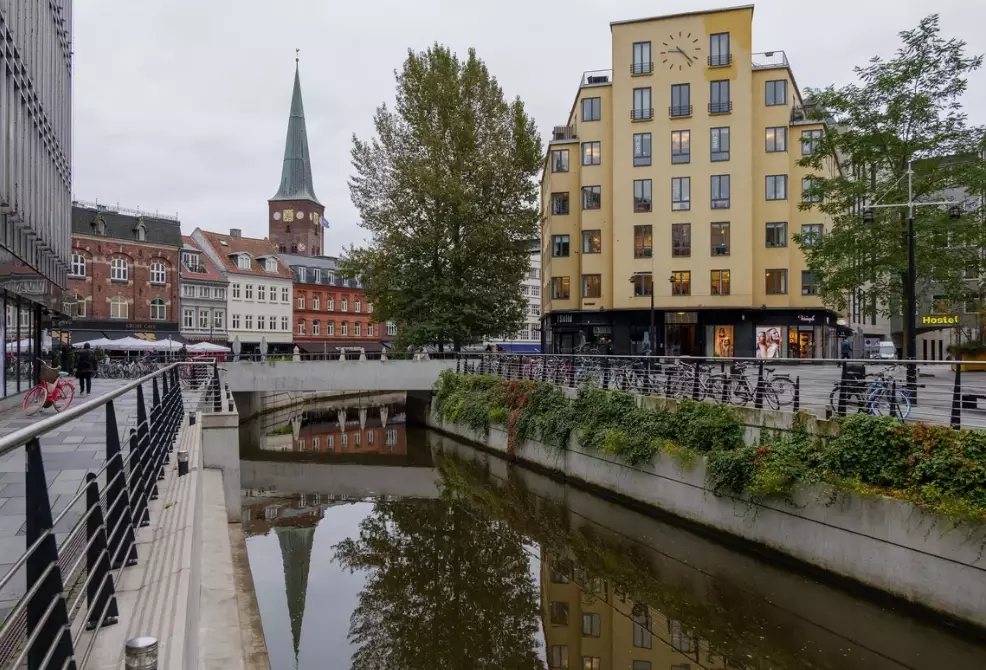
Back in town, visit the Ribe Kunstmuseum if you like Danish art, or simply find a café on the main square (Torvet). For dinner before the drive back, Weis Stue (Torvet 2) is a historic, cozy inn serving solid Danish fare.
Ribe offers a deep historical dive without the overwhelming scale of a capital city. It's manageable, authentic, and deeply charming.
The Logistics: Transport, Borders & Money
This is where most day trips fail. The idea is sexy; the execution trips people up.
Border Formalities: Denmark is in the EU's Schengen Area, so there are no permanent passport controls. However, the German Federal Police (Bundespolizei) conduct random spot checks on trains and at roads near the border. I've been checked twice on the Hamburg-Copenhagen train. Always carry a valid passport or national ID card. A driver's license is often not accepted. Not having it is the quickest way to end your trip before it starts.
Money: Denmark uses the Danish Krone (DKK). While many places, especially in Copenhagen, accept credit/debit cards (Visa/Mastercard are ubiquitous), it's wise to have some cash. Smaller shops, market stalls, or public toilets might require it. Withdraw a couple hundred DKK from an ATM. Some tourist spots may accept Euros, but the exchange rate will be terrible.
Connectivity: Your EU mobile roaming should work without extra charges. Just confirm with your provider. Download offline maps (Google Maps or Maps.me) for the driving routes, just in case.
Time: Denmark is in the same time zone (CET/CEST) as Germany. No change needed.
Your Questions, Answered (The Real Stuff)
Is a day trip from Hamburg to Copenhagen realistically possible, and is it worth it?
Yes, it's absolutely possible and can be a fantastic experience if planned tightly. The direct EC train takes about 4.5 hours one-way. You'll have roughly 7-8 hours in the city. Focus on a compact area like Indre By (City Center) and Nyhavn. It's worth it for a thrilling taste of Copenhagen, but it's a long travel day. For a more relaxed pace, consider an overnight stay.
What is the single biggest mistake people make on a Hamburg to Denmark day trip regarding border control?
Assuming there's no border control because of Schengen. While routine checks are rare, random spot checks by the German Federal Police (Bundespolizei) on trains and at roads near the border do happen. The biggest mistake is not carrying a valid passport or national ID card. A driver's license is often not sufficient. Getting turned back at the border would ruin your day.
For a day trip to Skagen or Ribe, is it better to drive or use public transport from Hamburg?
Driving is almost always the better choice for these destinations. Public transport connections to Skagen or Ribe from Hamburg involve multiple train changes and can take 6+ hours one-way, leaving almost no time to explore. Driving to Skagen takes about 4-4.5 hours and to Ribe about 3 hours, giving you a realistic 5-6 hours on the ground. It offers flexibility to stop along the way, like at the Wadden Sea National Park near Ribe.
Do I need Danish Krone (DKK) for a day trip, or can I use Euros/Cards?
You can largely operate on cards (Visa/Mastercard are widely accepted). Contactless payments are the norm in Denmark, even for small purchases at hot dog stands. Some smaller shops or market stalls in places like Skagen's old town might prefer cash. While a few tourist spots may accept Euros, the exchange rate will be poor. It's wise to withdraw a small amount of DKK (200-300) from an ATM for incidentals, but rely on your card for the majority of spending.
 So, there you have it. Three distinct flavors of Denmark, all within a (long) day's reach from Hamburg. Whether you crave metropolitan buzz, coastal drama, or medieval whispers, the choice is yours. Just remember your passport, book that train early, and embrace the adventure of crossing a border for lunch. It never gets old.