Quick Navigation
Let's talk about Hamburg. You've probably heard it's Germany's gateway to the world, all ships and containers. I thought that too before I went. But honestly, that's like saying a library is just a room with books. My first trip there was a bit of a shock—in a good way. I expected gray industrial vibes, and instead, I found a city with more canals than Venice, a warehouse district that looks like a fairy tale, and parks where people actually seem happy to be outside. It's got this weird, wonderful energy that's hard to pin down. It's maritime, sure, but it's also incredibly green, surprisingly musical, and has a food scene that goes way beyond fish sandwiches.
This guide is my attempt to save you from the generic top-10 lists. We're going to dig into what makes a Hamburg travel experience actually memorable. The stuff you should book ahead, the spots you can wander into, and the things that might disappoint you (because let's be honest, not every landmark is worth the hype). Whether you're planning a weekend getaway or a deeper dive, consider this your personal, slightly opinionated handbook.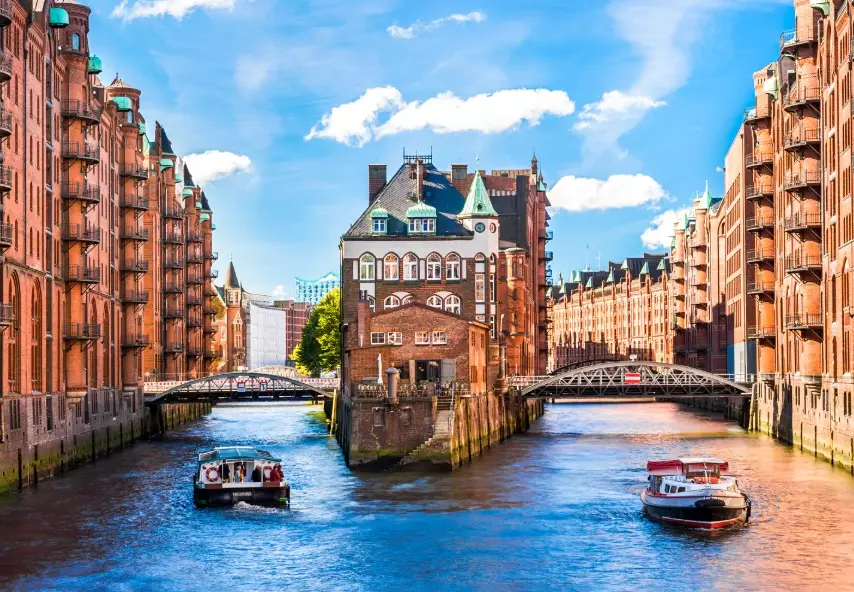
Before You Go: The Not-So-Boring Essentials
Jumping straight to the fun stuff is tempting, but a bit of prep makes everything smoother. Hamburg isn't a chaotic city, but knowing a few basics changes the game.
When to Visit Hamburg? It Depends on Your Mood
This is the first big question for any Hamburg travel plan. There's no single "best" time—it's about what you want.
- Late Spring to Early Autumn (May - September): This is peak season for a reason. The days are long, the outdoor cafes are buzzing, and the parks are in full glory. You can take harbor boat tours without freezing. The downside? Everyone else has the same idea. Prices for hotels spike, especially around major events. If you come in summer, book everything well in advance.
- Shoulder Seasons (April & October): My personal favorite. You might get a mix of sun and rain, but the crowds thin out. The city feels more local. April brings fresh greenery, and October has that crisp, atmospheric feel perfect for exploring the brick architecture of the Speicherstadt with a hot drink in hand.
- Winter (November - February): Don't write it off. Yes, it's cold and dark by 4:30 PM. But Hamburg does Christmas markets incredibly well. The one at the Rathausmarkt is stunning, and the whole city gets a cozy, festive glow. It's a different, more intimate kind of Hamburg travel experience. Just pack a very warm coat.
I made the mistake of visiting in August once without booking a popular harbor tour. Sold out for three days. Lesson learned.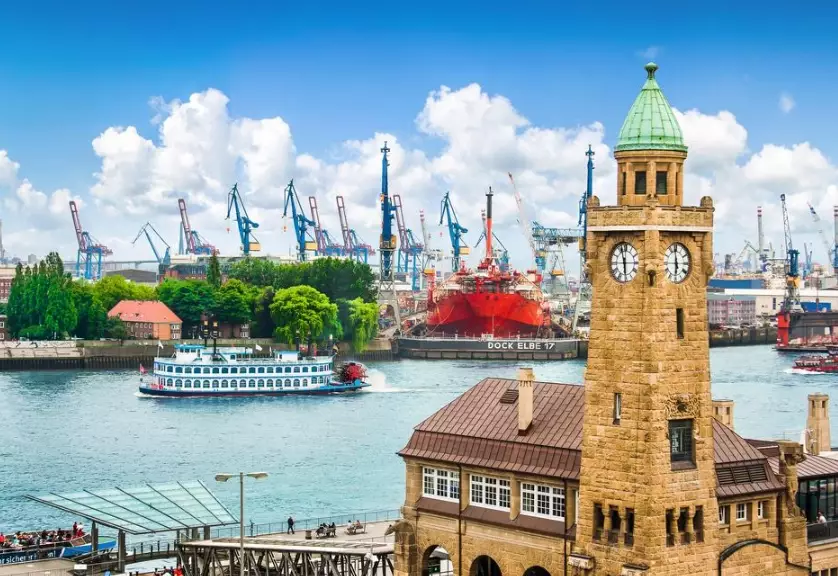
Getting There and Getting Around
Hamburg Airport (HAM) is well-connected, but also check train times. The central station (Hauptbahnhof) is a major rail hub, and arriving by train right into the heart of the city is surprisingly pleasant.
Now, getting around. Hamburg's public transport system (HVV) is excellent and puts many other cities to shame. The U-Bahn (subway), S-Bahn (suburban train), buses, and ferries are all on one integrated ticket system.
And don't overlook the ferries! Lines like 62 (from Landungsbrücken) and 72 are part of the public transport network. For the price of a regular bus ticket, you get a stunning tour of the harbor and see the Elbphilharmonie from the water. It's the cheapest and one of the best harbor cruises you can get.
Walking is also a joy in many districts. The city is mostly flat, and neighborhoods like Altstadt, Neustadt, and St. Pauli are best explored on foot to catch the details.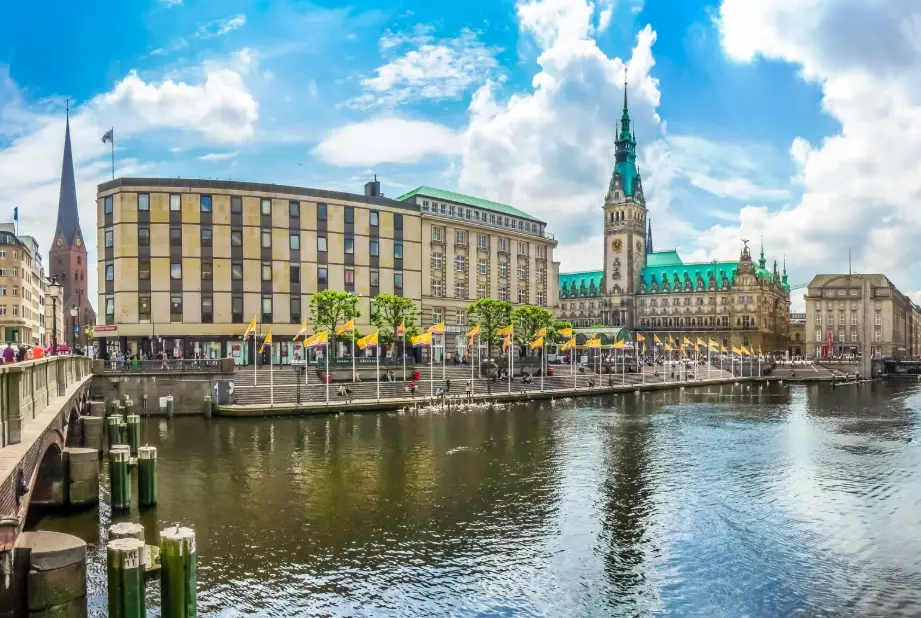
Where to Stay in Hamburg: Neighborhood Vibes
Picking the right area is crucial. Hamburg isn't a monolith; each district has its own personality.
| Neighborhood | Best For | Vibe & Notes |
|---|---|---|
| Altstadt & Neustadt | First-time visitors, sightseers | Heart of the city. Home to the Town Hall, Binnenalster lake, and shopping streets. Very central, but can be touristy and pricey. You're in the middle of everything. |
| St. Pauli & Reeperbahn | Nightlife, music fans, the curious | Famous for its nightlife and the Beatles' history. Much more than just the red-light district. Lively, gritty, and full of character. Can be noisy at night. |
| Sternschanze & Karolinenviertel | Foodies, hipsters, alternative culture | The cool, grungy, creative hub. Packed with independent boutiques, vinyl stores, street art, and some of the city's best cafes and casual eateries. My top pick for a unique stay. |
| HafenCity & Speicherstadt | Modern architecture, luxury | Where the old warehouses meet stunning new builds like the Elbphilharmonie. Feels sleek and modern. Amazing views, but can feel a bit sterile and is further from other attractions. |
| Altona & Ottensen | Local life, families, weekend markets | A formerly independent town, now a relaxed, bourgeois district. Great food market (Altonaer Fischmarkt), lovely streets to wander, and a more residential feel. Excellent connections to the city center. |
On my last trip, I stayed in Sternschanze. Waking up and walking to a different independent coffee roaster each morning was a highlight. It felt like I was living there, not just visiting.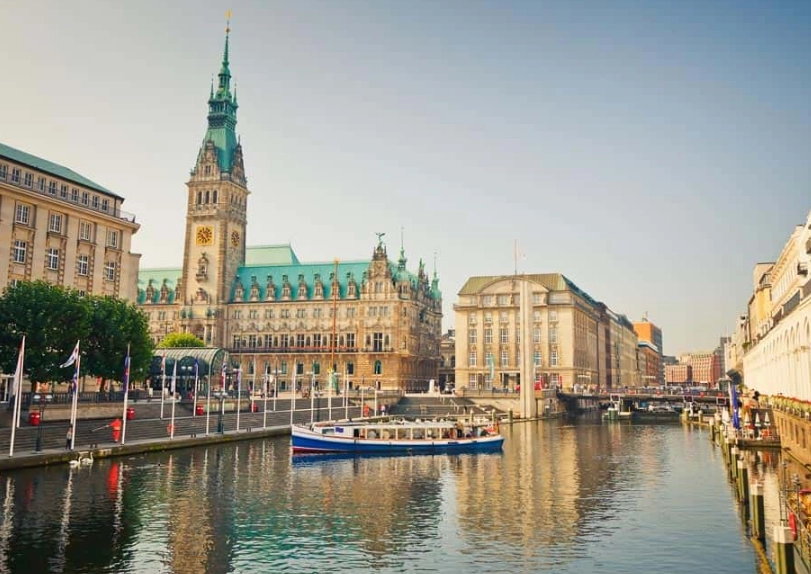
The Heart of the Matter: What to Actually Do in Hamburg
Okay, let's get to the sights. But we're not just listing them. We're going to talk about how to experience them, and when to maybe skip them for something better.
The Harbor & Speicherstadt: The Iconic Duo
You can't talk about Hamburg travel without starting here. This is the city's soul.
The Port (Hafen): It's massive. The best way to grasp its scale is from the water. As mentioned, the public ferries are a steal. For a more detailed, narrated tour, the traditional tour boats from Landungsbrücken piers are the standard. They're good, if a bit scripted. Look for operators that are part of the official Hamburg tourism partnership for reliable service.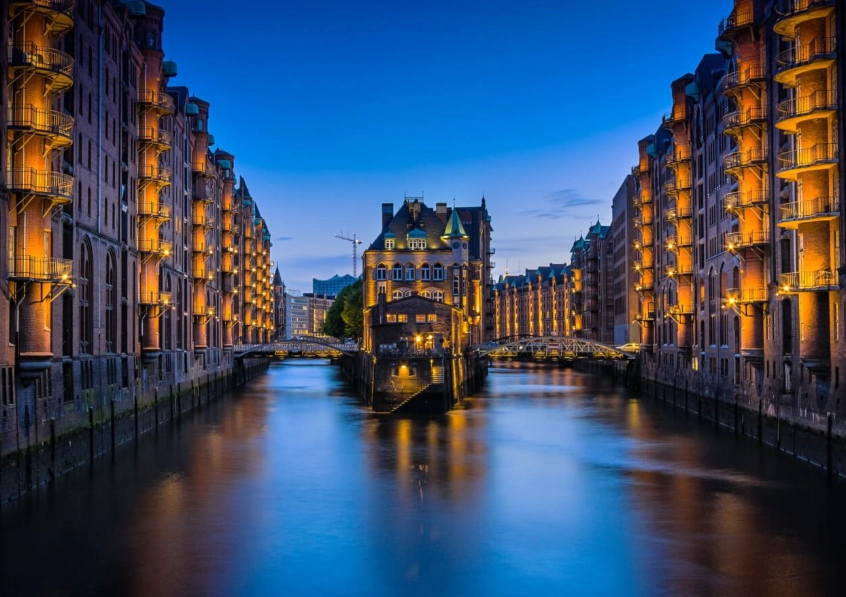
Speicherstadt: This is the world's largest contiguous warehouse complex, built on oak logs. The red-brick Gothic architecture is breathtaking, especially at dusk or when it's foggy. It feels like stepping into a different century. Wandering its bridges and canals is a must. Inside, it's now home to museums, offices, and cafes.
Miniatur Wunderland: Located in the Speicherstadt, this is the world's largest model railway. I was skeptical. "A model train exhibit? Really?" I went because everyone insisted. And... they were right. It's astonishing. The detail, the humor, the scale—it's an engineering and artistic marvel. Book your ticket online weeks in advance, especially for weekends. It's not just for kids; it's for anyone who appreciates creativity.
Elbphilharmonie: Hamburg's glittering new landmark. Even if you don't see a concert, you must go up to the Plaza. The view over the city and port is unmatched. Tickets for the Plaza are free but need to be reserved online in advance (they release them in batches). The building itself, with its wavy glass top sitting on the old brick warehouse, is worth the trip.
Beyond the Water: Culture, Green Spaces, and Local Life
If you only stick to the harbor, you're missing half the story.
Kunstmeile (Art Mile): Hamburg punches above its weight in art. You have several major museums within walking distance. The Hamburger Kunsthalle is the big one, with art from the Middle Ages to contemporary. I found their collection of German Romantic paintings particularly moving. The Deichtorhallen host excellent contemporary photography and art exhibitions in stunning historic hall buildings.
Planten un Blomen & Stadtpark: Hamburg is green. Seriously green. Planten un Blomen, right in the city center, is a beautiful series of themed gardens. In summer, they have nightly water light concerts for free. Stadtpark, further north, is a massive local retreat with a planetarium, open-air theater, and huge lawns for barbecuing. For a proper Hamburg travel experience, grab a coffee and a book and spend an afternoon people-watching here.
St. Michael's Church ("Michel"): The city's most famous church. You can climb the tower (or take the elevator most of the way) for another fantastic 360-degree view. It's a different perspective than the Elbphi, more centered on the old city and the Alster lakes. The interior is a beautiful example of North German Baroque.
But sometimes, the best moments are unplanned. Getting lost in the side streets behind the Michel. Finding a tiny bookshop in Neustadt. Watching the sunset over the Elbe from the grassy banks at Övelgönne.
Eating & Drinking: From Fischbrötchen to Fine Dining
Hamburg's food scene is a delicious reflection of its history as a port city—hearty, maritime, and now wonderfully diverse.
The Non-Negotiables:
- Fischbrötchen: This is the iconic Hamburg snack. A crusty roll (Brötchen) with pickled herring (Matjes), raw onion, and pickles. It's simple, briny, and perfect. The best ones are from small fish stalls at the harbor, like at the Fischmarkt or Landungsbrücken. Don't be fancy about it.
- Franzbrötchen: Hamburg's answer to the cinnamon roll. A flaky, buttery pastry swirled with cinnamon and sugar, sometimes with raisins or marzipan. Every bakery has its own version. Have one with your morning coffee.
- Labskaus: This is the ultimate sailor's dish. A mash of corned beef, potatoes, beetroot, and pickled herring, topped with a fried egg and gherkins. It looks... interesting. It tastes rich, savory, and oddly comforting. Try it at a traditional restaurant like Old Commercial Room near the Michel for the full experience.

Where to Eat: For a quick, authentic bite, head to the Altonaer Fischmarkt on Sunday morning (5-9:30 AM, but go early). It's a wild, lively mix of fish stalls, fruit sellers, and noisy auctioneers. It's an event as much as a market. For a more curated food hall experience, Überseequartier in HafenCity or the Markthalle in St. Pauli are great for sampling different cuisines.
Sternschanze is the undisputed king for trendy cafes, craft beer bars (like the famous Braugasthaus Altes Mädchen), and international street food. You could eat a different cuisine every night for a week here.
Putting It All Together: Sample Hamburg Itineraries
How you structure your days depends entirely on your pace. Here are two frameworks.
The Perfect 3-Day Hamburg Travel Itinerary
Day 1: Harbor & History. Start at Landungsbrücken, feel the port energy. Take the public ferry 62 for a cheap harbor loop. Walk into the Speicherstadt, get lost in the canals. Have a Fischbrötchen for lunch. Visit Miniatur Wunderland (with your pre-booked ticket). In the late afternoon, go up to the Elbphilharmonie Plaza for the view as the city lights start to come on. Dinner in a traditional restaurant in the Altstadt for Labskaus or fresh fish.
Day 2: City Center & Culture. Morning at St. Michael's Church and its tower. Walk through the Rathausmarkt and the elegant Jungfernstieg along the Binnenalster. Choose one major museum on the Kunstmeile for the afternoon (Kunsthalle or Deichtorhallen). Relax in Planten un Blomen park. Evening in Sternschanze for dinner and drinks in its vibrant, alternative atmosphere.
Day 3: Local Vibes & Alternative Hamburg. If it's Sunday, experience the Fischmarkt at dawn (then go back to sleep!). If not, explore the Schanzenviertel and Karolinenviertel properly—boutique shopping, street art, coffee. Head west to the trendy Ottensen district for lunch. In the afternoon, take a walk along the Elbe beaches at Övelgönne or relax in the massive Stadtpark. Have a final dinner in Altona or St. Pauli.
If You Have 5 Days or More
This is where you can really dig in. Add a day trip—maybe to the charming medieval town of Lübeck (a UNESCO site, famous for marzipan) or the seaside resort of Travemünde. Dedicate a full day to exploring the Museum für Kunst und Gewerbe (Museum of Arts and Crafts) or the fascinating International Maritime Museum. Rent a bike and cycle along the Elbe River path. Explore the posh Blankenese district with its villa-lined hills and steep staircases (the "Treppenviertel").
Hamburg Travel: Your Questions Answered
A Realistic Look at Budget & Money
Let's be transparent. Hamburg is not a budget destination like some Eastern European cities, but it's not as eye-watering as Paris or London either. You can tailor it to your wallet.
- Budget: Hostel dorm (€25-40/night), street food/Fischbrötchen for meals (€5-10 each), free activities (walking tours, parks, some museum entries on certain days), public transport day pass (€6-8). You could manage on €60-80 per day excluding flights.
- Mid-Range: Private hotel/rental (€80-150/night), meals in casual sit-down restaurants (€15-25 per meal), paid attractions, some guided tours. Budget €120-200 per day.
- High-End: Boutique/luxury hotel (€200+/night), fine dining, private tours, tickets to the Elbphilharmonie concerts. Sky's the limit.
My biggest tip for saving money? Eat your big meal at lunch. Many restaurants offer a much cheaper "Mittagsmenü" (lunch menu). Have a hearty lunch, and a lighter, cheaper dinner from a market or Imbiss (snack stand).
Final Thoughts: Embracing Hamburg's Spirit
The goal of any Hamburg travel adventure shouldn't just be to tick off boxes. It's to feel the city's dual nature—the raw, salty energy of its historic port and the refined, green, creative soul of its modern self.
Don't rush. Leave time to sit by the Alster with an ice cream. Get slightly lost. Talk to a local in a Kneipe (pub). Try the food that looks strange. Hamburg reveals itself slowly, in layers. You might come for the famous harbor, but you'll likely leave remembering a quiet canal, the taste of a Franzbrötchen, or the view from a bridge in the Speicherstadt as much as anything else.
It's a city that's confident enough to be itself, without the need to constantly shout. And that's its greatest charm.