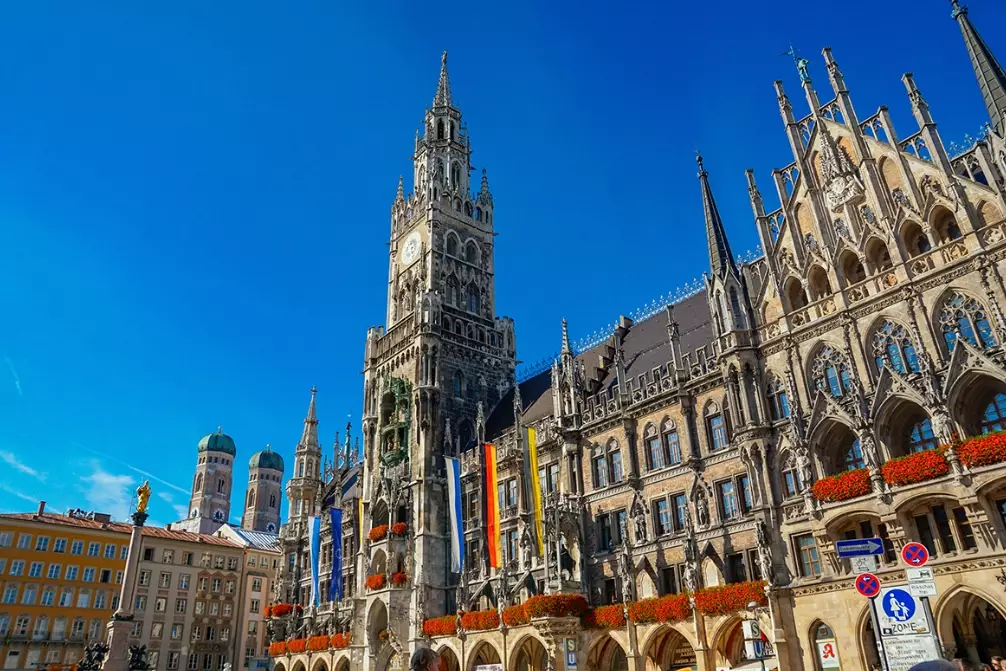
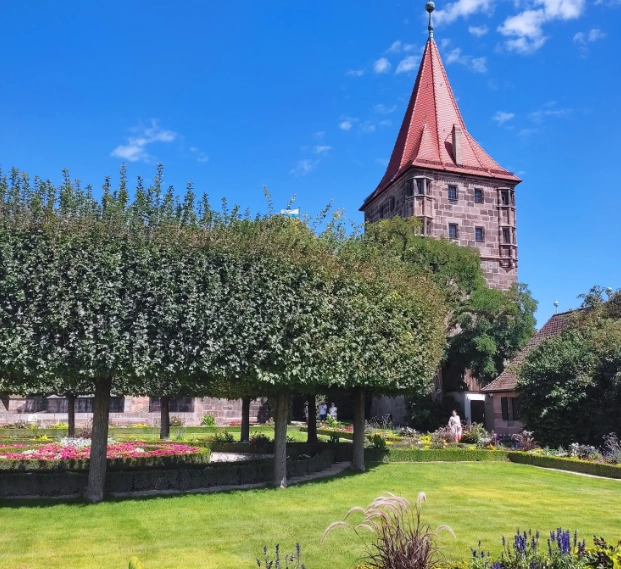
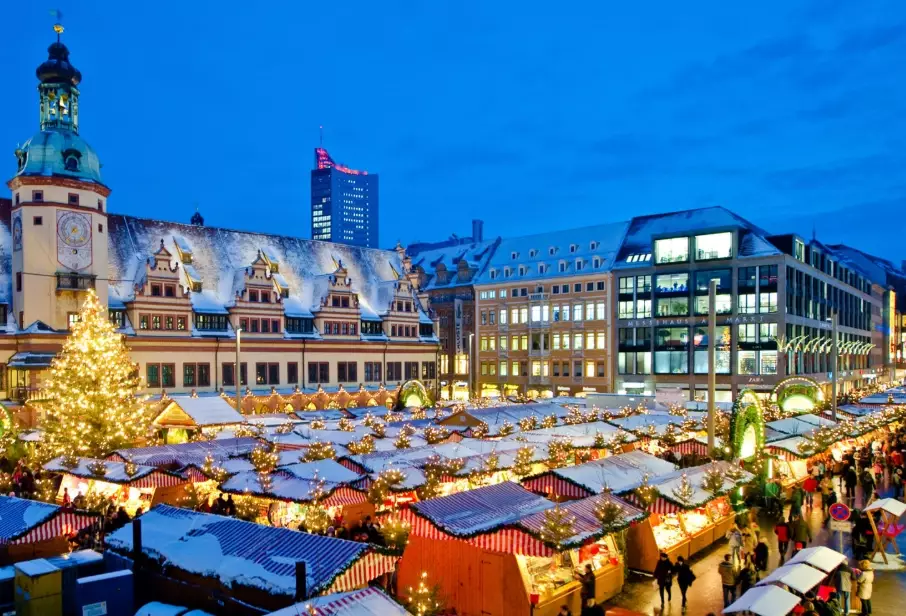
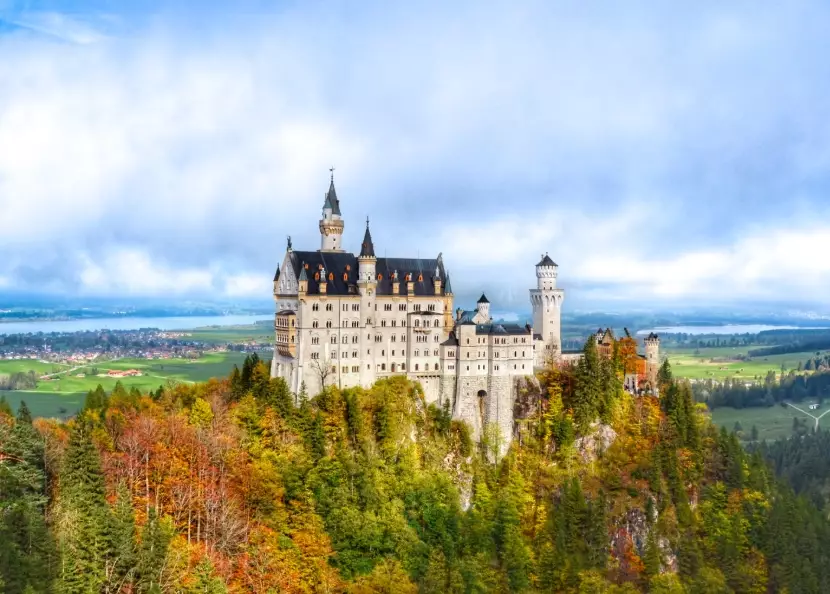
You're planning a trip to Germany and staring at a map. The Romantic Road, the Black Forest, castles along the Rhine Valley—they all look perfectly connected by those thick, inviting lines representing the Autobahn. The idea is tempting: total freedom, no train schedules, your own soundtrack. But is it a good idea to drive in Germany? The short answer is: it depends entirely on your trip, your budget, and your tolerance for unexpected challenges. Having navigated German roads for years, both as a tourist and a resident, I can tell you the postcard image often misses the gritty details of city parking and diesel price shocks.
Your Roadmap to This Guide
Why You Might Want to Drive in Germany
Let's start with the good stuff, because under the right conditions, driving here is fantastic.
Unmatched Freedom and Flexibility. This is the big one. You decide when to leave, when to stop for that perfect photo of a half-timbered village, and you can pack as much as your trunk allows. Exploring regions with sparse public transport, like parts of the Moselle Valley or the Bavarian Forest, becomes not just possible, but enjoyable.
Access to the True German Countryside. Trains connect cities brilliantly. Buses reach towns. But to get to that secluded hiking trailhead, that family-run vineyard off the main road, or that charming Gasthof (inn) perched on a hill, a car is usually the only way. Your itinerary stops being a list of train stations and becomes a fluid journey through landscapes.
The Autobahn Experience (It's Not What You Think). Yes, sections have no mandated speed limit. But the common misconception is that it's a lawless racetrack. It's arguably one of the world's most disciplined highway systems. The right lane is for trucks and slower traffic. The left lane is strictly for passing. You flash your lights once to indicate you're approaching fast from behind; you don't tailgate. Driving on it is efficient and, when traffic is light, exhilarating. But remember, nearly 30% of it has permanent speed limits, and another large portion has variable limits based on traffic or weather.
Cost-Effectiveness for Groups. If you're traveling with three or four people, splitting the cost of a rental car, fuel, and parking can often undercut the price of four long-distance train tickets, especially if you book the car in advance. It turns a transport cost into a shared experience asset.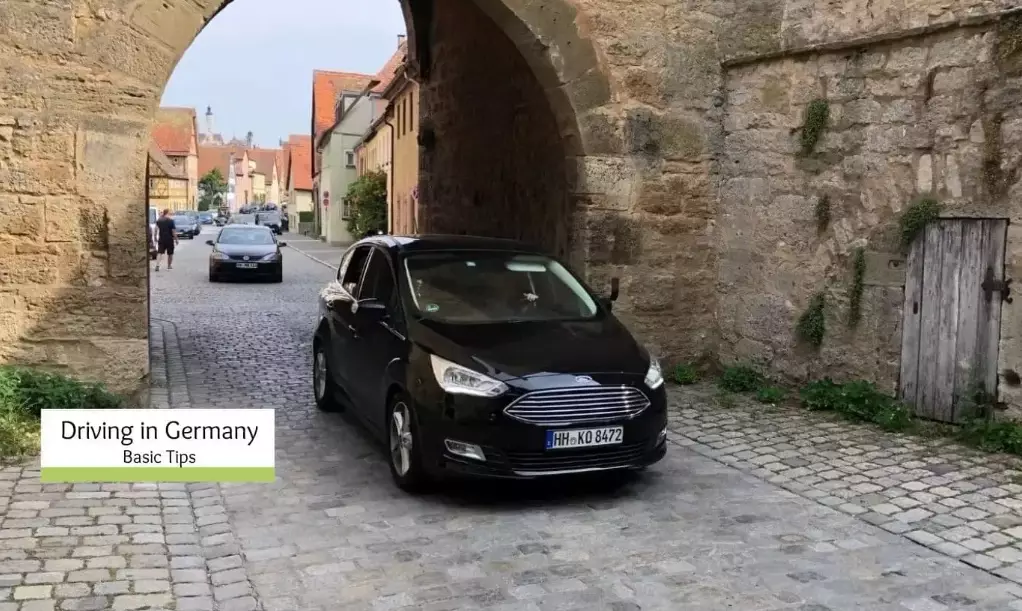
The Real Challenges of Driving in Germany
Now, the other side of the coin. Ignoring these points is where trips get stressful.
Costs Add Up Fast. The rental fee is just the entry ticket. Diesel and premium gasoline (Super E10/E5) are among the most expensive in Europe. Then there's parking—rarely free in cities. A hotel garage in Munich or Frankfurt can easily add €25-€35 per night to your bill. Many cities also require an Umweltplakette (environmental badge) to enter their low-emission zones; you can order one online before your trip, but it's another small fee and logistical step.
City Centers Are Designed to Discourage Cars. This is a crucial, often understated point. German cities prioritize trams, bikes, and pedestrians. Navigating narrow, one-way streets, deciphering complex parking sign hierarchies (can you park Tuesday from 10-12? Only with a resident permit?), and finding an affordable spot can be a nightmare. My own experience of spending 45 minutes circling blocks near Berlin's Alexanderplatz, only to pay €18 for a few hours, is a common tourist rite of passage. For your city stay, your car should ideally stay parked.
The Environmental and Ethical Choice. This isn't just a footnote anymore. Germany has a superb, reliable public transport network. For point-to-point travel between major centers, the ICE high-speed train is frequently faster than driving when you factor in traffic, parking, and stress. Choosing the train significantly reduces your carbon footprint. Many travelers now actively plan around this.
Unique Rules and Vigilance. The famous Rechts vor Links (right before left) rule at unmarked intersections catches everyone off guard. You must yield to any vehicle approaching from your right. Speed cameras are abundant. And on the Autobahn, you must form a Rettungsgasse (rescue lane) the moment traffic slows, moving all cars to the outer edges of their lanes to create a central lane for emergency vehicles—this is taken extremely seriously.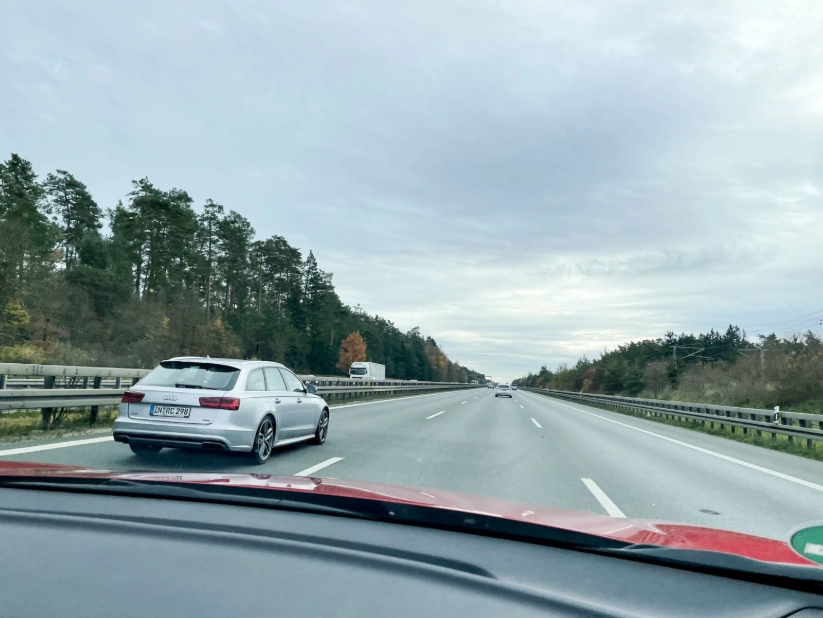
Quick Reality Check: If your trip is 80% city-based (e.g., Berlin, Hamburg, Cologne, Munich), a car is more burden than benefit. If it's 80% rural exploration (e.g., the Alps, coastal Schleswig-Holstein, the wine regions), a car is likely your best friend.
The Practical Guide: Renting, Rules, and Navigation
Okay, you've weighed it up and decided to go for it. Here's how to do it right.
Renting a Car: Getting the Best Deal
Book as far in advance as possible, especially for summer and Oktoberfest. Use comparison sites but also check the major companies directly (Sixt, Europcar, Hertz, Buchbinder). I've found sometimes the direct website has better long-term rates or specific fleet options.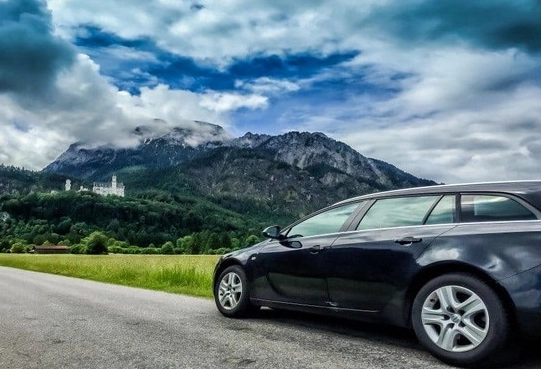
What you absolutely need:
- A valid driver's license from your home country (if it's not in Roman script, get an IDP).
- A credit card in the main driver's name for the security hold.
- Be at least 21, but under-25 surcharges are common.
Consider a smaller, fuel-efficient car. German parking spaces and garages are compact. A Ford Fiesta is more practical than a Ford Explorer.
| Rental Consideration | What to Know | Pro Tip |
|---|---|---|
| Insurance | The basic third-party liability is mandatory. Collision Damage Waiver (CDW) is highly recommended. Check if your credit card or travel insurance offers primary coverage. | Decline the rental company's extra insurance if you're covered elsewhere, but have proof ready. |
| Fuel Policy | "Full-to-full" is standard. You get a full tank, return it full. | Fill up at a station near the return depot, not at the airport, to avoid premium prices. |
| Transmission | Manual transmission is still very common and often cheaper. Automatics are available but book early. | If you're not 100% comfortable with a manual stick shift, pay extra for the automatic. Hill starts in medieval towns are no joke. |
| Tolls & Vignettes | German Autobahns have no tolls for cars. However, if you drive into Austria, Switzerland, or the Czech Republic, you'll need a separate vignette (toll sticker). | Buy these at border gas stations or online before a cross-border trip to avoid fines. |
Rules of the Road You Can't Afford to Miss
Beyond the general, here are the subtleties that locals know and visitors often miss.
Speed Limits: Unless signs say otherwise: 50 km/h in towns, 100 km/h on country roads, and 130 km/h is the recommended limit on unrestricted Autobahn sections. This 130 sign is advisory, not mandatory. But if you cause an accident while speeding, even on an unrestricted stretch, you can be found partially liable.
Right of Way: Rechts vor Links. Memorize it. At any intersection without signs or lights, the car to your right has the right of way. Trams almost always have right of way over you.
Zero Alcohol Tolerance: The limit is 0.05% BAC, but for drivers under 21 or those holding a license for less than two years, it's a strict 0.00%. Just don't drink and drive.
Winter Tires: Legally required in wintry conditions (ice, slush, snow). The rule of thumb is "von O bis O" – from October to Easter. Most rentals will come equipped in season, but confirm.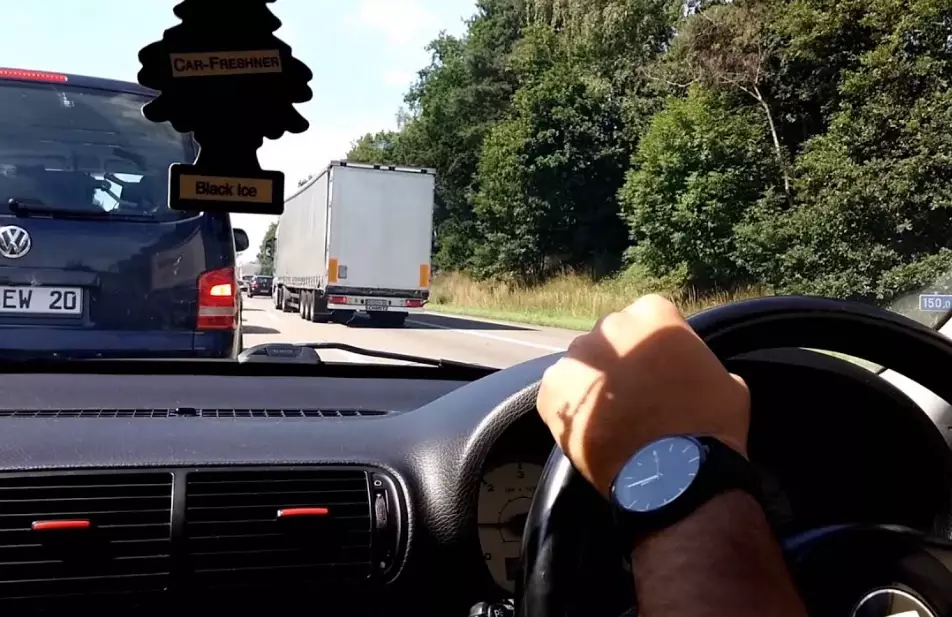
Navigation and Tools
Google Maps or Waze work excellently. They reliably show traffic jams (Stau), which are frequent. For offline use, consider downloading map regions. A pro move is to set your navigation to avoid Umweltzonen (environmental zones) if you don't have a badge, though getting the badge is simpler.
Smart Alternatives to Driving Everywhere
The smartest travel plans often mix modes of transport. This is the gold standard for balancing convenience, cost, and conscience.
The Train + Rental Car Combo. This is my preferred method. Take the train between major city hubs (e.g., fly into Frankfurt, train to Munich). Then, pick up a rental car on the outskirts of the city for your rural leg (e.g., to tour the Bavarian Alps). You avoid city driving and parking headaches and only pay for the car when you truly need it. Drop it off in a smaller town before training back to your departure city.
Leveraging Germany's Public Transport. For €49 a month, the Deutschlandticket gives you unlimited travel on all regional trains (RB, RE, S-Bahn), trams, and buses across the country. It doesn't cover long-distance IC/EC/ICE trains, but for regional exploration, it's unbeatable. You can get from Munich to Neuschwanstein Castle (Füssen) or from Hamburg to Lübeck on regional trains with this ticket.
Bike Tours and Local Guides. In wine regions like the Rhine or Moselle, consider a guided bike tour or renting an e-bike for the day. You can cover ground, enjoy the scenery, and taste wine without worrying about who's driving. Many train stations have bike rental services.
Your Driving in Germany Questions Answered
So, is it a good idea to drive in Germany? It can be one of the best travel decisions you make, unlocking a level of depth and spontaneity that rigid schedules can't match. But it's not the default best choice for every itinerary. Treat it as a strategic tool, not a necessity. Use it for the open road, not the ancient city core. Combine it with trains. Understand the costs and rules. If you do that, you'll find that driving here isn't just about getting from A to B—it's about the discovery that happens on the road between them.