Quick Guide
Let's be honest, when you first hear "Humboldt Forum Berlin," what comes to mind? Maybe a grand new museum, maybe something about Prussian history, or maybe just a confusing name for a building that looks like a giant, ornate waffle from the outside. I had the same thoughts before I finally visited last autumn. I went in with a mix of curiosity and skepticism – the place had been in the news for years, and not always for good reasons.
What I found wasn't just another museum to tick off the Berlin list. It's a sprawling, ambitious, and deeply controversial project that tries to be everything at once: a museum of world cultures, a center for art and science, a reconstructed palace, and a stage for Germany's most difficult conversations. It left me with more questions than answers, and honestly, that's probably the point. So, if you're planning a trip or just wondering what all the fuss is about, let's walk through it together. This isn't a dry history lesson; it's a practical, no-BS guide based on getting lost in its halls for a full day.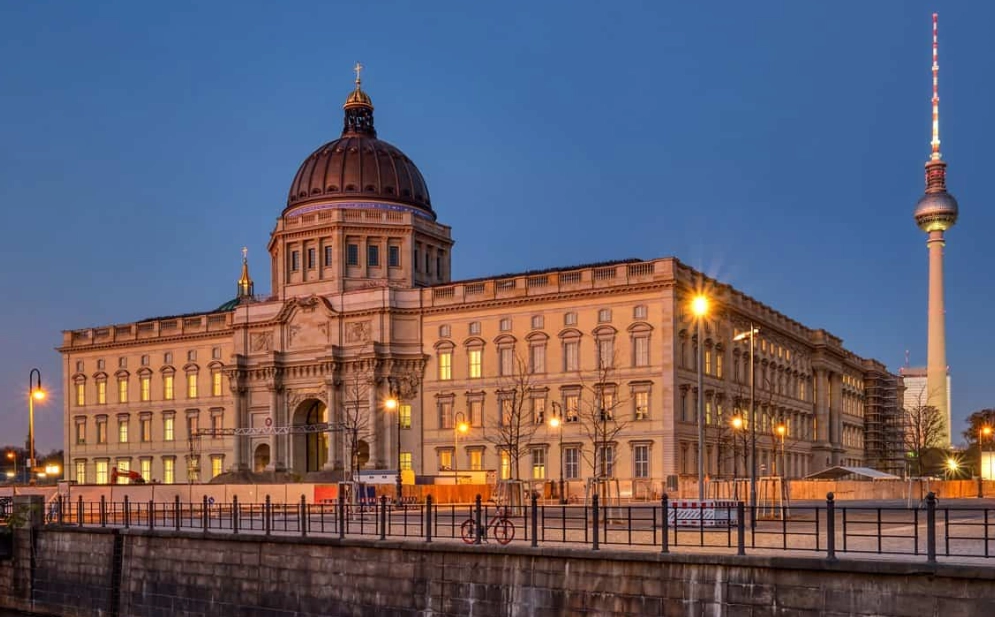
The Building and The Backstory: Why Is The Humboldt Forum So Controversial?
You can't talk about the Humboldt Forum without first understanding the ground it stands on. Literally. The location is the single most important thing about it.
A Palace, A Republic, A Palace Again?
The site was originally home to the Berlin Palace (Berliner Schloss), the residence of the Prussian kings and German emperors. Damaged in WWII, it was finally demolished by the East German government in 1950. In its place, they built the Palast der Republik (Palace of the Republic), a modernist, copper-colored building that housed the East German parliament and was a public cultural center. After reunification, it was found to be contaminated with asbestos and was demolished between 2006 and 2008.
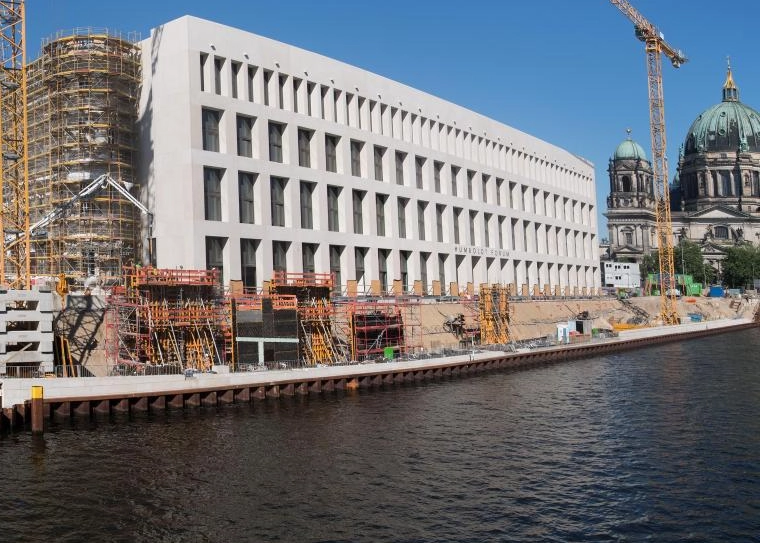
And then came the big debate: what should go here? The heart of reunified Berlin, right next to Museum Island. The decision was to reconstruct the baroque and renaissance façades of the old Berlin Palace... but only three of them. The fourth side, facing the Spree River, is a starkly modern façade by the Italian architect Franco Stella. Inside, it's a completely new, modern building. This architectural hybrid is the shell for the Humboldt Forum.
This reconstruction decision was the first major controversy. Critics saw it as an attempt to whitewash history, to rebuild a symbol of Prussian imperialism and monarchy. Supporters argued it was about restoring the historical heart of Berlin's cityscape. Walking around it, the contrast between the ornate, sculpted sandstone and the smooth, gridded modern wall is jarring. It feels like a building with an identity crisis, which is a pretty fitting metaphor for its contents.
What's Inside? A Clash of Collections
The Humboldt Forum doesn't have a collection of its own. Instead, it hosts collections from two major Berlin institutions: the Ethnological Museum and the Museum of Asian Art of the Staatliche Museen zu Berlin. These are world-class collections with artifacts from Africa, Asia, Oceania, and the Americas.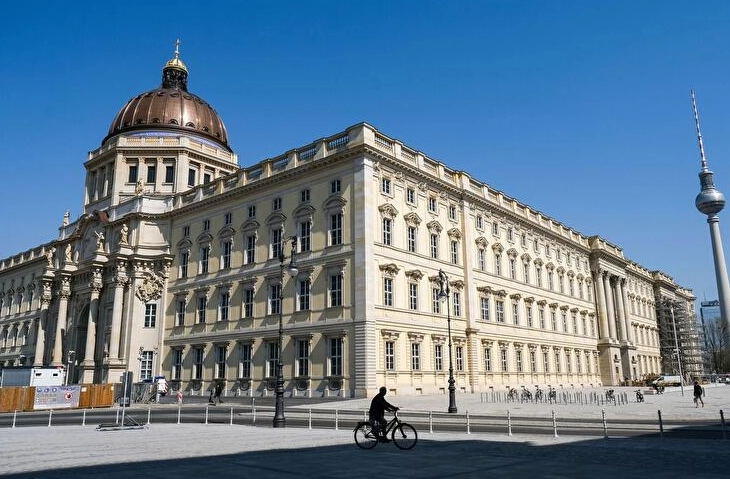
And here lies the second, and far more heated, controversy: decolonial critique. A significant portion of these artifacts were acquired during the colonial era. The most famous (or infamous) example is the Benin Bronzes from Nigeria, looted by British troops in 1897 and later traded to museums across Europe, including Berlin.
The Humboldt Forum has been forced to become the central stage for Germany's struggle with this colonial past. Protesters have called it a "palace of stolen goods." So, what are they doing about it? Well, they've had to pivot, hard. The narrative is no longer just "come see these amazing objects." It's now "come see these objects, and let's talk about how they got here, and what should happen to them." Labels are explicit about provenance. There are entire rooms dedicated to the colonial context and debates about restitution.
I spent a good hour in one of these contextual exhibitions. It was uncomfortable. It felt less like a celebration of culture and more like a public tribunal. Some displays felt defensive, others genuinely reflective. It's messy, and it's supposed to be.
Your Practical Guide to Visiting the Humboldt Forum Berlin
Okay, enough heavy history. You're probably thinking, "Should I even go? And if I do, how do I do it without wasting my time?" Let's get practical.
Tickets, Hours, and Getting There
First, the basics. Admission to the Humboldt Forum's permanent exhibitions is free. Yes, you read that right. This was a political decision to ensure public access. You only need a (free) timed ticket, which you can book online on their official website or sometimes get on-site if they're not sold out. Special temporary exhibitions usually have an admission fee.
| Ticket Type | Cost | Notes |
|---|---|---|
| Permanent Collections | FREE (timed ticket required) | Book online in advance, especially for weekends. |
| Special Exhibitions | Varies (e.g., €12-€15) | Check website for current shows and prices. |
| Dome & Rooftop Terrace | FREE | Separate (free) timed ticket needed. The best view in the house. |
| Guided Tours | €5 - €15 | Highly recommended to navigate the complex themes. |
Opening Hours: Typically 10:30 AM to 6:30 PM, closed on Tuesdays. Always double-check on their website before you go.
Location: It couldn't be more central. The address is Schlossplatz, 10178 Berlin. It's a 5-minute walk from Alexanderplatz or the Museumsinsel U-Bahn/S-Bahn stations. You literally can't miss it.
Navigating the Labyrinth: What to See First?
The Humboldt Forum is enormous. You can easily spend 4-6 hours here and not see everything. Don't try. Be strategic.
- Start at the Information Desk: Grab a map. The layout is confusing, with multiple atriums and levels.
- Pick Your Focus: Are you here for the non-European art? The Berlin history? The architecture? The controversy? Decide on one or two areas.
- My Recommended Route:
- Begin on the top floor with the rooftop terrace for orientation.
- Work your way down through the ethnological collections (2nd & 3rd floors). Pay close attention to the provenance information.
- Visit the "Berlin Global" exhibition on the 1st floor. It's an interactive, sometimes quirky look at Berlin's connections to the world—a nice counterpoint to the historical collections.
- Don't miss the cellars. They contain the original archaeological remains of the previous buildings on the site—a literal layer cake of history.
The Exhibitions: What Are the Must-Sees?
The content is always rotating, especially as restitution talks progress, but some things are core to the Humboldt Forum experience.
The Ethnological Collections
This is the heart of the matter. The displays are stunningly presented—modern, well-lit, spacious. You'll see incredible canoes from Oceania, majestic textiles, and powerful sculptures.
The section on the Kingdom of Benin is now a landmark case. Many of the bronzes have been officially restituted to Nigeria. Some are on loan back to Berlin. The labels explicitly state this process. It's a live experiment in what a "post-restitution museum" might look like, and it's fascinating to witness.
I found the South Pacific section particularly immersive. But again, the text panels constantly pull you back from pure aesthetic admiration to ethical questioning. It's a deliberate curatorial choice that won't be for everyone. Some visitors near me were visibly irritated by it; they just wanted to see "the art."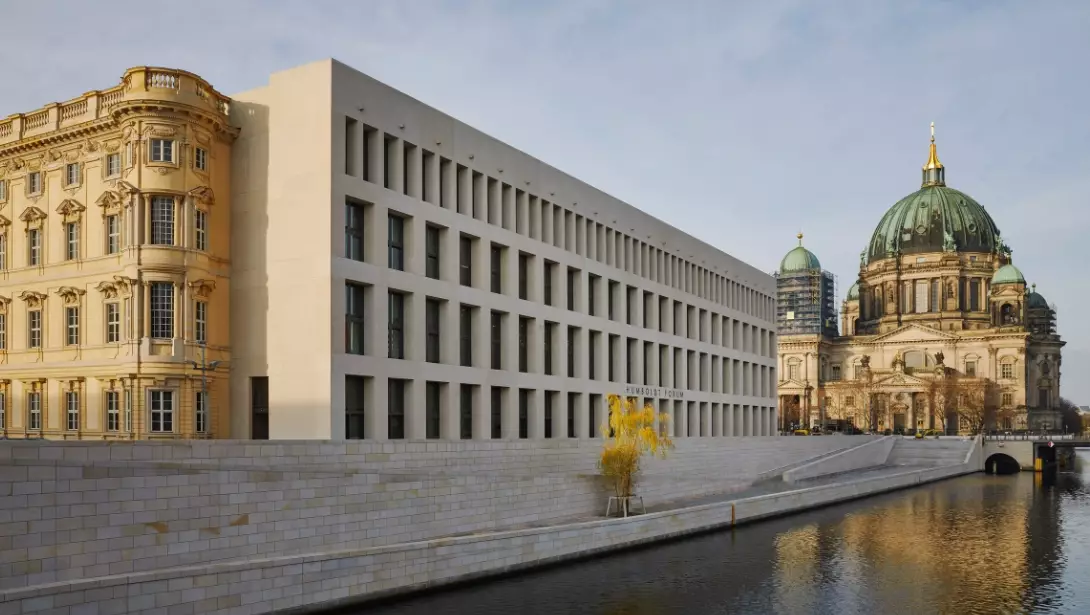
Berlin Global
This exhibition is a breath of fresh air. It's playful, interactive, and asks visitors to make choices. You get a RFID bracelet and vote on topics at different stations. It covers themes like fashion, music, migration, and protest, connecting Berlin to global networks. It's less about precious objects and more about ideas. Kids (and adults who like buttons) love it.
The Architecture Itself
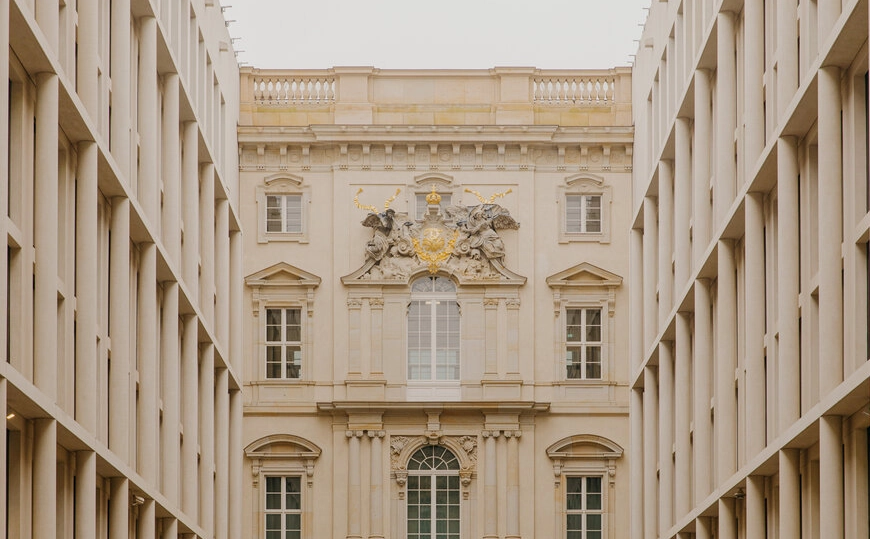
Don't just look at the exhibits. Look at the building. The grand staircases, the vast "Schlüterhof" courtyard (a replica of the original palace courtyard, used for events), and the contrast between the historicist shell and the minimalist interior are exhibits in themselves. The Humboldt Forum Berlin is, in many ways, a museum of itself.
The Good Stuff (Pros)
- Free admission to the main collections is a huge plus.
- Unparalleled views from the rooftop and dome.
- Engaging, modern exhibition design.
- It's tackling essential, difficult conversations head-on.
- Fantastic central location.
The Not-So-Good Stuff (Cons)
- Can feel overwhelming and confusing to navigate.
- The ethical framing can be exhausting if you're not prepared for it.
- Some temporary exhibitions feel overpriced.
- The architecture, while impressive, can feel cold and institutional inside.
- It's a work in progress, so some parts may feel unfinished or in flux.
My Take: Is The Humboldt Forum Berlin Worth Visiting?
After my visit, I sat in a cafe nearby and just processed it all. It's not a "fun" day out like the German Museum of Technology. It's more demanding.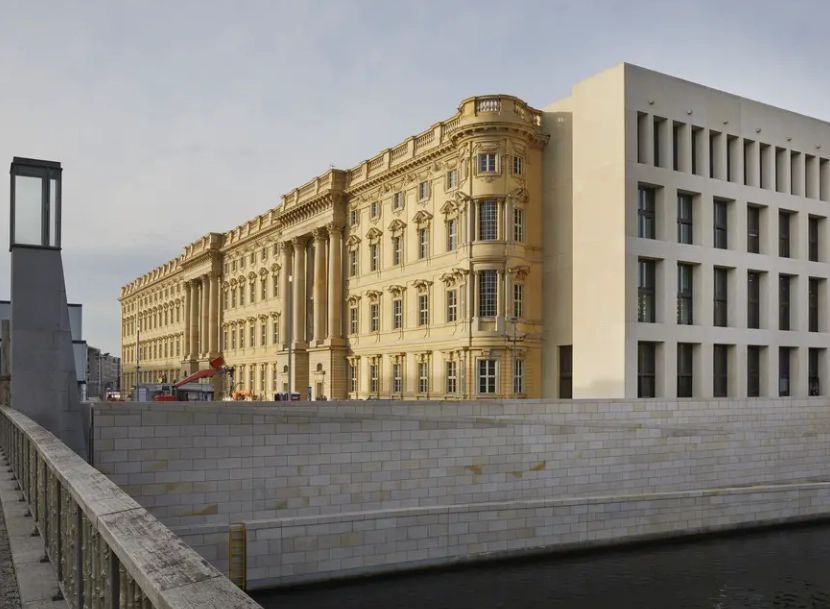
But here's my conclusion: Yes, you should go. Even with its flaws and the mental fatigue it can induce. Why? Because there's nowhere else in the world quite like it right now. It's a real-time case study in 21st-century museology. It shows a major European institution grappling publicly with the darkest parts of its acquisition history. That's rare, raw, and historically significant.
Is it a success? I'm not sure yet. The building's symbolism is still problematic for many. The internal tension between celebration and critique can be awkward. But its very existence forces a conversation that museums have avoided for too long. For that alone, it's worth your time.
Go with an open mind, comfortable shoes, and a willingness to engage with uncomfortable questions. Don't expect easy answers. The Humboldt Forum Berlin doesn't provide them.
Frequently Asked Questions (FAQs)
Let's wrap up with some direct answers to the questions I had before visiting, and the ones I heard other visitors asking.
How much time do I need at the Humboldt Forum?
A solid half-day (3-4 hours) if you want to see the highlights of the permanent collections and the rooftop. A full day if you're a museum buff or want to dive deep into a special exhibition.
Is it good for kids?
Parts of it are. The "Berlin Global" exhibition is very interactive and kid-friendly. The ethnological collections have impressive large objects (boats, houses) that can capture their imagination. However, the dense, text-heavy ethical discussions will lose younger children. The rooftop terrace is a great hit for all ages.
What's the best time to visit?
Weekday mornings are quietest. Weekend afternoons can be very busy, and your free timed ticket slot might sell out. Late afternoon on a weekday was perfect for me—the light on the rooftop was beautiful.
Can I take photos?
Yes, for personal use in most areas. Flash is prohibited. Some special exhibitions or specific objects may have restrictions, which will be clearly marked.
What's the food situation?
There's a restaurant and a cafe on-site. The cafe in the Schlüterhof courtyard is nice for a coffee break. Prices are typical for a major Berlin museum (i.e., not cheap). You're also right in the Mitte district, so you're surrounded by countless other options just outside.
Is there a connection to Alexander von Humboldt?
Yes, the name is a clue. The forum is named after the brothers Wilhelm and Alexander von Humboldt. Wilhelm was a linguist and philosopher who shaped the modern university system. Alexander was the famous naturalist and explorer. The forum's mission to connect art, culture, and science is inspired by their interdisciplinary spirit. However, the connection can feel a bit abstract once you're inside—it's more of a guiding philosophy than a direct exhibition topic.
Final Thought: The Humboldt Forum Berlin is less a destination and more of an experience. It challenges you. It might frustrate you. It will definitely make you think. In a city packed with historical sites, it's the one that's most urgently about the present—and the future. That, in my book, makes it a must-see, even if you end up arguing with it all the way home.