Let's cut to the chase. Is Berlin expensive? Compared to London, Paris, or Zurich, Berlin feels like a breath of financially fresh air. But compared to Prague or Budapest? You'll notice a difference. The real answer is that Berlin is a city of extremes—you can easily blow €200 a night on a hotel or find a cool hostel for €25. You can dine at Michelin-starred temples or live off incredible, cheap street food. Your total cost hinges entirely on your choices. Having lived here and helped countless friends plan their trips, I'll give you the unvarnished breakdown, not the sugar-coated tourist brochure version.
Jump to What You Need
How Much Does a Trip to Berlin Really Cost?
Forget vague statements. Here's what you'll likely spend per day, based on real 2024 prices. These are mid-range estimates for a solo traveler or a couple trying to balance comfort with cost-consciousness.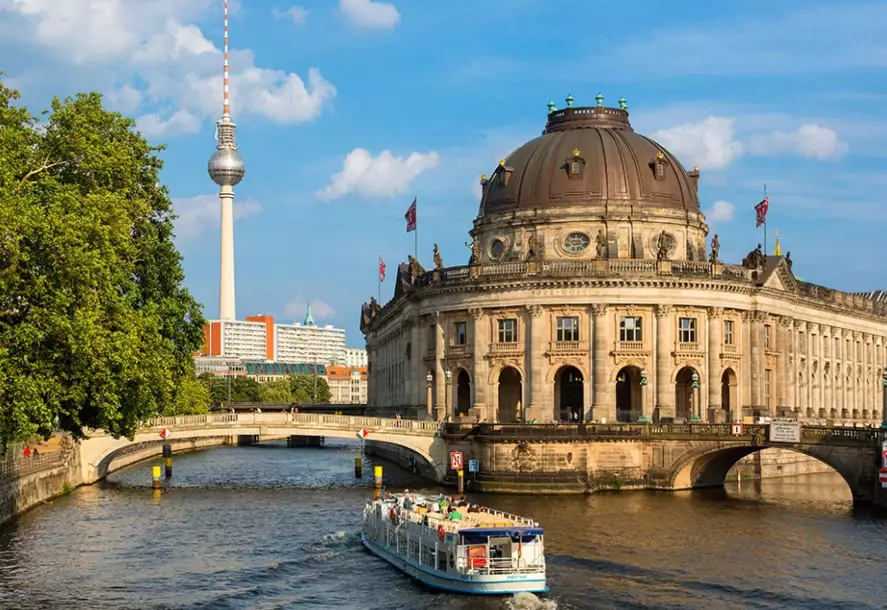
| Expense Category | Budget Traveler | Mid-Range Traveler | Notes & Tips |
|---|---|---|---|
| Accommodation (per night) | €25 - €50 | €80 - €150 | Hostel dorm vs. 3-star hotel/private Airbnb in a central district like Mitte or Kreuzberg. |
| Food (per day) | €15 - €25 | €35 - €60 | Supermarket breakfast, street food lunch, casual dinner vs. sit-down meals with a drink. |
| Transport (per day) | €3.40 - €9.50 | €9.50 - €20 | Walking/bike rental vs. unlimited day ticket (€9.50) or short taxi rides. |
| Attractions & Entertainment | €0 - €15 | €20 - €40 | Many free museums/landmarks vs. paid entry to Museum Island or a club ticket. |
| Daily Total (Approx.) | €45 - €95 | €145 - €270 | This is before flights. Berlin's strength is its low cost floor. |
See the gap? A frugal traveler can have an amazing time for under €70 a day, while a more comfort-seeking visitor will land around €200. The biggest budget killer isn't the Reichstag dome—it's accommodation in the wrong season and unplanned dining.
A common mistake I see: People read that Berlin is "cheap" and don't book accommodation early. They arrive in June, find everything central booked, and end up paying €180 for a mediocre hotel in Charlottenburg because it's all that's left. Planning is your number one money-saver.
How to Save Money on Berlin Accommodation
This is your largest expense. Berlin's hotel scene has gotten pricier, but alternatives thrive.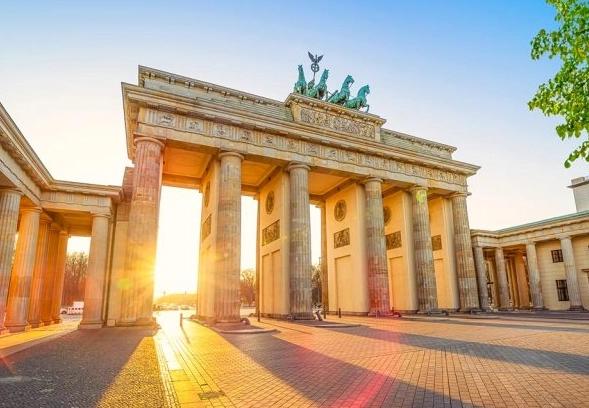
Forget Hotels, Think Neighborhoods
Mitte (city center) commands the highest prices. For better value, look at these connected, vibrant areas with great public transport:
Kreuzberg/Neukölln: The epicenter of alternative culture. Packed with hostels, affordable guesthouses, and Airbnbs. You're surrounded by cheap eats and nightlife. The U1/U8 lines connect you everywhere.
Friedrichshain: Similar vibe east of the river. Home of the famous RAW-Gelände and plenty of budget options. Great for younger travelers.
Prenzlauer Berg: A bit more upscale and family-friendly, but you can still find good deals on private rooms or smaller hotels. Beautiful streets and cafes.
Consider hostels beyond the dorm. Many, like Circus Hostel (Mitte) or Michelberger Hotel (Friedrichshain - though it's more of a boutique hostel), offer private rooms with shared bathrooms for €60-80, a fantastic compromise.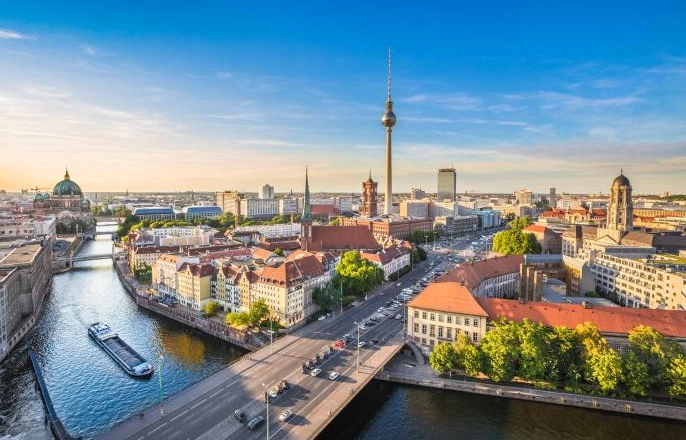
The Booking Sweet Spot
Book at least 2-3 months in advance for summer and major events (like Berlin Music Week). Prices can double in the last month. Winter (outside Christmas markets) is significantly cheaper.
How to Save Money on Food and Drink in Berlin
Here's where Berlin shines. You can eat incredibly well without a fancy restaurant.
Master the Street Food & Imbiss Scene
Döner Kebab isn't just drunk food; it's a culinary institution. A quality, massive döner costs €5-€7 and is a full meal. Mustafa's is famous, but any busy spot in Neukölln or Kreuzberg is usually great.
Currywurst from a street stand (€2.50-€4) is a must-try. Try Konnopke's Imbiss under the U-Bahn tracks at Eberswalder Straße.
Vietnamese food: Berlin has a huge Vietnamese community. In areas like Prenzlauer Berg, you'll find Bahn Mi sandwiches for €5-€6 that are fresh and delicious.
Supermarkets (REWE, Aldi, Lidl): Your best friends. Grab breakfast yogurt, fruit, and rolls for a few euros. Bottled water is unnecessary—tap water (Leitungswasser) is excellent and free in restaurants if you ask.
Drink Smart
Ordering tap water is perfectly acceptable. A beer (eine Halbe) in a pub is often cheaper than a soda or juice (€3-€4.50 vs €4-€5). Spätis (late-night convenience stores) sell beer to-go for under €1.50. Buying a bottle of wine from a supermarket and drinking it by the Spree or in a park is a beloved local pastime.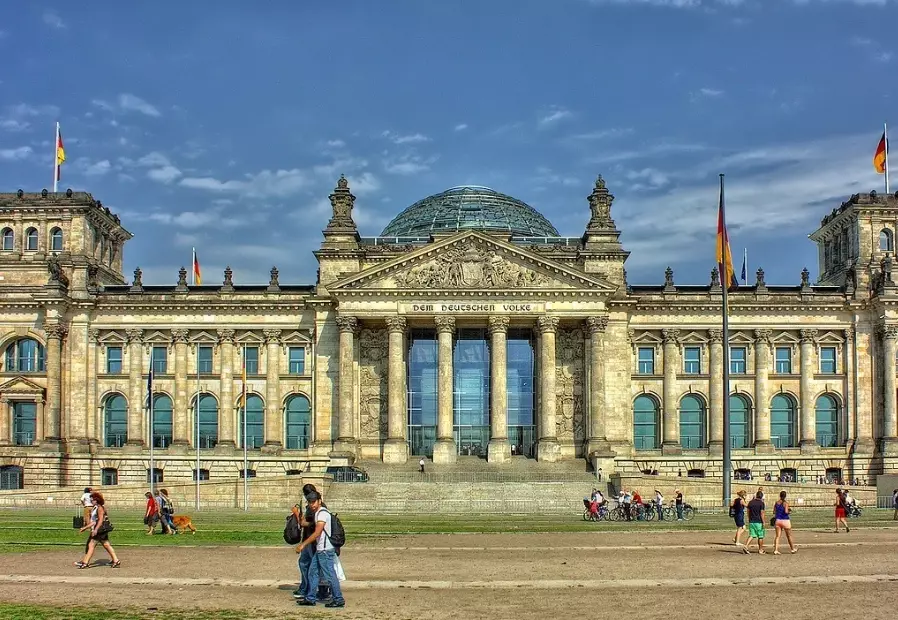
A Sample 3-Day Budget-Friendly Berlin Itinerary
Let's make it concrete. Here’s how a cost-aware traveler might spend three days.
Day 1: History & Heart of the City
Morning: Free walking tour (tip-based, budget €5-10). See Brandenburg Gate, Holocaust Memorial.
Afternoon: Visit the free Reichstag Dome (booking online in advance is mandatory and free). Walk along the Spree.
Evening: Dinner at a Turkish market in Kreuzberg (like at Marheineke Markthalle) for affordable, authentic food.
Estimated Cost: €25 (Food €15, Transport €5, Tour Tip €5).
Day 2: Art, East Side & Street Life
Morning: Explore the East Side Gallery (free open-air gallery on the Berlin Wall).
Afternoon: Walk through Friedrichshain to RAW-Gelände, an alternative culture complex. Lunch from a street food stall.
Evening: Experience the Mauerpark if it's Sunday (flea market, free outdoor karaoke). Or, invest in a club ticket (€10-€20) for the iconic Berlin nightlife.
Estimated Cost: €30-€45.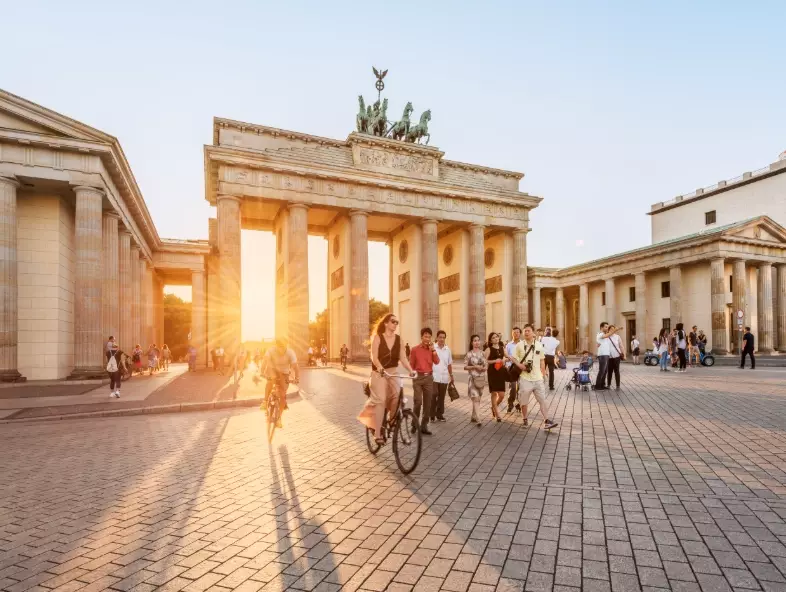
Day 3: Museums & Local Flavor
Option A (Splurge): Buy the Museum Island Day Pass (€19) and spend the day among world-class artifacts.
Option B (Save): Visit the Topography of Terror (free, powerful WWII documentation center) and the nearby Checkpoint Charlie (free to see, museum is pricey and not great value).
Evening: Final dinner at a cozy, affordable German Kneipe (pub) like Zur Klappe in Friedrichshain for traditional dishes under €12.
Estimated Cost: €25 (Option B) to €45 (Option A).
This itinerary shows a daily average well under €100, including some paid attractions.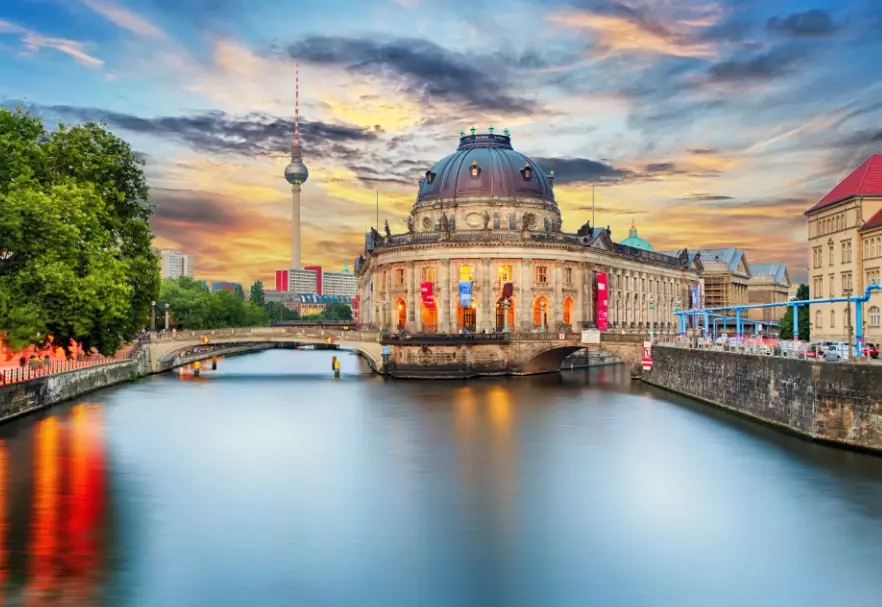
Your Berlin Budget Questions Answered
So, is Berlin expensive? It doesn't have to be. Its unique character isn't locked behind paywalls. The graffiti, the parks, the history under your feet, the vibrant street life—they're free. Your biggest leverage over your budget is where you sleep and how you eat. Choose a lively outer district, embrace the street food, get a transport pass, and mix free sights with a few paid highlights. You'll experience the authentic, pulsating energy of Berlin without emptying your wallet. It's one of the few major Western European capitals where that's still genuinely possible.