Quick Navigation
- Why a Road Trip is the Best Way to See Germany
- Your 7-Day Germany Road Trip Itinerary: Frankfurt to Munich Loop
- The Nuts & Bolts: Renting, Driving, and Surviving on Your Germany Road Trip
- Where to Stay: Accommodation for a Road Tripper
- Packing & Essential Apps
- Answers to Your Germany Road Trip Questions (FAQ)
- Final Thoughts Before You Go
Let's be honest, scrolling through pictures of the Black Forest or Neuschwanstein Castle can make anyone want to drop everything and go. But planning a Germany road trip feels different from just booking a flight to a city. There's a sense of freedom, of discovery around every bend in the Romantische Strasse (Romantic Road), and yes, a little nervous excitement about those famous Autobahns. I've done it a few times now, made some wrong turns (literally and figuratively), found spots most tour buses miss, and learned what really makes a driving holiday here work.
This isn't just another list of places. It's the guide I wish I had before my first trip. We'll map out a classic 7-day loop that hits the highlights without feeling rushed, dive into the nitty-gritty of renting a car and navigating German roads, and I'll throw in some personal favorites and a few disappointments too (looking at you, overly crowded parking lot at Zugspitze).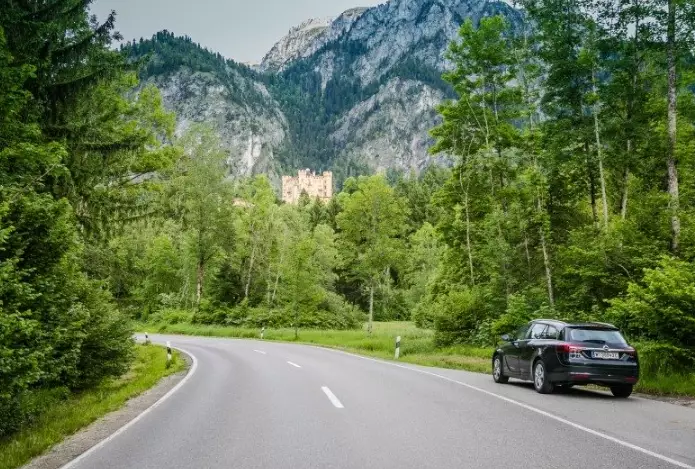
The Core Idea: A one-week Germany road trip is perfect for a first-time visitor. It gives you a stunning mix of vibrant cities, storybook towns, epic scenery, and that unparalleled German engineering experience—your car on a smooth, open road.
Why a Road Trip is the Best Way to See Germany
You could see Germany by train, and the system is brilliant. But you'd be stuck to the major hubs. The soul of the country, in my opinion, is in the valleys, the villages, and the scenic byways that trains don't reach. A Germany road trip itinerary puts you in control. Fancy spending an extra hour at that vineyard overlooking the Rhine? Go ahead. See a sign for a hiking trail to a ruined castle? Turn off. That spontaneity is the magic.
Plus, let's talk logistics. With a car, you can stay in charming, affordable guesthouses (Pensionen) outside city centers, where your euros go further and the breakfasts are heartier. Transporting luggage is a non-issue. And the variety you can pack into a week is simply unmatched.
I remember one afternoon driving through the Swabian Alb region, not really on the plan, and stumbling upon the Burg Hohenzollern. It wasn't Neuschwanstein, but it was perched on a mountain, empty, and utterly majestic. We had the courtyard almost to ourselves. You don't get those moments on a rigid tour schedule.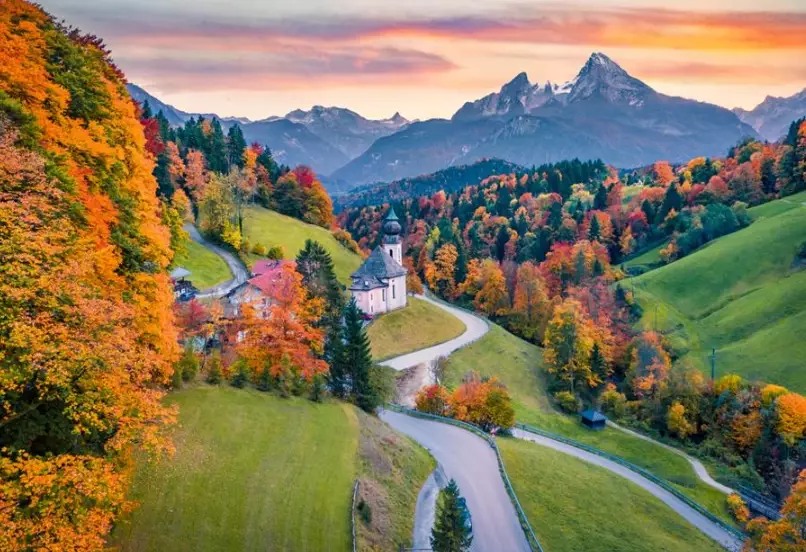
Your 7-Day Germany Road Trip Itinerary: Frankfurt to Munich Loop
This loop is a golden standard for good reason. It starts and ends at major international hubs (Frankfurt and Munich), minimizes backtracking, and delivers an incredible cross-section of German culture and landscapes. The driving times are manageable, usually 2-4 hours between bases, leaving plenty of time to explore.
A quick thought from my last trip: I originally tried to cram in both the Rhine Valley and the Romantic Road in detail. It was too much. This version balances iconic stops with breathing room. Trust me, you'll thank yourself for not over-scheduling.
Day 1: Frankfurt & The Rhine Valley
Pick up your car at Frankfurt Airport (FRA). Don't linger in Frankfurt's financial district—head straight for the Rhine River, about an hour's drive west. Your goal is the stretch between Rüdesheim and Koblenz. This is the Rhine Gorge, a UNESCO World Heritage site dotted with over 40 castles.
Park in Rüdesheim, take a quick stroll down the Drosselgasse (it's touristy but fun), then board one of the frequent KD Rhine ferries. The beauty of the ferry is you can sit back, enjoy a Riesling, and watch the castles and vineyards slide by without worrying about the winding road. Get off at St. Goar to see the imposing Rheinfels Castle ruins. You can then take a ferry back or, if you're feeling adventurous, take the ferry to the other side and drive the less-crowded left bank back to your car.
Spend your first night in a small town like Bacharach or Oberwesel. Falling asleep to the quiet of the Rhine valley is the perfect start to your Germany road trip.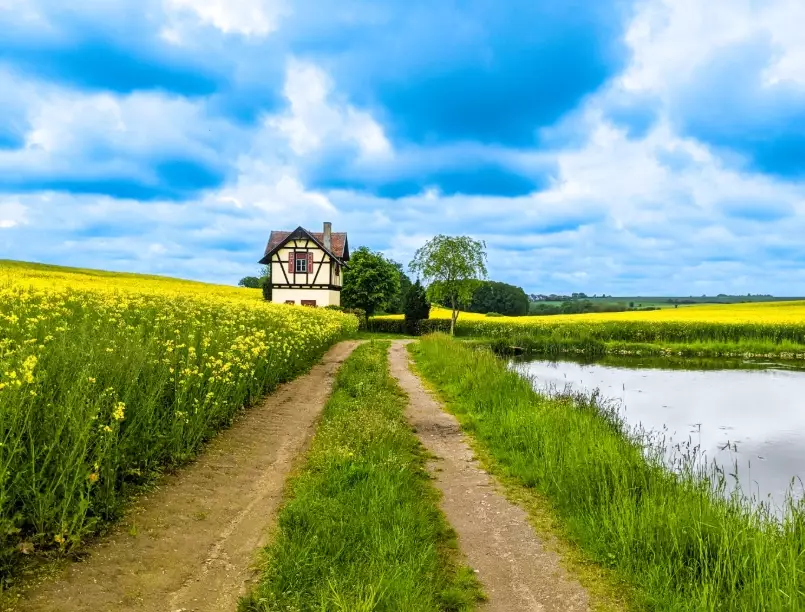
Day 2: The Romantic Road Begins – To Rothenburg ob der Tauber
Today you enter fairytale territory. The drive east to Rothenburg is roughly 3 hours. The Romantic Road (Romantische Strasse) is a signed tourist route, but you'll largely be on normal highways until you get close.
Rothenburg is the poster child of medieval German towns. It's crowded, yes, but it's popular for a reason—the intact walls, the cobbled lanes, the famous Plönlein intersection. It feels like stepping into a storybook. My tip? Arrive by mid-afternoon, check into your hotel inside the old town walls, and then explore in the evening after the day-tripper buses have left. The Night Watchman's Tour is surprisingly entertaining and gives you the town's history with a side of humor.
The real charm of a Germany road trip here is staying overnight. Wandering the nearly empty streets at night, with the half-timbered houses lit up, is magical.
Day 3: Deep into Bavaria – Rothenburg to Füssen
A longer driving day (about 3.5 hours) with a fantastic stop. Leave Rothenburg and head south. About an hour in, consider a detour to Dinkelsbühl. It's like a slightly quieter, less restored version of Rothenburg and is equally stunning. Often overlooked, it’s a gem.
Continue south towards your final destination: Füssen. This adorable alpine town is your base for the king of all castles. The drive itself, as you near the Alps, becomes part of the attraction.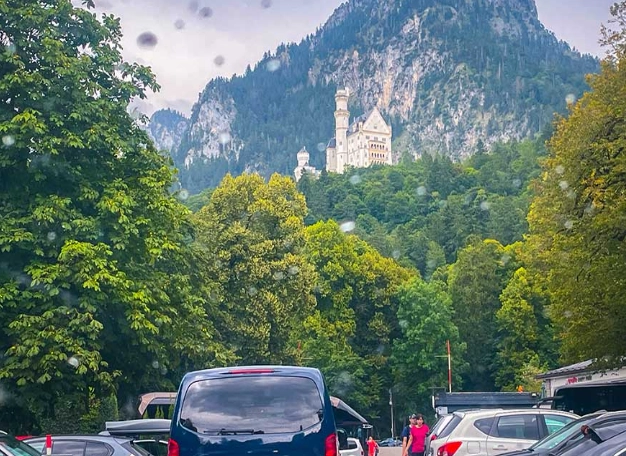
Day 4: Castles & Mountains – Neuschwanstein and Beyond
Dedicate today to Neuschwanstein and Hohenschwangau castles. Book your castle tour tickets online in advance from the official Hohenschwangau website. This is non-negotiable unless you want to wait for hours.
Park in the large paid lot in Hohenschwangau village. The walk up to Neuschwanstein is steep; consider the shuttle bus or horse carriage. The interior of Neuschwanstein is… interesting. King Ludwig II's vision was grandiose but unfinished. Honestly, the exterior and the view from Marienbrücke (Mary's Bridge) are the real showstoppers.
If you have energy in the afternoon, drive up to the Tegelberg cable car for breathtaking panoramic views of the castles and the Alps, or visit the serene Forgensee lake.
Day 5: The Alpine Road to Garmisch-Partenkirchen
A short but spectacular driving day. Take the Deutsche Alpenstrasse (German Alpine Road) from Füssen to Garmisch-Partenkirchen. This is slow, winding, and incredibly scenic. Stop at the Wieskirche (a stunning rococo pilgrimage church in the middle of a field) and the Ettal Monastery for its impressive baroque basilica and maybe some monk-made liquor.
Garmisch is a proper mountain resort town. In the afternoon, you could take the cogwheel train and cable car up to Germany's highest peak, the Zugspitze. The views are phenomenal, but it's a full and expensive excursion. A great alternative is the shorter, cheaper cable car up the Alpspitze for similar stunning vistas.
Day 6: Lakes and City Lights – To Munich
Before heading to the city, make a morning detour to Lake Eibsee at the base of the Zugspitze. The water is a surreal milky turquoise, and the walking path around it is flat and easy. It’s a peaceful contrast to the mountain peaks.
The drive to Munich is an easy hour on the autobahn. Drop off your rental car at the Munich airport (MUC) or a central city office if you're staying in the center. Use Munich's excellent public transport for the rest of your stay. Your Germany road trip driving portion is complete!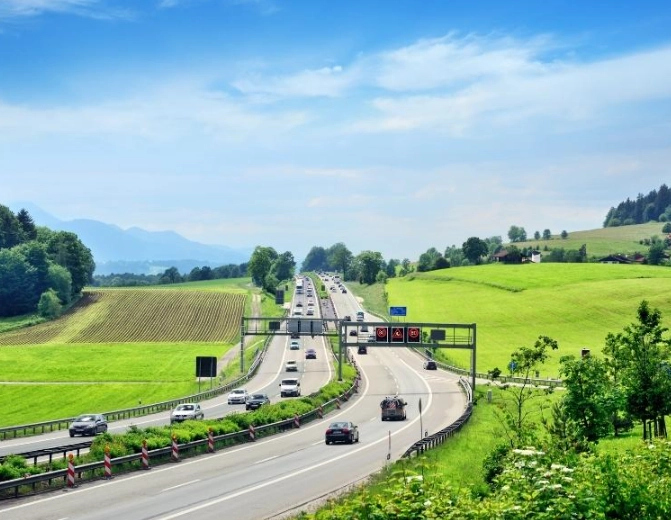
Spend your afternoon and evening soaking up Munich's vibe at the Viktualienmarkt (food market) or the Englischer Garten, and of course, in a traditional beer garden like the Hofbräukeller.
Day 7: Explore Munich & Departure
Use your last day to visit the Marienplatz for the glockenspiel show, the Residenz palace, or a museum like the Deutsches Museum (if you're into science and tech). Then, head to the airport for your flight home, your head full of castle spires, forest roads, and alpine air.
The Nuts & Bolts: Renting, Driving, and Surviving on Your Germany Road Trip
This is where most guides get vague. Let's get specific.
Renting the Right Car
You don't need a powerful sports car. A compact or mid-size automatic is perfect for the narrow old-town streets and provides enough comfort for longer stretches. Diesel used to be the go-to for fuel efficiency, but with modern petrol engines and the rise of hybrids, just get what's a good deal. Always opt for zero-excess/deductible insurance for peace of mind. German roads are great, but stone chips and door dings in tight parking spots happen.
Essential items to verify you have in the car:
- A valid vignette (toll sticker) for Austria if your route even might cross the border (e.g., around the Zugspitze area). Buy it at a gas station before the border.
- A warning triangle and high-visibility vests for all passengers (usually already in the car).
- A German-registered car should have these, but it's good to check.
Pro-Tip: Use comparison sites, but book directly with the major company (Sixt, Europcar, Hertz) once you find the best deal. Their own websites sometimes have better cancellation policies and customer service if something goes wrong.
Rules of the Road: The Autobahn & Beyond
The famous speed limit-free sections exist, but they're not the whole story. Large stretches, especially near cities and in construction zones, have strict limits (often 120 km/h or lower).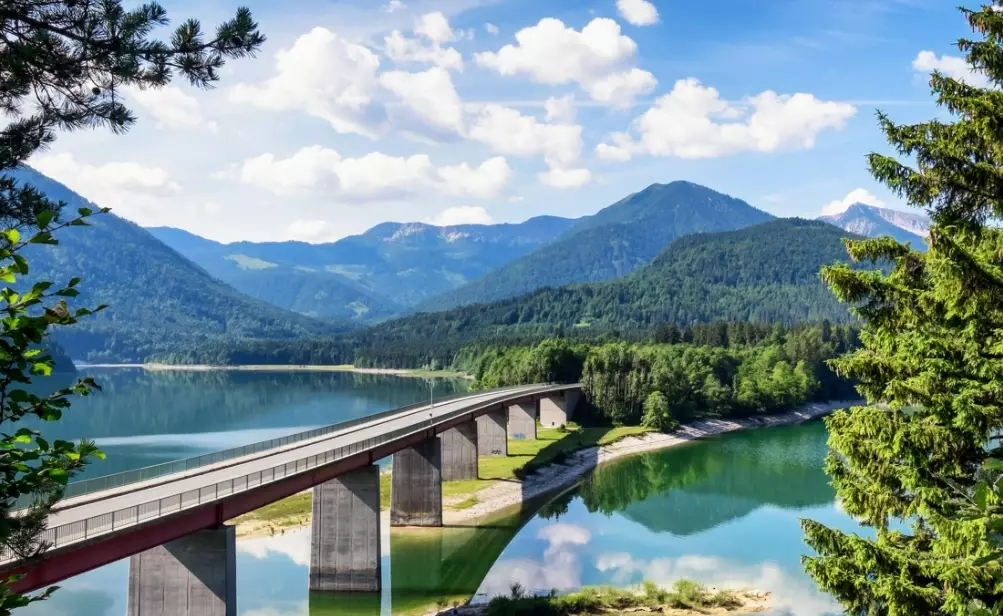
Critical Rule: The Rechtsfahrgebot is sacred. You must drive in the right lane unless actively passing. After passing, signal and move back right immediately. Lingering in the middle or left lane will earn you aggressive flashing headlights from faster cars approaching at, well, very high speeds.
Other key rules:
- Priority to the right at unmarked intersections in towns. This catches many visitors off guard. If there's no sign, you must yield to traffic coming from your right.
- Strict zero-tolerance for drink-driving (0.05% BAC). Just don't.
- Using a handheld phone while driving is illegal.
- Headlights must be on in poor visibility (rain, fog). Daytime running lights are not sufficient.
For the most authoritative and up-to-date information, check the ADAC (German Automobile Club) country guide. They are the definitive source.
Parking, Tolls, and Fuel
Parking: In cities and popular towns, it's almost always paid. Look for blue zone signs (gebührenpflichtig). Use parking garages (Parkhaus) for ease, though they can be pricey. Often, you'll find large, cheaper park-and-ride (P+R) lots on the outskirts with good public transport links into the center—a smart move for places like Munich or Heidelberg if you're just visiting for the day.
Tolls: German autobahns are toll-free for cars. However, as mentioned, you will need a vignette for Austria and Switzerland if you cross into those countries. Some specific tunnels or bridges (like the Herrentunnel in Lübeck) have separate tolls, but these are rare on the classic tourist routes.
Fuel: Prices are displayed per liter. Diesel is cheaper than petrol. Stations on the autobahn are the most expensive. Fill up in towns before hitting the highway for long stretches. Most pumps are self-service; you can pay at the pump with a card or inside at the counter.
Here’s a quick comparison of what to expect for a 7-day trip, based on a mid-size car:
| Cost Category | Estimated Cost (EUR) | Notes & Tips |
|---|---|---|
| Car Rental (7 days) | 350 – 600 | Varies massively by season, car type, and insurance level. Summer is peak. |
| Fuel (approx. 1200 km) | 150 – 200 | Depends on your car's efficiency and driving style. Diesel will be at the lower end. |
| Parking | 50 – 100 | Can be a hidden cost. Budget for daily garage fees in towns. |
| Tolls/Vignettes | 0 – 20 | Zero for Germany. Add ~€10 for an Austrian vignette if needed. |
| Total Transport Cost | 550 – 920 | Split between 2-4 people, it becomes very reasonable for the freedom it provides. |
Where to Stay: Accommodation for a Road Tripper
Hotels are fine, but the charm of a Germany road trip lies in smaller, family-run places.
- Pension / Gasthof: A guesthouse, often with a restaurant attached. Usually great value, hearty breakfasts, and local character. My favorite type.
- Ferienwohnung: A self-catering holiday apartment. Perfect for longer stays or if you want to cook.
- Designhotel / Boutique Hotel: For a splurge in cities or trendy areas.
Book well ahead for popular towns like Rothenburg or Füssen in summer. A key feature to look for: free guest parking. This can save you a lot of money and hassle.
Packing & Essential Apps
Beyond your usual travel clothes (and layers—weather in the mountains changes fast), don't forget:
- A physical driver's license (your home one is fine for most countries) and an International Driving Permit (IDP) if your license isn't in Roman script (e.g., Japanese, Arabic). It's a cheap extra layer of compliance.
- A GPS or solid phone mount. Google Maps/Apple Maps work excellently in Germany. Download offline maps for the regions you'll be in case of spotty signal in remote valleys.
- A European plug adapter for your devices.
- A small cooler bag for picnic supplies from markets—a fantastic way to save money and eat well.
Must-Have Apps:
- Google Maps / Waze: For navigation and real-time traffic.
- DB Navigator: The German rail app. Useful for checking train times if you consider a non-driving day or for detailed public transport in cities.
- Parkopedia or Parking Finder: To locate and compare parking options and prices in cities.
- ADAC Pannenhelfer: If you have a breakdown, this app from Germany's premier auto club helps you locate nearby help.
Answers to Your Germany Road Trip Questions (FAQ)
Final Thoughts Before You Go
A Germany road trip is more than a vacation; it's an experience. It's the smell of pine forests rolling through the windows, the surprise of a perfect Apfelstrudel in a village café you found by chance, and the hum of the engine as the Alps grow larger in your windshield.
My biggest piece of advice? Build in slack. Don't try to see everything. Pick a region, like the one outlined here, and explore it deeply. Allow for detours. Get lost once or twice (safely!). Talk to the locals at the Gasthof bar in the evening. That's where the real magic of a self-drive adventure in Germany happens—not just between the points on a map, but in the spaces in between.
For official travel information, always a great resource is the German National Tourist Board website. It's full of inspiration and practical details.
Now, all that's left is to book the flight, reserve the car, and hit the road. Gute Fahrt! (Have a good trip!).