Hamburg is a powerhouse city, no doubt. But sometimes you need a break from the urban buzz. The good news? Some of Northern Germany's most charming towns, dramatic coastlines, and historic gems are just a short train or car ride away. A day trip from Hamburg isn't just possible; it's essential to get the full flavor of the region.
I've spent years exploring these routes, figuring out the logistics so you don't have to. Forget just listing places—here’s a practical, tested guide to seven fantastic escapes, complete with how to get there, what to do, and a few insider tips you won't find in every brochure.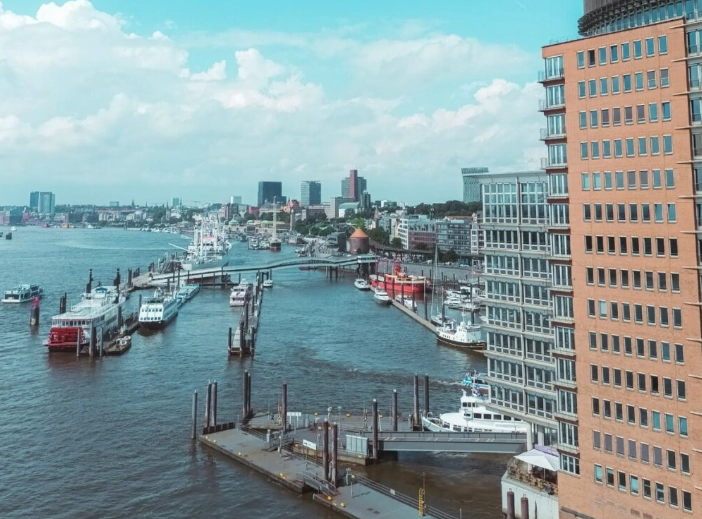
Jump to Your Perfect Day Trip
Lübeck: The Medieval Marvel
This is the classic day trip for a reason. Lübeck, the former "Queen of the Hanseatic League," feels like stepping into a storybook. Its entire old town is a UNESCO World Heritage site, an island encircled by waterways.
The Holstentor gate is the iconic postcard shot. But the real magic is wandering the cobbled streets like Mengstraße and Fleischhauerstraße, lined with Gothic brick buildings. St. Mary's Church (Marienkirche) is a must for its sheer scale and the broken bells left crashed on the floor as a war memorial—a sobering sight.
You can't leave without trying the local marzipan. Niederegger, right on the main square (Breite Straße 89), is the famous spot. The café upstairs is perfect for a slice of marzipan torte.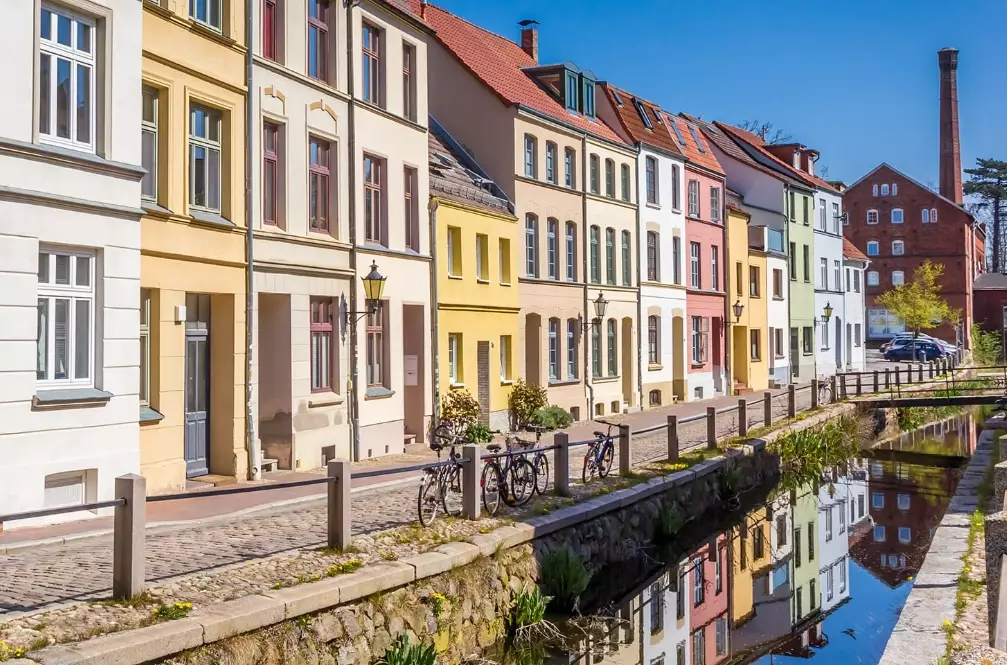
Getting There: Direct regional trains (RE or RB) from Hamburg Hauptbahnhof (Hbf) take 45-55 minutes. Trains run frequently, at least twice an hour. A Schleswig-Holstein-Ticket is perfect for this trip if you're traveling with others.
Don't Miss: Holstentor (exterior is free), St. Mary's Church (€4 entry), the courtyards behind the houses on Glockengießerstraße, and a marzipan treat at Niederegger.
My Tip: Skip the crowded restaurant strips immediately around the square. Walk five minutes towards the river to find quieter, often better, places like the Schiffergesellschaft for a historic atmosphere.
Schwerin: The Fairy-Tale Castle
If you've ever wanted to visit a castle that looks like it floated off the pages of a Disney film, Schwerin is your place. Schwerin Castle sits on its own island in the middle of a lake, all pointed turrets and reflection-perfect waters.
The castle interior is a state parliament, but parts are open as a museum (€8.50). Frankly, the exterior and the sprawling gardens are the main event. Walk around the lake path for the best photo angles. The baroque gardens are free to explore and wonderfully peaceful.
The old town around the cathedral is compact and pleasant for a stroll. For lunch, the area around the Markt has options, or pack a picnic for the castle gardens.
Getting There: Direct regional trains from Hamburg Hbf to Schwerin Mitte station take about 1 hour 20 minutes. From the station, it's a 15-20 minute walk or a short bus ride to the castle.
Don't Miss: The castle exterior and island loop walk, the castle gardens, a possible boat tour on the lake (departures near the castle).
My Take: The castle interior museum is decent if you love historic rooms and porcelain, but if you're tight on time or budget, you won't feel short-changed just admiring it from outside. The setting is the real star.
Stade: The Quaint Hanseatic Port
For a quieter, more low-key alternative to Lübeck, head to Stade. This little town has a beautifully preserved historic core with over 600 half-timbered houses. The vibe is less tourist-trodden and more authentically local.
The harbor area, the "Alter Hafen," is charming, with old fishing boats and warehouses. It's a great spot for a fish sandwich (Fischbrötchen). The St. Cosmae Church has a stunning Baroque organ.
Stade is perfect for a relaxed day of wandering without a strict checklist. Have a coffee on the square, watch the boats, and soak in the small-town atmosphere.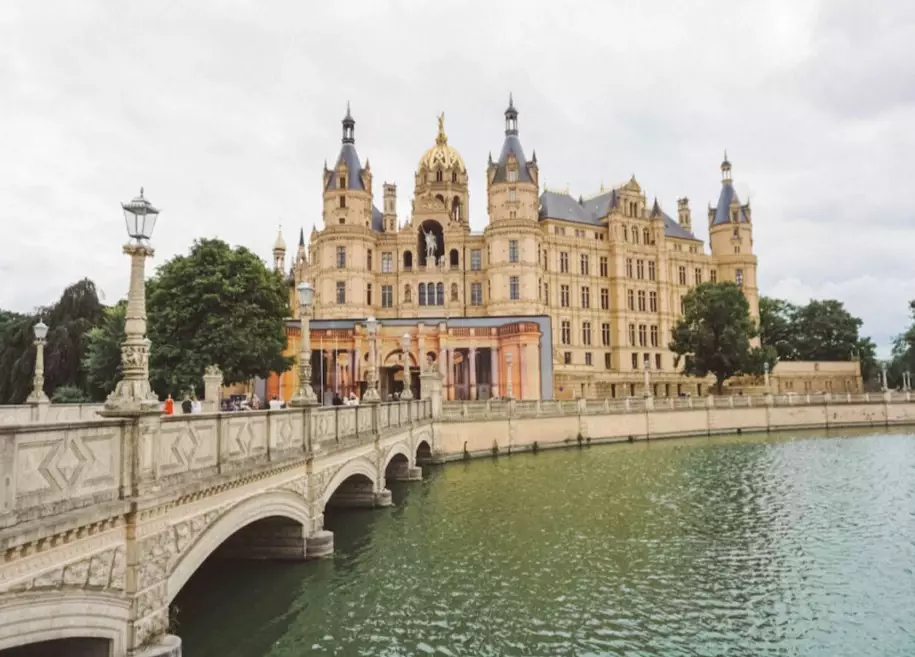
Getting There: Regional trains (S-Bahn S5 or Metronom) from Hamburg Hbf take about 50-60 minutes to Stade station. The old town is a 10-minute walk from the station.
Don't Miss: The Alter Hafen (old harbor), the Fischmarkt square, a walk along the Schwinge river, and the view from the St. Wilhadi Church tower (if open).
The Harz Mountains: Nature & History
This is the longest trip on the list, but it swaps flat northern landscapes for forested mountains and deep history. The target is usually the town of Wernigerode or Goslar as a base.
From Wernigerode, you can ride the historic Harz Narrow-Gauge Railway (Harzer Schmalspurbahnen), a steam train that chugs up to the Brocken, the highest peak in the Harz. It's a full-day activity in itself (round trip is about 4 hours just on the train). Goslar, another UNESCO site, is a stunningly preserved medieval imperial town with a massive historic mine, the Rammelsberg.
Getting There: This requires an ICE (high-speed train) from Hamburg Hbf to Goslar or Wernigerode. The journey is around 2.5 to 3 hours one way. You need to start early. A Niedersachsen-Ticket won't cover the ICE, so book a Sparpreis fare in advance for savings.
Don't Miss (Goslar): The historic old town market square with the Kaiserpfalz (Imperial Palace), the Rammelsberg Mine Museum (a UNESCO site).
Don't Miss (Wernigerode): The colorful town hall, Wernigerode Castle, and the Brocken Railway.
Real Talk: This is a marathon day. To truly enjoy it, consider an overnight stay. If you do it in a day, pick ONE focus: either Goslar's town and mine OR Wernigerode and the steam train. Trying to do both from Hamburg is too much.
Sylt: The North Sea Island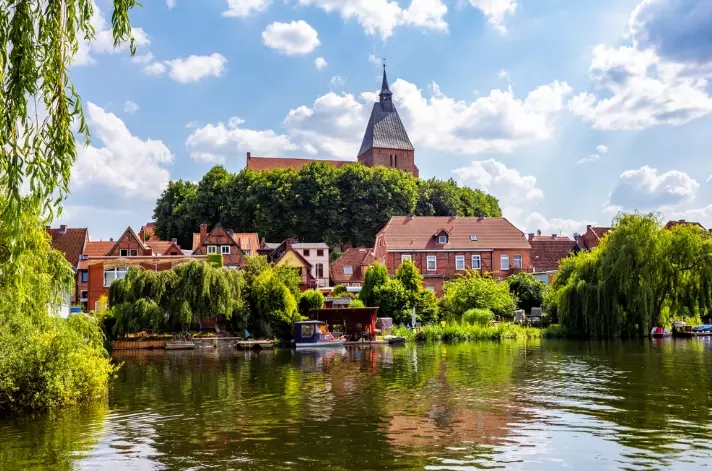
Yes, you can day trip to Germany's most famous North Sea island. It's a long haul, but the landscape is unique: endless sandy beaches, thatched-roof houses, dunes, and a stark, beautiful light.
You'll arrive in Westerland. Walk the famous promenade (Strandpromenade), feel the wind, and dip your toes in the Wadden Sea (warning: cold!). For a more chic vibe, take the island railway (Sylt Shuttle) to the village of Kampen, known for its thatched houses and upscale atmosphere.
Getting There: Direct IC or ICE trains from Hamburg Hbf to Westerland (Sylt) take just under 3 hours. The train actually goes on a ferry for part of the journey—a unique experience. The first morning train is around 6 AM. You must book train tickets in advance for this trip.
Don't Miss: The beach at Westerland, a walk in the dunes near Kampen, a Fischbrötchen from a beach kiosk.
Important Note: This is weather-dependent. A stormy, grey day on Sylt can be dramatic but less enjoyable for a brief visit. Check the forecast. Also, everything on the island is more expensive.
Hamburg Harbour & Speicherstadt (The "Staycation" Trip)
Hear me out. If you're tired or the weather is iffy, the best day trip might be within Hamburg itself. Dedicate a full day to exploring the Speicherstadt warehouse district and HafenCity. This isn't a cop-out; it's a deep dive.
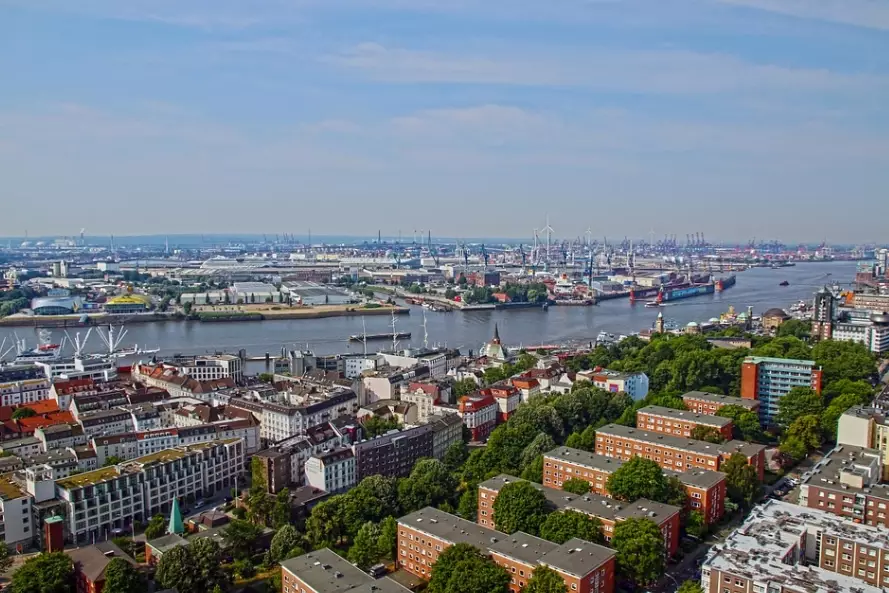
Start at the Speicherstadt, the world's largest warehouse complex, a UNESCO site with red-brick gothic architecture on canals. Visit the Miniatur Wunderland (book tickets WELL in advance online), which is far more incredible than it sounds. Then walk into HafenCity, Hamburg's modern architectural showcase, culminating at the Elbphilharmonie. You can take the public escalator up to the Plaza for a free, breathtaking view.
It's a day of contrasts, history, and seeing your own city with tourist eyes.
St. Michael's Church & Port Tour (The Introspective City Trip)
Another brilliant "internal" day trip. Start at St. Michael's Church ("Michel"), Hamburg's iconic landmark. Climb the tower (€7) for arguably the best 360-degree view of the city and port. Then, walk to the Landungsbrücken piers and book a standard port boat tour (Große Hafenrundfahrt, about €22). Seeing Hamburg's massive port from the water gives you a completely new perspective on the city's lifeblood.
Combine it with a walk through the old Elbe Tunnel (Alter Elbtunnel) to the other side and back. It's a day dedicated to understanding Hamburg's relationship with water.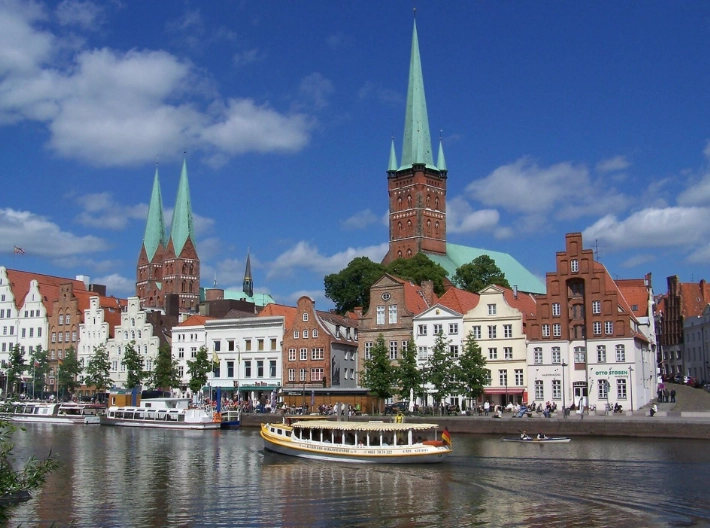
 So there you have it. From quick medieval escapes to ambitious island adventures, the area around Hamburg is full of possibilities. My final piece of advice? Check the Deutsche Bahn website or app for train times and disruptions before you head out, and always have a rough plan B in your pocket. Now go explore.