Let's cut to the chase. There's no single "best" month for everyone to visit Munich. The perfect time depends entirely on what you want. Chasing sun-drenched beer gardens? Drawn to the chaotic magic of Oktoberfest? Dreaming of a snowy Christmas market? Your priorities change the answer.
I've visited Munich in every season over the past decade, from sweltering August crowds to silent, frosty January mornings. The city transforms completely. This guide won't just list weather stats—it'll give you the feel of each month, the hidden trade-offs, and the local rhythm you can't get from a brochure.
Your Quick Guide to Munich’s Seasons
- Spring in Munich (March-May): Awakening & Shoulder Season Sweet Spot
- Summer in Munich (June-August): Peak Season & Outdoor Living
- Autumn in Munich (September-November): Oktoberfest & Golden Days
- Winter in Munich (December-February): Christmas Magic & Quiet Culture
- The Month-by-Month Breakdown: Details & Decisions
- Your Munich Timing Questions Answered
Spring in Munich (March-May): Awakening & Shoulder Season Sweet Spot
Spring is Munich shaking off its winter coat. It's unpredictable but full of promise. Early spring can still be brisk, but by May, the city is in full bloom.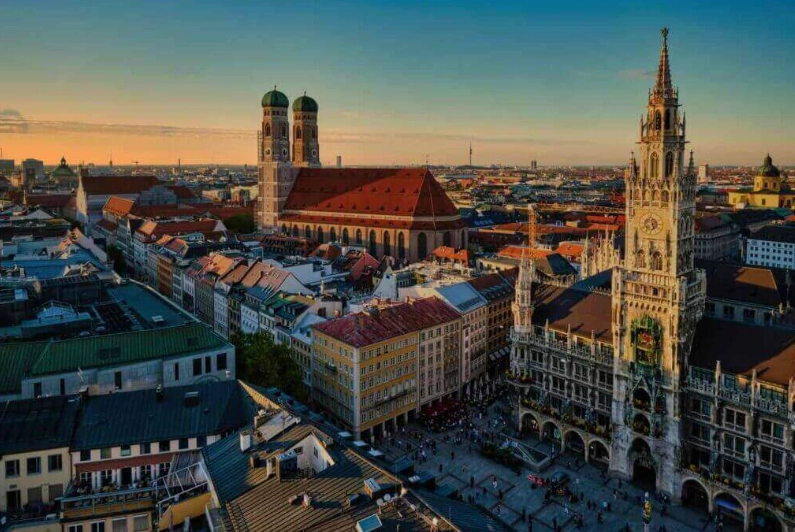
March & April are transitional. You might get a sunny 15°C (59°F) day or a sudden snowfall. The crowds are thin, which is a huge plus. You can wander through the Residenz or the Deutsches Museum without jostling. A local tip: Easter markets pop up, smaller and more intimate than the Christmas versions. The Frühlingsfest (Spring Festival) in April is like a mini, less-touristy Oktoberfest—a great alternative if you want the tent experience without the global madness.
May, however, is the spring superstar. The Englischer Garten is explosively green, the outdoor seating at cafes fills up, and the beer gardens like the Chinesischer Turm officially reopen. The weather is generally mild and pleasant. It's my top recommendation for travelers who want good weather, manageable crowds, and lower prices than summer. You can actually get a seat at popular restaurants like Augustiner-Keller without a two-hour wait.
Summer in Munich (June-August): Peak Season & Outdoor Living
This is Munich at its most vibrant and most crowded. The sun sets after 9 PM, and the entire city lives outside.
Average highs sit around a comfortable 23-24°C (73-75°F), but heatwaves pushing past 30°C (86°F) are increasingly common. This is when the Isar River beaches come alive with locals grilling and swimming. The vibe is incredible. But here's the catch: everyone knows it. Tourist hotspots like Neuschwanstein Castle (a day trip away) and the city center are packed. Hotel prices peak. You need to book everything—accommodation, popular restaurant tables, guided tours—well in advance.
August brings a quirk: many locals go on vacation, so some smaller, family-run shops or restaurants might be closed for a few weeks. The city feels both full of tourists and oddly quiet in some neighborhoods. Major events like Tollwood Summer Festival (music, culture, food) offer fantastic alternatives to the standard sights.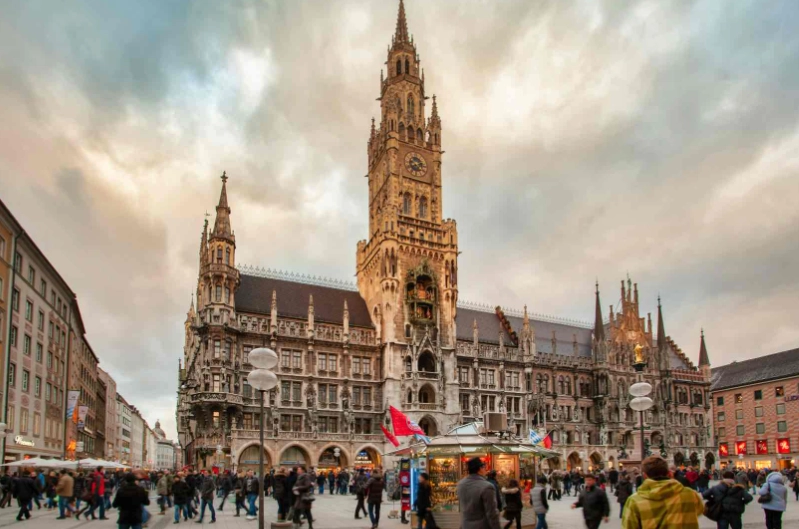
Autumn in Munich (September-November): Oktoberfest & Golden Days
Autumn is a tale of two cities: pre-Oktoberfest and Oktoberfest.
Early September is golden. The summer crowds have left, the weather is still warm and stable, and the trees start turning. It's another perfect shoulder month, perhaps even better than May. You can hike in the nearby Alps, cycle along the Isar, and enjoy beer gardens in a relaxed atmosphere.
Then, Oktoberfest hits (running from late September to the first weekend in October). The city's population doubles. Hotels are booked solid a year in advance, and prices are astronomical. The Theresienwiese fairground is a whirlwind of lederhosen, dirndls, music, and beer. It's an unforgettable experience if that's your goal, but it's not a "Munich trip"—it's an "Oktoberfest trip." The rest of the city is still accessible but more crowded and expensive.
Once the festival ends in early October, Munich exhales. Late October and November are cool, often gray, and damp. The crowds vanish. This is a time for museums, concert halls like the Gasteig, and cozy evenings in traditional Wirtshäuser (taverns) like Hofbräuhaus (yes, it's touristy, but it's also historic). The Allerheiligenmarkt at Feldherrnhalle in early November is a lovely, traditional crafts market few tourists see.
Winter in Munich (December-February): Christmas Magic & Quiet Culture
Winter is cold, with temperatures often around freezing, and daylight is short. But it has a unique charm.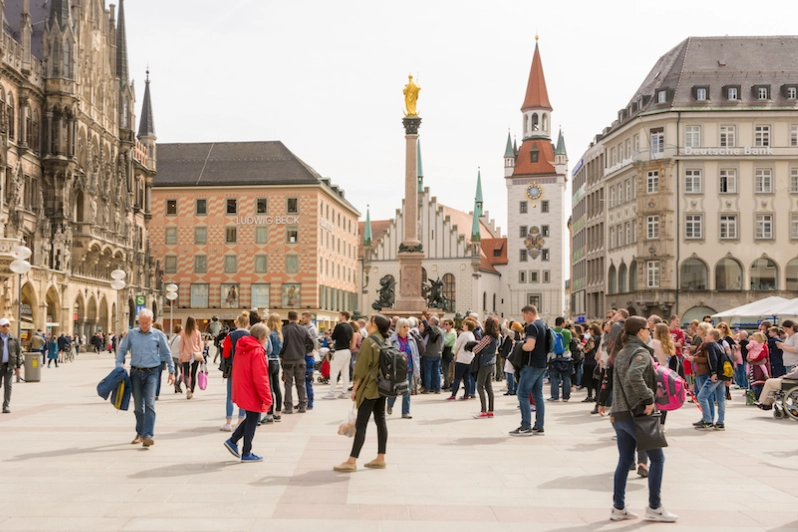
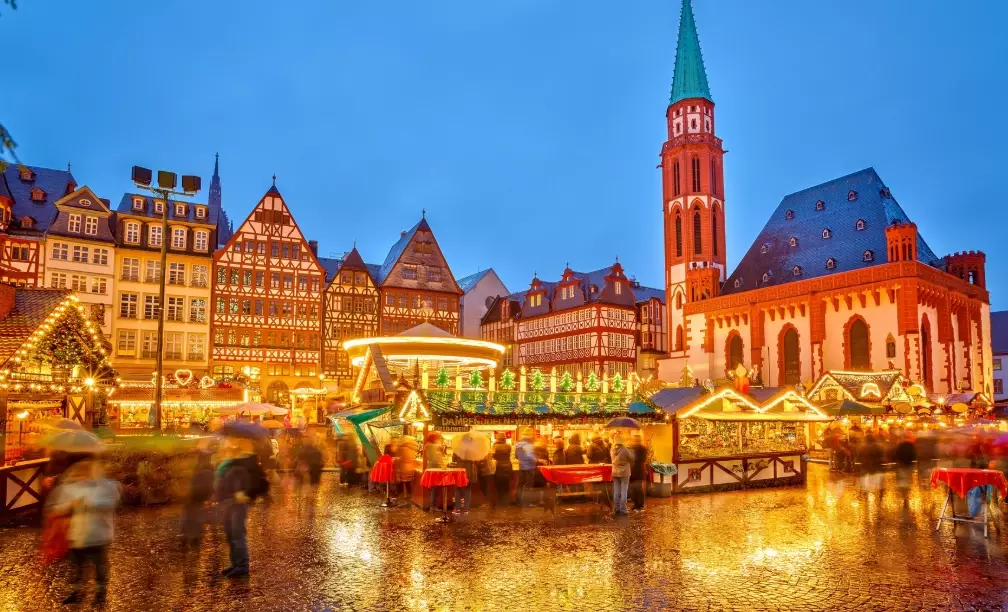
December is dominated by the Christkindlmarkt at Marienplatz. The square becomes a fairy tale of lights, wooden stalls selling ornaments, and the scent of glühwein (mulled wine) and roasted almonds. It's magical, but also the busiest winter period. Other smaller markets, like the medieval one at Wittelsbacherplatz, offer a less commercial vibe.
January and February are Munich's quietest months. If you dislike crowds, this is your time. You'll have the Alte Pinakothek's Old Masters, the BMW Museum, and the stunning Asam Church almost to yourself. The air is crisp, and you can experience the city like a local. The downside? Some outdoor attractions, like the Nymphenburg Palace gardens, are less appealing, and beer gardens are closed. It's a time for cultural immersion, not leisurely strolls.
The Month-by-Month Breakdown: Details & Decisions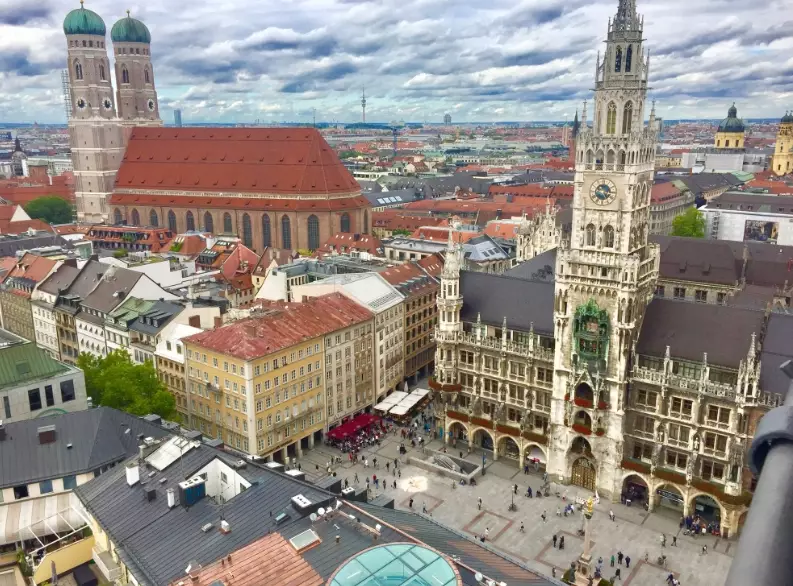
To make your choice easier, here’s a snapshot of what to expect practically every month. I've included the vibe, a key event, and a quick tip you won't find in every guide.
| Month | Avg. High / Low | Crowd & Price Level | Key Vibe & Event | The Insider Tip |
|---|---|---|---|---|
| January | 3°C / -3°C (37°F / 27°F) | Very Low / Low | Quiet, cultural, cold. Perfect for museums. | Visit the Müllersches Volksbad, an stunning Art Nouveau public bath, to warm up. |
| February | 4°C / -3°C (39°F / 27°F) | Very Low / Low | Similar to Jan. Fasching (Carnival) parades if dates align. | Look for "Dult" markets—traditional Bavarian fairs—for a local experience. |
| March | 9°C / 0°C (48°F / 32°F) | Low / Medium | Unpredictable, awakening. Starkbierfest (Strong Beer Fest). | Weather can flip daily. Pack layers and a waterproof jacket. |
| April | 14°C / 4°C (57°F / 39°F) | Medium / Medium | Spring arrives. Frühlingsfest (Spring Festival). | Skip the big tents; the smaller rides and food stalls are more fun. |
| May | 19°C / 8°C (66°F / 46°F) | Medium-High / Medium | Ideal shoulder month. Gardens bloom, beer gardens open. | Rent a bike and follow the Isar River south—you'll find secluded spots. |
| June | 22°C / 12°C (72°F / 54°F) | High / High | Start of peak season. Long days, outdoor living. | Book popular restaurants (e.g., Ratskeller) at least a week ahead. |
| July | 24°C / 13°C (75°F / 55°F) | Very High / Very High | Warmest, busiest month. Open-air cinema at Königsplatz. | Escape the crowds at the Museum Brandhorst or a trip to Lake Starnberg. |
| August | 24°C / 13°C (75°F / 55°F) | Very High / Very High | Peak continues. Some local shops close for vacation. | Check opening times for smaller businesses. Visit the Olympiapark. |
| September | 20°C / 10°C (68°F / 50°F) | Extreme (Oktoberfest) / Very High | Oktoberfest (end Sept-early Oct). Book over a year ahead for this period. | If not for Oktoberfest, visit in early Sept for the best balance of all factors. |
| October | 14°C / 5°C (57°F / 41°F) | Medium (post-fest) / Medium | Cooler, quieter after the fest. Beautiful fall colors. | Great for day trips to Regensburg or Nuremberg. |
| November | 8°C / 1°C (46°F / 34°F) | Low / Low-Medium | Gray, damp, cultural. Allerheiligenmarkt craft fair. | A perfect month for opera or a classical concert at the Nationaltheater. |
| December | 4°C / -1°C (39°F / 30°F) | High (for winter) / High | Christmas Market magic. Festive and cold. | Visit markets on weekday mornings to avoid the worst crowds. |
The Bottom Line: If you forced me to pick two months for a first-time visitor wanting the classic Munich experience without extreme crowds or weather, I'd say May and early September. You get the beer gardens, the greenery or early autumn charm, decent weather, and your sanity intact. For a unique, crowd-free cultural dive, January is surprisingly rewarding. For pure, unadulterated Bavarian spectacle, late September for Oktoberfest—but plan like a military general.
Your Munich Timing Questions Answered
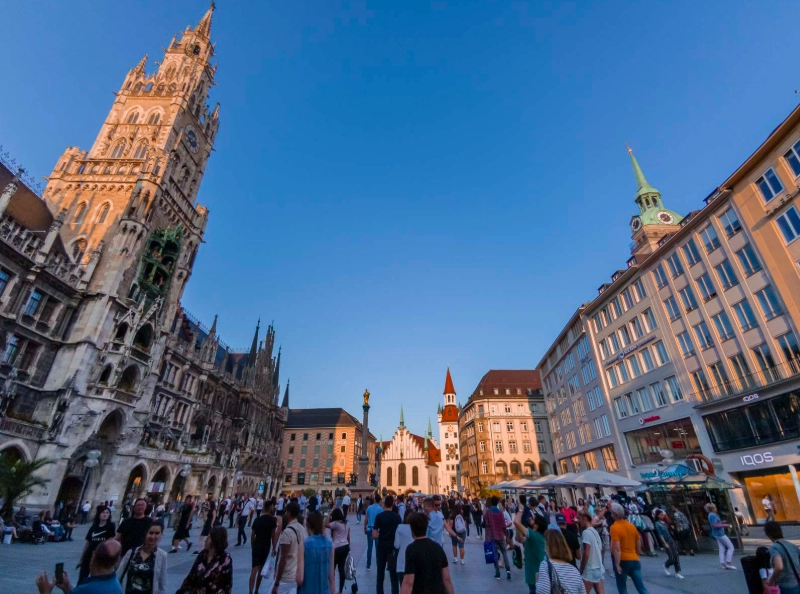 Ultimately, Munich has no bad month, just different versions of itself. Your ideal time is the one that matches your personal travel style—whether that's joining the world's biggest party or having a Renaissance master all to yourself on a quiet winter's day.
For the most current event dates and weather trends, always double-check with official sources like the Munich Official City Portal and the German Weather Service (DWD) before finalizing your plans.