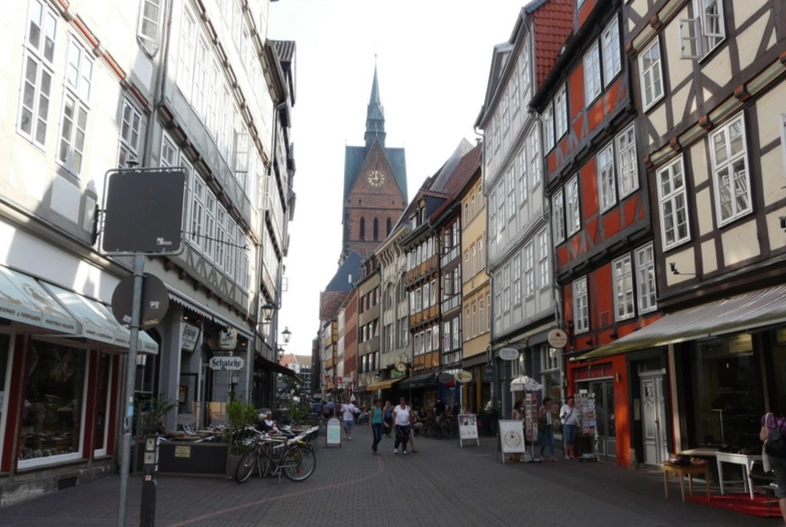
Five days in Frankfurt is the sweet spot. It gives you enough time to peel back the layers of Germany's financial capital, moving beyond the postcard skyline to discover a city rich with history, green spaces, and a surprisingly laid-back cider culture. Most itineraries rush through in two days, but that's a mistake. You miss the rhythm of the city, the day trips that define the region, and the chance to actually relax. This Frankfurt 5-day itinerary is built from the ground up for travelers who want depth, not just a checklist.
Your 5-Day Frankfurt Roadmap
- Day 1: History, Modernity & Your First Apfelwein
- Day 2: Museum Binging & Riverside Strolls
- Day 3: Rhine Valley Castles & Wine Villages
- Day 4: Local Neighborhoods & Skyline Views
- Day 5: Shopping, Parks, and Departure
- Where to Eat in Frankfurt: A Handpicked List
- Where to Stay in Frankfurt: Area Breakdown
- Frankfurt Itinerary: Your Questions Answered
Day 1: History, Modernity & Your First Apfelwein
Start in the heart of the old city. The Römerberg square is your textbook medieval Germany photo op. The reconstructed half-timbered houses are beautiful, but get there before 10 AM if you want a shot without the crowds. Right behind it, the Kaiserdom (Frankfurt Cathedral) is free to enter. For €4, you can climb the 328 steps of the tower. The view is good, but save your legs—we have a better one tomorrow.
From there, walk five minutes to the Eiserner Steg, the iron footbridge. This is where you get that classic shot of the skyscrapers. Cross the bridge into the Sachsenhausen district. Don't dive into the cider pubs just yet. Instead, wander the side streets off Textorstrasse. The houses are quieter, more authentic.
For the afternoon, head back across the river to the financial district (Bankenviertel). The contrast is jarring and fascinating. Walk between the giants like the Commerzbank Tower. If you're interested, the Deutsche Bundesbank Money Museum (free entry) is surprisingly engaging. It's open Tuesday to Sunday, 9 AM to 5 PM.
Evening: Return to Sachsenhausen for dinner. Avoid the overly touristy places on the main drag. Try Apfelwein Wagner on Schweizer Strasse. It's bustling, authentic, and their Handkäse mit Musik (cheese with onions) is a rite of passage. Wash it down with their house Apfelwein from a Bembel (the traditional jug).
Day 2: Museum Binging & Riverside Strolls
Frankfurt's Museumsufer (Museum Embankment) is one of Europe's finest concentrations of museums. You can't do them all. Pick two.
Top Museum Picks:
Städel Museum: The heavyweight. Its collection spans 700 years of European art. Budget at least 3 hours. Open 10 AM to 6 PM (9 PM on Thursdays). Admission is €16, free for under-18s.
German Film Museum (Deutsches Filmmuseum): More interactive and fun. Great for film buffs and families. Open Tuesday to Sunday, 10 AM to 6 PM. Admission €10.
Senckenberg Natural History Museum: If you have kids or love dinosaurs, this is your place. It's massive. Open daily 9 AM to 6 PM. Admission €12.
Have lunch at one of the casual cafes along the Main river. Then, walk or rent a bike and follow the river paths. They stretch for miles and are a local favorite for jogging and picnics.
Evening: Head up to the Main Tower observation deck. This is the best view in Frankfurt. It's open Sunday to Thursday 10 AM to 9 PM, Friday and Saturday until 11 PM. Admission is €9. Go about an hour before sunset. You'll see the city in daylight, watch the sunset, and see the lights come on. It's worth every euro and beats the cathedral climb hands down.
Day 3: Rhine Valley Castles & Wine Villages
This day trip is non-negotiable. Frankfurt is your gateway to the UNESCO World Heritage Rhine Gorge. The mistake is trying to drive it. Take the train.
Take a regional train from Frankfurt Hauptbahnhof to Bingen or Rüdesheim (about 1 hour 15 minutes). From there, board a KD Rhine River cruise. The most scenic stretch is between Rüdesheim and St. Goar. The boat glides past vineyards, the Loreley rock, and a castle every few minutes.
Get off at St. Goar. Hike up (or take a shuttle) to Burg Rheinfels, the largest castle ruin on the Rhine. Exploring its tunnels and ramparts feels like stepping into a medieval epic. Entrance is €7.
Take the train back to Frankfurt from St. Goar. The train line runs right along the river, so you get more great views.
Evening: Keep it low-key. Find a wine bar in the Westend or Nordend neighborhoods and try some Rheingau Riesling from the region you just visited.
Day 4: Local Neighborhoods & Skyline Views
Time to see where Frankfurters actually live. Start in Nordend. Stroll down Berger Strasse, one of the city's longest shopping streets, filled with indie boutiques, cafes, and delis. Grab a coffee and a pastry at Wacker's Kaffee, an institution since 1914.
Then, make your way to the Palmengarten, Frankfurt's beautiful botanical garden. It's huge, with greenhouses replicating different climates. Open daily at 9 AM (closing varies by season). Admission €8.
Right next door is the Grüneburgpark, a massive city park perfect for a lazy afternoon. If you're museum-ed out, this is your chill day.
Evening: Head to the Bornheim district, specifically around Berger Strasse (the northern part). The atmosphere is young, relaxed, and full of great restaurants. It's less touristy than Sachsenhausen but just as lively.
Day 5: Shopping, Parks, and Departure
Your last day. If it's a Saturday, visit the Kleinmarkthalle indoor market. It's a feast for the senses—cheese, meats, spices, fresh produce. It's open Monday to Friday 8 AM to 6 PM, Saturday until 4 PM.
For last-minute shopping, the Zeil is the main shopping street. Check out the MyZeil mall for its incredible futuristic architecture. For higher-end boutiques, the Goethestrasse is nearby.
If you have a late flight or train, ditch the shopping and go to the Nizza Park along the Main. It's a Mediterranean-style garden, a hidden gem that's perfect for a final, peaceful hour with a view of the river and skyline.
Where to Eat in Frankfurt: A Handpicked List
Forget generic "German food." Frankfurt has a specific culinary identity.
| Name / Type | Address / Area | What to Try & Notes | Price Range |
|---|---|---|---|
| Apfelwein Wagner (Traditional) | Schweizer Str. 71, Sachsenhausen | The classic Apfelwein experience. Grüne Soße (green sauce) with potatoes, Rippchen mit Kraut (cured pork chops). Loud, communal benches. | €€ (Moderate) |
| Emma Metzler (Modern German) | Schweizer Str. 15, Museumsufer | Sophisticated take on local ingredients. Beautiful design. Great for a special lunch after museum-hopping. | €€€ (Higher) |
| Mosebach (Cafe/Bakery) | Multiple locations (Nordend, Westend) | Best breakfast and pastries in town. Their Franzbrötchen (cinnamon pastry) is legendary. Always busy. | € (Budget) |
| Lohninger (Austrian/Fine Dining) | Schwarzburgstr. 2, Westend | If you want a Michelin-starred splurge. Austrian-inspired, impeccable service. Book weeks ahead. | €€€€ (Luxury) |
| Fichtekränzi (Traditional) | Wallstr. 5, Alt-Sachsenhausen | Older, slightly less touristy than its neighbors. Has a lovely beer garden in the back courtyard. | €€ (Moderate) |
Where to Stay in Frankfurt: Area Breakdown
Location is everything. Here’s the real deal on neighborhoods:
Innenstadt (City Centre): Best for first-timers who want to be near the Römer and shopping. Can feel a bit sterile at night. Hotels like Hotel Zentrum or Motel One Frankfurt-Römer offer good value.
Sachsenhausen (South of the River): The classic "Apfelwein district." Great for nightlife and traditional vibes. Can be noisy on weekend nights. Check out Hotel am Dom or design hostels like Roomers for a luxury option.
Bahnhofsviertel (Station District): This is the controversial one. Right by the main station. It has a gritty, red-light reputation but is also Frankfurt's most rapidly gentrifying area, with incredible cocktail bars and vegan cafes. Only choose this if you're street-smart and don't mind edginess. The 25hours Hotel by Levi's is a cool, safe base here.
Westend/Nordend: My top recommendation for a more local, upscale, and quiet stay. Beautiful 19th-century buildings, parks, and great cafes. It's a short U-Bahn ride to the center. Look for boutique hotels or upscale apartments here.