Quick Navigation
- Getting Your Bearings: When to Go and How to Get Around
- Where to Lay Your Head: Munich Accommodation Unpacked
- The Can't-Miss, The Overrated, and The Hidden Gems
- Eating & Drinking: Beyond the Pork Knuckle
- The Crown Jewels: Day Trips from Munich
- Your Munich Travel Advice FAQ: Quick Answers to Real Questions
- Pulling It All Together: A Sample 4-Day Munich Itinerary
Let's be honest. When you first think of Munich, what pops into your head? Probably Oktoberfest, giant beer steins, and maybe men in those funny leather shorts. I thought the same thing before I went. But here's the real Munich travel advice I wish someone had given me: Munich is a chameleon. It's a sophisticated, world-class city that just happens to love a good party. It's where cutting-edge BMWs are designed minutes away from medieval town squares. Where you can eat a gourmet meal and then, an hour later, be hiking in the Alps. That's the magic most guides don't stress enough.
This isn't just another list of attractions. This is the Munich travel advice I've pieced together from getting lost in its suburbs, from overpaying for tourist traps, from the bliss of finding a quiet beer garden the locals use, and from figuring out how to actually get to those picture-perfect Alpine castles without the headache. Consider this your one-stop shop for planning a trip that actually feels like yours, not a cookie-cutter tour.
Getting Your Bearings: When to Go and How to Get Around
Timing is everything. A lot of generic Munich travel tips will tell you "spring and fall are nice." Well, duh. Let's get specific.
If you want the iconic madness, aim for late September to early October for Oktoberfest. Book everything at least 6 months in advance, I'm serious. Hotels triple in price and sell out. The atmosphere is electric, but it's also crowded, expensive, and can feel like a theme park version of Germany. A fantastic alternative is visiting in late spring (May-June) or early fall (late September, post-Oktoberfest). The weather is mild, the crowds are manageable, and the beer gardens are just opening or still thriving.
Winter has its own charm with the Christmas markets (the one at Marienplatz is magical, if busy), but days are short and can be grey. Summer is peak tourist season—expect queues and higher prices, but also long, sunny days perfect for lake swimming at the nearby Fünfseenland (Five Lakes Region).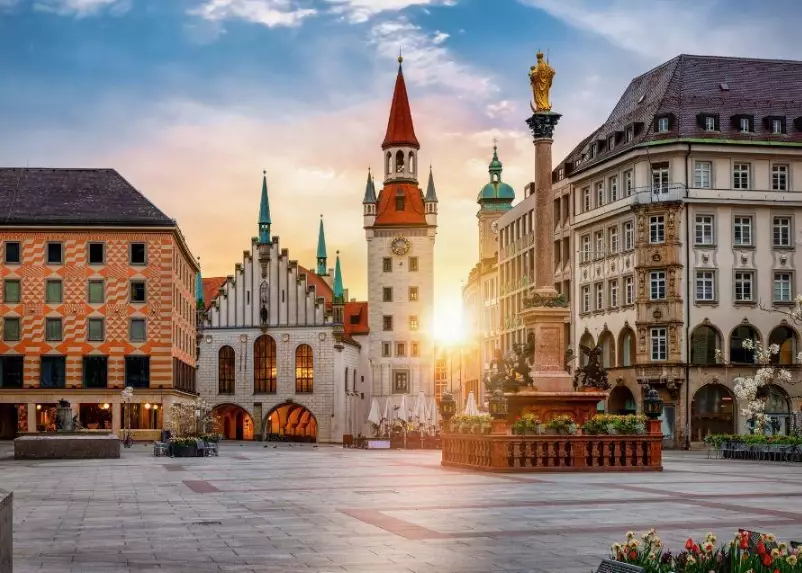
The Lifesaver: Public Transport in Munich
Munich's public transport system (MVV) is brilliant, clean, and efficient. It can also seem confusing at first glance. Here's the core Munich travel advice for getting around:
- The MVV App is Your Best Friend: Download it before you land. It has real-time schedules, route planning, and you can buy digital tickets. Saves you from deciphering the ticket machines under pressure.
- Understand the Zones: Munich is divided into rings (M, 1-6). For most tourists sticking to the city center, the Inner District (Innenraum) ticket (covering zones M-1) is sufficient. This gets you to Nymphenburg Palace, the Allianz Arena, and Dachau.
- Day Tickets are Gold: If you plan on making more than two trips in a day, a Single-Day Ticket (Tageskarte) for the relevant zones is almost always cheaper. There's also a Partner-Day Ticket for groups up to 5 people—incredible value.
- For Airport Transfers: The S-Bahn S1 or S8 lines run from Munich Airport (MUC) to the Hauptbahnhof (main station) in about 45 minutes. It's far cheaper than a taxi. Just validate your airport ticket before boarding!
A key piece of Munich travel advice: Validate your paper ticket in the little blue or red stamping machines before you get on the U-Bahn or S-Bahn. An unvalidated ticket is invalid, and plain-clothes inspectors do check. The fine is hefty and embarrassing.
Where to Lay Your Head: Munich Accommodation Unpacked
Picking the right area is half the battle. "Central" isn't always best, especially if you want a quieter, more local feel.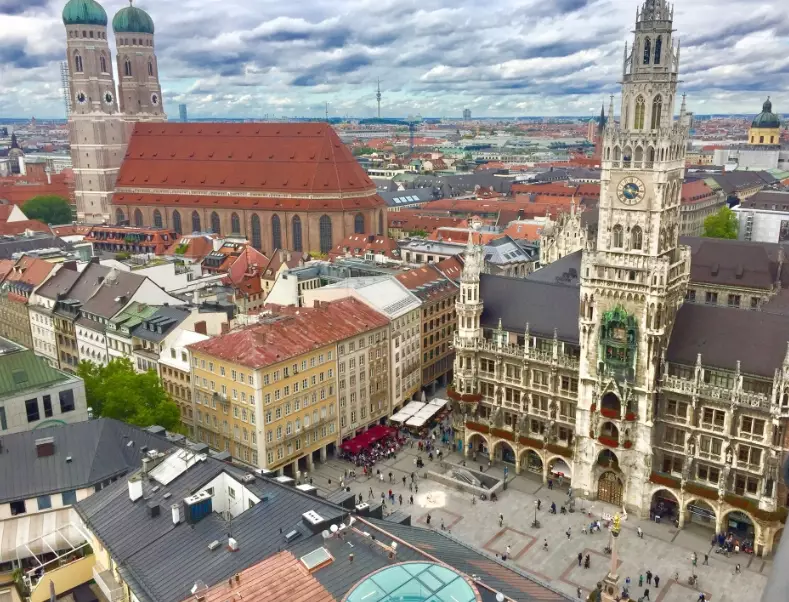
| District | Vibe | Best For | Considerations |
|---|---|---|---|
| Altstadt-Lehel (Old Town) | Historic, tourist-central, bustling | First-time visitors, short stays, being in the heart of it all | Most expensive, can be noisy at night, tourist crowds |
| Ludwigsvorstadt-Isarvorstadt (near Hauptbahnhof) | Convenient, multicultural, slightly gritty | Budget travelers, late arrivals/early departures | Area right around the station can feel seedy; go a few blocks east towards the Glockenbachviertel for a cooler vibe |
| Schwabing & Maxvorstadt | Academic, chic, artistic | Culture lovers, longer stays, foodies | Slightly pricier than some, but full of character and great cafes |
| Haidhausen | Quaint, village-like, upscale residential | Families, a peaceful retreat, local experience | A short tram/U-Bahn ride from the center, but feels worlds away |
| Sendling & Westend | Local, affordable, authentic | Travelers on a tighter budget seeking authenticity | Fewer "sights" but great for seeing everyday Munich life |
My personal favorite? Haidhausen. It's across the river from the old town, has beautiful Wilhelminian-style buildings, the wonderful Weißes Bräuhaus restaurant, and is a 15-minute walk or a quick U-Bahn hop to Marienplatz. You get peace and charm without being isolated.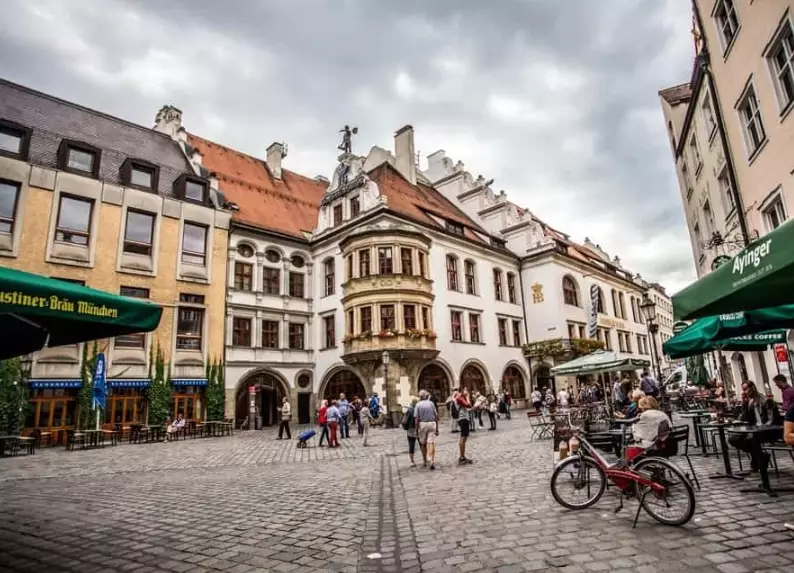
The Can't-Miss, The Overrated, and The Hidden Gems
Everyone will tell you to see the Glockenspiel and the Residenz. They're right, you should. But let's add some depth to your Munich travel advice with a more nuanced look.
The Absolute Essentials (Do These First)
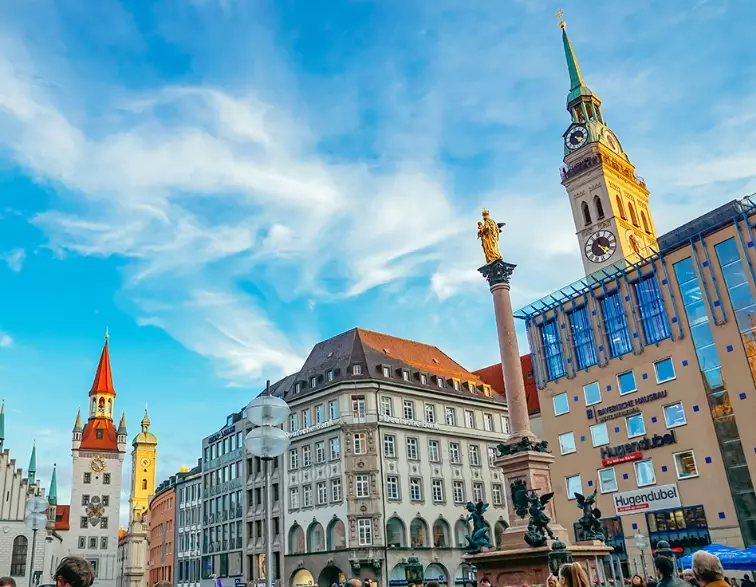
- Marienplatz & the New Town Hall (Neues Rathaus): The heart. The Glockenspiel chimes at 11 am and 12 pm (also 5 pm March-October). It's cheesy but charming. Get there early for a good view, or skip the crowd and watch from the balcony of the Café Glockenspiel across the square (coffee is pricey, you're paying for the view).
- Viktualienmarkt: This isn't just a market; it's Munich's living room. Go hungry. Sample cheeses, grab a fresh pretzel, and have lunch at one of the standing stalls. Don't miss the maypole in the center and the small beer garden tucked in the back.
- English Garden (Englischer Garten): It's bigger than Central Park. Rent a bike or just wander. You must see the surfers riding the stationary wave at the Eisbachwelle near the Haus der Kunst. It's mesmerizing. The Chinese Tower beer garden is massive and fun.
- Nymphenburg Palace: The summer residence of the Bavarian kings. The palace itself is grand, but the real winner for me are the expansive gardens. They're free to enter and perfect for a long, peaceful stroll away from the city bustle.
Honestly, You Can Skip (Unless You're Dying To)
- Hofbräuhaus: I'll say it. It's the epitome of a tourist trap. It's loud, crowded with non-locals, and the food is mediocre at best. It's an experience, sure, but for authentic atmosphere and better food, go to the Augustiner-Keller or any of the smaller beer halls in the neighborhoods.
- BMW Welt vs. BMW Museum: A bit of clarity. BMW Welt is the free, futuristic showroom with the latest cars. The BMW Museum (requires a ticket) is across the street and delves into the history. If you're not a mega car enthusiast, the free Welt is impressive enough.
The Local Favorites (My Top Hidden Gems)
- Asam Church (Asamkirche): Tucked away on a busy street, step inside this Baroque masterpiece. The explosion of detail and gold is overwhelming in the best way. It's free and takes 10 minutes, but it's unforgettable.
- Müller'sches Volksbad: An Art Nouveau public swimming bath from 1901. Swimming in this ornate, historic pool feels like a scene from a movie. A perfect activity for a rainy afternoon.
- Flohmarkt am Olympiapark: The flea market at the Olympic Park on Saturdays. It's huge, chaotic, and fantastic for people-watching and hunting for quirky souvenirs.
- Gärtnerplatzviertel: The Glockenbach neighborhood around Gärtnerplatz square is Munich's trendy, LGBTQ+ friendly area. Full of independent boutiques, cool cafes, and great bars. It's the city's youthful, creative side.
Eating & Drinking: Beyond the Pork Knuckle
Bavarian food is hearty. Think meat, dumplings, cabbage. It's delicious, but after a few days, you might crave something green. Here's the food-focused Munich travel advice.
Must-Try Bavarian Classics:
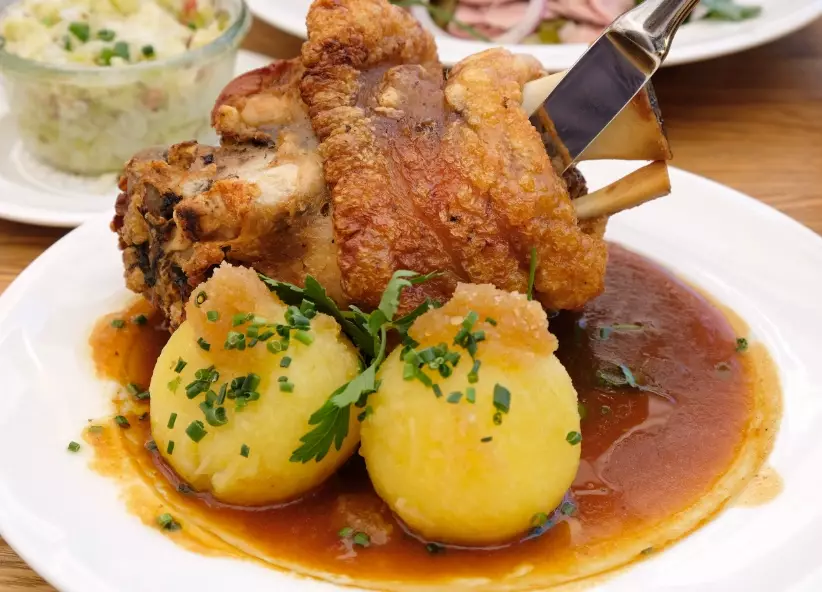
- Schweinshaxe: Crispy roasted pork knuckle. Share one, it's massive. Augustiner am Dom does a great one.
- Weißwurst: The traditional white sausage. Served before noon, traditionally. You suck the meat out of the skin (or peel it). Don't forget the sweet mustard (süßer Senf).
- Obatzda: A creamy, spiced cheese-butter spread. Slather it on a pretzel. Heaven.
- Kaiserschmarrn: A shredded, caramelized pancake, often with raisins and apple sauce. The ultimate comfort dessert.

Where do the locals go? For a classic, no-frills experience, I love Wirtshaus in der Au. For a more modern take on Bavarian cuisine in a beautiful setting, Tantris is a legendary (and expensive) fine-dining option, while Görreshof offers fantastic quality in a more relaxed bistro setting.
And coffee? Munich has a thriving third-wave coffee scene. Skip the generic chains and head to Man Versus Machine in the Glockenbachviertel or Vits der Kaffee near the university for a seriously good cup.
The Crown Jewels: Day Trips from Munich
This, for me, is where Munich truly shines. Within two hours, you can be in a fairy tale or on a mountain peak. This is non-negotiable Munich travel advice: plan at least one day trip.
The Top Contender: Neuschwanstein & Hohenschwangau
King Ludwig II's famous castle. Yes, it's crowded. Yes, it's a cliché. It's also stunning. Book your timed entry ticket online in advance on the official Hohenschwangau website. The hike up to Marienbrücke bridge for the postcard view is worth it. Consider combining it with a visit to nearby Linderhof Palace, Ludwig's more intimate home.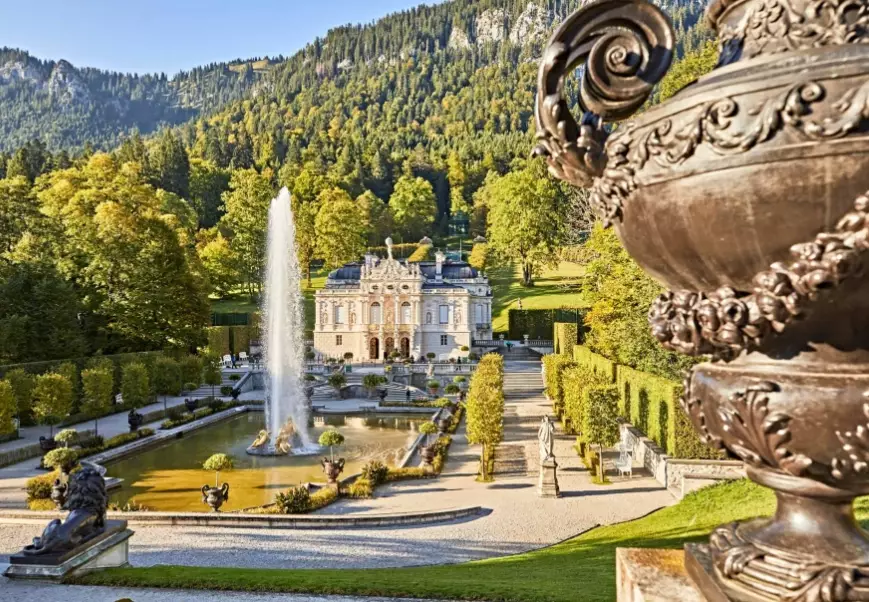
The Underrated Masterpiece: Salzburg, Austria
Just 1.5 hours by direct train. Mozart's birthplace, the stunning Mirabell Gardens, and the Hohensalzburg Fortress. It feels different from Germany—more baroque, more musical. A perfect blend of culture and Alpine scenery. The ÖBB (Austrian Railways) website often has good deals.
The Natural Escape: The Bavarian Alps (Garmisch-Partenkirchen, Mittenwald)
Take the train to Garmisch (about 80 mins). From there, you can take a cogwheel train and cable car up to the Zugspitze, Germany's highest peak. The views are mind-blowing. Alternatively, the town of Mittenwald is a picture-perfect village famous for violin making and painted houses. It's like walking into a storybook.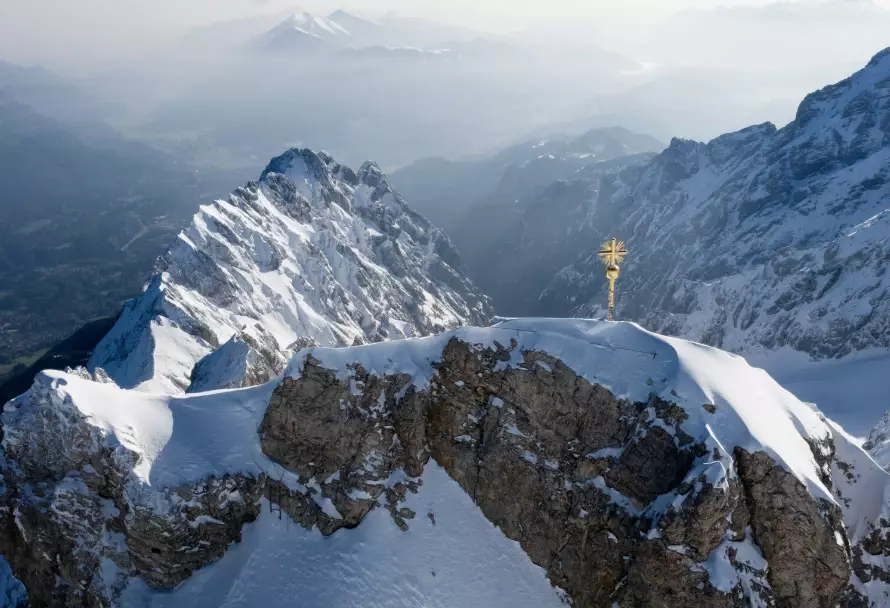
The Somber Necessity: Dachau Concentration Camp Memorial Site
It's not a "pleasant" trip, but it is a profoundly important one. A short S-Bahn ride (S2 to Dachau station, then bus 726). The memorial site (official website here) is free to enter, but I highly recommend the audio guide or a guided tour to fully comprehend the history. It's a sobering, essential piece of historical context.
Your Munich Travel Advice FAQ: Quick Answers to Real Questions
Here are the things I've been asked most often, or questions I had myself before visiting.
Pulling It All Together: A Sample 4-Day Munich Itinerary
Let's apply all this Munich travel advice into a practical plan. This balances sights, food, and a taste of the Alps.
Day 1: The Historic Core. Start at Marienplatz for the 11 am Glockenspiel. Tour the New Town Hall tower for views. Get lost in the Viktualienmarkt for lunch. Visit the Asam Church for a Baroque shock. Explore the Residenz (the former royal palace). Evening: Dinner at a traditional *Wirtshaus* in the Altstadt.
Day 2: Art, Culture & the English Garden. Morning at the Pinakothek der Moderne or the Lenbachhaus for art. Walk to the English Garden, see the surfers, and have lunch at the Chinese Tower beer garden. Afternoon, rent a bike and cycle along the Isar River, or visit the peaceful Nymphenburg Palace gardens. Evening in the trendy Gärtnerplatzviertel.
Day 3: Day Trip - The Alps. Early train to Garmisch-Partenkirchen. Take the Zugspitze cable car for breathtaking Alpine views. Have a late lunch of hearty mountain food in town. Return to Munich in the early evening, tired but happy.
Day 4: Local Life & Departure. Explore a neighborhood like Haidhausen or Schwabing. Visit a local market (like the Wiener Markt in Haidhausen). Do some last-minute souvenir shopping for local products (mustard from the Viktualienmarkt, maybe a small cuckoo clock from a reputable shop). Have a final beer garden session before you head to the airport.
Look, the best Munich travel advice I can give you is this: see the sights, but then wander. Get off the U-Bahn a stop early. Sit in a beer garden and just watch the world go by. Have a coffee in a neighborhood where no one speaks English. Munich reveals its true self not just in its palaces and museums, but in its quiet residential streets, its bustling local markets, and the way the light hits the Alps in the distance at sunset. It's a city that feels both grand and deeply livable. Plan well, but leave room for the unexpected. That's where the magic happens.
Prost, and have an amazing trip.