So, you're planning a trip to Berlin and wondering when to go. Let's cut to the chase: based on my ten years of living and traveling here, the sweet spots are May and September. But that's just the start. Your ideal month depends on what you want—festivals, budget, weather, or avoiding crowds. I've seen tourists flock in August only to complain about queues, while others visit in January and miss the city's vibrant outdoor life.
Quick Jump to Key Sections
Berlin Weather Analysis: What to Expect Each Season
Berlin's weather is temperate but unpredictable. Don't trust averages blindly—I've had sunny days in November and rain in July. Here's a reality check.
Spring in Berlin: March to May
March is still chilly, with highs around 8°C and occasional snow. But by April, things warm up to 13°C, and May hits a pleasant 18°C. Spring is when the city shakes off winter. Parks like Tiergarten burst into bloom, but pack a jacket—rain showers are common. I love early May for cycling along the Spree River without the summer heat.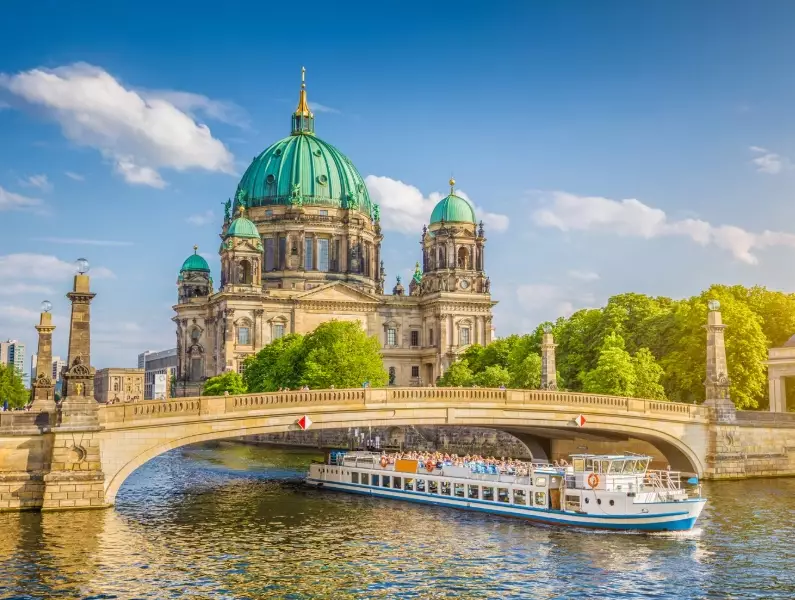
Summer in Berlin: June to August
Summer means warmth, with averages of 22-24°C, but heatwaves can push it to 35°C. August is the hottest and most humid. Days are long (sunset after 9 pm), perfect for beer gardens. However, air conditioning isn't widespread, so book accommodations with AC if you're sensitive. A friend visited in July and spent days hunting for shaded spots.
Autumn in Berlin: September to November
September is golden—temperatures around 18°C, crisp air, and fewer tourists. October cools to 12°C, with fall foliage in places like Grunewald Forest. November turns gray and damp, with highs of 7°C. I'd pick September every time; it's like summer but without the sweat.
Winter in Berlin: December to February
Winter is cold, with averages of 2-4°C and short daylight (sunset by 4 pm). Snow is possible but not guaranteed. December has Christmas magic, but January and February are bleak. If you don't mind bundling up, you'll find museum queues shorter. I once explored Museum Island in February with barely any wait.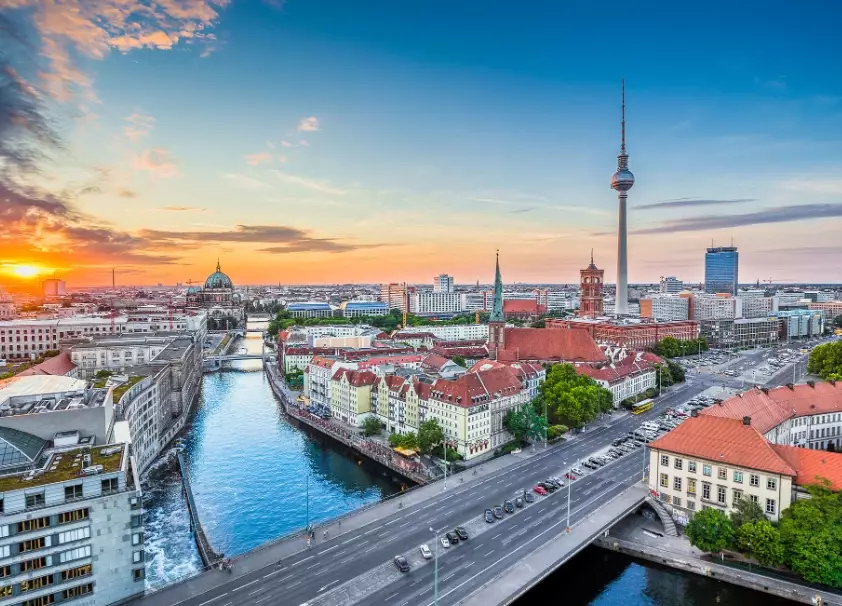
Pro tip: Always check the forecast a week before your trip. Berlin's weather shifts fast—I've seen sunny forecasts turn to rain in hours. Pack layers, regardless of the month.
Key Events and Festivals by Month
Berlin's calendar is packed. Missing an event might be a blessing if you hate crowds. Here's a rundown of what happens when.
| Month | Major Events | What to Know |
|---|---|---|
| March | Berlin International Film Festival (Berlinale) | Huge for film buffs; tickets sell out fast. Public screenings available. |
| April | Easter Markets, Gallery Weekend | Smaller crowds, but some shops close on Good Friday. |
| May | Karneval der Kulturen, Labor Day rallies | Street festivals in Kreuzberg; can get rowdy on May 1st. |
| June | Christopher Street Day (Pride), Fête de la Musique | Massive parades; book hotels early in LGBTQ+ districts. |
| July | Berlin Beer Festival, Classic Open Air | Beer festival along Karl-Marx-Allee; free entry but packed. |
| August | Berlin Music Week, Open-Air Cinemas | Tourist peak; expect higher prices and queues everywhere. |
| September | Berlin Art Week, Oktoberfest celebrations (local) | Cultural events without summer crowds; weather is ideal. |
| October | Festival of Lights, Unity Day | City landmarks lit up; October 3rd is a public holiday. |
| November | Berlin Jazz Festival, Christmas markets start | Markets open late November; days get shorter fast. |
| December | Christmas markets, New Year's Eve at Brandenburg Gate | Magical but crowded; markets close December 23rd-24th. |
| January | New Year sales, Green Week (agricultural fair) | Quiet post-holidays; good for budget shopping. |
| February | Berlinale (continues), Fashion Week | Cold but culturally rich; dress warm for outdoor queues. |
Many events are free, but for ticketed ones like the Berlinale, book months ahead. The official Berlin tourism site (visitberlin.de) has updated lists.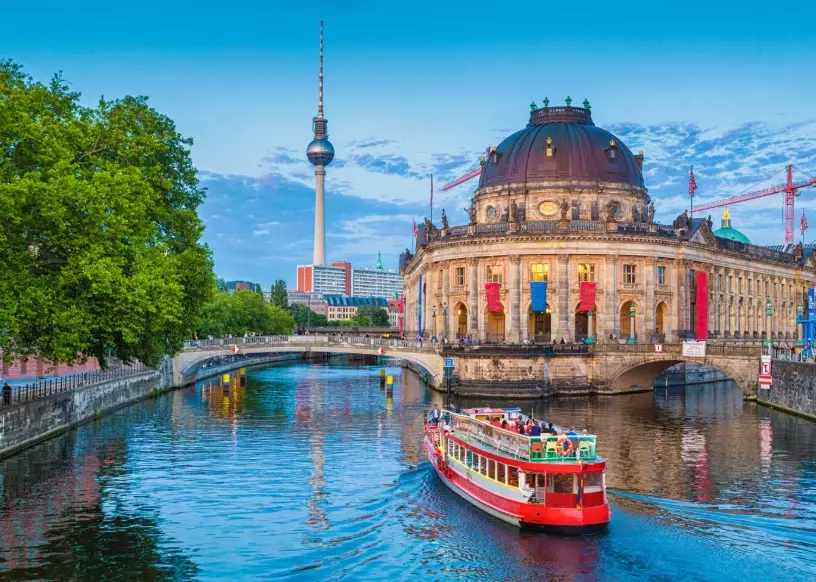
Crowds and Prices: When to Save Money
Your wallet will feel the difference. I've tracked prices over the years—here's the scoop.
Peak season: June to August. Hotel rates jump 30-50%, especially near attractions like Alexanderplatz. A mid-range hotel that costs €80/night in May might hit €120 in August. Flights from within Europe average €200+ round-trip.
Shoulder season: April-May and September-October. Prices moderate, crowds thin. I found a flight from Paris for €150 in late September and stayed at a nice hostel for €25/night.
Low season: November to March (excluding December). This is where you save. Flight deals pop up—I've seen €100 round-trips from London in January. Hotels drop rates, and you can snag a central apartment for €60/night. But some outdoor attractions close or have limited hours.
Attraction costs stay steady year-round, but wait times vary. For example, the Reichstag dome requires free booking; in summer, slots fill weeks ahead, while in winter, you might book same-day. Check the German Parliament site (bundestag.de) for details.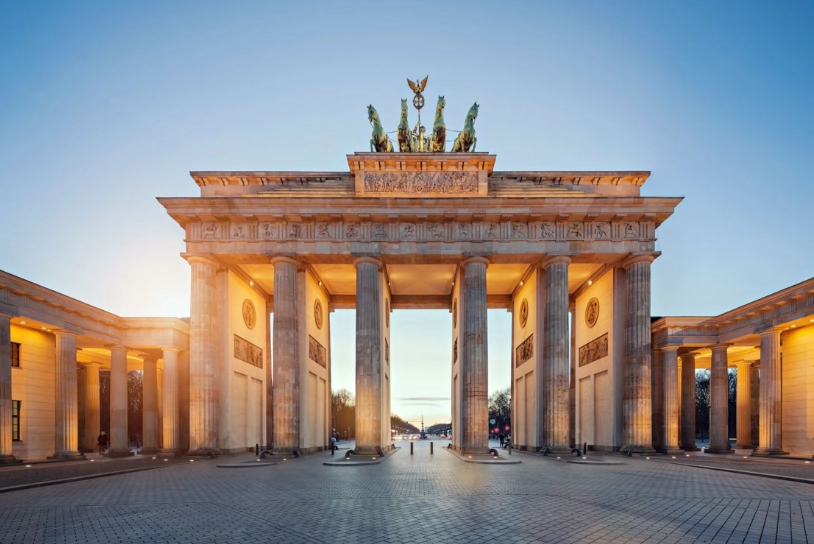
Monthly Breakdown: Pros and Cons
Let's get granular. Based on my experiences, here's a quick guide.
January: Pros—cheapest flights, no crowds, post-holiday sales. Cons—cold, gray, some attractions closed on Mondays. Best for budget travelers who love museums.
February: Pros—Berlinale film festival, lower prices. Cons—still cold, possible snow disruptions. Dress in warm layers.
March: Pros—weather improves, events pick up. Cons—unpredictable rain, not yet spring bloom. A transitional month.
April: Pros—Easter markets, blooming parks. Cons—can be chilly, occasional showers. Pack an umbrella.
May: Pros—ideal weather (15-20°C), festivals start, fewer tourists than summer. Cons—Labor Day rallies can cause disruptions in some areas. My top pick for balance.
June: Pros—long days, Pride events, outdoor dining. Cons—crowds build, prices rise. Book ahead.
July: Pros—beer festival, warm evenings. Cons—peak heat, crowded public transport. Stay hydrated.
August: Pros—vibrant atmosphere, open-air events. Cons—most crowded, highest prices. Avoid if you dislike queues.
September: Pros—perfect weather, cultural events, crowds ease. Cons—none major, but nights start cooling. Another top pick.
October: Pros—fall colors, Festival of Lights. Cons—days shorten, rain increases. Good for photographers.
November: Pros—Christmas markets open late month, jazz festival. Cons—dark and damp, some attractions close earlier. Embrace the coziness.
December: Pros—Christmas magic, markets everywhere. Cons—very crowded, cold, short days. Visit early December to avoid the worst crowds.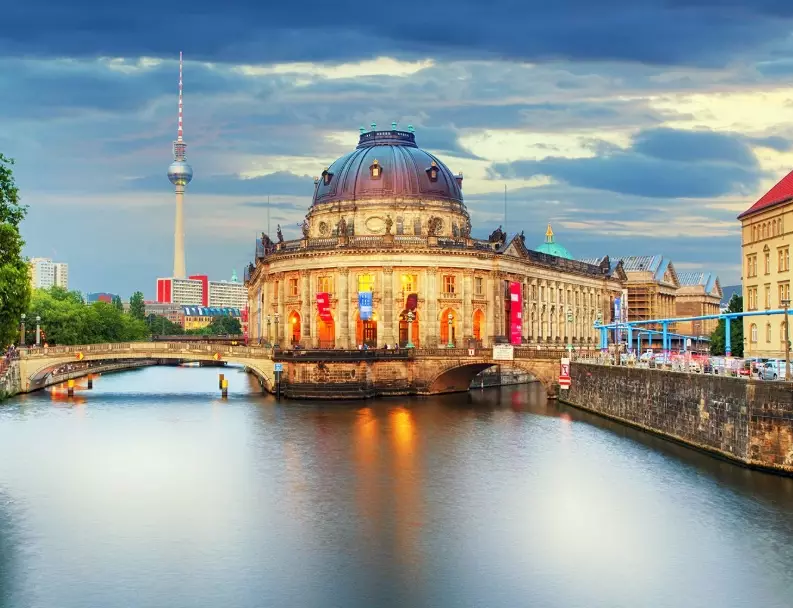
FAQ: Your Berlin Trip Questions Answered