I've lived in Berlin for years, and this is the question friends ask me most. The short, honest answer? Three to four days is the sweet spot for a first-time visitor who wants to see the major sights without running themselves ragged. But that's just the start. The real answer depends entirely on what you want from this city.
Berlin isn't a checklist city like Paris. It's a sprawling, layered, and sometimes gritty metropolis where history punches you in the gut one moment and you're sipping a craft beer in a hidden courtyard the next. Trying to "do" Berlin in one day is a recipe for frustration. Giving it a week allows you to feel its rhythm.
Your Berlin Trip at a Glance
The Short Answer: A Quick Breakdown
Let's cut to the chase. Here’s what you can realistically expect from different trip lengths.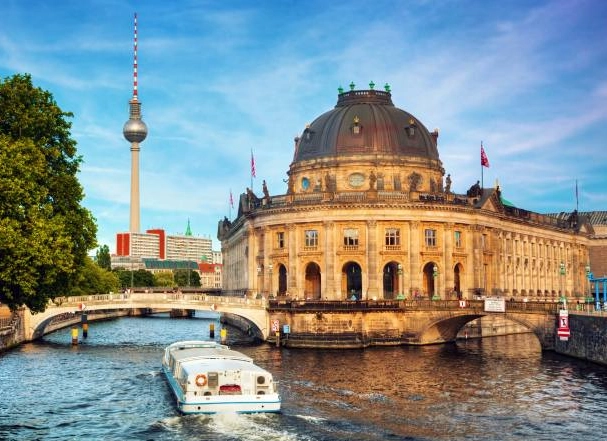
| Trip Length | What You Can See & Do | Best For... |
|---|---|---|
| 1 Day | A frantic highlights reel. Brandenburg Gate, Reichstag dome (book ahead!), Holocaust Memorial, maybe Checkpoint Charlie and a quick museum on Museum Island. You'll be exhausted. | Business trips with a free day, very short layovers. You'll get a taste, but just a taste. |
| 2-3 Days | The core historical and cultural sights. All of the above, plus time for the East Side Gallery, a proper visit to one museum (Pergamon or Jewish Museum), and an evening in a neighborhood like Kreuzberg or Prenzlauer Berg. | Weekend getaways, first-time visitors who want a solid overview. This is the minimum I'd recommend. |
| 4-5 Days | The ideal first visit. You can explore at a humane pace, dive into a second museum, take a day trip to Potsdam, spend an afternoon in a beer garden, and explore alternative neighborhoods like Neukölln or Friedrichshain. | Most travelers. This allows for depth, variety, and some spontaneity. |
| 7+ Days | Living like a local. You can attend a club night (and recover the next day), explore niche museums (like the Stasi Museum or Computer Games Museum), bike the Tempelhofer Feld, take multiple day trips, and truly discover your favorite cafes and bars. | Digital nomads, history buffs, art lovers, or those using Berlin as a base to explore eastern Germany. |
A local's tip everyone misses: Berlin's public transport is excellent, but the city is big. A common mistake is trying to hop from Charlottenburg Palace in the west to the East Side Gallery in the east in one morning. That's easily an hour on the train. Group your sights by geographic area to save hours.
How to Plan Your Perfect Berlin Itinerary
Throwing darts at a map won't work here. Your interests should dictate your days.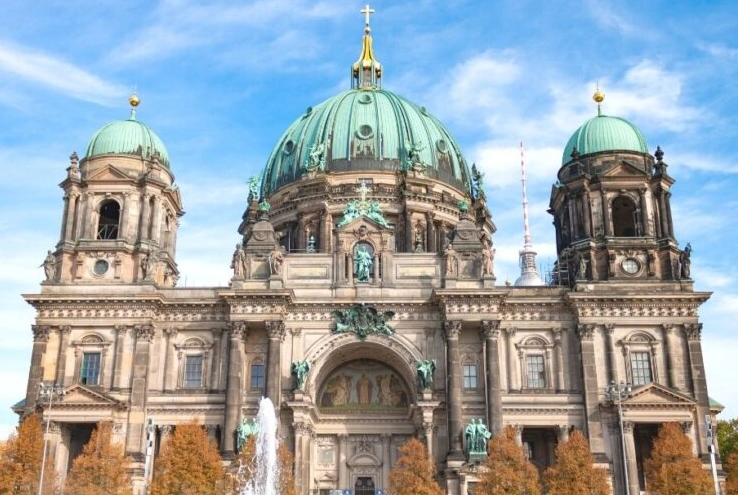
If You Love History & Politics
You'll need at least two full days. The Topography of Terror (free admission, Niederkirchnerstraße 8, open daily 10 am-8 pm) on the site of the former Gestapo headquarters is a must, but it's heavy. Pair it with the outdoor exhibits along Bernauer Straße, where pieces of the Wall still stand with the preserved "death strip." Book a tour of the Reichstag Dome weeks in advance via the Bundestag website. The Stasi Museum in Lichtenberg is fascinating but remote—factor in half a day.
If You're an Art & Museum Buff
Museum Island alone demands a day. The Pergamonmuseum (currently partially closed for renovation, check the Staatliche Museen website for updates) and the Neues Museum are the stars. A Museum Island day pass (€19) is worth it. For contemporary art, the Hamburger Bahnhof is stellar. Don't just stick to institutions—the street art in RAW-Gelände (Revaler Straße 99) or along the Holzmarkt area is a living gallery.
If You're Here for Food & Nightlife
Three days minimum, because you'll need the mornings to recover. For food, skip the touristy currywurst stands near Checkpoint Charlie. Head to Konnopke's Imbiss under the U-Bahn tracks at Eberswalder Straße (U2 line) for the real deal. Markthalle Neun in Kreuzberg (Eisenbahnstraße 42/43) hosts a famous Street Food Thursday. For nightlife, research clubs beforehand—door policies are real. Berghain is the legend, but clubs like ://about blank or Sisyphos offer incredible experiences with (slightly) more accessible doors.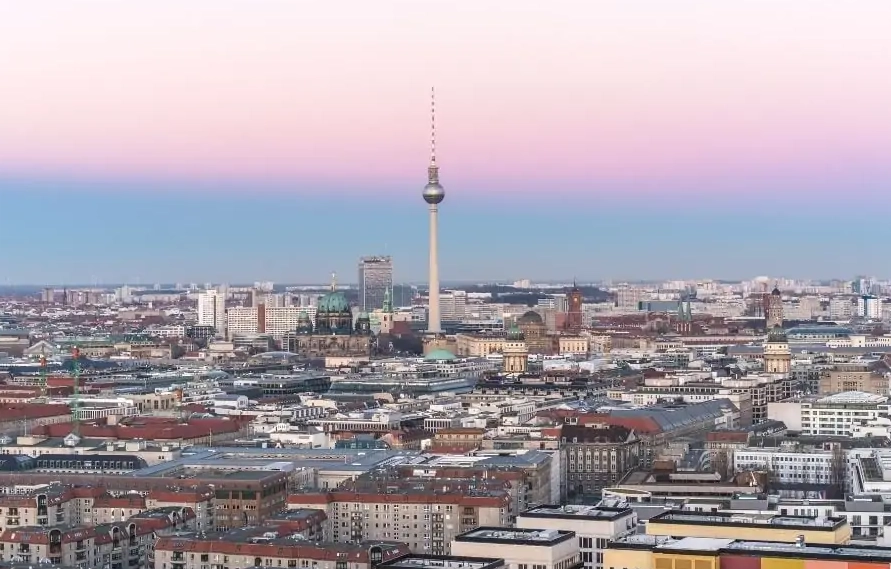
A Detailed 3-Day Berlin Itinerary (The Classic)
Here’s a paced, logical 3-day plan that covers the essentials without burnout.
Day 1: The Historic Heart & Reichstag
Start at the Brandenburg Gate (always open, free). Walk through the Holocaust Memorial (Field of Stelae) right next to it. Then, head to the Reichstag for your pre-booked dome visit (free, but registration mandatory). In the afternoon, walk to the Topography of Terror (open until 8 pm). Finish at Checkpoint Charlie—the museum is kitschy and expensive, but the outdoor exhibit is free and informative. For dinner, walk 15 minutes to Kreuzberg for endless Turkish or Vietnamese options along Oranienstraße.
Day 2: The Wall, Art, & East Berlin
Take the S-Bahn to Ostbahnhof. Walk the East Side Gallery (Mühlenstraße). Then, cross the Oberbaumbrücke into Kreuzberg. Explore the Jewish Museum (Lindenstraße 9-14, €8, a profound architectural and historical experience). Spend the late afternoon in Prenzlauer Berg (U-Bahn Eberswalder Straße), wandering the Kollwitzplatz area. Have a beer at Prater Garten, Berlin's oldest beer garden (Kastanienallee 7-9).
Day 3: Museum Island & Palace Grandeur
Dedicate the morning to Museum Island. Pick one or two museums. I recommend the Neues Museum for the bust of Nefertiti. In the afternoon, take the S-Bahn to Charlottenburg. Tour Charlottenburg Palace (Old Palace ticket €12, closed Mondays). Stroll the gardens (free). For a final evening, experience the buzzing atmosphere of Simon-Dach-Straße in Friedrichshain, packed with bars and restaurants.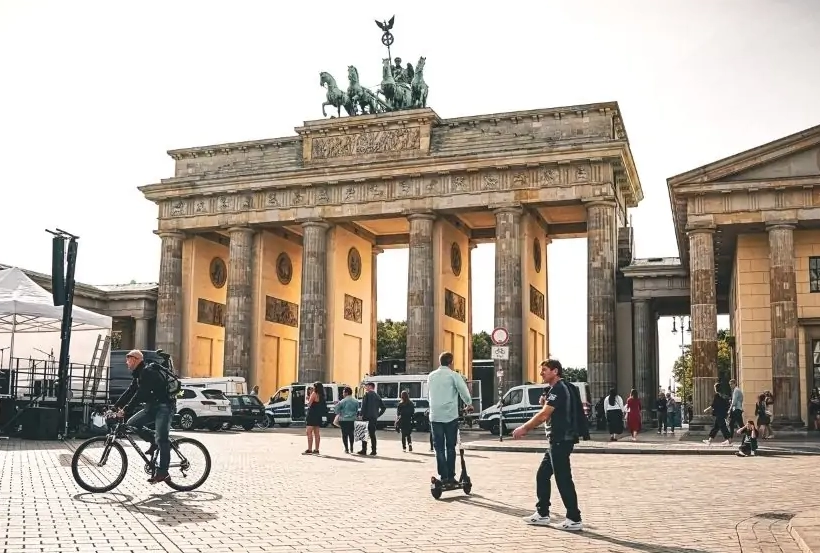
If You Have More Time: The 5-Day Deep Dive
With 5 days, you can breathe. Follow the 3-day plan, then add:
Day 4: Day Trip to Potsdam. It's not optional if you have the time. The parks and palaces of Sanssouci are a UNESCO site. Take the S-Bahn S7 to Potsdam Hauptbahnhof (about 40 mins). Get a day ticket for the bus to see the sprawling grounds. The New Palace and Orangery Palace are stunning.
Day 5: Your Personal Berlin. This is the day to follow your niche interest. Options:
- Cold War Deep Dive: Stasi Museum (Haus 1, Ruschestraße 103) and the Allied Museum in Dahlem.
- Alternative Culture: Explore the RAW-Gelände complex in Friedrichshain by day, then visit the Tempelhofer Feld—the former airport turned public park where people grill, kite, and skate on the old runways.
- Local Neighborhood Immersion: Get lost in Neukölln. Start at Tempelhofer Feld, walk to the Landwehr Canal, explore the side streets around Weserstraße for vintage shops and cafes.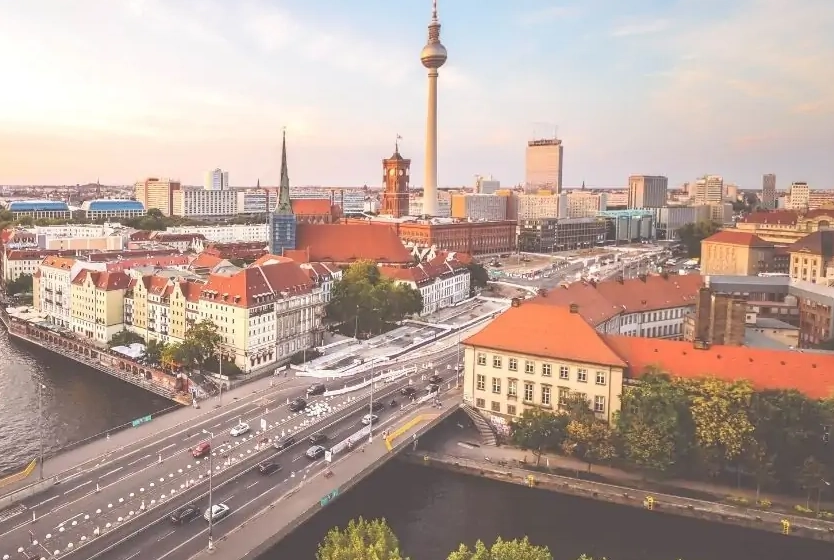
Practical Tips for Any Length of Stay
Getting Around: Buy the Berlin WelcomeCard. It covers all public transport (zones AB for the city center) and gives discounts to 200+ attractions. For a 3-day trip, the 72-hour card (€46) is often cheaper than single tickets. The BVG app is great for real-time routes.
Where to Stay: Location is key. Mitte is central but can be sterile. Prenzlauer Berg is charming and family-friendly. Kreuzberg and Friedrichshain are vibrant, with great nightlife and food. Charlottenburg is more elegant and quiet.
Budgeting: Berlin is relatively affordable for a Western European capital. You can eat well from street food or Imbiss stalls for under €10. Museum entry is reasonable (€10-€19). The biggest cost is accommodation—book early.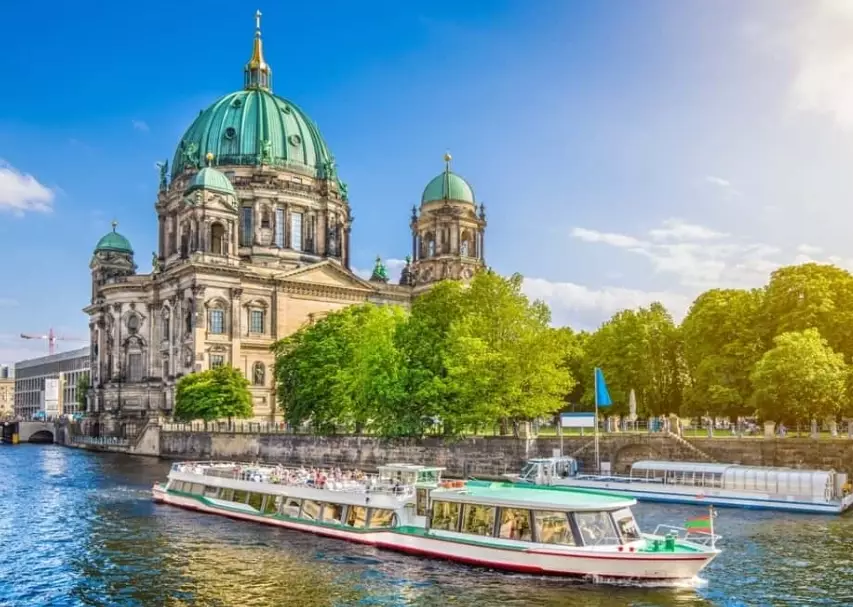
Your Berlin Trip Planning Questions Answered
So, how many days are enough for Berlin? If you're looking for a number, aim for four. It gives you room for the history, the art, a neighborhood wander, and a day trip. But Berlin has a way of pulling you in. You might come for the Wall and the Reichstag, but you'll remember the quiet moment in a sun-dappled courtyard, the taste of a perfect Döner, and the feeling of a city forever in flux. Give it as many days as you can.