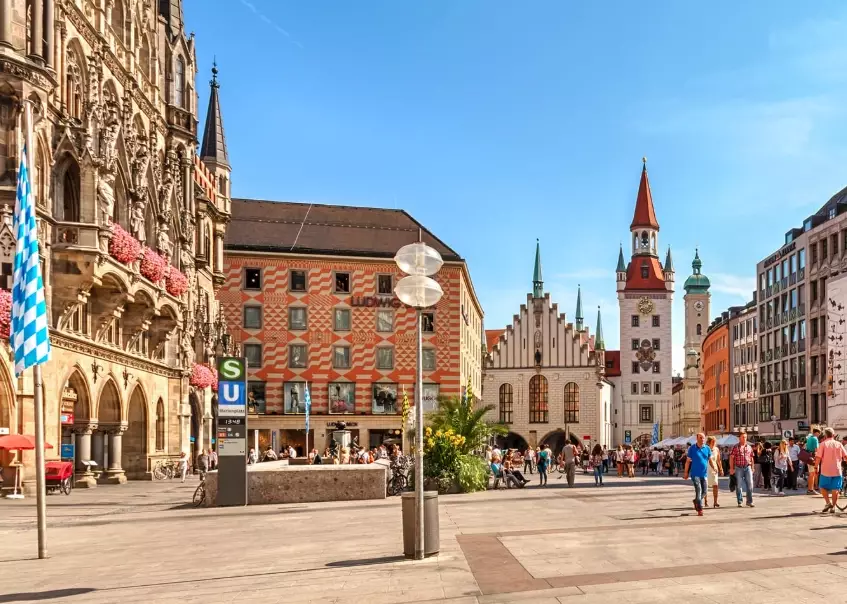
Starting a Germany itinerary from Frankfurt for 10 days gives you a fantastic launchpad into the country's diverse soul. Forget just ticking off cities. This route is about the journey itself—the river valleys, forest roads, and castle-dotted hills that connect them. Having traveled this circuit multiple times, I find most guides miss the rhythm. They pack too much in, turning relaxation into a marathon. This 10-day plan balances iconic sights with slower, more immersive experiences, focusing on a logical, scenic loop from Frankfurt to Munich and back.
Your 10-Day Germany Road Trip at a Glance
- Your Detailed 10-Day Germany Itinerary from Frankfurt
- How to Get Around Germany Efficiently?
- Where to Stay: Accommodation Picks for Each Stop
- What are the Must-Try Foods on This Germany Itinerary?
- Budgeting for Your 10-Day Germany Trip
- Expert Tips to Elevate Your Germany Itinerary
- Frequently Asked Questions (FAQ)
Your Detailed 10-Day Germany Itinerary from Frankfurt
This itinerary follows a circular route, minimizing backtracking. It's optimized for a rental car, giving you freedom, but I'll note train alternatives. Here’s the core framework:
| Day | Location | Highlights & Activities | Overnight Stay |
|---|---|---|---|
| 1 | Frankfurt | Römerberg, Main Tower view, Apfelwein tasting | Frankfurt |
| 2 | Rhine Valley | Boppard, Rhine River Cruise, Burg Rheinfels | St. Goar or Bacharach |
| 3 | Rhine Valley to Heidelberg | Marksburg Castle, drive to Heidelberg | Heidelberg |
| 4 | Heidelberg | Heidelberg Castle, Old Bridge, Philosopher's Walk | Heidelberg |
| 5 | Black Forest | Scenic drive via Triberg (waterfalls, cuckoo clocks) | Freiburg or Titisee |
| 6 | Black Forest to Bavaria | Lake Titisee, drive to Füssen via Lindau (Lake Constance) | Füssen |
| 7 | Neuschwanstein & Bavaria | Neuschwanstein Castle, Hohenschwangau Castle | Füssen |
| 8 | Füssen to Munich | Wieskirche, drive to Munich, evening at Viktualienmarkt | Munich |
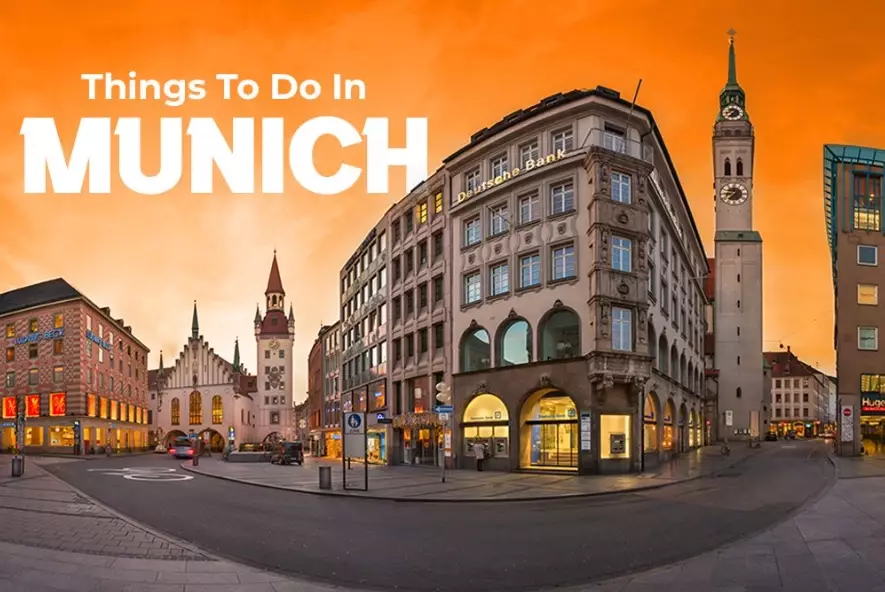
| 9 | Munich | Marienplatz, Residenz, English Garden, Hofbräuhaus | Munich |
| 10 | Munich to Frankfurt | Morning in Munich, train or drive back to Frankfurt | Departure |
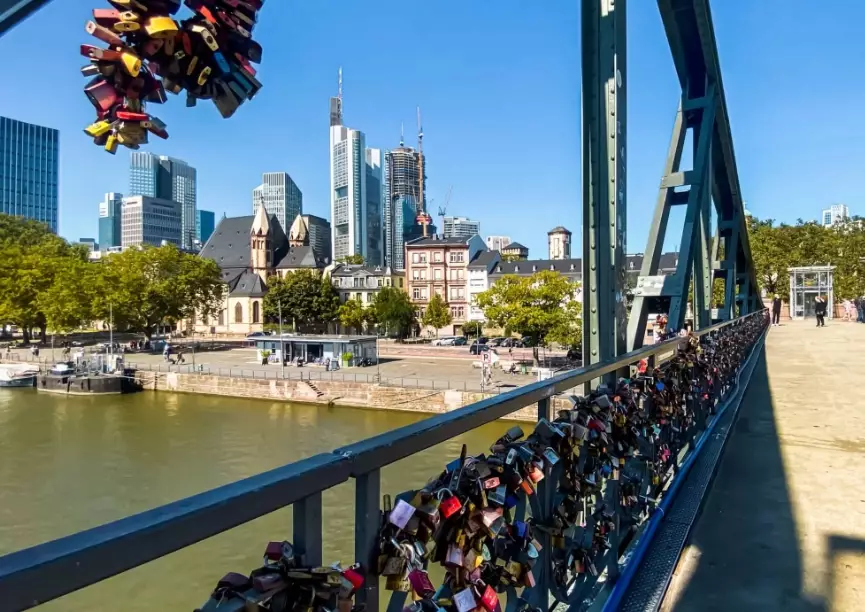
Day 1: Frankfurt – More Than Just an Airport. Most people flee Frankfurt immediately. That's a mistake. Spend your first day recovering from jet lag by exploring the compact city center. Head straight to the Römerberg (Frankfurt’s old square). It’s touristy, yes, but it’s the historical heart. For a panoramic view, go up the Main Tower (€9, open daily 10 am - 9 pm, last entry 8:30 pm). Skip the overpriced restaurants around the square. Instead, take a 15-minute tram ride to the Sachsenhausen district for an authentic Apfelwein (apple wine) experience at a traditional pub like Zum Gemalten Haus (Schweizer Str. 67). Order a Bembel (the jug) and some Handkäs mit Musik (sour cheese with onions).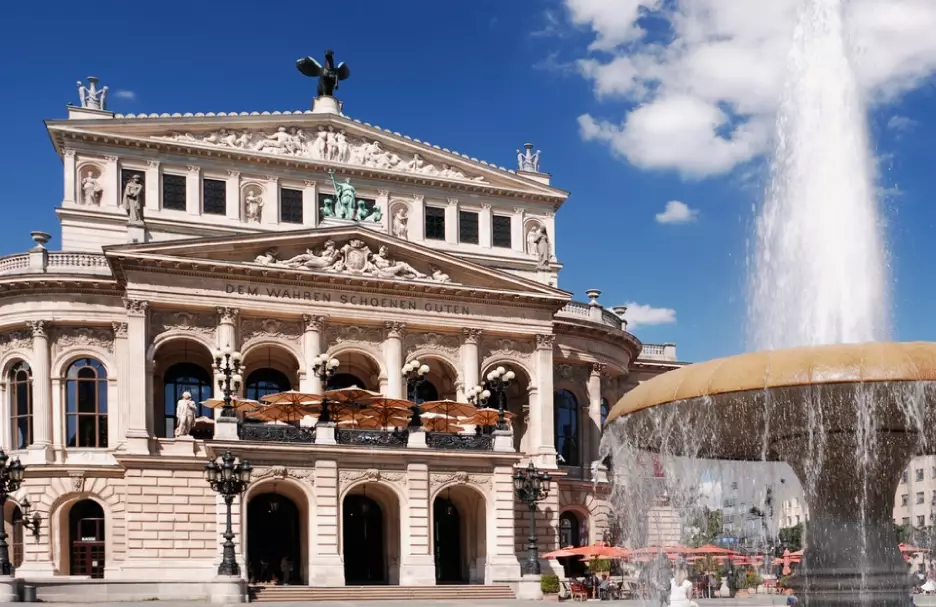
Day 2: Into the Rhine Valley. Pick up your rental car in the morning (book in advance). The drive to the Rhine Valley is about 1 hour. Don’t head straight to the most famous spot. Instead, park in Boppard. Walk the riverside promenade, then take the chairlift up to the Vierseenblick (Four-Lakes-View, €10 round trip). It offers the best geography lesson on the Rhine’s dramatic bends. In the afternoon, take a KD Rhine Cruise (k-d.com) from Boppard to St. Goar (approx. 1 hour). You’ll pass Loreley Rock and countless castles from the water. In St. Goar, explore the ruins of Burg Rheinfels (€6, 9 am - 6 pm), a massive fortress you can get lost in. Stay overnight in a family-run guesthouse in Bacharach (like Hotel Rheinstein) for that storybook village feel.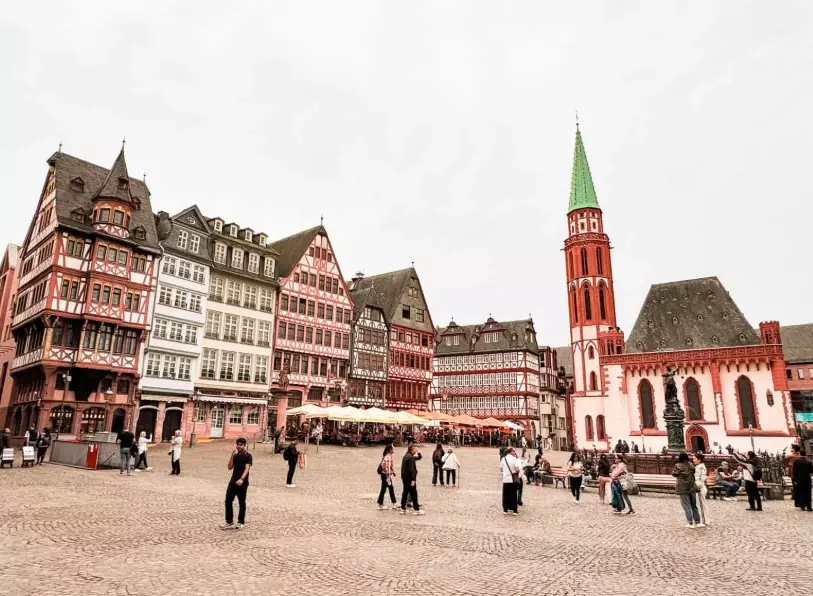
Day 3: Castles and the Road to Heidelberg. Morning visit to Marksburg Castle (Braubach, €10, 10 am - 5 pm). This is the only hill castle on the Rhine never destroyed, and its interior is the most authentic. The tour is mandatory but excellent. After lunch, drive to Heidelberg (about 1.5 hours). The rest of the day is free. Stroll across the Old Bridge at sunset—it’s a cliché for a reason.
Day 4: Heidelberg’s Romantic Charm. Book your Heidelberg Castle ticket online (€9 for grounds, castle courtyard, and the German Pharmacy Museum; funicular railway extra). The 10 am slot works well. The castle is a magnificent ruin. Most visitors spend 2-3 hours here. In the afternoon, walk the Philosopher’s Way on the north side of the river for the postcard view back to the castle. It’s a steep climb but takes only 20-30 minutes to a good viewpoint. Have dinner in the old town, but avoid the main pedestrian street (Hauptstraße) for food—dive into the side alleys.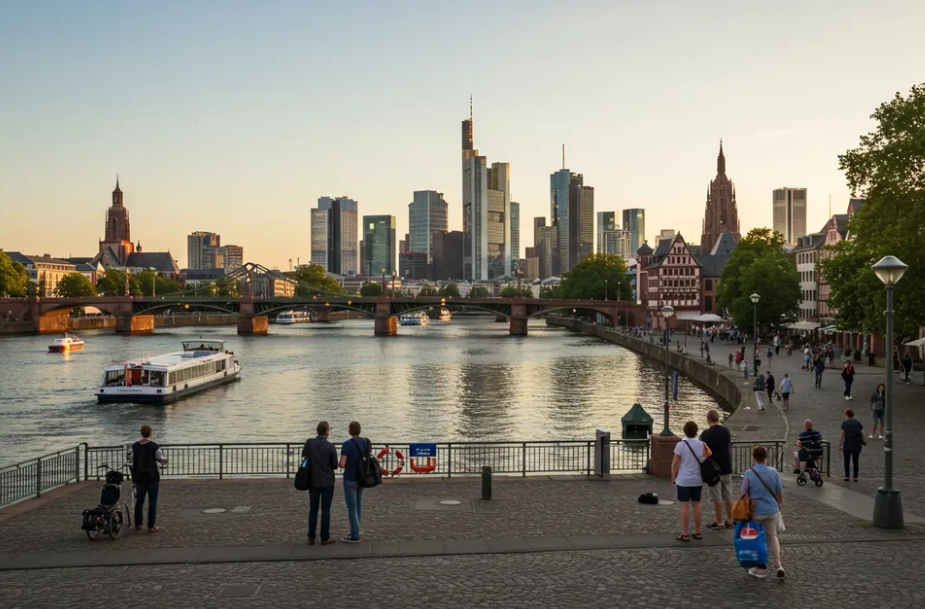
Day 5: The Black Forest Scenic Drive. Today is a driving day, but the road is the attraction. Take the B500 Schwarzwaldhochstraße (Black Forest High Road). Your key stop is Triberg. Here, you have two main attractions: Germany’s highest waterfalls (€8, well-maintained paths) and the world of cuckoo clocks. Visit the House of 1000 Clocks for a vast selection. For a more authentic, less crowded clock shop, try Dorotheenhütte in nearby Wolfach, which also has a glassblowing workshop. Overnight in Freiburg for a vibrant university town vibe or by Titisee for lake-side tranquility.
Day 6: Lake Constance Detour to the Alps. If you stayed in Freiburg, visit the magnificent Freiburg Münster cathedral first. Then, drive towards Füssen. I recommend a detour south to Lindau on Lake Constance (adds about 1 hour). The island town with its Bavarian lion harbor is a delightful lunch stop. Then, drive east into the foothills of the Alps towards Füssen. This approach gives you stunning alpine previews. Check into your hotel in Füssen—book this well in advance, especially in summer.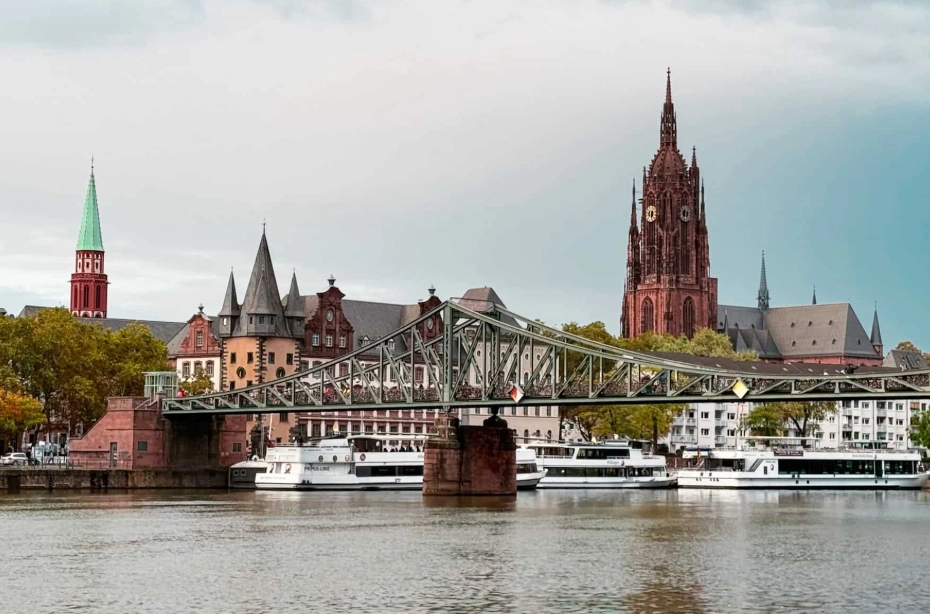
Day 7: Neuschwanstein Castle – Doing it Right. This is the highlight for many. The biggest mistake is showing up without a ticket. You must book your Neuschwanstein Castle guided tour ticket online weeks ahead at hohenschwangau.de. The ticket center opens at 8 am, but your tour time will be later. Use the gap to visit Hohenschwangau Castle (King Ludwig’s childhood home, often more interesting historically) or hike up to Marienbrücke bridge for the iconic castle photo. The hike to Neuschwanstein takes 30-40 minutes uphill; buses and horse carriages are also available. The interior of Neuschwanstein is impressive but unfinished—only 14 rooms were completed. The tour lasts 30 minutes. Spend the rest of the day relaxing in Füssen’s lovely old town.
Day 8: A Rococo Gem en Route to Munich. Before heading to Munich, drive 30 minutes to the Wieskirche (Church in the Meadow), a UNESCO World Heritage site. This rococo masterpiece in the middle of fields is breathtakingly beautiful and often quiet in the morning. Then, drive to Munich (about 2 hours). Drop off your rental car at the Munich station (having a car in Munich is a liability). In the evening, immerse yourself in the atmosphere at the Viktualienmarkt open-air market and have a beer at the nearby Augustiner-Keller for a less touristy beer garden experience than the Hofbräuhaus.
Day 9: Munich’s Imperial and Lively Sides. Start at Marienplatz for the 11 am Glockenspiel show (it’s short, don’t overhype it). Then, walk to the Residenz, the former royal palace of the Wittelsbach monarchs. Its treasury and rooms are opulent. In the afternoon, escape to the English Garden, one of the world’s largest urban parks. Watch the surfers at the Eisbach wave. For your final night, you can do the Hofbräuhaus (Am Platzl 9) for the spectacle, but be prepared for crowds and tourist prices.
Day 10: Return to Frankfurt. You have options. If your flight is late, visit the Deutsches Museum (one of the world's largest science museums) for a few hours. The most stress-free way back to Frankfurt is via high-speed ICE train from Munich Hauptbahnhof (about 3.5 hours, book a Sparpreis fare in advance for big savings). Driving takes about 3.5-4 hours on the autobahn.
How to Get Around Germany Efficiently?
This itinerary is designed for a rental car. It offers unparalleled flexibility for the Rhine Valley vistas, Black Forest drives, and alpine detours. Book an automatic transmission if you're not used to manual. Pick up in Frankfurt city center on Day 2, drop off in Munich on Day 8. Major providers (Sixt, Europcar) have stations in both cities. Expect to pay €350-€500 for a week for a compact car, including insurance and one-way fee.
The train is a viable but different experience. You’d need to base yourself in key towns and take day trips, losing some spontaneity. For example, you could train from Frankfurt to St. Goar, then to Heidelberg, then to Freiburg, then to Füssen (involving buses), then to Munich. The German Rail Pass (Deutschland-Ticket) might not be cost-effective for this specific, mixed route. Point-to-point Sparpreis tickets booked early are often cheaper. The scenic loss on the Black Forest and Lake Constance routes is significant.
Where to Stay: Accommodation Picks for Each Stop
Location trumps luxury here. You want to be in or near the old towns to walk to dinner and soak up the atmosphere.
- Frankfurt: 25hours Hotel by Levi’s (Niddastraße 58). Funky design, great rooftop bar, close to the main station and trams. Rooms from €120/night.
- Rhine Valley (Bacharach): Hotel Rheinstein (Blücherstraße 2). Traditional, family-run, right on the river with a fantastic restaurant. Rooms from €100/night. Book a river-view room.
- Heidelberg: Hotel Zum Ritter St. Georg (Hauptstraße 178). A historic building right on the main street. It’s iconic, but rooms in the old building can be noisy. Ask for a courtyard room. From €130/night.
- Black Forest (Freiburg): Hotel Oberkirch (Münsterplatz 22). Right on the cathedral square. Some rooms have breathtaking views of the Münster. From €140/night.
- Füssen: Hotel Sonne (Prinzregentenplatz 1). Centrally located, excellent Bavarian-style rooms, and includes a great breakfast. Crucial for your Neuschwanstein day. From €110/night.
- Munich: Hotel Blauer Bock (Sebastiansplatz 9). A traditional hotel near the Viktualienmarkt, recently renovated. It’s in the heart of the action but on a relatively quiet square. From €150/night.
What are the Must-Try Foods on This Germany Itinerary?
German food is regional. Follow this culinary map.
Frankfurt/Rhine Valley: Apfelwein (tart apple wine). Handkäs mit Musik. Rippchen mit Kraut (cured pork chops with sauerkraut).
Heidelberg/Black Forest: Schwarzwälder Kirschtorte (Black Forest gateau) – try it at Café Schäfer in Triberg (claimed to be the inventor). Schäufele in Franconia (slow-roasted pork shoulder). In Freiburg, head to Martin's Bräu (Kaiser-Joseph-Straße 237) for Swabian dishes like Maultaschen (filled pasta pockets).
Bavaria (Füssen/Munich): Weißwurst (white sausage) before noon with sweet mustard. Obatzda (cheese spread). Schweinshaxe (pork knuckle) – for a good one in Munich without the tourist circus, try Augustiner-Keller (Arnulfstraße 52). Kaiserschmarrn (shredded pancake) for dessert.
Don't just drink beer in Munich. Try a Radler (beer-lemonade mix) on a warm day.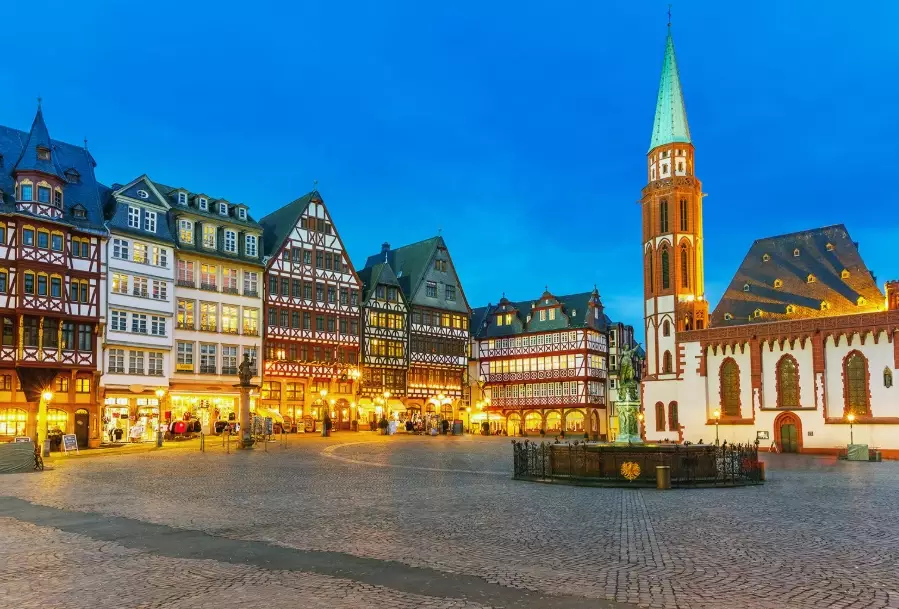
Budgeting for Your 10-Day Germany Trip
Germany is not cheap, but good value is possible. Costs are per person, assuming two people sharing rooms.
| Cost Category | Budget Estimate (Per Person) | Notes |
|---|---|---|
| Mid-Range Hotels (9 nights) | €600 - €900 | €70-€100 per night share |
| Rental Car (7 days) + Fuel | €250 - €350 | Share between two |
| Train (Alternative) | €200 - €300 | Advance Sparpreis tickets |
| Attractions & Tours | €200 - €250 | Castles, cruises, museums |
| Food & Drink | €400 - €550 | €40-€55 per day (mix of meals) |
| Total (Excl. Flights) | €1,450 - €2,050 | Moderate travel style |
Expert Tips to Elevate Your Germany Itinerary
Most blogs tell you to buy a rail pass. For this specific 10-day loop starting and ending in different cities with rural stretches, I’ve found a car is almost always cheaper and infinitely more rewarding for two or more people. The freedom to stop at that tiny vineyard or forest clearing is priceless.
Another subtle error: over-scheduling castle interiors. After two or three, they blend together. Prioritize Marksburg for authenticity, Heidelberg for scale and ruin-romance, and Neuschwanstein for fairytale fantasy. Skip the interior of Burg Rheinfels—exploring the ruins is better.
To avoid crowds, especially at Neuschwanstein, book the first tour slot of the day and go straight to Marienbrücke afterwards—you’ll have it almost to yourself. By 11 am, it’s a human traffic jam.
For a sustainable touch, in the Black Forest, look for hotels with the "Green Hotel" certification. Many family-run places are deeply committed to the environment. Use refillable water bottles—tap water (Leitungswasser) is perfectly safe to drink everywhere, though you might get a strange look if you order it in a restaurant instead of mineral water.
Frequently Asked Questions (FAQ)
Is 10 days in Germany from Frankfurt enough to see everything?
No, and that’s the wrong goal. Ten days is perfect for a deep dive into one classic route—the Rhine, Romantic Road vibe, and Bavaria. Trying to add Berlin or the North Sea is a recipe for exhaustion. This itinerary gives you a rich, manageable slice of central and southern Germany’s culture, history, and landscapes.
What is the best time of year for this Germany 10-day itinerary?
Late spring (May-June) and early autumn (September-October) are ideal. The weather is pleasant, crowds are thinner than in peak summer, and the landscapes are vibrant. Summer (July-August) is busy and can be hot. Winter can be magical, especially around Christmas markets in early December, but some rural attractions may have reduced hours, and driving requires caution.
Can I do this Germany itinerary by train instead of car?
You can, but it becomes a different trip. The train works brilliantly between Frankfurt, Heidelberg, Freiburg, and Munich. The challenge is the Rhine Valley villages and the Black Forest scenic routes. You’d rely on regional buses and boats, which are slower and limit spontaneity. For the Rhine, you could base in Koblenz or Mainz and do day cruises. For the Black Forest, base in Freiburg and take the scenic Höllentalbahn railway into the hills. It’s more logistical work but doable if you prefer not to drive.
How much walking is involved in this itinerary?
A fair amount. You’ll be walking on cobblestones in old towns, climbing to castle entrances (like the 30-min uphill hike to Neuschwanstein), and exploring ruins. Comfortable, broken-in walking shoes are your most important packing item. I’ve seen too many people in new sneakers struggling with blisters by day three.
Is the Bayern Ticket (Bavaria Ticket) useful for this trip?
Yes, but only for specific days. On Day 8, if you take the train from Füssen to Munich (via Kaufbeuren), the Bayern Ticket is perfect. It covers regional trains all over Bavaria for one day (from 9 am on weekdays, all day on weekends) for up to 5 people. It’s a steal for group travel. Use the official Deutsche Bahn website or app to check prices and buy it.