What You’ll Find in This Guide
- The Language Barrier: More Myth Than Reality?
- Bavarian Culture vs. American Expectations
- Where Americans Feel Most at Home in Munich
- Dining and Drinking: Navigating Menus and Etiquette
- Accommodation: Hotels That Cater to International Guests
- Practical Tips for a Seamless Visit
- Common Concerns Addressed (FAQ)
Let me cut to the chase. Munich is overwhelmingly friendly to American tourists. I’ve visited multiple times, both solo and with family, and the warmth here is real. But it’s not the in-your-face, overly enthusiastic friendliness you might find in parts of the US. It’s more reserved, genuine, and tied to respect. If you show up with a smile and a bit of cultural awareness, you’ll have a blast. If you expect everyone to speak perfect English or adapt to your pace, you might hit some bumps.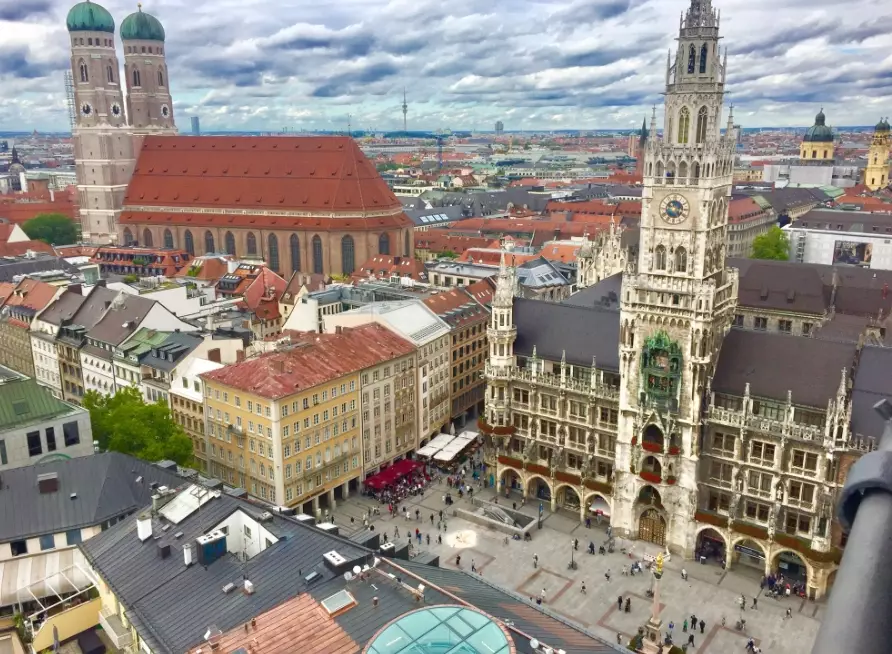
This city blends tradition with modernity in a way that appeals to Americans. From the historic Marienplatz to the sprawling English Garden, there’s a sense of order and hospitality. I remember my first time at the Hofbräuhaus—a local actually offered to explain the beer stein traditions when he saw me looking confused. That small gesture sums up Munich’s attitude.
The Language Barrier: More Myth Than Reality?
You’ll hear this a lot: Germans speak great English. In Munich, it’s mostly true, but with nuances. In tourist hubs, English is everywhere—signs, menus, tour guides. I’ve never struggled to order food or ask for directions. But venture into a local bakery in a residential area, and you might get a blank stare if you start with English.
Here’s a tip most guides skip. Locals appreciate effort. Learn a few phrases. "Guten Tag" (good day), "Bitte" (please), and "Danke" (thank you) go a long way. It shows you’re not just another tourist expecting the world to cater to you. I’ve had conversations where switching to basic German opened up friendlier chats. According to the Munich Tourism Board, over 80% of service staff in central areas are fluent in English, but that drops in suburbs.
Public transport announcements are in German and English. Museums like the Deutsches Museum offer English audio guides. If you get stuck, younger Germans are usually more proficient. Don’t worry; you won’t be stranded.
Bavarian Culture vs. American Expectations
Bavarians are proud, direct, and value punctuality. This can clash with American casualness. For example, being late for a tour or reservation is frowned upon. I once showed up 10 minutes late to a beer garden table booking, and the server gave me a stern look—fair enough, it’s considered rude.
Personal space is bigger here. Don’t stand too close in lines or start conversations with strangers unless there’s a context, like at a shared table. Speaking of tables, in beer gardens, it’s common to share with others. If you see an empty seat, ask "Ist hier frei?" (Is this free?). It’s a great way to meet locals.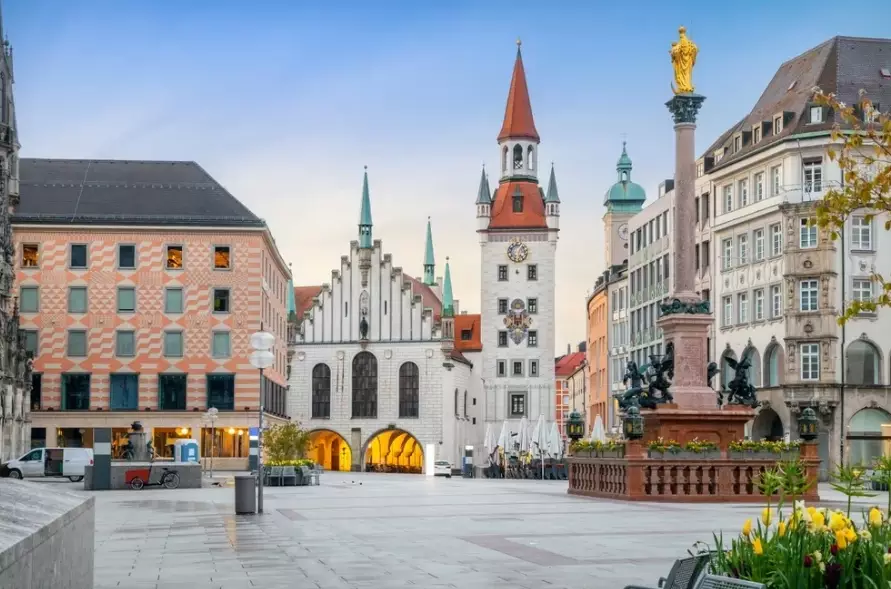
Another thing: Bavarians aren’t big on small talk. They might seem aloof at first, but once you engage on a topic they care about—like football (soccer) or local history—they warm up. I’ve spent hours discussing Bayern Munich’s latest match with a stranger at Augustiner-Keller.
Quick cultural hack: Avoid loud voices in public places. Americans tend to be louder, which can be seen as intrusive. Tone it down a notch, and you’ll blend in better.
Where Americans Feel Most at Home in Munich
Some spots are especially welcoming to international visitors. Here’s a breakdown.
Marienplatz and the City Center
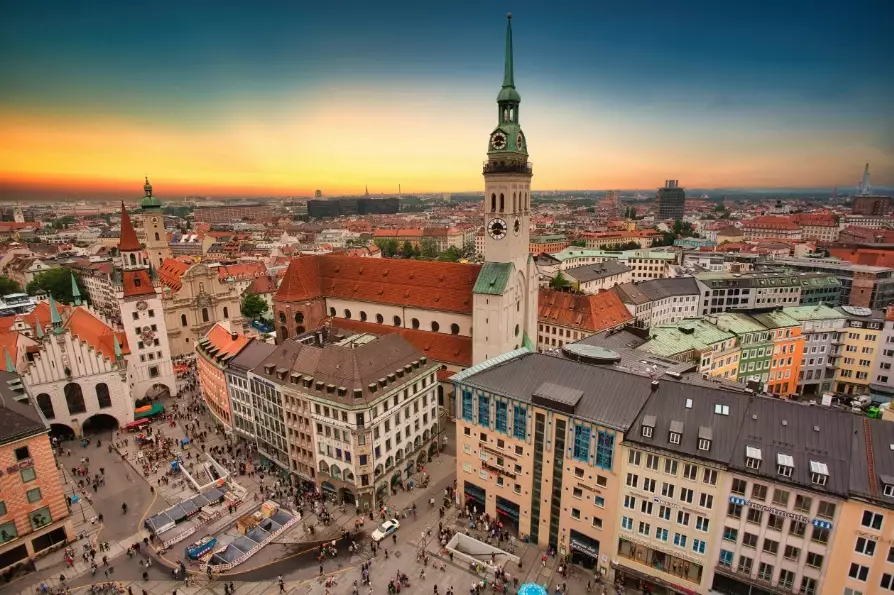
The heart of Munich. You’ll hear English everywhere. The Glockenspiel show at the New Town Hall draws crowds, and info boards are bilingual. It’s touristy but friendly. Address: Marienplatz 1, 80331 Munich. No ticket needed for the square; open all day. Getting there: U-Bahn or S-Bahn to Marienplatz station.
English Garden
This massive park feels like Central Park but with beer gardens. The Chinese Tower beer garden is a hit. Locals and tourists mingle freely. I’ve seen Americans join in on casual football games here. Address: Englischer Garten, 80538 Munich. Open 24/7, free entry. Beer gardens typically open from 10 AM to 11 PM.
Museums with English Guides
The BMW Museum and the Nazi Documentation Center have excellent English support. At the BMW Museum, audio guides are included in the €10 ticket. Address: Am Olympiapark 2, 80809 Munich. Open Tue-Sun 10 AM-6 PM. Check their website for updates.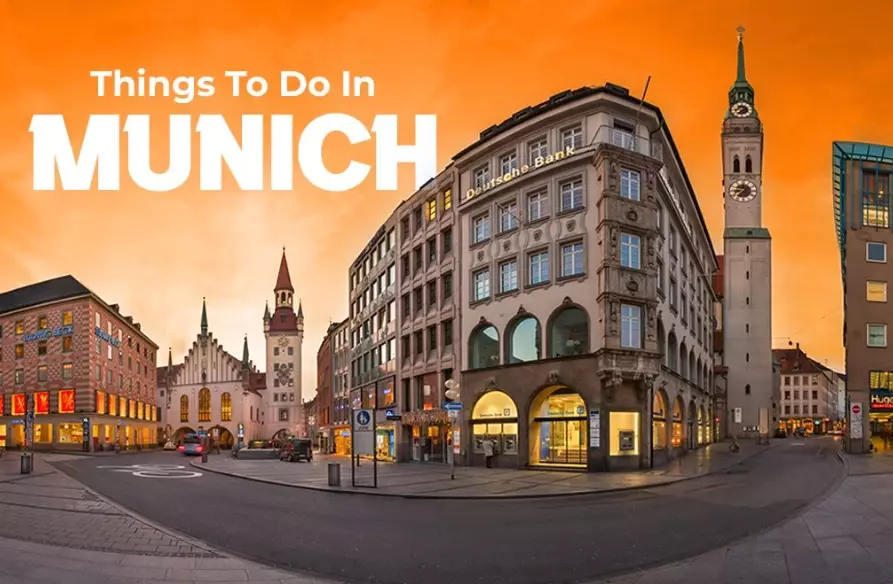
Here’s a table for quick reference:
| Attraction | Address | English-Friendliness | Key Tip |
|---|---|---|---|
| Marienplatz | Marienplatz 1, 80331 Munich | High – signs and staff | Visit early to avoid crowds |
| English Garden | Englischer Garten, 80538 Munich | Moderate – menus in English | Try the surfers at Eisbach wave |
| Hofbräuhaus | Platzl 9, 80331 Munich | Very High – tourist hotspot | Share a table for local interaction |
| Deutsches Museum | Museumsinsel 1, 80538 Munich | High – audio guides available | Allocate 3-4 hours |
Dining and Drinking: Navigating Menus and Etiquette
Food is a big part of the experience. Munich’s restaurants are generally welcoming to Americans. Most places have English menus, but not all. Here are a few recommendations.
Augustiner-Keller: A classic beer hall. Address: Arnulfstraße 52, 80335 Munich. Try the Schweinshaxe (pork knuckle) and a Maß of beer. Prices: around €15-€20 for a main. Open daily 10 AM-11 PM. They’re used to tourists, so service is smooth.
Viktualienmarkt: An outdoor market. Great for casual bites. Address: Viktualienmarkt 3, 80331 Munich. Stall owners might have limited English, but pointing works. Open Mon-Sat 8 AM-8 PM. I love the pretzels here—cheap and delicious.
For upscale dining, Restaurant Dallmayr offers fine dining with English-speaking staff. Address: Dienerstraße 14-15, 80331 Munich. Reservations recommended; expect €50+ per person.
Drinking etiquette: In beer gardens, you often pay as you order. Tip by rounding up. Don’t clink glasses without eye contact—it’s a local superstition. I learned this the hard way when a Bavarian friend teased me about it.
Accommodation: Hotels That Cater to International Guests
Munich has options for all budgets. Here’s a shortlist based on my stays and research.
- Mandarin Oriental, Munich: Luxury with impeccable service. Address: Neuturmstraße 1, 80331 Munich. They handle American guests daily. Prices from €400/night. Wi-Fi is strong, and staff speak fluent English.
- Motel One Munich-Sendlinger Tor: Budget-friendly and modern. Address: Herzog-Wilhelm-Straße 28, 80331 Munich. Around €80/night. English is common at reception. Great location for tourists.
- Hotel Bayerischer Hof: Historic and central. Address: Promenadeplatz 2-6, 80333 Munich. Prices from €200/night. They offer concierge services in English and can help with tour bookings.
Book in advance, especially during Oktoberfest. Many hotels have partnerships with local tour operators, making it easier for Americans to plan.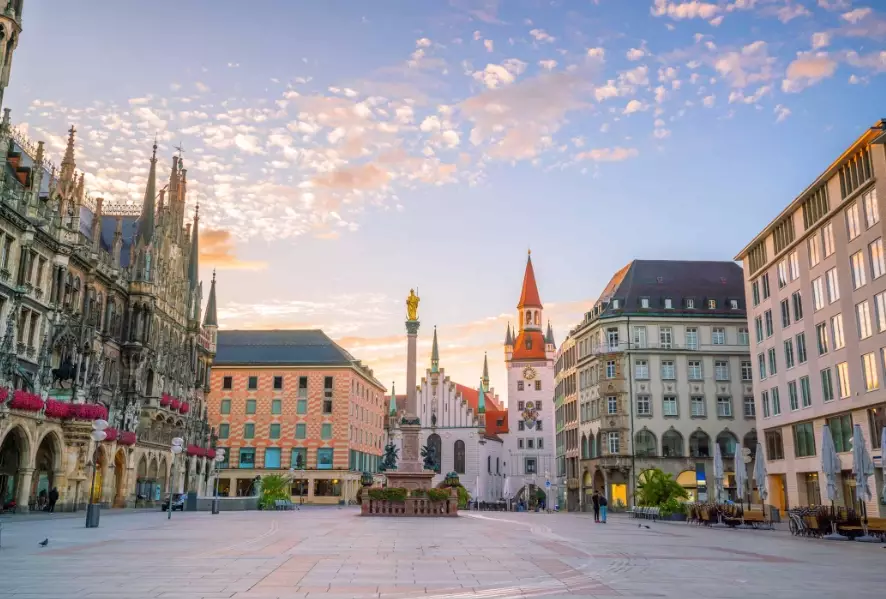
Practical Tips for a Seamless Visit
Let’s get into the nitty-gritty.
Transportation: The MVV system is efficient. Buy a day ticket (€8.80 for inner city) from machines—they have English options. Validate your ticket before boarding. Taxis are safe but expensive; Uber works too.
Money: Cards are widely accepted, but carry cash for smaller shops and tips. ATMs (Geldautomat) are everywhere. Notify your bank before traveling to avoid blocks.
Safety: Munich is safe. Use common sense: keep an eye on your bag in crowds. The U.S. Department of State travel advisory for Germany rates it as Level 1 (exercise normal precautions).
Connectivity: Free Wi-Fi is spotty. Consider a local SIM from shops like Vodafone. Many cafes offer Wi-Fi with purchase.
One more thing—weather. Munich can be unpredictable. Pack layers. I’ve been caught in sudden rainstorms; a compact umbrella saved the day.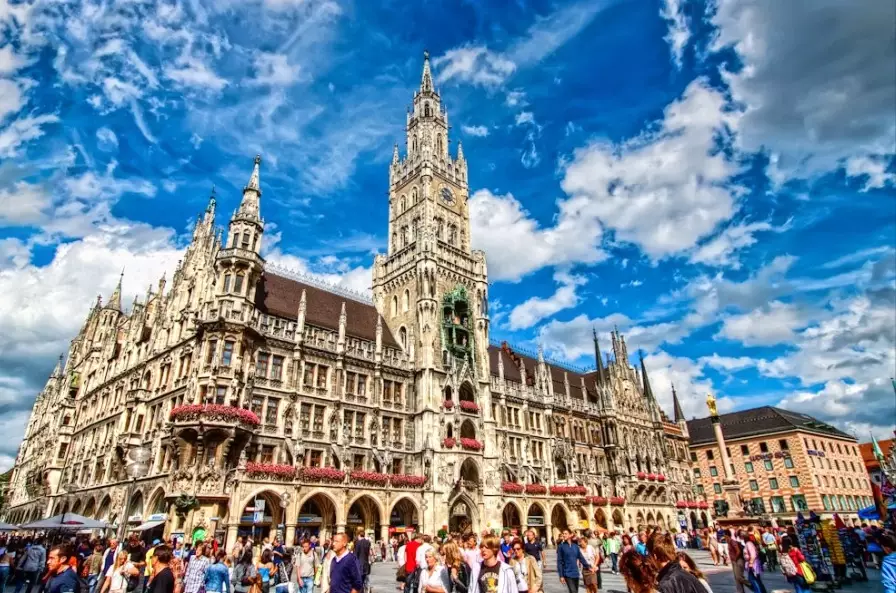
Common Concerns Addressed (FAQ)
 To wrap up, Munich’s friendliness to American tourists is genuine but nuanced. Embrace the culture, learn a bit of the language, and you’ll find a welcoming city ready to share its charms. It’s not about changing who you are—just being mindful. My last trip, I ended up at a local’s home for dinner after a chat at a wine bar. That doesn’t happen everywhere, but in Munich, it can.
If you’re planning a visit, check the Munich Tourism Board website for latest events and tips. Safe travels!