Your German Adventure Quick Guide
Let's be honest, planning a trip to Germany can feel overwhelming. There's so much to see – from buzzing modern cities to towns straight out of a storybook, and castles perched on hills that look too good to be true. How do you fit it all into just one week? I remember staring at a map of Germany, completely lost, trying to connect dots between Berlin, Munich, the Rhine, and the Black Forest. It seemed impossible without spending half your trip on a train.
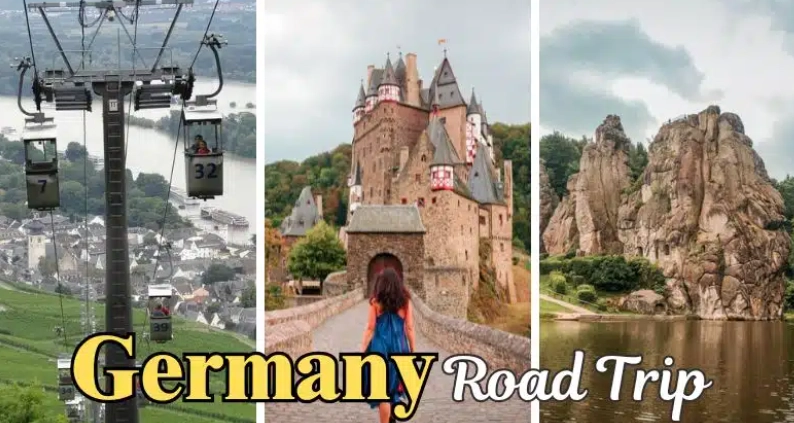
Well, after a few trips and some trial and error (including one memorable sprint through Frankfurt airport), I've pieced together what I think is a fantastic Germany itinerary for 7 days. It's a loop that hits the highlights without feeling like a relentless marathon. We're talking about a mix of big-city energy, small-town charm, and breathtaking scenery. This isn't just a list of places; it's a tested route that balances iconic sights with relaxed exploration.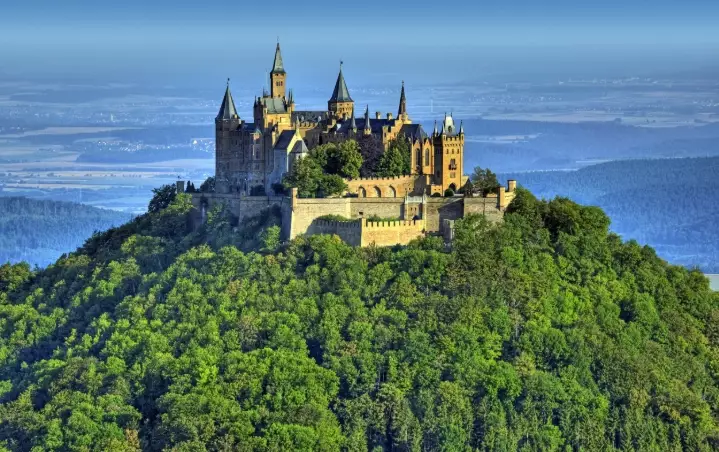
Is 7 Days in Germany Enough?
It's the first question everyone asks. Can you really experience Germany in a week? The short answer is: you can experience a wonderful, memorable slice of it. You won't see everything – Germany is far too diverse for that – but you can absolutely have a fulfilling trip that leaves you wanting to come back for more. The key is focus.
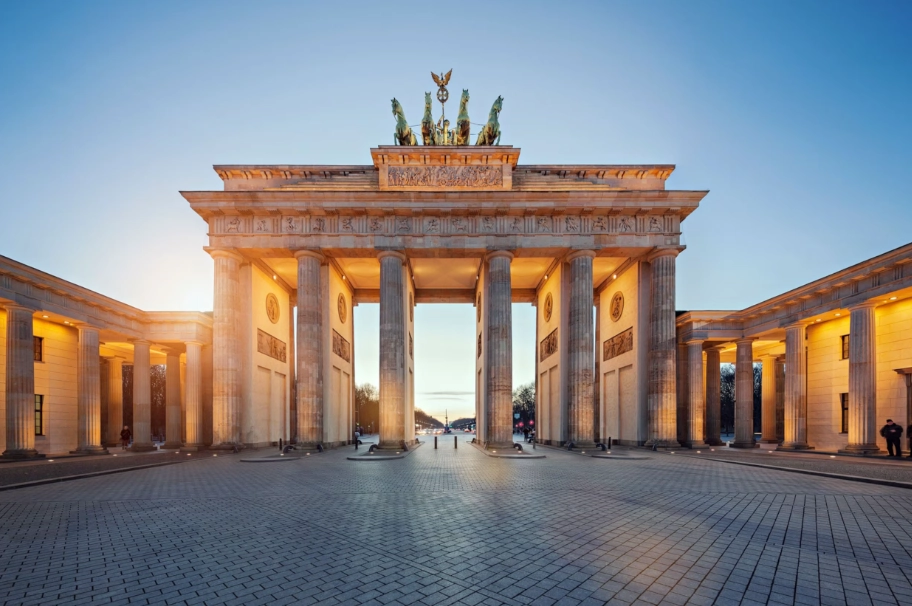
This specific 7-day Germany plan avoids the classic mistake of trying to cram in Berlin (which is amazing, but way up north). Instead, it zeroes in on a compact region packed with world-famous attractions. You'll get urban excitement, romantic road-trip vibes, and legendary castles. Think of it as a concentrated best-of sampler.
Before You Go: The Essential Planning Bits
Nailing the logistics makes or breaks a tight schedule. Here’s the boring-but-necessary stuff, simplified.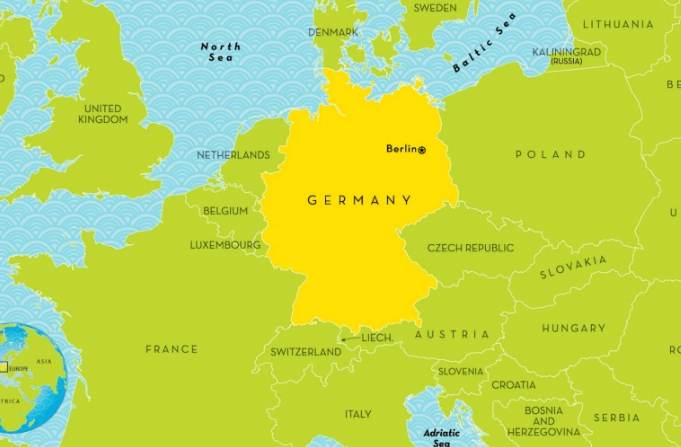
Getting There & Around
Most intercontinental flights land in Frankfurt (FRA) or Munich (MUC). For this particular 7 days in Germany route, starting in Frankfurt makes the most geographic sense. It's right in the middle of everything we'll see.
Now, transport within Germany. The train network is excellent – fast, reliable, and scenic. For this itinerary, I’m a strong advocate for using trains for the longer legs (like Frankfurt to Munich) and then renting a car for a couple of days to explore the Romantic Road and castles at your own pace. The freedom to pull over at a random vineyard or cute village is worth it.
If you prefer not to drive, the entire Germany itinerary 7 days can be done by train and regional buses. It requires more precise timing but is completely feasible. The German National Tourist Board website is an invaluable resource for planning train travel.
Where to Stay & Budget Notes
Accommodation varies wildly. You can find everything from hostels to design hotels to charming guesthouses (Pensionen). In cities like Munich, book well ahead, especially for summer or Oktoberfest. In smaller towns like Rothenburg, staying within the medieval walls is a magical experience, even if the rooms are older and creakier.
A Realistic Budget Breakdown (Per Person, Mid-Range)
- Accommodation: €80-€120 per night
- Train Travel (2-3 long trips): €100-€200 if booked in advance
- Car Rental (3 days): €120-€200, plus fuel and parking
- Food & Drink: €40-€70 per day (beer is cheaper than water!)
- Attractions/Entrance Fees: €100-€150
So, a rough total excluding flights lands between €900 and €1400. It's not the cheapest destination, but the value for what you see is high.
The Detailed 7-Day Germany Itinerary: Day by Day
Alright, let's dive into the main event. This is the flow I recommend, based on what works logistically and rhythmically.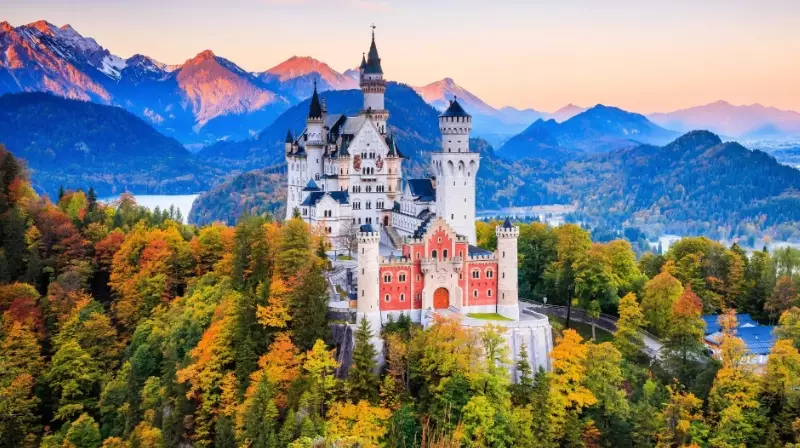
Day 1: Arrival in Frankfurt & Rhine Valley Immersion
Fly into Frankfurt Airport (FRA). Don't spend time in Frankfurt city – it's a financial hub, and while nice, it's not why you're here. Instead, pick up your rental car at the airport (or hop on a train) and head straight for the Rhine Valley, about an hour's drive southwest.
This is where your Germany travel itinerary starts with a postcard view. The Rhine River, lined with vineyards, steep hills, and countless castles. Stay in a town like Bacharach or St. Goar. The afternoon is for wandering the cobblestone streets, maybe visiting a castle like Burg Rheinfels (an impressive ruin in St. Goar), and definitely enjoying your first German dinner with a glass of local Riesling by the river.
Personal tip: If you have energy, take one of the KD Rhine river cruises for a few stops. It's a relaxing way to see the castles from the water. The view of the Lorelei rock is… fine. It's a rock. The story is better than the actual sight, in my opinion.
Day 2: Rhine Valley to Heidelberg to Munich
Morning in the Rhine. Maybe visit Marksburg Castle near Braubach – it's the only hill castle on the Rhine never destroyed, so it feels authentically medieval, not a 19th-century remake.
Then, drive about 1.5 hours to Heidelberg. This university town is famous for its beautiful old bridge (Alte Brücke) and the sprawling, red sandstone ruins of Heidelberg Castle perched above the city. Park, explore the charming Hauptstrasse (main street), and take the funicular up to the castle for incredible views over the Neckar River.
After lunch, it's a 3.5-hour drive (or a 4-hour direct train) south to Munich. Drop off your rental car if you're doing the hybrid model. Settle into your Munich accommodation. In the evening, head to the Hofbräuhaus or a quieter beer garden like the one at the Chinese Tower in the Englischer Garten to soak in the Bavarian atmosphere.
Day 3: Exploring Munich
A full day in the capital of Bavaria. Munich is more than just Oktoberfest. Start at Marienplatz to see the glockenspiel in the New Town Hall chime at 11 am (it's cute, but don't expect Broadway). Wander through the Viktualienmarkt, an amazing outdoor food market.
Spend the afternoon at a museum. The Deutsches Museum is one of the world's largest science and tech museums, or for art, the Alte Pinakothek is stunning. For a somber but important visit, the Dachau Concentration Camp Memorial Site is a short train ride away and a powerful historical lesson.
Day 4: Munich to Neuschwanstein & Füssen
Today is castle day – the big one. Pick up your rental car in Munich if you haven't already. Drive about 2 hours southwest to Hohenschwangau, the village below Neuschwanstein Castle. Book your castle entry tickets online, well in advance. I can't stress this enough. If you show up without a ticket, you might wait hours or not get in at all.
Neuschwanstein is the fairy-tale castle built by King Ludwig II, the inspiration for Disney's Sleeping Beauty Castle. The interior is lavish but oddly unfinished. The real magic is the exterior view. For the classic postcard shot, hike (or take a shuttle bus) up to Marienbrücke (Mary's Bridge) which spans a gorge directly opposite the castle.
Nearby is the less dramatic but more livable Hohenschwangau Castle, where Ludwig grew up. After your visit, don't rush off. Stay the night in the adorable alpine town of Füssen, just 10 minutes away. It has a lovely old town and is the perfect base.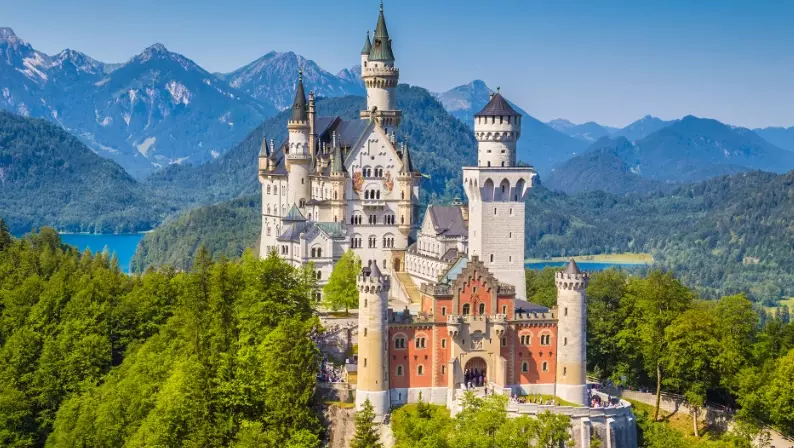
Day 5: The Romantic Road to Rothenburg ob der Tauber
This is a driving day, but the destination is half the fun. The Romantic Road (Romantische Strasse) is a famous tourist route connecting picturesque towns. From Füssen, drive north (about 3 hours total driving, but you'll stop).
Consider a brief stop in Augsburg, one of Germany's oldest cities, or more likely, in Dinkelsbühl – a walled town that's like a quieter, less-touristy version of your final destination. The aim is to reach Rothenburg ob der Tauber by mid-afternoon.
Rothenburg is the medieval dream. Completely encircled by walls, with half-timbered houses, winding lanes, and the famous Plönlein intersection (you've seen it on Instagram). Park outside the walls, check into your hotel (try to get one in the old town), and just get lost. Walk the city wall perimeter. Visit the Medieval Crime Museum – it's fascinating and gruesome in equal measure.
Day 6: Rothenburg to Frankfurt
Enjoy a final morning in Rothenburg. Maybe take the Night Watchman's Tour if you didn't the evening before – it's surprisingly entertaining and full of historical anecdotes. Do some shopping for Christmas ornaments (the Käthe Wohlfahrt store is a year-round Christmas wonderland).
After lunch, it's time to head back. The drive from Rothenburg to Frankfurt Airport is straightforward, about a 2.5-hour drive on the Autobahn. Return your rental car at the airport. If your flight is early the next day, stay at an airport hotel. If you have an evening to spare, you could venture into Frankfurt for a farewell dinner in the Sachsenhausen district, known for its traditional apple wine (Apfelwein) taverns.
Day 7: Departure from Frankfurt
Depending on your flight time, you might have a final German breakfast (pretzels, cold cuts, cheese) before heading to the airport from your 7 day Germany itinerary.
Making It Your Own: Variations & Practical Tips
This plan isn't set in stone. Here’s how to tweak it.
If You Love Cities More
Skip the Rhine Valley drive on Day 1. Go straight from Frankfurt to Munich by high-speed train (ICE). Add an extra night in Munich. You could even do a long day trip from Munich to Salzburg, Austria (about 1.5 hours by train).
If You Preep Small Towns & Nature
Spend two full nights in the Rhine Valley. Add a hike through the vineyards. From Füssen, consider a trip into the Austrian Alps (Reutte is close) or a visit to the stunning Wieskirche, a UNESCO-listed rococo church.
Transportation Comparison Table
| Leg of Journey | By Train (approx. time) | By Car (approx. time, no traffic) | Our Recommendation |
|---|---|---|---|
| Frankfurt Airport -> Rhine Valley | 1 hr (regional train) | 1 hr | Car for flexibility |
| Rhine Valley -> Heidelberg | 1.5 hrs (with changes) | 1.5 hrs | Car |
| Heidelberg -> Munich | 4 hrs (direct ICE) | 3.5 hrs | Train (relax, avoid city driving) |
| Munich -> Füssen/Neuschwanstein | 2 hrs (regional train+bus) | 2 hrs | Car (essential for next day) |
| Romantic Road (Füssen to Rothenburg) | 4+ hrs (complex buses/trains) | 3 hrs (with stops) | Car is the only good option |
| Rothenburg -> Frankfurt Airport | 3 hrs (train+bus to airport) | 2.5 hrs | Car, return at airport |
Answers to Common Questions (Stuff You'll Actually Wonder)
What's the best time of year for this Germany itinerary 7 days?
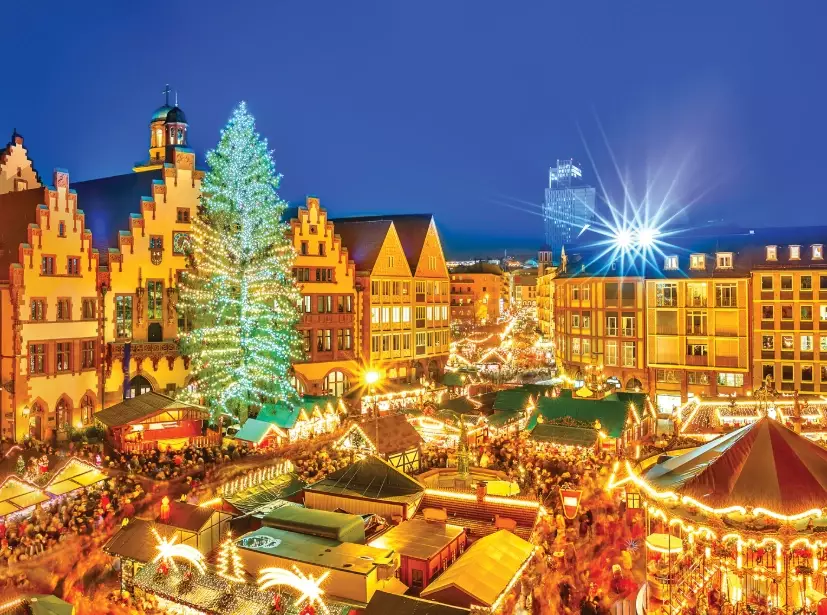
Late spring (May-June) and early autumn (September-October) are ideal. The weather is pleasant, crowds are smaller than in peak summer, and the landscapes are green or colorful. Summer (July-August) is busy and can be hot. Winter can be magical, especially in Rothenburg with its Christmas market, but some rural areas and castle grounds can be icy or closed.
Is the Germany Rail Pass worth it for this route?
For this specific one-week Germany itinerary, probably not. The pass is great for extensive, long-distance travel. Here, you only have a couple of major train journeys (like Heidelberg to Munich). It's often cheaper to book those "Sparpreis" advance tickets online. Calculate the cost of your individual planned trips vs. the pass price.
Do I need to speak German?
Not at all for this tourist trail. In hotels, restaurants, and attractions, English is widely spoken, especially by younger people. Learning a few basic phrases (Guten Tag - Good day, Danke - Thank you) is polite and appreciated, but you'll manage perfectly with English.
How much cash should I carry?
Germany is still more cash-oriented than many other Western European countries, especially in smaller towns, beer gardens, and markets. While cards are accepted in most hotels and restaurants, always have some Euros on you. I'd say €50-€100 per day in cash is a safe buffer.
Is it safe to travel in Germany?
Generally, very safe. Normal precautions apply: watch your belongings in crowded tourist areas and on trains. The towns and countryside on this route feel exceptionally safe.
Final Thoughts on Your 7-Day German Adventure
Pulling off a great 7 days in Germany is all about smart choices, not frantic checking of boxes. This itinerary tries to give you that balance – the wow moments of Neuschwanstein, the beer-hall buzz of Munich, the serene beauty of the Rhine, and the time-capsule feel of Rothenburg.
It moves at a good pace. Some days are travel-heavy, but they're broken up with interesting stops. You won't be bored.
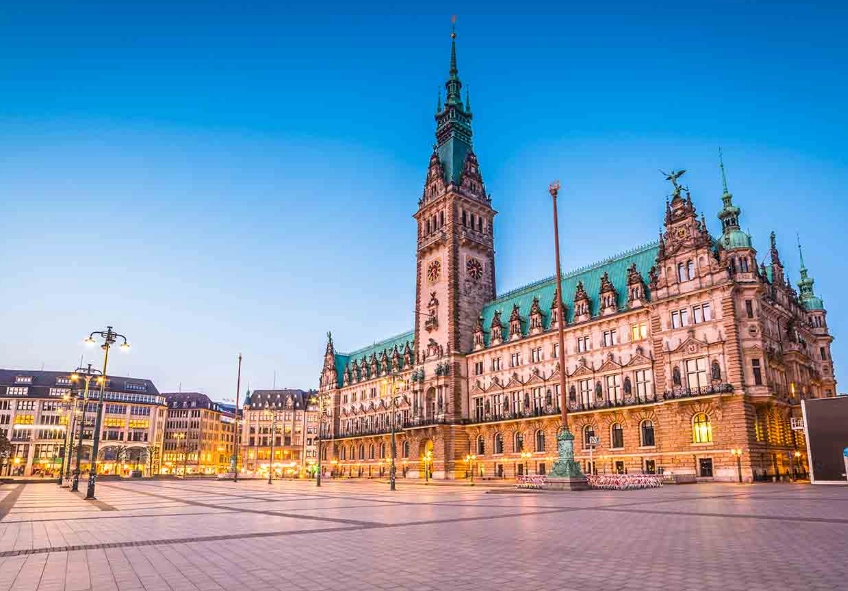
The biggest mistake I see people make is trying to add too much. Don't be tempted to squeeze in a quick dash to Berlin or Hamburg. That adds huge travel time and stress. Embrace the region you're in. Dive into the Bavarian culture, enjoy the slower pace of the small towns, and savor those pretzels and schnitzels.
This plan is a blueprint. Use it, adjust it based on what you love, and you're guaranteed to have an unforgettable week. Germany has a way of surprising you around every corner – whether it's a hidden courtyard, a stunning view from a castle, or simply the perfect piece of cake in a cozy café (Kaffee und Kuchen is a must-try afternoon ritual).
So start booking those castle tickets and train seats. Your one-week German adventure is waiting.