You're planning a trip to Hamburg, Germany's majestic port city. You've seen pictures of the stunning Elbphilharmonie, the historic Speicherstadt warehouses, and the lively fish market. But a nagging question pops up: Is Hamburg safe? It's a fair concern. You're investing time and money, and you don't want unpleasant surprises.
Let's cut to the chase. Based on years of traveling there and talking to locals, Hamburg is overwhelmingly safe for tourists. Statistically, it's one of Germany's safer major cities. But—and this is a crucial but—like any global port city with over 1.8 million people, it has its nuances. Safety isn't a blanket "yes" or "no." It depends on where you go, when, and how you carry yourself.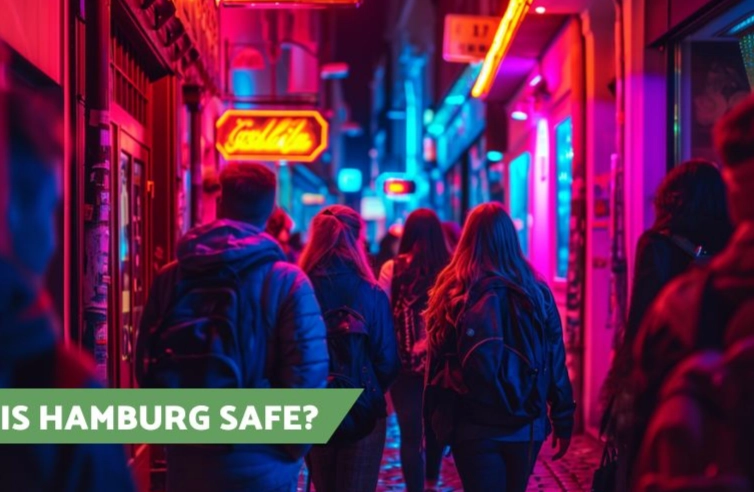
This isn't a generic list of tips. We're going deep into the neighborhoods, the data from sources like the Statistisches Bundesamt (German Federal Statistical Office), and the specific situations where your guard should be up. We'll also bust some myths. By the end, you'll know exactly how to navigate Hamburg confidently.
What You'll Find in This Guide
How Safe is Hamburg? A Look at the Statistics
First, some hard numbers to frame the conversation. According to the latest nationwide police crime statistics (PKS - Polizeiliche Kriminalstatistik), Hamburg's crime rate is lower than other major German cities like Berlin or Frankfurt am Main when it comes to violent crime.
The most common issues for anyone, including tourists, are non-violent property crimes. Think pickpocketing, bicycle theft, and occasional bag snatching. These aren't unique to Hamburg; they're the standard urban annoyances you find from Barcelona to Bangkok.
Key Takeaway: Your risk of being involved in any violent crime as a tourist in Hamburg is extremely low. The city has a strong police presence, especially in the city center (Innenstadt) and around major landmarks. The challenge you're more likely to face is a clever pickpocket on the U-Bahn or around the crowded Jungfernstieg shopping street.
Where travelers often get a skewed perception is around the famous (or infamous) Reeperbahn in the St. Pauli district. This is Europe's largest red-light district and a massive nightlife hub. The crime statistics here are higher—mostly related to the nightlife economy, drugs, and petty theft. This area heavily influences the city's overall numbers, but it represents a very specific, avoidable slice of Hamburg.
Safe Neighborhoods in Hamburg for Tourists
Most of Hamburg feels orderly, clean, and secure. Here are districts where you can comfortably book a hotel and wander without a second thought:
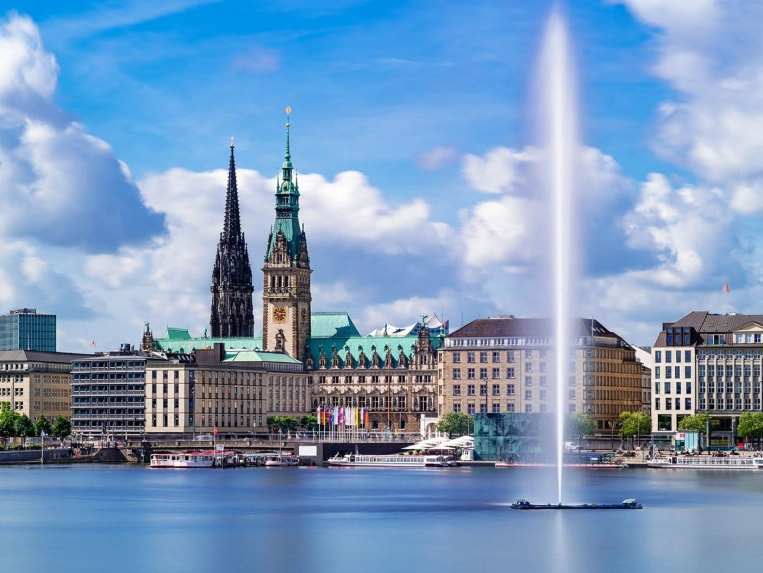
Neustadt & Altstadt (City Center): This is the historic and administrative heart. Home to the Town Hall (Rathaus), the Alster lakes, and upscale shopping. It's bustling with people day and night, well-patrolled, and feels very secure. You might pay a premium to stay here, but for ease and safety, it's top-tier.
Eimsbüttel & Harvestehude: These are affluent, quiet, residential areas west of the center. Think tree-lined streets, beautiful Jugendstil buildings, cozy cafes, and small boutiques. The risk here is practically zero. It's where many well-off families and professionals live. The atmosphere is relaxed and upscale.
Altona: Once a separate city, Altona has a vibrant, slightly alternative yet gentrified feel. The area around the Altona train station and the waterfront (Altonaer Balkon) is great. It's full of life, great restaurants, and has a very local vibe. Safety is excellent.
Sternschanze: Bordering St. Pauli, this is the hipster capital of Hamburg. It's packed with innovative restaurants, bars, and street art. While it has a gritty, creative edge, it's fundamentally safe. The crowd is young, international, and more focused on craft beer than causing trouble.
Areas to Be More Cautious In Hamburg
This isn't about fear-mongering. It's about smart travel. These areas aren't "no-go zones," but they require a heightened awareness of your surroundings.
St. Pauli (Especially the Reeperbahn at Night)
This is the big one. The Reeperbahn is an experience—theatres, clubs, bars, and sex establishments all packed together. I've stayed in a hotel here to dive into the nightlife, and while it was fascinating, it's the only place in Hamburg where I kept my wallet in my front pocket.
During the day, it's tame, almost sleepy. At night, especially from Thursday to Saturday, it transforms. The risks here are:
- Pickpockets: Operating in dense, distracted, often intoxicated crowds.
- Overpriced/Scammy Bars: Some bars on side streets might lure you in with cheap drinks and hit you with an outrageous bill.
- Drunk and Aggressive Behavior: Fights between drunk patrons do happen, usually amongst themselves.
Expert Tip: If you visit the Reeperbahn, stick to the main, well-lit streets. Avoid the side alleys like Herberstraße (a street with window brothels) unless you're specifically seeking that experience and are comfortable with the environment. Don't flash large amounts of cash. Leave unnecessary valuables in your hotel safe. Treat it like a major nightlife district anywhere in the world.
Hauptbahnhof (Main Train Station) & Immediate Vicinity
Hamburg's central station is a major transport hub, which inevitably attracts a mix of tired travelers, commuters, and a small population of homeless or addicted individuals. The station itself is busy and has security. The immediate streets to the north (Steindamm) have a higher concentration of cheap hotels, casinos, and a seedier atmosphere, especially after dark.
What to do: Use the station freely—it's essential. Just be aware of your bags, don't leave luggage unattended, and if arriving late at night, consider taking a taxi directly to your accommodation if it's in this immediate area rather than walking dark side streets.
Certain Parts of Wilhelmsburg
Wilhelmsburg, an island in the Elbe river, is huge and diverse. Parts of it are undergoing rapid gentrification and are perfectly fine. Other, more isolated social housing areas can feel a bit rough around the edges and are of little interest to tourists anyway. You're unlikely to end up here unless you're specifically seeking alternative art spaces or cheaper accommodation.
Is Hamburg Safe at Night?
Yes, the vast majority of Hamburg is safe at night. The city center, the neighborhoods around the Alster lakes, and the residential districts like Eppendorf are perfectly safe for walking. The public transport system (HVV) - U-Bahn, S-Bahn, and buses - runs reliably and is safe to use at night. Trains can be quieter, so choose a carriage with more people.
The nightlife safety question circles back to St. Pauli and Sternschanze. In Sternschanze, the risk is low-level nuisance—maybe someone asking aggressively for a cigarette. In St. Pauli, it's the concentrated nightlife risks mentioned above.
A common mistake tourists make is wandering from the safe, bar-filled streets of Sternschanze into the darker, quieter backstreets of southern St. Pauli while looking for their Airbnb. Stick to main roads when moving between zones late at night.
Is Hamburg Safe for Solo and Female Travelers?
I've traveled to Hamburg solo and with female friends who've also traveled there alone. The consensus is that it's a very manageable and safe city.
For solo travelers, the infrastructure is your friend. Hostels are secure, cafes are welcoming for solo diners, and the city is easy to navigate. Germans generally respect personal space, so you won't feel harassed. The biggest "danger" might be feeling a bit lonely if you're not used to the reserved Northern German communication style.
For female travelers, Hamburg is generally good. Catcalling is less prevalent than in many other European cities. However, in the Reeperbahn area at night, solo women might receive more unwanted attention or comments from drunk men. It's rarely threatening, but it can be annoying.
My advice for women traveling alone: You'll feel completely comfortable in 95% of the city. For nighttime in St. Pauli, consider going out with a group from your hostel or joining a pub crawl if you want to experience the nightlife. Alternatively, the nightlife in Sternschanze or Schanzenviertel is often viewed as more relaxed and less testosterone-driven.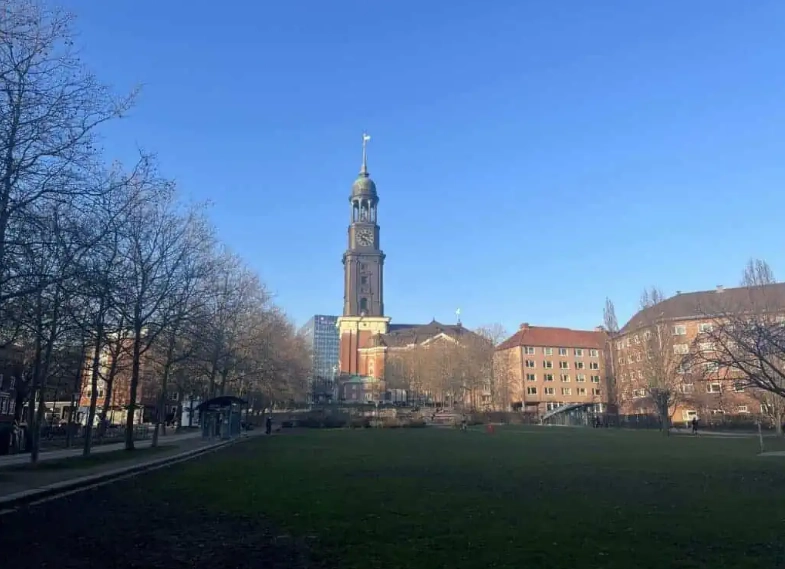
Practical Safety Tips for Hamburg
Let's move from theory to action. Here’s your checklist:
- Public Transport Smarts: The U-Bahn and S-Bahn are safe, but be vigilant at major interchange stations like Hauptbahnhof, Jungfernstieg, and Berliner Tor during rush hour. Keep your bag closed and in front of you.
- Bicycle Caution: If you rent a bike (a fantastic way to see the city), always use a high-quality lock. Bicycle theft is rampant. Lock it to a fixed object, even for a quick coffee stop.
- Taxi & Ride-Hailing: Official taxis (beige with a "Taxi" sign) are safe and regulated. Uber operates in Hamburg. Always use the official app.
- Emergency Numbers: The pan-European emergency number is 112 (fire, medical). For police, dial 110. English is widely spoken by emergency operators.
- Cash vs. Card: Germany is still more cash-oriented than some countries, but cards are widely accepted. Don't carry huge amounts of cash. Use ATMs (Geldautomat) inside banks during the day rather than standalone machines on dark streets at night.
- Trust Your Gut: This is the universal rule. If a street or situation feels off, it probably is. Turn around and walk toward a busier area.
One non-obvious tip: The Hamburg Tourism Board website is a fantastic resource for official info and current events. Checking it can help you avoid accidentally wandering into a large demonstration or festival where crowds are dense.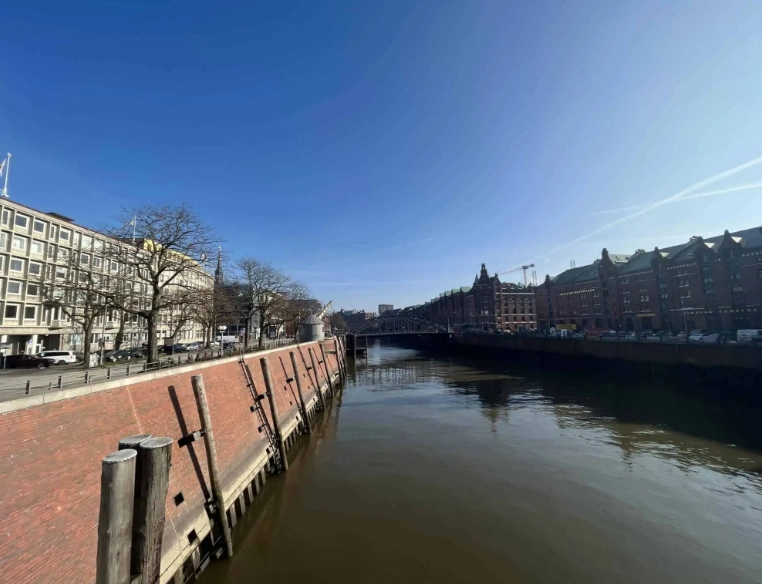
Your Hamburg Safety Questions Answered
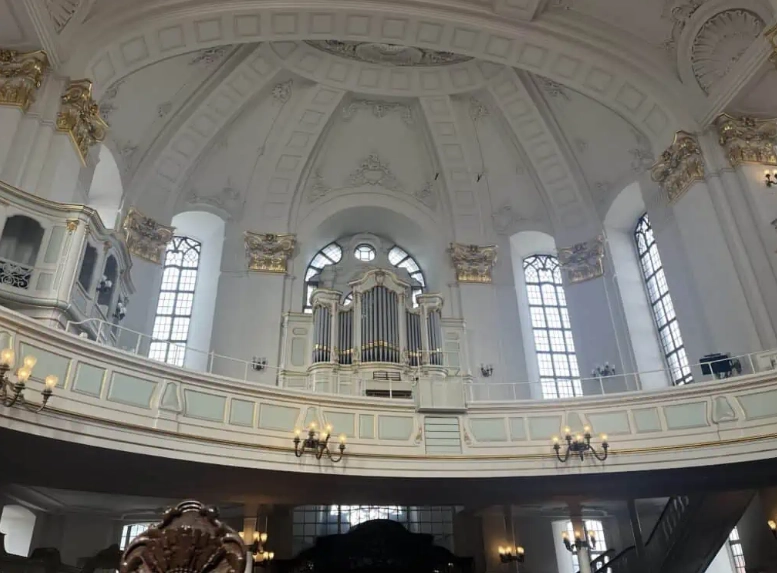 So, is Hamburg safe? The answer is a confident yes, with a side of practical awareness. It's a modern, well-organized European metropolis. Your trip is far more likely to be memorable for the stunning harbor views, the incredible food at the Fischmarkt, and the warmth of a Brauhaus than for any safety issue. Pack your bags, keep your wits about you in the expected spots, and get ready to explore one of Germany's most compelling cities.