Your Quick Guide
Let's be real. The phrase "visa application" can send a shiver down anyone's spine. Endless forms, confusing requirements, and the dreaded embassy appointment—it feels like a maze designed to test your patience. If you're an American planning a trip to Germany and you've found out you need a visa, that initial panic is totally normal. I've been there, staring at a blank application form, wondering if my trip was doomed before it began.
But here's the good news: getting a Germany visa from the USA is a straightforward process if you know the steps. It's not magic, just a series of boxes you need to tick. This guide is here to replace that anxiety with a clear, actionable plan. We're going to walk through everything, from figuring out if you even need a visa (some Americans are surprised!) to walking out of the consulate with your passport ready for stamping. No fluff, no complicated jargon—just the information you need, laid out plainly.
Key Takeaway First: Most U.S. citizens do not need a visa for short tourist or business trips (up to 90 days within a 180-day period) to Germany or the Schengen Area. You can just hop on a plane with your passport. But if you plan to work, study, join family, or stay longer than 90 days, you'll need to apply for a national visa. This guide covers both scenarios, but focuses heavily on the application process for those who do need one.
Do You Actually Need a Germany Visa?
This is the most important question. Don't waste time on an application you don't need. The rules depend entirely on your citizenship, the purpose of your visit, and the length of your stay.
As an American passport holder, you enjoy visa-free travel to Germany and the entire Schengen Area for short stays. That means tourism, visiting family or friends, attending business meetings or conferences—all fine for up to 90 days total within any 180-day period. Your passport just needs to be valid for at least three months beyond your planned departure from the Schengen Area. It's that simple.
But the moment your plans change to something more long-term or specific, the visa requirement kicks in. I think the German authorities are pretty clear about this, but it's easy to get the categories mixed up.
When You DON'T Need a Visa (The 90-Day Rule)
- Tourism & Vacation: Sightseeing, hiking the Black Forest, visiting Christmas markets.
- Business Visits: Attending meetings, negotiations, or trade fairs. (Important: You cannot do productive work or earn a German salary on this status).
- Visiting Family/Friends: Staying with your cousin in Berlin for a couple of months.
- Short-Term Study: A language course or summer school under 90 days.

When You DO Need a Germany Visa from the USA
If your goal falls into any of these buckets, you'll need to apply for a national (long-term) visa before you travel. Trying to enter on the 90-day waiver for these purposes is a surefire way to be turned away at the border.
| Visa Type | Who It's For | Key Thing to Know |
|---|---|---|
| Employment Visa | You have a concrete job offer from a German company. | Your future employer often initiates the process. You'll likely need approval from the Federal Employment Agency. |
| Job Seeker Visa | You want to move to Germany to look for a job (for qualified professionals). | Valid for 6 months. You must prove you have a degree and sufficient funds to support yourself. |
| Student Visa | You've been admitted to a full-time university program in Germany. | You need your university admission letter and proof of blocked funds (currently €11,208 per year). |
| Family Reunion Visa | You're joining a spouse or close family member who is a resident/ citizen in Germany. | Requires extensive documentation proving the family relationship and the sponsor's ability to support you. |
| Freelancer / Self-Employment Visa | You plan to work as a freelancer or start a business in Germany. | One of the tougher visas to get. Requires a compelling business plan and proof of public interest/need for your work. |
A Common Point of Confusion: The "Schengen Visa" (Type C) is for short stays for nationals of countries that do not have a visa-waiver agreement. Since the USA does have that agreement, Americans apply for National Visas (Type D) for long-term purposes. When people search for a Germany visa from USA, they are almost always looking for information on these National Visas.
The Step-by-Step Application Process
Okay, you've determined you need a visa. Now what? The process isn't quick, so start early—I'd recommend at least 3-4 months before your intended move date. The official German authorities in the USA handle applications through service providers. The main players are VFS Global and in some locations, BLS International. You'll book your appointment through their websites.
The sheer number of steps can feel overwhelming, but breaking it down makes it manageable.
Step 1: Figure Out Where to Apply
Germany has several consulates in the USA, each with a specific jurisdiction. You must apply based on your permanent address. Applying at the wrong one will get you rejected. You can find the official list and their jurisdictions on the website of the German Missions in the United States. For example, if you live in Florida, you'd fall under the jurisdiction of the German Consulate General in Miami.
Step 2: Prepare Your Documents (The Heart of the Application)
This is where most applications succeed or fail. The checklist is non-negotiable. Missing or incorrect documents is the #1 reason for delays or rejections. Let's go through the universal core list, which you'll then supplement based on your specific visa type.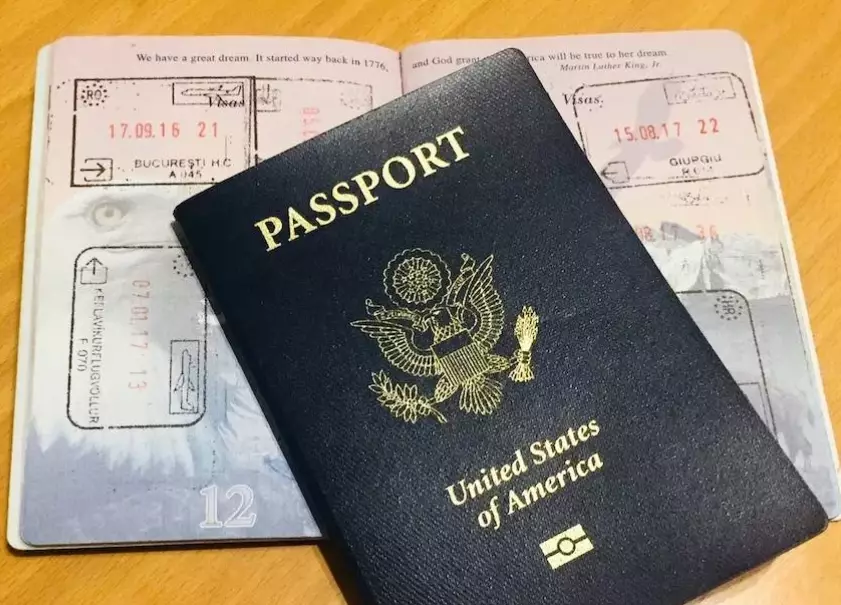
Pro Tip: Make two complete, identical sets of all documents. One original set and one photocopy set. The consulate often keeps the copies. Organize them in the exact order listed on the checklist. It sounds obsessive, but it makes the officer's job easier and creates a great first impression.
- National Visa Application Form: Filled out online, printed, and signed. Answer every question truthfully. Inconsistencies are a red flag.
- Valid Passport: Must have at least two blank pages and be valid for more than 3 months after your planned visa expiry. Include copies of all previous visas.
- Biometric Photos: Two identical, recent photos meeting the strict Schengen visa photo requirements. Don't just use a cropped selfie; go to a pharmacy or post office that knows the rules.
- Proof of Residence: A copy of your Green Card, US visa (like H1B, F1), or I-94 arrival record, plus a driver's license or utility bill.
- Travel Health Insurance: For national visas, you need insurance valid from your entry date until you are registered in Germany and get into the public system. Coverage must be at least €30,000. Companies like Feather, DR-WALTER, or Mawista specialize in this.
- Proof of Financial Means: This is huge. You must prove you can support yourself without public funds. For students, it's the blocked account. For others, recent bank statements (last 3-6 months), employment contracts, or formal sponsorship letters (Verpflichtungserklärung) from a host in Germany.
- Purpose-Specific Documents: This is your why. Job contract, university admission letter, marriage certificate (with an apostille!), business plan, etc.
Gathering these documents for your Germany visa from the USA is a project in itself. Give it time.
Step 3: Book the Appointment
This might be the most frustrating part. Appointment slots for your Germany visa from the USA are released in batches and can get snapped up quickly. You need to monitor the website of the service provider (VFS or BLS) for your consular district. Be ready with all your documents before you book, as your appointment date will come fast.
Step 4: Attend the Visa Interview
It's not as scary as it sounds. The interview at the application center is usually brief (10-15 minutes). The officer is verifying that you are who your documents say you are and that your story is consistent. They'll ask about your plans, your ties to the USA, and your reasons for going to Germany. Answer clearly and confidently. Bring your organized file, the appointment confirmation, and the application fee in the required form (often a money order or cashier's check).
Step 5: Pay Fees and Submit Biometrics
At your appointment, you'll pay the visa fee (e.g., €75 for most adult national visas). You'll also have your fingerprints taken digitally. This data is stored for 5 years, so you might not need to do it again for a subsequent visa within that time.
Step 6: The Waiting Game & Tracking
After submission, your application goes to the consulate for a decision. Processing times vary wildly—from 1-2 weeks for a straightforward student visa to 2-4 months for a family reunion or freelance visa, as they often require approval from authorities in Germany. You'll get a tracking number to check the status online. Resist the urge to check it five times a day.
Navigating Common Hurdles & FAQs
Even with perfect preparation, questions pop up. Here are answers to the things people really worry about.
The standard line is "several weeks." Unhelpful, right? Realistically, budget 8 to 12 weeks from your appointment date for most long-term visas. During peak seasons (summer, before semesters start), it can be longer. Do not, under any circumstances, book non-refundable flights before you have the visa in hand. I've heard too many sad stories.
Understanding the pitfalls helps you avoid them.
- Insufficient Financial Proof: The biggest one. Vague statements or recent large deposits that look staged won't cut it.
- Unclear Purpose or Travel Plan: Your documents and story must align perfectly. A freelance visa application with a flimsy business plan will be rejected.
- Lack of Ties to the USA: They need to believe you'll leave Germany when your visa expires. If you sell your house and quit your job in the States before applying, that's a red flag.
- Incomplete Documentation: A missing apostille, an old bank statement, an unsigned form. Small oversights have big consequences.
Yes, but with a caveat. A German national (D) visa allows you to transit through other Schengen countries to reach Germany. Once you're settled and have your German residence permit, you can travel freely within the Schengen Area for up to 90 days in any 180-day period for tourism. For the official word on freedom of movement, the European Commission's Your Europe portal is the best source.
If you're a student, you've probably already heard about this. It's a special bank account where you lock away a mandatory amount of money (€11,208 for 2024) to cover your first year's living costs. You can only withdraw a limited amount each month. Deutsche Bank, Fintiba, and Expatrio are the usual providers. Set this up early, as getting the confirmation document is a key part of your application.
You'll receive a letter stating the legal reason for refusal. You typically have one month to file a formal appeal (Remonstration) against the decision. This involves writing a letter addressing the specific refusal grounds with additional evidence. It's often wise to consult with an immigration lawyer at this stage.
Beyond the Visa: What Happens After You Arrive in Germany?
Getting the visa is a massive win, but it's not the finish line. Think of it as your entry ticket. Once you land in Germany, you have a short list of critical admin tasks.
- Register Your Address (Anmeldung): Within two weeks of moving into an apartment, you MUST register at the local residents' registration office (Einwohnermeldeamt or Bürgeramt). You'll need your passport, visa, rental contract, and a form from your landlord. This certificate of registration (Anmeldebestätigung) is the key to everything else.
- Apply for Your Residence Permit (Aufenthaltstitel): Your national visa is usually valid for 3-6 months for the purpose of entering and applying for the actual residence permit. You'll do this at the local Foreigners' Authority (Ausländerbehörde). Book an appointment online the second you have your Anmeldung—wait times can be months long in big cities.
- Get Health Insurance: If you arrived with travel insurance, you must switch to German statutory or approved private health insurance. This is a legal requirement.
- Open a German Bank Account: Makes life infinitely easier for receiving salaries, paying rent, and setting up utilities.
The process for a Germany visa from the USA requires patience and attention to detail. It's a bureaucratic journey, but thousands of Americans complete it successfully every year. The key is to start early, be meticulously organized, and double-check every requirement against the official sources. Don't rely solely on forum advice from three years ago—rules change.
Your dream of living, working, or studying in Germany is absolutely achievable. It just takes navigating this one, well-defined path. Take it step by step, and you'll get there.