Ask anyone what Frankfurt is famous for, and you'll likely hear "banks" and "the airport." It's true. As the home of the European Central Bank and Germany's busiest aviation hub, Frankfurt am Main wears its title as "Mainhattan" and "Gateway to Europe" with pride. But if you think that's all there is, you're missing the real story. I've lived here for over a decade, and the Frankfurt I know is a fascinating cocktail of gleaming skyscrapers, cobblestone alleys filled with the smell of apple wine, and a cultural scene that punches way above its weight. This isn't just a city for business travelers. Let's peel back the financial facade and explore what Frankfurt is really best known for.
What You'll Find in This Guide
- The Financial Powerhouse: More Than Just Banks
- The Skyline: Frankfurt's Manhattan
- Historic Heart: Römerberg and Altstadt
- Cultural Cornerstones: Goethe and Museums
- Frankfurt's Liquid Gold: Apfelwein
- The Flavor of Frankfurt: Green Sauce and More
- Planning Your Frankfurt Experience: Practical Tips
- Your Frankfurt Questions Answered
The Financial Powerhouse: More Than Just Banks
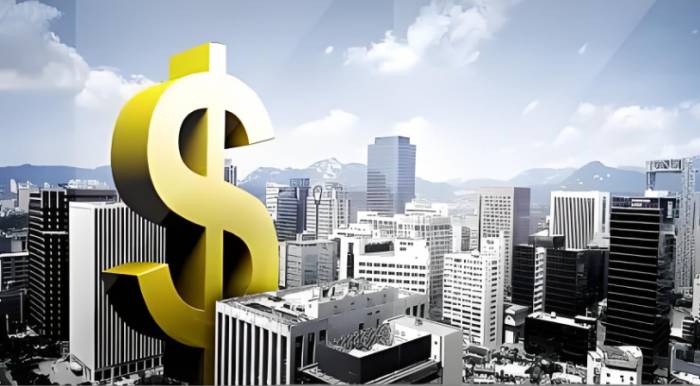
Yes, it's the financial capital. The Bankenviertel (Banking District) is a forest of glass and steel, home to the headquarters of Deutsche Bundesbank, Commerzbank, and the towering Eurotower, which once housed the European Central Bank (ECB). The new ECB headquarters in the Ostend district, a stunning double-skyscraper complex, is a testament to the city's ongoing economic might. You can feel the energy on weekdays—suits, briefcases, a sense of purpose in the air.
But here's a local tip most guides miss: the financial district on a weekend is a ghost town. It's eerily quiet and offers some of the best, unobstructed views of the architecture without the crowds. It's a photographer's dream. While you can't just walk into the trading floors, the Deutsche Bundesbank's Money Museum is a fantastic (and free) interactive way to understand the economy. It's way more interesting than it sounds.
The Skyline: Frankfurt's Manhattan
This is the postcard view. No other German city has a skyline like Frankfurt's. The cluster of skyscrapers, with the Commerzbank Tower and the distinctive tapered peak of the Main Tower, is utterly unique. For the best experience, you have two main options:
Skyline Viewing 101
The Main Tower Observation Deck is the only skyscraper with a public viewing platform. The view is unbeatable, especially at sunset. Tickets are around €9. It's open daily, but check for weather closures.
The Free Alternative: Cross the Eiserner Steg (Iron Footbridge) to the Sachsenhausen side of the river. The view back towards the city center, with the bridges and towers reflected in the Main River, is iconic and costs nothing. This is where I take all my visiting friends first.
Historic Heart: Römerberg and Altstadt
This is the "oh wow" moment for many visitors. Just a 15-minute walk from the skyscrapers, you step into Römerberg, the old central square with its picturesque, gabled half-timbered houses. It feels like a movie set because, well, much of it was meticulously reconstructed after being destroyed in World War II.
The Römer itself is the city hall for over 600 years. The Frankfurt Cathedral (Kaiserdom) is not technically a cathedral but an imperial church where Holy Roman Emperors were elected. Climb its tower for another great view, this time looking over the red roofs of the old town towards the modern towers—a perfect juxtaposition. The recently completed Dom-Römer Project rebuilt an entire medieval quarter, with new-old houses and shops. It's controversial among purists but undeniably popular.
Cultural Cornerstones: Goethe and Museums
Frankfurt is the birthplace of Johann Wolfgang von Goethe, Germany's Shakespeare. Goethe House, where he was born in 1749, is a must-visit. They've preserved his writing room, and you get a real sense of 18th-century bourgeois life. It's at Großer Hirschgraben 23-25, open daily, tickets about €10.
Then there's the Museumsufer (Museum Embankment). Along the south bank of the Main River, you'll find a dense row of museums in beautiful villas. The Städel Museum is the star, with an incredible collection from the Old Masters to contemporary art. The German Film Museum and the Museum of Applied Arts are also top-notch. A pro tip: many museums have reduced or free entry on the last Saturday of the month. The official Frankfurt Tourism website lists all current offers.
Frankfurt's Liquid Gold: Apfelwein
This is the soul of Frankfurt. Apfelwein (apple wine) is a tart, cloudy cider, around 5-7% alcohol, served in a traditional ribbed glass called a "Bembel." The epicenter is the Sachsenhausen district, specifically the streets around Klappergasse. The atmosphere in these old taverns is loud, communal, and utterly authentic.
| Tavern Name | Address | What to Order & Expect | Approx. Price for a "Bembel" (1L) |
|---|---|---|---|
| Zum Gemalten Haus | Schweizer Straße 67 | The classic. Wood-paneled walls, historic paintings. Order a "Bembel" of Apfelwein and a plate of "Handkäs mit Musik" (cheese in vinegar). | €12-14 |
| Apfelwein Wagner | Schweizer Straße 71 | More rustic, often livelier. They produce their own cider. Try the "Rippchen mit Kraut" (cured pork chops with sauerkraut). | €11-13 |
| Dauth-Schneider | Neuer Wall 5 | Slightly less touristy, with a great courtyard garden. Excellent traditional food menu beyond just snacks. | €13-15 |
Don't like it straight? Ask for a "Sauergespritzte" (with sparkling water) or a "Süßgespritzte" (with lemonade). Locals might tease you for the latter, but who cares?
The Flavor of Frankfurt: Green Sauce and More
Frankfurt's signature dish is Grüne Soße (Green Sauce)—a cold herb sauce made with seven specific fresh herbs (parsley, chives, chervil, borage, sorrel, garden cress, and salad burnet), sour cream, and egg. It's traditionally served with boiled potatoes and hard-boiled eggs or boiled beef. It's refreshing, herbaceous, and uniquely Frankfurter.
You can find it everywhere in spring and summer. For a dedicated experience, head to Zum Grüne Sauce near the opera house. Another classic is Frankfurter Würstchen—small, thin, smoked pork sausages, usually served two or three at a time with bread, mustard, and sometimes sauerkraut. Avoid the overpriced stands on Zeil. Instead, try the butcher shop at the Kleinmarkthalle (the central market hall) for an authentic one.
Planning Your Frankfurt Experience: Practical Tips
How to Get Around
The city center is very walkable. For longer distances, the public transport network (RMV) of trams, U-Bahn (subway), and S-Bahn (suburban trains) is excellent and punctual. A single ticket within the city center (Zone 50) costs about €3. If you're planning multiple trips, a day ticket (Tageskarte) for €6-11 (depending on zones) is a no-brainer. The Frankfurt Card offers unlimited transport and museum discounts, but do the math—it only pays off if you plan to visit several paid attractions in one day.
When to Visit and How Long
Late spring (May-June) and early autumn (September-October) are ideal. Summer can be hot, and many locals are on vacation. Christmas Market season (late Nov to Dec 23) is magical but packed. For the main highlights, two full days is sufficient. Add a third if you're a museum enthusiast or want a day trip to the Rhine Valley.
A common mistake is treating Frankfurt as just an airport connection. Give it at least one night. The contrast between day and night, especially in the old town and along the river, is remarkable.
A Sample 48-Hour Itinerary
- Day 1 AM: Start at Römerberg & Frankfurt Cathedral. Walk across Eiserner Steg for the skyline photo.
- Day 1 PM: Visit Goethe House. Stroll along Zeil for shopping or escape to the peaceful Palmengarten.
- Day 1 Evening: Apfelwein dinner in Sachsenhausen.
- Day 2 AM: Main Tower viewing platform (book online to skip queues).
- Day 2 PM: Pick one or two museums on the Museumsufer. The Städel is my top pick.
- Day 2 Evening: Explore the Kleinmarkthalle for snacks, then have a drink in the trendy Bahnhofsviertel area (stick to well-lit main streets).
Your Frankfurt Questions Answered
Is Frankfurt just for business travelers?
Not at all. While business travel is big, Frankfurt has a surprising amount to offer leisure visitors. The compact size means you can see world-class art, climb a medieval church, sip cider in a historic tavern, and gaze at skyscrapers all in one day. Business hotels drop their prices on weekends, making it a more affordable city break.
What's the biggest tourist trap in Frankfurt?
The sausage stands directly on the main shopping street, Zeil. They charge nearly double what a proper butcher in the Kleinmarkthalle or a local imbiss (snack stand) would. For an authentic Frankfurter Würstchen, go where the locals go, not where the tourist footfall is highest.
I only have a 6-hour layover at Frankfurt Airport. Can I see the city?
Yes, but be strategic. Take the S-Bahn S8 or S9 (15-20 mins) directly to "Hauptwache" station. From there, it's a 5-minute walk to Römerberg. You can see the old square, the cathedral exterior, cross the Eiserner Steg for the skyline view, and maybe grab a quick Apfelwein in Sachsenhausen. Allow 3 hours total (travel + sightseeing) to be safe. Keep your luggage in airport lockers.
Is the Frankfurt Card worth buying?
It depends entirely on your itinerary. Calculate the cost of individual transport tickets plus the 50% discount it offers on major museums (like the Main Tower, Städel, Goethe House). If you plan to visit 2-3 of those paid attractions in one day and use transport multiple times, it will likely save you money. If you're mostly walking and visiting free sights, skip it.
What's a hidden gem most tourists miss?
The Nizza park along the Main River, between the Friedensbrücke and Untermainbrücke bridges. It's a Mediterranean-style garden with palm trees and exotic plants, sheltered by the riverbank. On a sunny day, it feels like you've been teleported to the Riviera. It's a perfect spot for a picnic away from the crowds.