Ask "what are the six German beers?" and you'll likely get a list of brand names. But that's not quite right. The real answer lies in six foundational beer styles that form the backbone of Germany's 500-year brewing tradition, protected by the legendary Reinheitsgebot (Beer Purity Law). Forget random labels for a moment. We're talking about distinct categories of beer, each with a strict definition, a unique history, and a specific place on your palate. This isn't about picking a favorite brand; it's about understanding the language of German beer itself.
Your Quick Guide to German Beer Styles
Why Styles Matter More Than Brands
Walking into a German beer hall and ordering "a beer" is like walking into a library and asking for "a book." You need to be more specific. The style tells you everything: color, body, bitterness, alcohol strength, and even the ideal serving temperature. It's the blueprint. Brands like Bitburger, Paulaner, or Krombacher are simply interpretations of these blueprints. Knowing the styles empowers you. You can look at a menu, see "Helles" or "Weizen," and immediately know what to expect. It turns a guessing game into an informed choice.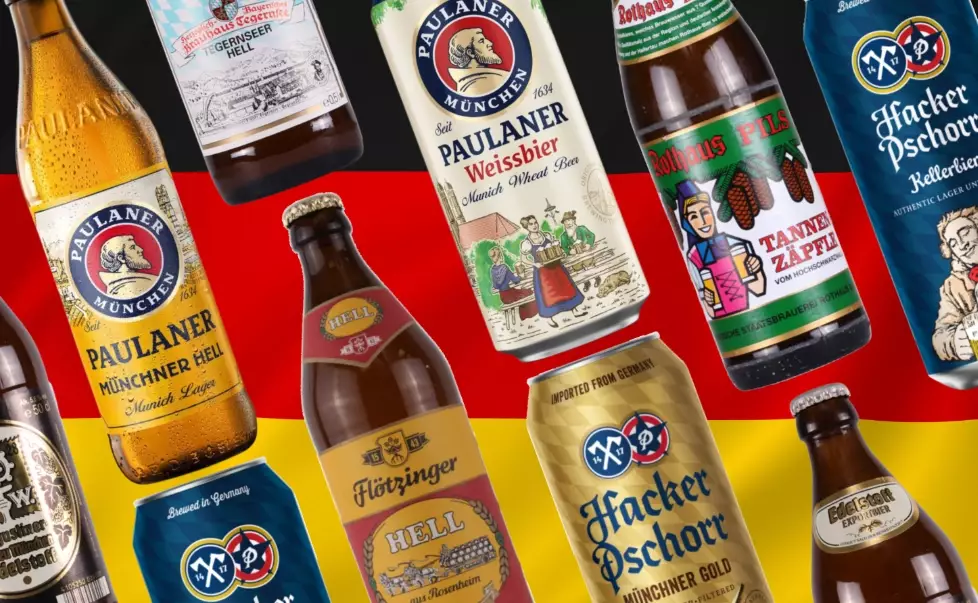
A quick note on the Reinheitsgebot: Established in 1516 in Bavaria, this law originally decreed that beer could only be made from water, barley, and hops (yeast's role was unknown then). It's why German beers are often celebrated for their purity and focus on ingredient quality over experimental additives. While modern regulations have evolved, the spirit of the law defines the clean, precise character of these classic styles.
The Six Classic German Beer Styles
These are the six styles you'll encounter time and again. They're not ranked, but they represent the core families from which countless regional variations spring.
1. Pilsner (or Pils)
The king of crispness. Originating in the Czech town of Pilsen but perfected in Germany, the German Pilsner is pale gold, brilliantly clear, and defined by a pronounced, spicy hop bitterness from noble German hops like Hallertau or Tettnang. It's dry, refreshing, and has a clean, malty backbone. This is your ultimate thirst-quencher. Think of a hot summer day in a Berlin beer garden—this is what you want in your hand.
Classic Examples & Where to Find Them: Bitburger (from Bitburg), Jever (Friesland), Krombacher Pils (Kreuztal). You'll find these on tap in almost every Kneipe (pub) across northern and central Germany.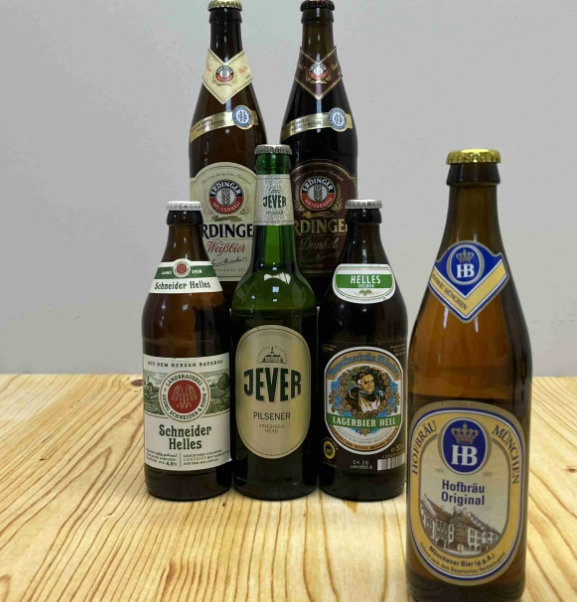
2. Helles
"Helles" means "bright" or "pale." If Pilsner is the sharp, hop-forward cousin, Helles is the smooth, approachable sibling. Born in Munich as a response to the popular Czech Pilsners, it's maltier, less bitter, and rounder on the palate. The color is a soft, sunny gold. The flavor is a harmonious balance of gentle sweetness and subtle hop character. It's the everyday, sessionable beer of Bavaria. A common mistake is confusing a Helles with a Pilsner—the key difference is the bite. Helles doesn't have one.
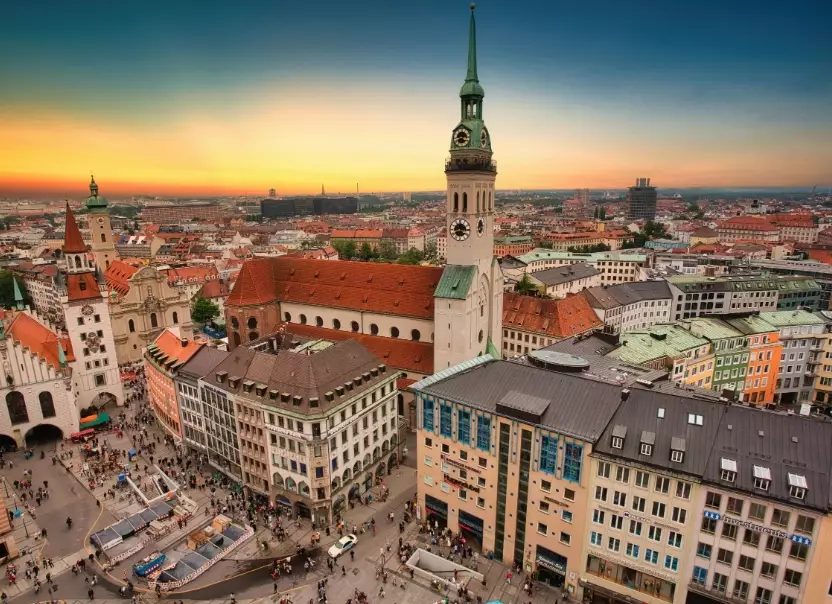
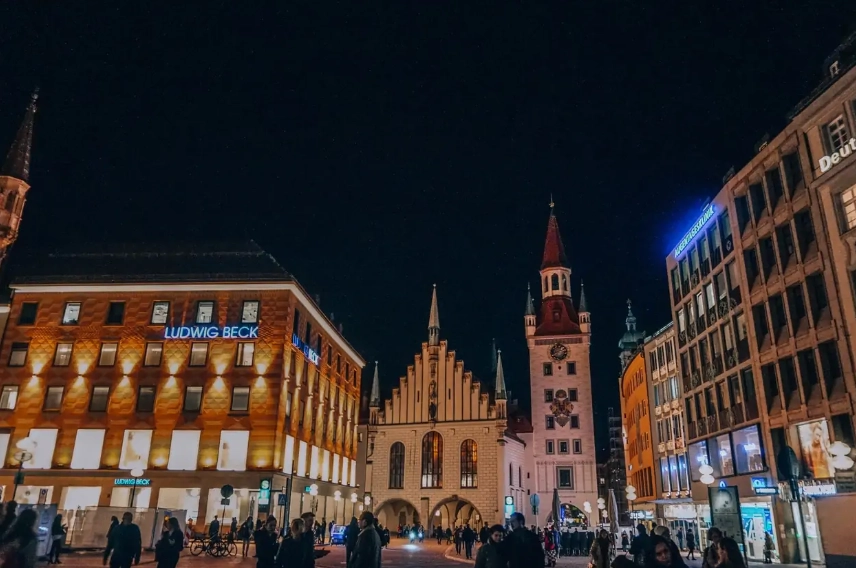
Classic Examples & Where to Find Them: Augustiner Helles (Munich), Löwenbräu Original (Munich), Tegernseer Hell (Tegernsee). This is the default tap beer in Munich's legendary beer halls like the Hofbräuhaus.
3. Weizenbier (Hefeweizen)
The unmistakable one. Weizen means "wheat," and by law, this style must contain at least 50% malted wheat. It's unfiltered ("Hefe" means yeast), giving it a cloudy, straw-yellow appearance and a massive, frothy white head. The yeast is the star, producing signature flavors of banana, clove, and sometimes bubblegum. It's highly carbonated, light-bodied, and often served in a tall, vase-like glass to showcase its spectacular head and aroma. Don't add a lemon—it's considered a faux pas that masks the delicate yeast flavors brewers work so hard to create.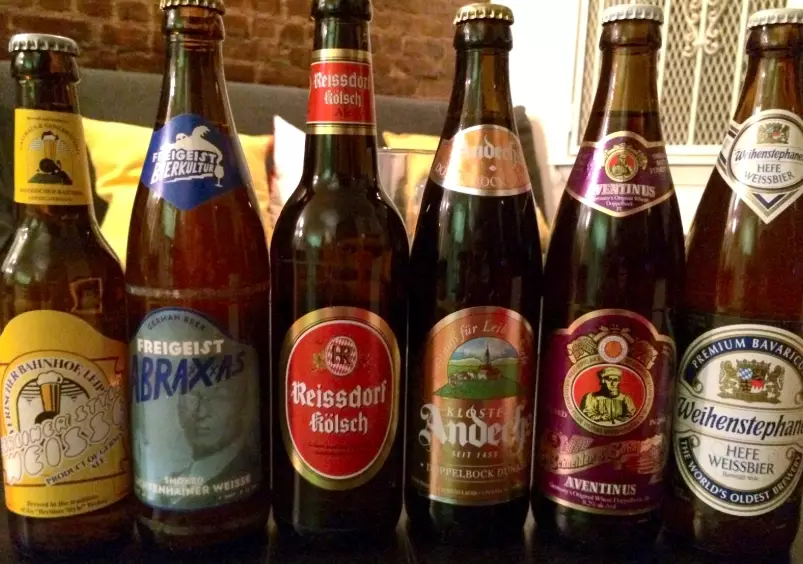
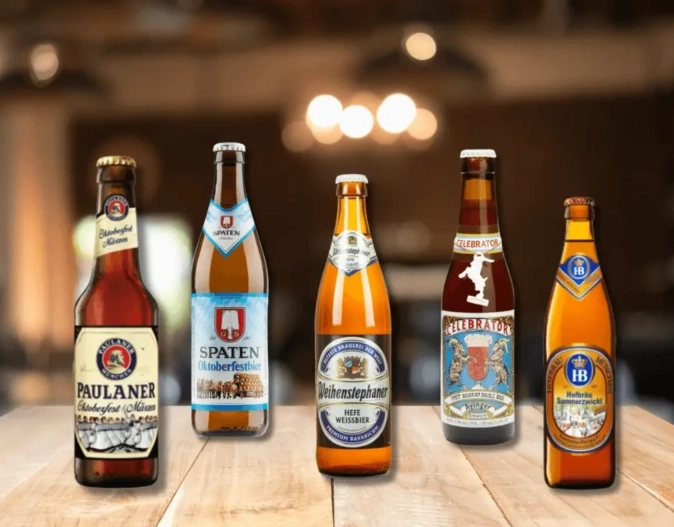
Classic Examples & Where to Find Them: Weihenstephaner Hefeweissbier (the world's oldest brewery), Paulaner Hefe-Weißbier, Schneider Weisse (Kelheim). Perfect for a sunny afternoon in a Munich beer garden like the Chinese Tower.
4. Dunkel
"Dunkel" means "dark." This is Germany's original beer style, a malty, lager that ranges from amber to deep ruby-brown. Forget the heavy, roasty stouts—Dunkel is surprisingly smooth and drinkable. It tastes of toasted bread, caramel, chocolate, and nuts, with very low hop bitterness. It's the comforting, flavorful beer for cooler evenings. Many find it a more accessible entry point into dark beers because of its clean lager profile.
Classic Examples & Where to Find Them: Augustiner Dunkel, Hofbräu Dunkel, Weltenburger Kloster Barock-Dunkel. Ideal in a cozy, wood-paneled tavern in Bavaria during the fall or winter.
5. Altbier
The rebel from the Rhineland. "Alt" means "old," referring to the traditional, top-fermenting ale yeast used before bottom-fermenting lagers became dominant. Brewed in Düsseldorf, Altbier is a fascinating hybrid: it has the fruity, robust character of an ale but is then cold-conditioned (lagered) like a lager for smoothness. The result is a copper-brown beer with a firm, dry hop bitterness balanced by a subtle malt sweetness. It's clean, complex, and utterly unique to its region.
Classic Examples & Where to Find Them: Füchschen Alt, Schlüssel Alt, Uerige Alt. The only true way to experience it is in Düsseldorf's historic Altstadt (Old Town), where it's served fresh from wooden barrels in traditional pubs.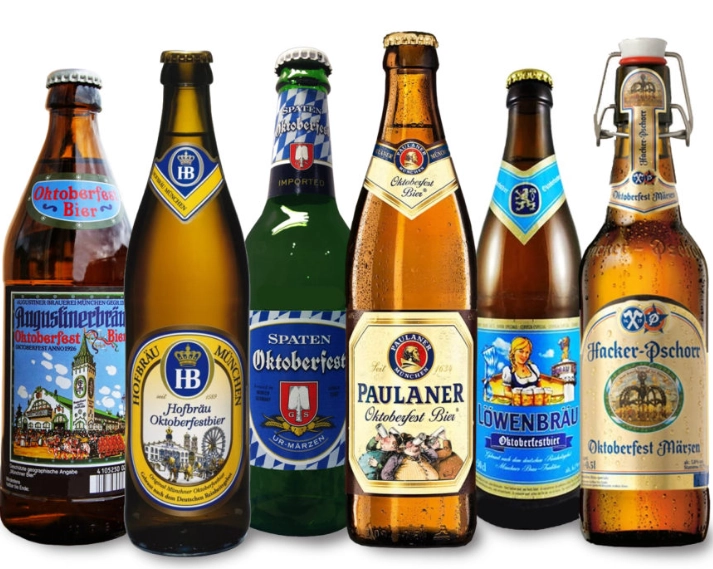
6. Bock & Doppelbock
The strong, sipping beers. Bock is a strong lager, traditionally brewed for special occasions and colder months. It's malt-forward, with higher alcohol (typically 6-7% ABV), a full body, and notes of bread crust and light toffee. Doppelbock ("double bock") is even richer, stronger (7-12% ABV), and more intense, often with deep, raisin-like malt flavors. Many Doppelbock names end in "-ator" (like Salvator, Optimator). Legend says monks brewed these "liquid breads" to sustain them during fasting periods. They're meant to be savored slowly.
Classic Examples & Where to Find Them: Einbecker Ur-Bock (the original), Paulaner Salvator (the archetypal Doppelbock), Ayinger Celebrator. Look for them in bottle or on special tap during late autumn and winter (Bockbierzeit).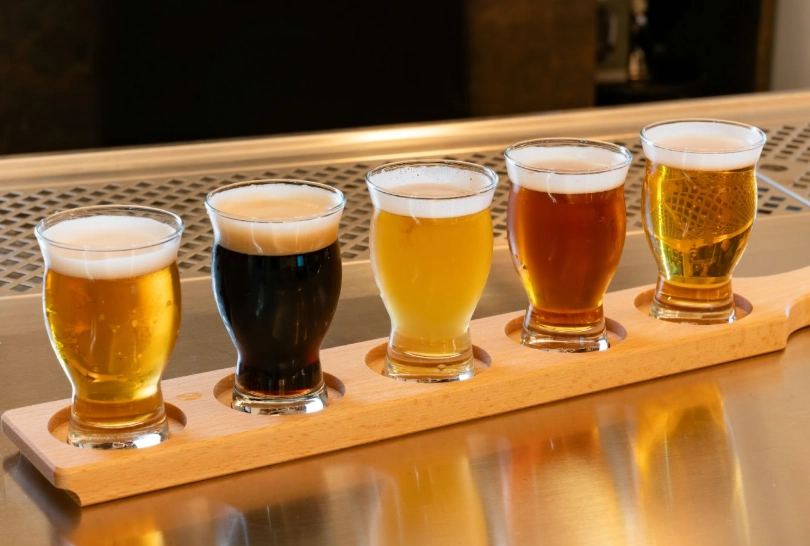
| Style | Color & Clarity | Key Flavor Profile | Strength (ABV) | Best Served |
|---|---|---|---|---|
| Pilsner | Pale Gold, Clear | Crisp, Pronounced Hop Bitterness, Dry | 4.8-5.3% | Cold (7-9°C/45-48°F) |
| Helles | Golden, Clear | Malty, Smooth, Balanced, Gentle | 4.7-5.4% | Cold (7-9°C/45-48°F) |
| Weizenbier | Cloudy Straw-Yellow | Banana, Clove, Fruity, Bready | 5.0-5.6% | Cool (8-10°C/46-50°F) |
| Dunkel | Amber to Dark Brown | Toasty, Caramel, Nutty, Malty | 4.5-5.6% | Cool (8-12°C/46-54°F) |
| Altbier | Copper to Brown | Dry, Bitter, Malty, Slightly Fruity | 4.5-4.7% | Cool (9-12°C/48-54°F) |
| Bock/Doppelbock | Amber to Dark Brown | Rich, Malty, Bready, Raisiny (Doppel) | 6.3-12%+ | Cellar Temp (10-13°C/50-55°F) |
How to Identify and Enjoy Each Style
Reading a German beer menu is now easy. Look for those six style words. Beyond that, here's how to elevate your tasting.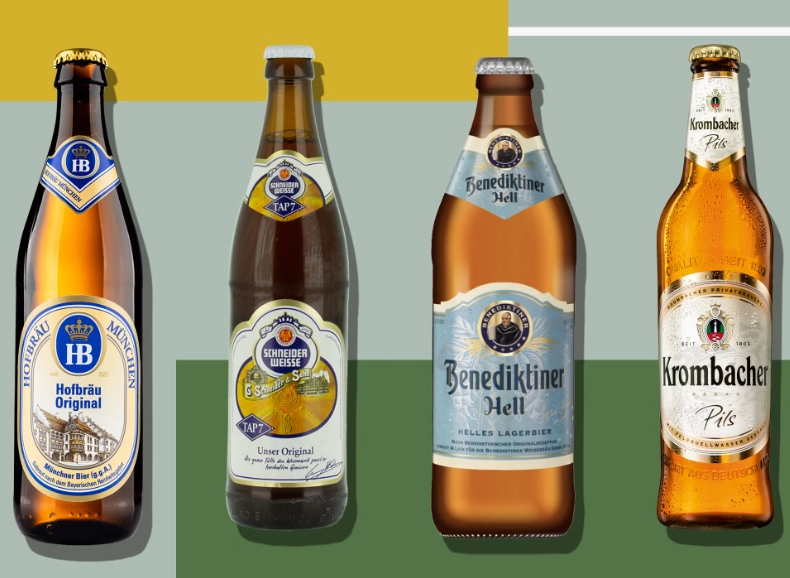
Glassware matters. Germans don't serve all beer in the same glass for fun. The tall, curvy Weizen glass promotes head retention and aroma. The slender Pilsner glass showcases color and carbonation. The thick-walled mug (Maßkrug) keeps a Helles cold. Using the right glass isn't snobbery; it's part of the intended experience.
Consider the region. While available nationwide, styles have homes. Want an authentic Altbier? Go to Düsseldorf. For the best Helles and Weizen, Munich is your spot. Northern Germany is Pilsner country. Tasting a beer in its city of origin adds context you can't get from a bottle at home.
Start light, go dark. If you're doing a tasting, begin with the Pilsner or Helles to cleanse your palate. Move to the Weizen for its aromatic shock, then progress through Dunkel and Altbier, finishing with the robust Doppelbock. This prevents the stronger, maltier beers from overwhelming your taste buds early on.