Your Castle Adventure Starts Here
Why German Castles Are a Must-Visit
Let's get one thing straight. When you think of German castles, you're probably picturing that one iconic postcard shot of Neuschwanstein. But there's a whole world beyond that single fairytale spire. Germany's castle landscape is a sprawling history book made of stone, each chapter a different architectural style, a different ruler's dream, and a different reason to explore. From Romanesque keeps built to withstand sieges to the over-the-top Romantic palaces of the 19th century, these aren't just old buildings. They're windows into centuries of power struggles, artistic movements, and the sheer ambition of the people who built them.
I remember my first trip to see German castles. I had the classic itinerary: rush from Munich to see Neuschwanstein, snap a photo, and leave. It felt... incomplete. The real magic happened on the second trip when I slowed down. I stayed in a small town along the Rhine, took a ferry past vineyards, and hiked up to a castle that wasn't even in my guidebook. That's when it clicked. The beauty isn't just in the architecture; it's in the setting, the stories, and the experience of discovering them at your own pace.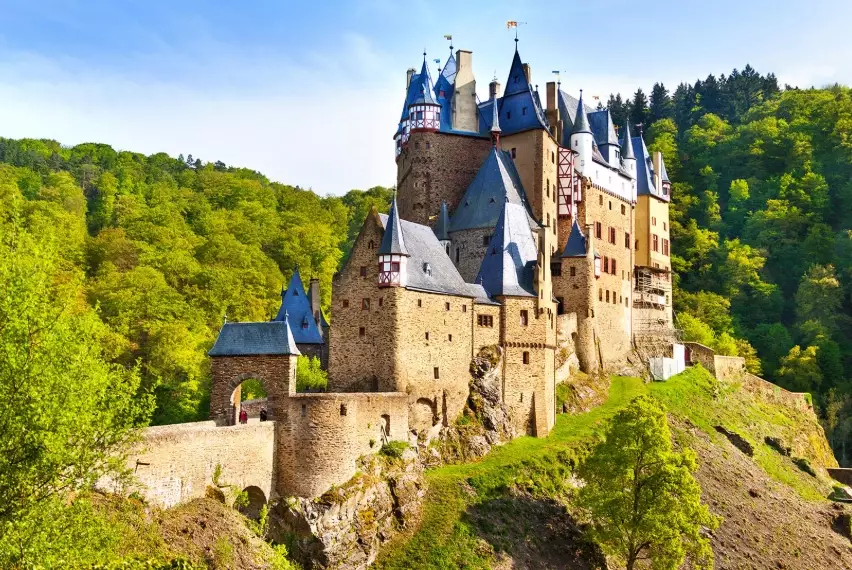
How to Choose Which German Castles to Visit
You can't see them all. Don't even try. With over 20,000 castles, palaces, and fortresses, the key is to be strategic. Ask yourself: what's your travel style?
Are you a history buff fascinated by medieval warfare? Look for fortified castles with thick walls and moats, like the Marksburg Castle on the Rhine—it's the only hilltop castle in the region never destroyed. More into opulent interiors and royal drama? The palaces of King Ludwig II (Neuschwanstein, Linderhof, Herrenchiemsee) are your jam. For the photographer chasing that perfect shot, consider the setting: Burg Eltz looks like it's straight out of a fantasy novel, nestled in a deep valley.
I often see travelers make the mistake of clustering castles on a map without considering travel time between them. The roads in the Alps or the Moselle Valley are winding and slow. It's better to pick a region and explore it in depth.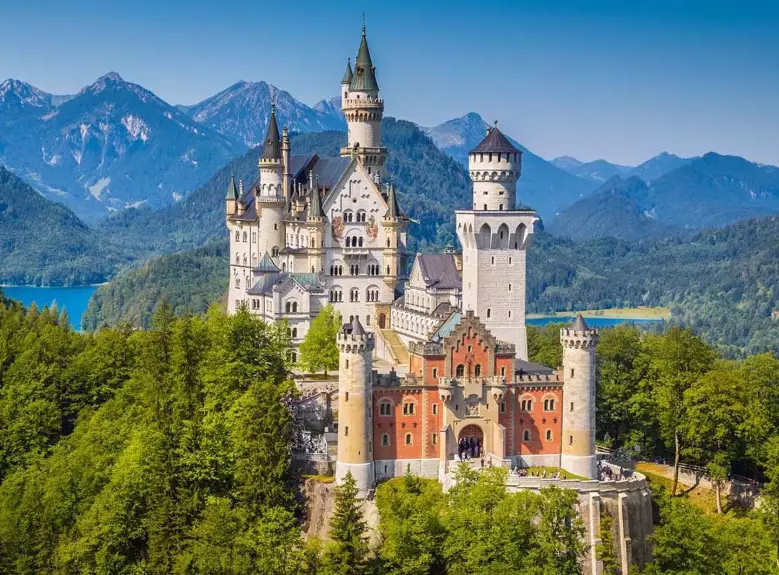
Quick Region Guide
- Romantic & Fairytale: Bavaria (Neuschwanstein, Hohenschwangau, Linderhof).
- Medieval & Fortified: The Romantic Rhine & Moselle Valleys (Marksburg, Burg Eltz, Reichsburg Cochem).
- Baroque & Grand Palaces: Baden-Württemberg (Hohenzollern, Ludwigsburg Palace, Heidelberg Castle ruins).
- Prussian Grandeur: Potsdam (Sanssouci Palace is more a palace, but the complex is unmissable).
Top German Castles You Can't Miss
Alright, let's get specific. Here's a breakdown of some of the top contenders, with the nitty-gritty details you need to actually plan your visit. I'm including the essentials: ticket booking links (always book online if you can), approximate prices (2024), and the best way to get there.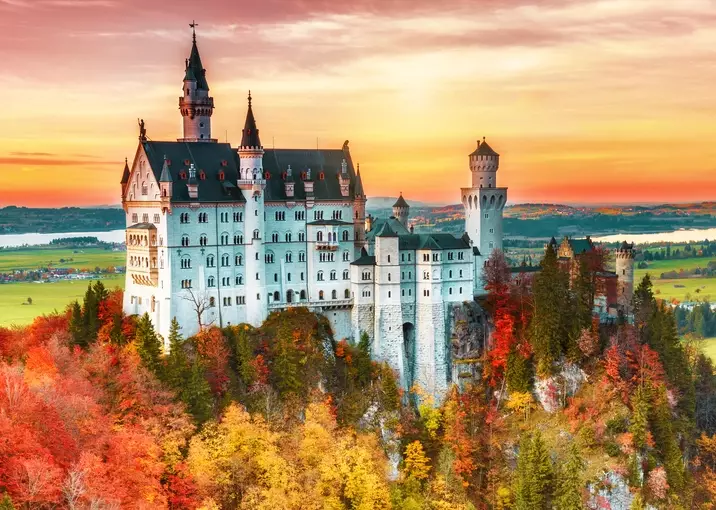
| Castle | Region | Key Info & Tickets | Getting There (From a Major Hub) |
|---|---|---|---|
| Neuschwanstein Castle | Bavaria (Füssen) | Timed entry tickets are MANDATORY. Book online months in advance, especially for summer. Adult ticket ~€18. The interior tour is 30 mins, but the exterior views are the main event. | From Munich: Train to Füssen (2 hours), then bus #73/78 to Hohenschwangau. The walk up the hill is steep; consider the shuttle bus (€3.50) or horse carriage. |
| Burg Eltz | Moselle Valley | No advance booking needed for the castle grounds. Guided tour required for the interior (€14). It's a 15-20 minute scenic walk from the parking lot (€4 parking fee). | From Koblenz or Cochem, drive is easiest (45 min). By public transport, take a train to Moselkern station, then a 45-minute walk through the forest (signposted). It's a hike, but part of the adventure. |
| Marksburg Castle | Rhine Valley (near Braubach) | Guided tours only (€11). No need for crazy advance booking, but check opening hours. It's a working castle with uneven steps, so wear good shoes. | From Koblenz or Rüdesheim, take a Rhine River cruise that stops at Braubach. The castle is a steep 15-minute walk up from the town. The train also stops at Braubach station. |
| Hohenzollern Castle | Baden-Württemberg | Entry to the grounds and a self-guided tour of the interior is €23. You can buy tickets online or at the entrance. The castle sits on a hill; a shuttle bus runs from the parking lot (€3.50). | From Stuttgart, take a train to Hechingen station (1 hour), then a local bus (#300) to the castle parking lot. The whole journey takes about 1.5 hours. |
Here's a personal take: Neuschwanstein's interior, while lavish, can feel a bit rushed and crowded. The real showstopper is the view from Marienbrücke (Mary's Bridge). For a more intimate and historically authentic interior, I'd give Burg Eltz or Marksburg the edge.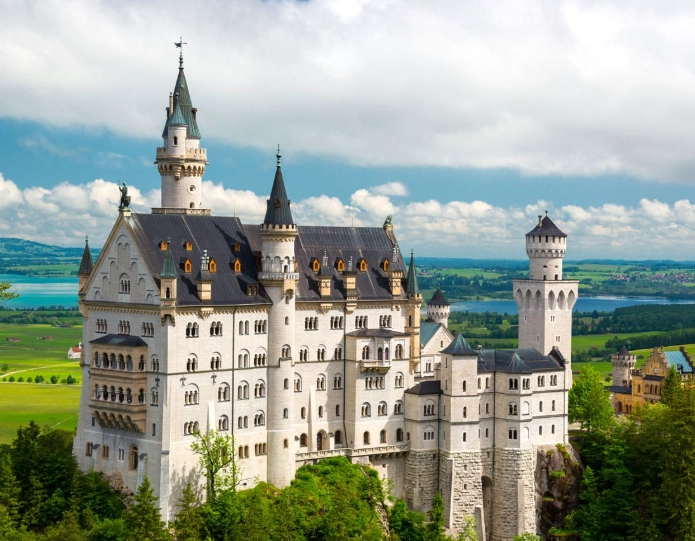
Don't Overlook These Gems
Beyond the top-tier list, consider these for a more off-the-beaten-path feel:
- Wartburg Castle (Eisenach): Where Martin Luther translated the New Testament. The setting is stunning, and the history is profound.
- Schwerin Castle (Schwerin): Looks like it's floating on a lake. The interior is a museum, and the gardens are perfect for a stroll. It's a great day trip from Hamburg or Berlin.
How to Avoid the Crowds at Popular Castles?
This is the real secret to enjoying German castles. The main mistake everyone makes is showing up at 11 AM in July. Here's how to beat the rush.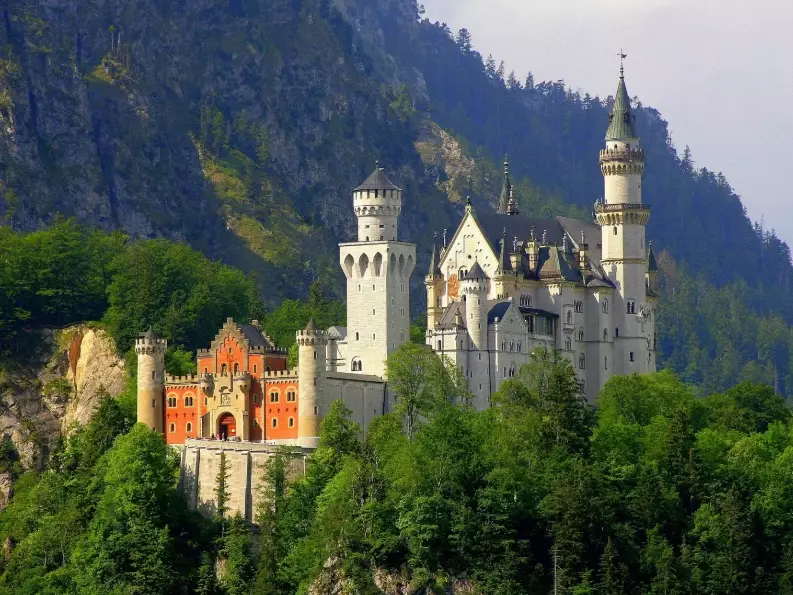
Book the first or last tour of the day. This is non-negotiable for places like Neuschwanstein. The 9 AM slot is golden. The light is soft, the tour groups haven't fully descended, and you'll have the bridge to yourself. The last tour of the day can be just as peaceful.
Stay overnight nearby. I can't stress this enough. Book a hotel in Füssen, Rothenburg, or a village along the Rhine. Not only do you get that magical early morning or late evening experience when the day-trippers are gone, but you also get to explore the charming towns themselves. The difference between a castle at 5 PM and the same castle at 9 AM is like night and day.
Consider the shoulder season. Late April-May and September-October offer milder weather and significantly fewer people. Sure, it might be a bit chillier, but you'll have breathing room. Winter visits can be magical too, with snow-capped turrets, but check for seasonal closures.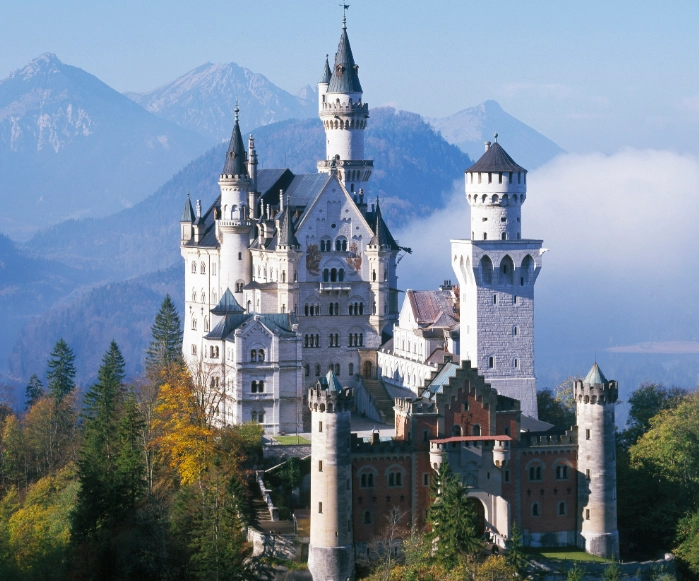
A local guide once told me: "The most beautiful part of a castle is often not the main hall, but the quiet corner of the courtyard where you can hear the wind." To find that corner, you need to escape the tour bus schedule.
What's the Best Way to Get Around to See Castles?
This depends entirely on your tolerance for driving, your budget, and your group size.
By Car: The most flexibility, especially for remote castles like Burg Eltz or exploring the Black Forest. German roads are excellent, and parking is usually available (for a fee). Just be prepared for narrow, winding roads in the valleys and limited parking at peak times.
By Train & Public Transport: Germany's rail network is surprisingly good for castle-hopping. The key is to focus on regions well-served by trains. The Rhine Valley line is a prime example. You can hop on a regional train, get off at a stop like Braubach or St. Goar, and walk or take a short taxi to the castle. Regional day passes are a lifesaver.
Here's a sample 3-day itinerary using public transport:
Castle Hopping in Bavaria (3 Days):
- Day 1: Arrive in Munich. Stay overnight.
- Day 2: Use the Bayern-Ticket (Bavaria Ticket, ~€27 per person for a group) for unlimited regional travel. Take the train to Füssen (2 hours), visit Hohenschwangau Castle (Neuschwanstein's neighbor, often less crowded), and explore the town. Stay in Füssen.
- Day 3: Visit Neuschwanstein early with your pre-booked ticket. In the afternoon, take the train back to Munich or explore further with the same ticket.