Yes, you can drive in Germany with a US driver's license—but hold on, it's not a free pass. I've seen too many Americans get tripped up by the fine print, from unexpected fines to rental car hassles. After driving across Germany for over a decade, both for work and leisure, I'll cut through the confusion and give you the real scoop. Let's dive in.
What You'll Find in This Guide
The Short Answer: Yes, But With Conditions
As a US citizen, your driver's license is generally valid in Germany for up to six months from your date of entry, as long as you're a tourist or temporary visitor. That's based on the Geneva Convention on Road Traffic, which Germany follows. But here's the catch: your license alone might not be enough. German authorities often require an official translation or an International Driving Permit (IDP) to accompany it. I've heard stories of police officers turning away drivers without one, especially in rural areas where English isn't common.
Think of it this way: your US license is like a passport, and the IDP is the visa stamp that makes it understandable locally. Without it, you risk fines or even having your rental car impounded. Not fun when you're on vacation.
What You Need to Drive Legally in Germany
This is where most people mess up. They assume their US license is golden, but Germany has specific rules that can bite you if ignored.
Your US Driver's License: Is It Enough?
For short stays (under six months), yes, but only if it's valid and in good condition. However, German police or rental agencies might not recognize the English text alone. I once had a friend pulled over near Munich because the officer couldn't verify his California license details. He ended up with a warning, but it wasted an hour of his trip.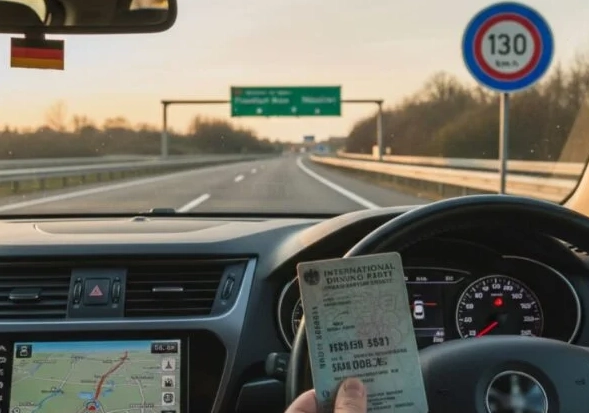
If you're planning to stay longer than six months or become a resident, you'll need to convert your license to a German one. That involves a theory test, practical exam, and sometimes a vision check. The process varies by state—for example, some US states have reciprocity agreements with Germany, making it easier. Check the German Federal Ministry of Transport and Digital Infrastructure website for the latest updates.
The International Driving Permit (IDP): Do You Really Need It?
Technically, it's not always mandatory, but I'd say get one. It's a translation document that costs about $20 from AAA or the American Automobile Touring Alliance. It's valid for one year and must be carried with your US license. Many rental companies in Germany insist on it, and it smooths things over with authorities.
A common myth: the IDP replaces your US license. Nope, it's just a supplement. Don't leave home without both.
Other Documents and Requirements
You'll also need your passport, proof of insurance (usually provided by the rental company), and for rental cars, a credit card in the driver's name. Age matters too: most rental agencies require drivers to be at least 21, and under-25s often face young driver surcharges. Here's a quick table to summarize:
| Document | Purpose | Where to Get It |
|---|---|---|
| US Driver's License | Primary identification for driving | Your home state DMV |
| International Driving Permit (IDP) | Official translation for German authorities | AAA or AATA in the US |
| Passport | Proof of identity and entry date | US Department of State |
| Rental Car Insurance | Covers liability and damage | Rental agency or third-party provider |
Don't forget: if you're bringing your own car, you'll need additional paperwork like vehicle registration and a green card for insurance. That's rare for tourists, though.
German Traffic Rules: Key Differences from the US
German driving culture is efficient but strict. Miss a rule, and you could face hefty fines. Here are the big ones.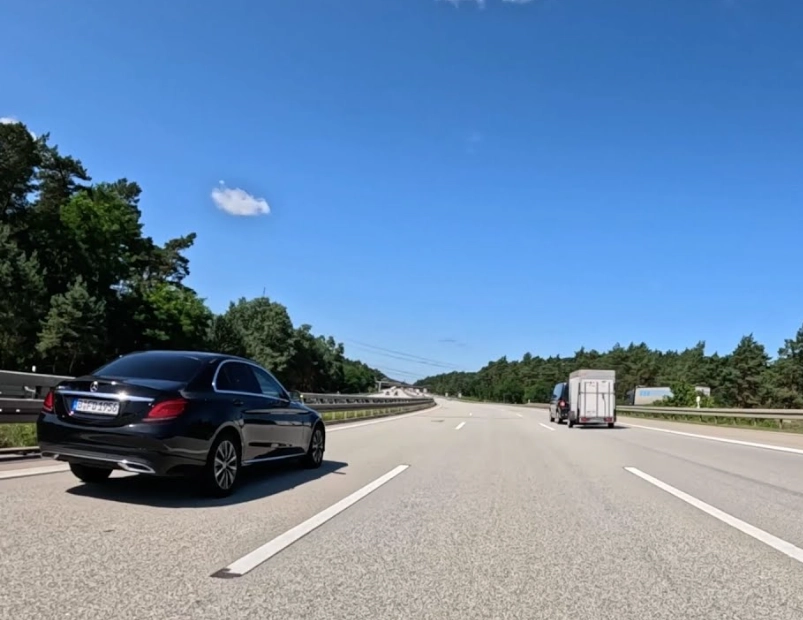
Speed Limits and the Famous Autobahn
The Autobahn (Germany's highway system) has sections with no speed limit, but that doesn't mean it's a free-for-all. About 30% of it has posted limits, often due to construction or urban areas. Even where unrestricted, the recommended speed is 130 km/h (about 80 mph). Exceed that, and you might be held liable in an accident.
In cities, limits are typically 50 km/h (31 mph), and in residential zones, 30 km/h (19 mph). Speeding fines are steep—I've seen tickets over €200 for going just 20 km/h over. Use a GPS or app like Waze to stay updated.
Right-of-Way and Roundabouts
Germans take right-of-way seriously. At intersections without signs, vehicles coming from the right have priority. It's called "rechts vor links" (right before left). Roundabouts are common; always yield to traffic already in the circle. A tip: signal left when entering and right when exiting. It seems minor, but locals notice and appreciate it.
Pedestrians have the right-of-way at marked crosswalks. Fail to stop, and you'll get a fine and dirty looks.
Parking, Tolls, and Environmental Zones
Parking can be a headache in cities. Look for blue zones where you need a parking disc (available at gas stations) to display your arrival time. In green zones, you might need a permit. Fines start at €10 and go up fast.
Tolls: Germany has a truck toll system, but for passenger cars, most highways are free. However, if you drive into environmental zones (Umweltzonen) in cities like Berlin or Frankfurt, you need an emissions sticker (Umweltplakette). It costs around €6 and is mandatory—without it, you risk a €80 fine. Order it online before your trip or at a local garage.
Drunk driving limits are lower than in the US: 0.05% blood alcohol content. Best to avoid alcohol altogether when driving.
Renting a Car in Germany: A Step-by-Step Guide
Renting is straightforward if you're prepared. I've rented from major companies like Sixt and Europcar, and here's how to do it right.
Choosing the Right Rental Company
Compare prices online, but read the fine print. German rentals often include mandatory third-party liability insurance, but collision damage waiver (CDW) is extra. I recommend booking through a site like Rentalcars.com for transparency. At airports, prices are higher, but it's convenient. For a better deal, try locations in city centers.
Consider the car type: compact cars are easier for narrow streets, but if you're hitting the Autobahn, a mid-size with good handling is worth it. Diesel is common and fuel-efficient, but check for environmental zone restrictions.
Insurance and Additional Costs
Always get full coverage. Basic insurance might have a high deductible (€1,000 or more). For peace of mind, add CDW and theft protection. Some credit cards offer rental insurance, but verify if it covers Germany—many exclude certain countries.
Additional costs: young driver fees (if under 25), extra driver fees (about €10 per day), and fuel policies. Prepay for a full tank and return it empty? That's a scam. Opt for "full-to-full" where you return it with a full tank.
Returning the Car and Avoiding Fees
Inspect the car thoroughly at pickup and return. Take photos of any scratches. Return it on time to avoid late fees. Most agencies require a clean interior—I once got charged €50 for a few crumbs. It's nitpicky, but that's Germany.
If you're dropping off at a different location, expect a one-way fee. Plan ahead to save money.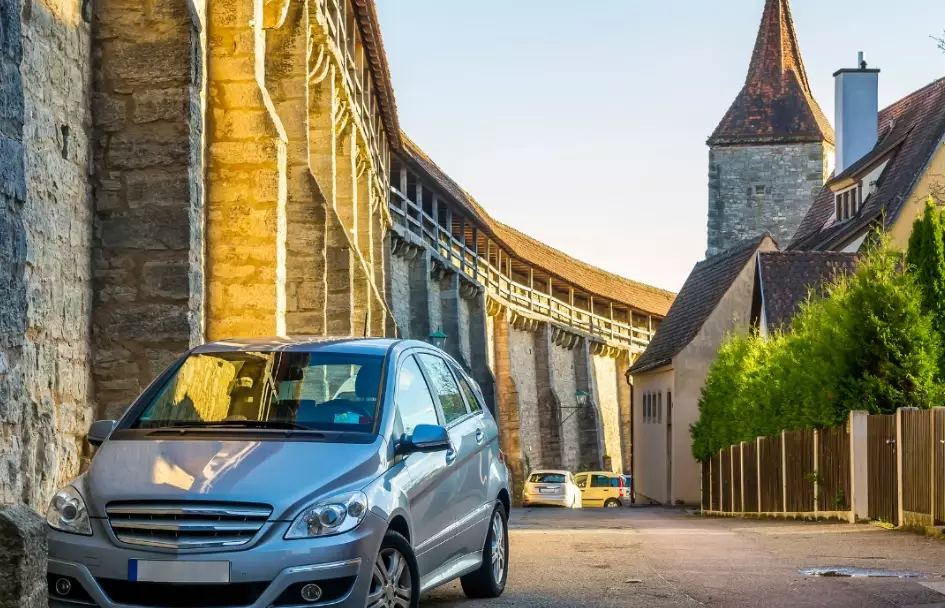
Practical Tips from a Seasoned Driver
Beyond the rules, here's what I've learned from years on German roads.
Navigating German Cities vs. Countryside
In cities like Berlin or Hamburg, traffic is dense, and parking is scarce. Use public transport for inner-city travel and rent a car only for day trips. The countryside is where driving shines—scenic routes like the Romantic Road are breathtaking. But watch for cyclists and tractors on rural roads.
GPS is essential. Offline maps on Google Maps or a dedicated device work well. Cell service can drop in remote areas.
What to Do in Case of an Accident or Breakdown
If you're in an accident, move to a safe spot, turn on hazard lights, and call 110 for police or 112 for emergencies. Exchange insurance details with the other driver. Don't admit fault—let the authorities handle it.
For breakdowns, rental cars usually have roadside assistance. Keep the contact number handy. On the Autobahn, use the emergency phones every 2 km. It's illegal to walk on the highway, so stay in your car with seatbelts on.
Fuel stations (Tankstellen) are self-service. Pay at the pump or inside. Diesel is marked black, petrol (gasoline) is green for unleaded (Benzin). Prices vary, so fill up in suburbs for cheaper rates.
Frequently Asked Questions (FAQ)
Driving in Germany as an American is totally doable with a bit of prep. Focus on the documents, respect the rules, and enjoy the ride—it's one of the best ways to explore the country. Safe travels!