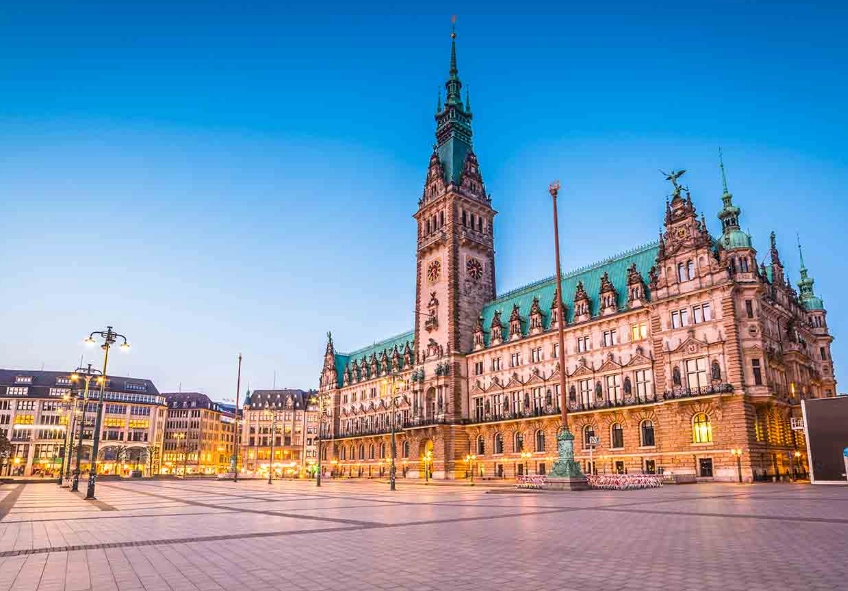
Let's get one thing out of the way first. Hamburg, Germany, and the hamburger sandwich have a relationship that's... complicated. We'll dig into that tasty mystery later. But if you think that's all this city is famous for, you're missing the whole story. Hamburg is a powerhouse of maritime history, architectural audacity, and a culture that's both gritty and grand. It's Germany's gateway to the world, built on water, trade, and an independent spirit that feels different from Berlin or Munich.
I've walked its wet cobblestones in the rain and basked in sun on the Elbe beaches. The contrast is part of the charm. This isn't a picture-postcard old town (though it has beautiful parts). It's a working city with a stunning face.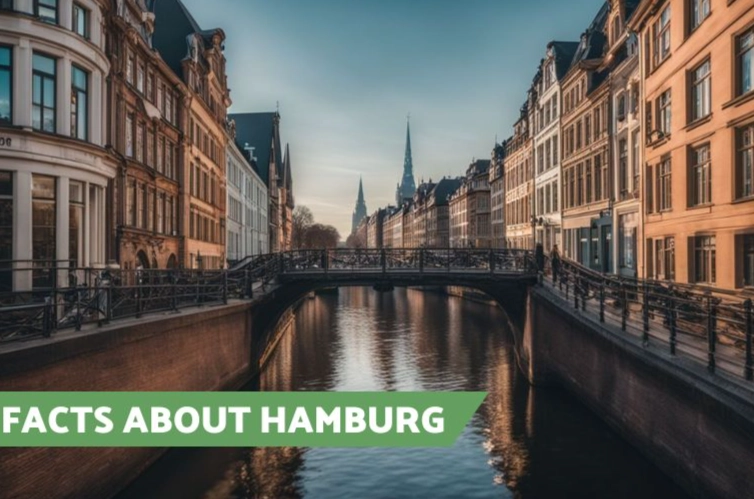
What You'll Discover in This Guide
Hamburg's Maritime Heart: The Port That Built a City
This is the core fact. Hamburg's port is the reason the city exists. It's not just a port; it's one of the largest in Europe and a central nervous system for the entire country's trade. The sheer scale is hard to grasp until you're there, watching container ships the size of apartment blocks glide silently past.
The port defines the city's layout, its economy, and its vibe. You smell the salt air. You see sailors. The rhythm feels tidal.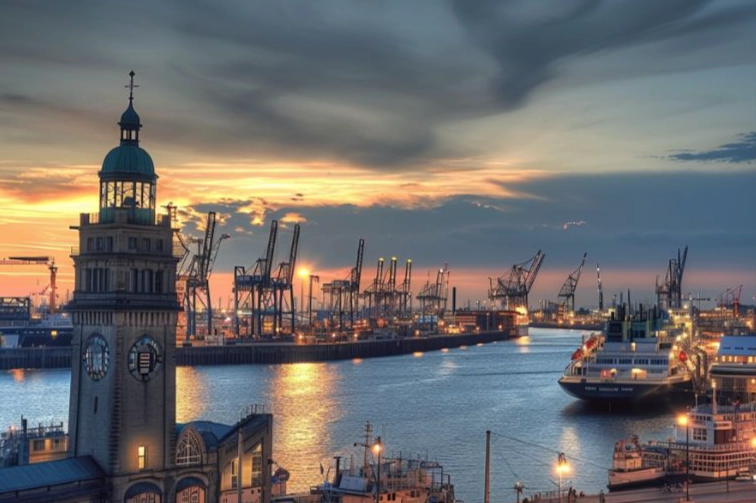
The Speicherstadt: A Warehouse City Like No Other
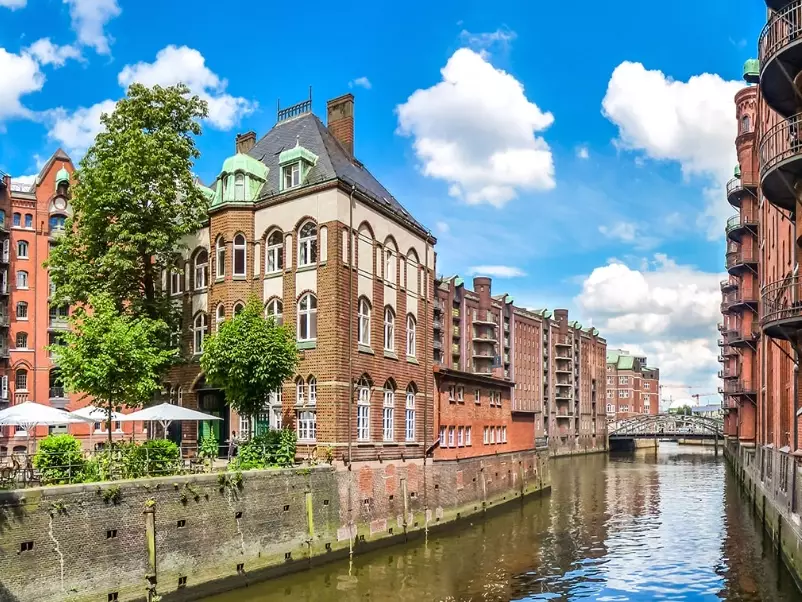
Right in the middle of the city, you'll find the Speicherstadt ("Warehouse City"). This isn't a metaphor. It's a literal district of massive, neo-Gothic brick warehouses built on oak log foundations in a network of canals. It was a free port zone, and today it's a UNESCO World Heritage Site. Walking through its narrow canals at dusk, with the bridges lit up, feels like stepping into a 19th-century trading novel. The brickwork has a deep, terracotta glow you don't forget.
Speicherstadt & HafenCity at a Glance
Speicherstadt: Built 1883-1927. UNESCO site since 2015. Best explored on foot. Key museums inside include the Spice Museum and Hamburg Dungeon. Access: Always open to wander; museums have individual hours. Nearest U-Bahn: Baumwall or Messberg.
HafenCity: The modern extension, Europe's largest inner-city development project. Home to the iconic Elbphilharmonie. A stark, fascinating contrast to the old warehouses.
Miniatur Wunderland: The World in Miniature
Housed in one of those Speicherstadt warehouses is a fact that surprises many: the world's largest model railway. Miniatur Wunderland is a phenomenon. It's not just for train enthusiasts. It's an jaw-dropping feat of detail, humor, and engineering. They've recreated sections of Germany, the Alps, America, and even an airport with planes that actually take off. You need at least 3-4 hours here. Book tickets weeks in advance online—this is the most popular tourist attraction in Germany for a reason.
- Address: Kehrwieder 2-4/Block D, 20457 Hamburg
- Tickets: ~€20-€25. Online booking mandatory for timed entry.
- Hours: Vary, often 9:30 AM - 6:00 PM, some days until 9:00 PM. Check their website.
Architectural Marvels & Historical Gems
Hamburg's architecture tells a story of fire, war, and bold rebirth. The Great Fire of 1842 and WWII bombing destroyed much of the old city. What stands now is a mix of meticulous reconstruction and daring new builds.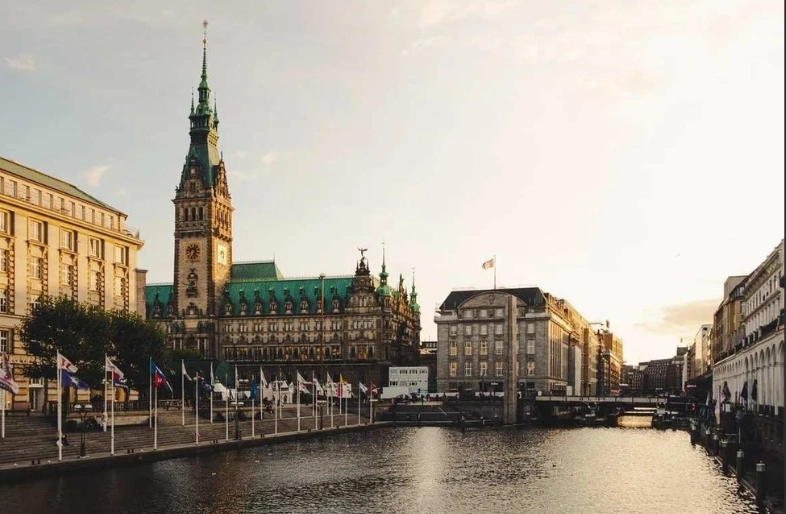
St. Michael's Church: The "Michel"
The city's most famous landmark. This Baroque church with its towering copper spire is the north star of Hamburg's skyline. You can take an elevator (or climb 453 steps) to the viewing platform 82 meters up. The 360-degree view is the best orientation you can get. You see the Alster lakes, the port, and the urban sprawl. Inside, it's surprisingly bright and white. A classic for a reason.
Hamburg Rathaus: Opulence on the Alster
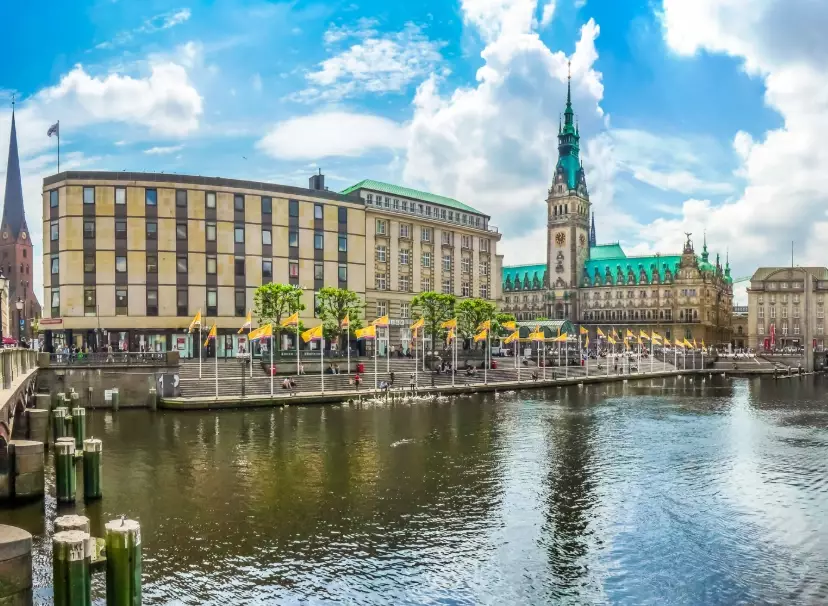
The City Hall looks like it belongs to a kingdom, not a city-state. It's ridiculously ornate, with over 600 rooms. The facade is covered in statues of emperors and allegories. The guided tour (the only way to see the interior) is worth it to see the sheer civic pride and wealth on display in the Senate Chamber and Great Hall. It sits on the beautiful Rathausmarkt square, often hosting markets.
| Landmark | Key Fact & Tip | Practical Info |
|---|---|---|
| Elbphilharmonie | "Elphi" is the new icon. A glass wave atop an old brick warehouse. The Plaza viewing platform is free but requires a (free) timed ticket booked online. Concerts are world-class but sell out fast. | Plaza open 9AM-11:30PM. U-Bahn: Überseequartier. Book Plaza tickets as soon as your travel dates are set. |
| St. Michael's Church (Michel) | Best panoramic view of the city. The crypt has an interesting exhibition on its reconstruction. | Tower access: ~€7. Open daily, typically 9AM-8PM (shorter in winter). U-Bahn: Rödingsmarkt. |
| Hamburg Rathaus | Symbol of Hamburg's historic independence and wealth. The inner courtyard is free to enter. | Guided tours only, multiple languages, ~€6. Tours run frequently. U-Bahn: Rathaus. |
Hamburg's Culinary Claim to Fame (And Other Tastes)
Okay, back to the burger. It's a famous fact with a asterisk.
The "Hamburger" Debate: A Tale of Two Cities
The story goes that sailors from Hamburg brought the idea of shredded beef ("Hamburg steak") to America in the 19th century, which later evolved into the patty-in-a-bun. There's no definitive proof it was invented here. But, Hamburg did give the dish its name. You can find excellent, gourmet burgers in the city today, but it's not the defining local dish. That honor goes to seafood.
The true must-eat is the Fischbrötchen—a simple, perfect fish sandwich. Herring, salmon, or pickled fish with raw onions, pickles, and remoulade sauce in a crusty roll. Get one at the Fischmarkt (Sunday morning ritual) or from any kiosk near the harbour. It's fresh, cheap, and authentic.
Frankenfurters in Hamburg? A Sausage Story
Here's a quirky fact: the sausage commonly called a "frankfurter" in much of the world is often called a „Wiener“ (Vienna sausage) in Germany. But in Hamburg, they sometimes call it a... „Frankfurter Rindswurst“. Confused? Don't be. Just head to a classic grill stand like „Grillstation“ and order one with curry ketchup and fries. It's the perfect late-night bite after exploring the Reeperbahn.
For a truly historic Hamburg dish, try Labskaus. It looks... challenging. A pinkish mash of corned beef, beetroot, potato, topped with a fried egg, rollmops, and pickles. It was designed to feed sailors on long voyages. It's an acquired taste, but trying it is a rite of passage. Find it at old-school restaurants like „Old Commercial Room“ near the Michel.
The Sound of Hamburg: Music, Nightlife & the Red Light District
Hamburg has a raw, energetic cultural undercurrent. It's not all chamber music in the Elbphilharmonie.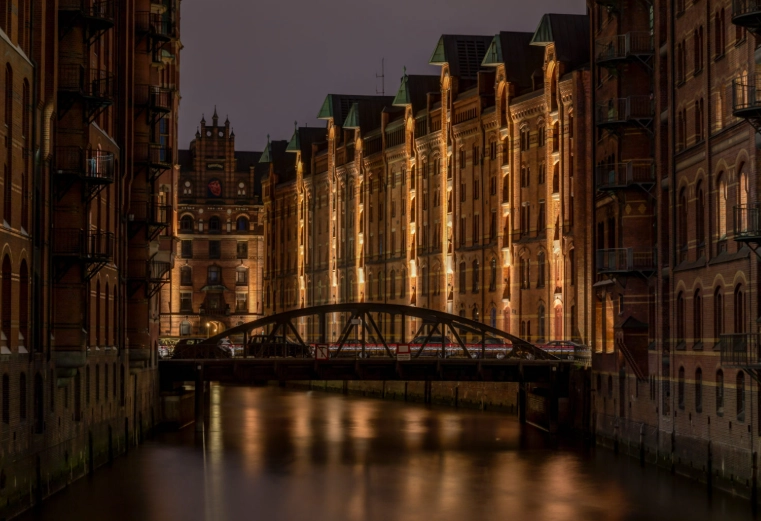
The Beatles' Hamburg Years: Where Legends Were Forged
This is a massive piece of music history. Before they were global superstars, the Beatles honed their craft in Hamburg's gritty nightclubs from 1960 to 1962. They played marathon sets at venues like the Indra Club, Kaiserkeller, and the legendary Star-Club (long gone). The city's demanding audiences, the non-stop playing, and the sheer volume of stage time were their boot camp. You can follow a Beatles-Platz (a plaza with steel sculptures of the band) and visit some of the original locations in the St. Pauli district.
Reeperbahn: More Than a Red Light District
The Reeperbahn is Hamburg's most (in)famous street. Yes, it's a legal red-light district with sex shows and nightclubs. But it's also a massive entertainment zone with mainstream music clubs, theaters (like the Operettenhaus showing big musicals), bars, and restaurants. It's safe to walk through as a tourist, though side streets like Herbertstraße are off-limits to women and minors. The area has cleaned up a lot but retains an edgy energy. For a less intense night out, the neighboring Schanzenviertel is full of trendy bars, cafes, and a more alternative crowd.
Planning Your Visit: Essential Hamburg Travel Tips
Knowing the facts is one thing. Using them to plan a great trip is another.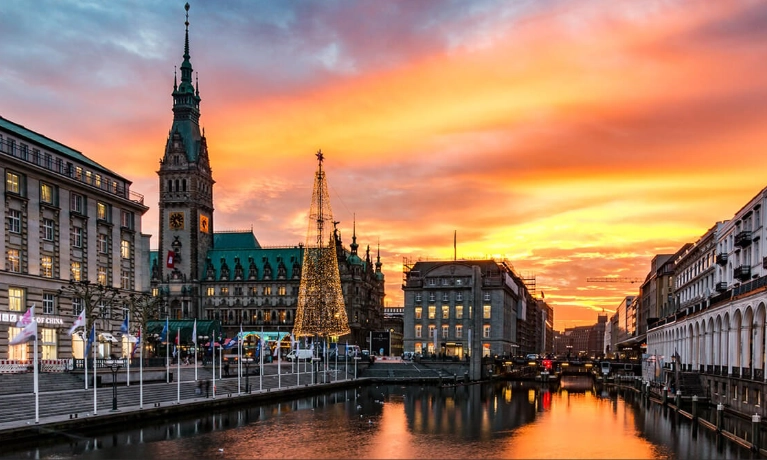
Getting Around: Hamburg's public transport (HVV) is excellent. Get a Hamburg CARD. It covers all buses, trains, and ferries and gives discounts to most major attractions (including Miniatur Wunderland and port tours). The included ferries are a secret sightseeing tool—take line 62 from Landungsbrücken for a cheap harbour tour.
Best Base Areas: Altstadt/Neustadt: Central, near major sights. Schanzenviertel/Karolinenviertel: Hip, great food, vibrant. St. Pauli: Close to nightlife and the port, can be noisy.
Don't Miss These Local Experiences: 1. Sunday Fischmarkt: 5 AM - 9:30 AM (yes, AM). A chaotic, lively market with fish auctions, food, and live music. Go early, even if you're tired. 2. Walk or Bike the Elbe Beaches: The south bank of the Elbe has sandy beaches and great views back to the city skyline. 3. Explore the Portugiesenviertel: A small district near the port full of Portuguese and Spanish restaurants—fantastic for seafood paella.
Hamburg rewards the curious traveler. Look beyond the obvious, embrace the maritime mood (and the rain), and you'll discover why it's one of Germany's most compelling cities.