Navigate This Guide
- What Exactly IS a Beer Garden? (It's More Than Just Benches)
- The Top Tier: Must-Visit Beer Gardens in Munich (For Different Reasons)
- How to Actually "Do" a Munich Beer Garden: The Unwritten Rules
- Planning Your Visit: The Practical Bits
- Answering Your Burning Questions (The FAQ)
- Going Deeper: The Culture & Why It Matters
Let's be real. You're not just looking for a place to drink beer. You're looking for that iconic Munich experience – the long tables under chestnut trees, the clink of Maßkrug steins, the buzz of a thousand conversations in the air. You want to find the best beer gardens in Munich, but maybe you're a bit overwhelmed. Which ones are tourist traps? Which ones do the locals actually love? What are the rules? Don't worry, I've been there, done that, and spilled the pretzel salt to prove it.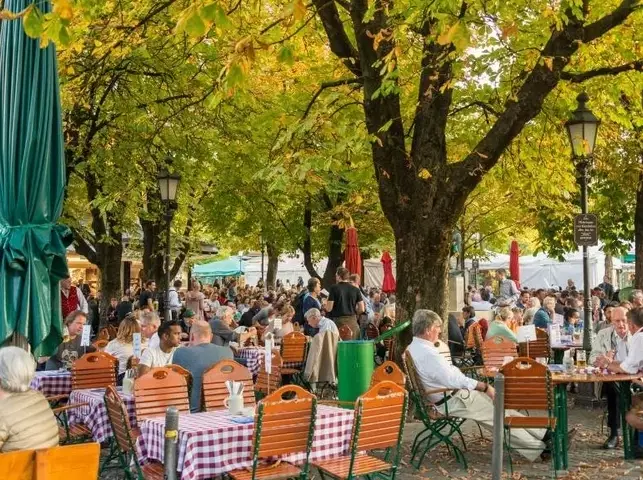
This isn't a dry list copied from a tourist brochure. I've spent more afternoons than I can count navigating these leafy social hubs, from the massive, world-famous ones to the tiny neighborhood spots you'd miss if you blinked. I'll give you the honest lowdown, the practical tips, and a few personal opinions (some of them not so glowing) to help you plan your perfect beery afternoon. Whether you're a first-timer or a seasoned visitor looking to go deeper, this guide aims to answer every single question you might have about beer gardens in Munich.
What Exactly IS a Beer Garden? (It's More Than Just Benches)
Before we dive into the "where," let's talk about the "what." A true Bavarian beer garden (Biergarten) has a specific history and set of rules that make it unique. The tradition dates back to the 19th century when Munich breweries stored their beer in cool cellars dug along the Isar River. To keep the cellars cool, they planted chestnut trees above them (the wide leaves provided shade). Naturally, they started selling the beer right there, and people brought their own food. The King even had to issue a decree allowing this, but with the condition that the breweries could only sell beer, not food. This led to the wonderful tradition of Bring Your Own Food (Brotzeit), which many beer gardens in Munich still honor today.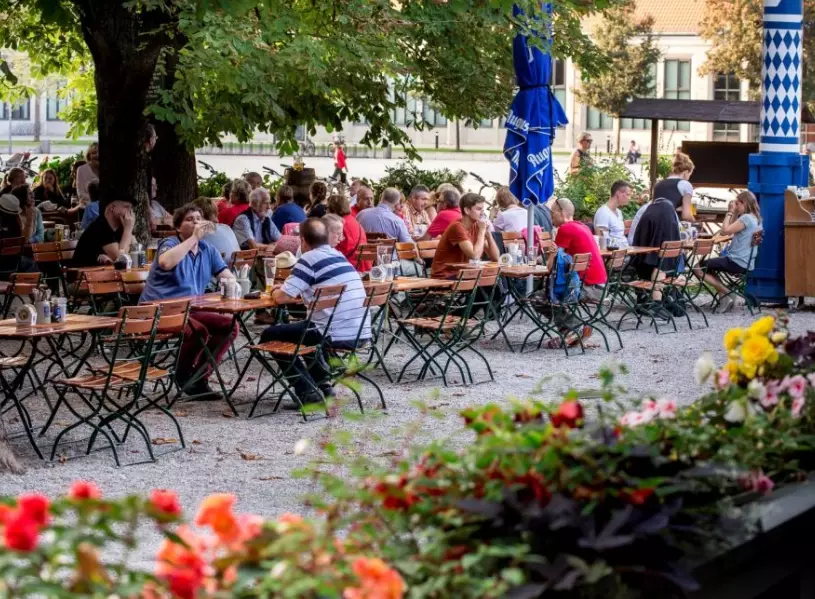
A genuine beer garden is defined by a few key elements:
- Chestnut Trees: Not just any trees. They provide the essential dappled shade.
- Long Benches and Tables: The great social equalizer. You sit where you find space.
- Self-Service: For beer, you typically go to a central kiosk or serving area. No table service for drinks.
- Gravel or Stone Flooring: Helps with drainage and keeps the dust down (sort of).
- The Option to Bring Your Own Food: This is a sacred right at traditional spots. Look for areas marked "Brotzeitbereich" or tables without tablecloths.
So when you're evaluating beer gardens in Munich, you'll start to notice the difference between a true, historic Biergarten and a restaurant with a few outdoor tables. Both can be great, but the experience is different.
The Top Tier: Must-Visit Beer Gardens in Munich (For Different Reasons)
Alright, let's get to the good stuff. Munich has over 180 beer gardens. You can't visit them all (trust me, I've tried). So here's a breakdown of the absolute top contenders, categorized by what kind of experience you're after. This isn't just a ranking; it's a matchmaking service between you and the perfect bench.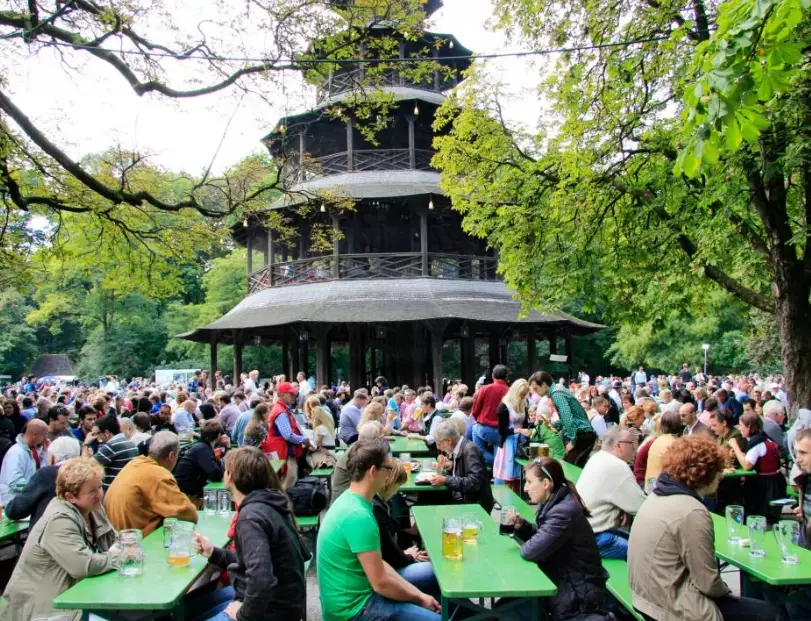
The Legendary Heavyweights
These are the big names. They're popular for a reason – they're massive, iconic, and capture the full spectacle. They can also be incredibly crowded.
| Name & Brewery | The Vibe & Why It's Famous | Best For... | A Small Dose of Reality |
|---|---|---|---|
| Hofbräukeller am Wiener Platz (Hofbräu) | Massive, multi-level garden with a buzzing, international crowd. The building is stunning. This is the less overwhelming sibling to the city-center Hofbräuhaus, with a much better outdoor space. | First-timers who want the classic postcard experience. Groups looking for a guaranteed lively atmosphere. | It's loud. It's busy. You will hear a lot of languages. The food is decent but very much aimed at the masses. |
| Augustiner-Keller (Augustiner) | Arguably the most beloved major beer garden among locals. It's vast (holds 5,000!), has a wonderful, sprawling feel under ancient trees, and serves Munich's most popular "local's" beer from wooden barrels. | Experiencing Augustiner beer at its source. A more authentic feel than some other big names. Great for families. | The self-service area for food can have long, chaotic lines. The seating area is huge, so be prepared to walk to find a spot on a sunny day. |
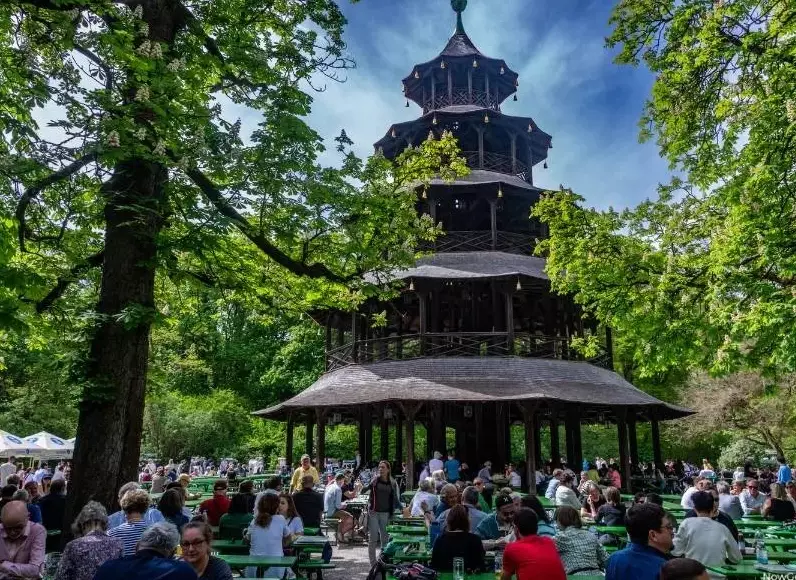
| Chinesischer Turm (Chinese Tower) in the Englischer Garten (Spaten-Franziskaner) | Surrounding a pagoda-style tower in Munich's enormous city park. The setting is unbeatable – it's a beer garden in the middle of a sprawling urban oasis. You can hear the oompah band from the tower. | A sunny day combined with a walk in the Englischer Garten. A uniquely picturesque setting. Watching the world go by. | It's arguably the most tourist-heavy spot in the city. Prices reflect the location. The food is just okay – it's more about the scene. |
The Local Favorites & Hidden(ish) Gems
Want to escape the tour groups? These spots have more of a neighborhood feel while still offering an incredible experience.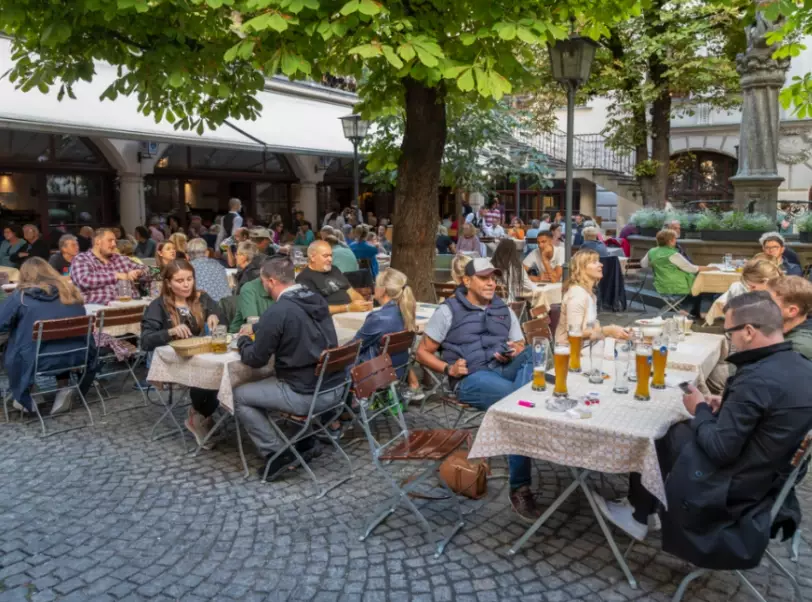
The food here is a significant step above your standard beer garden fare (and priced accordingly). It's a wonderful escape.
| Name & Brewery | The Vibe & Secret Sauce | Best For... | My Personal Take |
|---|---|---|---|
| Hirschgarten (Augustiner & Others) | The largest beer garden in Munich (holds 8,000!), yet it feels surprisingly local. It's next to a deer park (Hirsch means deer), has a huge playground, and offers beer from multiple breweries on tap. | Families. A more relaxed, sprawling afternoon. Trying different beers in one place. | This might be my personal favorite for a long, lazy Sunday. It feels less like an event and more like a community park that serves amazing beer. The deer are a weird and charming bonus. |
| Seehaus im Englischen Garten (Seehaus) | Located on the Kleinhesseloher See lake. You get a view of water, people rowing boats, and the park's greenery. The vibe is upscale-casual and beautifully serene. | A more refined setting. A romantic afternoon or a classy outing. Feeling fancy while drinking a beer in nature. | |
| Biergarten am Muffatwerk (Various) | A modern, young, and alternative take on the beer garden. Located by the Isar river near a cultural center. They often have craft beers and a more eclectic crowd. | A younger crowd. Trying something beyond the big six Munich breweries. A riverside hangout. | Don't come here for the traditional oompah vibe. Come for a cool, laid-back spot by the water with a more diverse drink selection. It's a refreshing change. |
How to Actually "Do" a Munich Beer Garden: The Unwritten Rules
This is where most guides stop. But knowing the etiquette is what will make you feel like a pro, not a puzzled visitor. Let's break it down.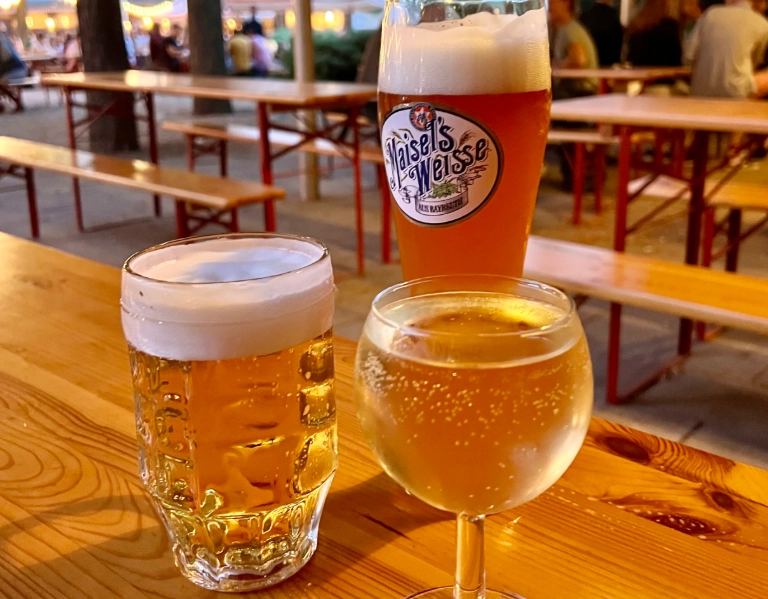
Step 1: Finding a Seat (The Most Important Step)
This causes the most anxiety. Ignore any empty seats with tablecloths, reserved signs ("Reserviert"), or little plates/cards on them – those are for restaurant service. Look for the open benches in the communal area. If you see a free spot at a long table, just ask "Ist hier frei?" (Is this free?). A nod or a "Ja" is your invitation. That's it. You're in. Don't overthink it. Everyone does this.
Step 2: Getting Your Beer (The Fun Part)
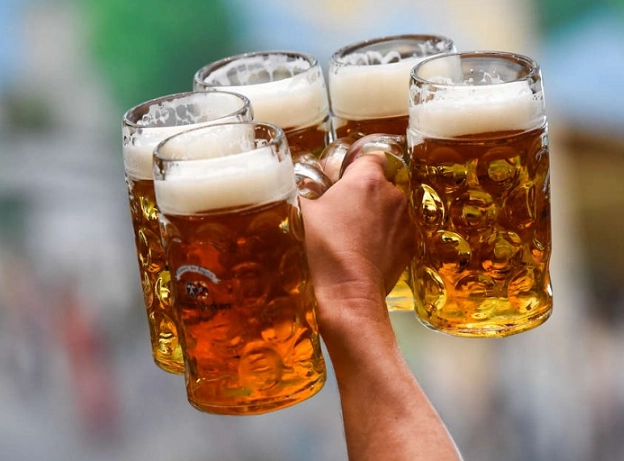
Usually, there's a central kiosk or building marked "Bierausgabe" (beer dispensing). You pay there, get your frothy Maß (one-liter stein) or Halbe (half-liter), and carry it back to your seat. They might ask for a deposit (Pfand) on the glass stein – usually a euro or two. You get it back when you return the glass. Pro tip: Return your own glass. The person working the return counter gets grumpy if you just dump a random collection on them.
Step 3: The Food Situation
This is the beautiful part. Many beer gardens in Munich, especially traditional ones, allow you to bring your own food. It's a cherished right. They make their money on the beer. You'll often see locals unpacking elaborate spreads of bread, cheese, radishes, and cold cuts. The beer garden will sell food too – usually hearty classics like Hendl (roast chicken), Obatzda (cheese spread), Radi (radishes), and giant pretzels (Brezn).
What to Eat & Drink: A Simple Checklist
- Must-Try Beer: Start with a Helles (a light, malty lager). It's the quintessential Munich beer garden drink. If you want something darker and toastier, go for a Dunkles.
- Must-Try Food (if buying):
- Brezn: The giant, soft pretzel. Tear it, don't cut it.
- Obatzda: A creamy, spiced cheese-butter-beer spread. Slather it on your pretzel.
- Hendl: A whole roast chicken, simple, crispy, and perfect with beer.
- Steckerlfisch: Grilled mackerel or trout on a stick. Smoky and delicious.
Step 4: The All-Important Etiquette
- Cheers Like a Local: Say "Prost!" Look people in the eye when you clink glasses. It's bad luck not to. Seriously, they'll notice.
- Pace Yourself: A Maß is a lot of beer. No one will judge you for ordering a Halbe.
- Be Prepared for Weather: Munich weather is fickle. Layers are key. Many beer gardens have blankets for rent if it gets chilly in the evening.
- Cash is King: While many now take cards, the beer kiosks often prefer cash, especially for smaller orders. Have euros on hand.
Planning Your Visit: The Practical Bits
When is the best time to go? The official season for most beer gardens in Munich runs from April to October, weather permitting. But many of the big ones with indoor sections are open year-round. A sunny weekend afternoon is peak time – go early (around 3-4 PM) to secure a good spot if you have a large group. Weekdays are noticeably calmer.
How do you get there? Munich's public transport (MVV) is excellent and will get you close to almost any beer garden. Use the MVV website or app to plan your route. After a few Maß, taking the U-Bahn or tram is a much better idea than driving.
Answering Your Burning Questions (The FAQ)
Going Deeper: The Culture & Why It Matters
Understanding a bit of context makes the experience richer. The beer garden is a Leveller. There's no VIP section. The CEO might be sharing a table with a student. This stems from a royal decree by King Maximilian I Joseph in 1812, which allowed breweries to sell beer directly to the public but restricted them from selling food, forcing people to bring their own. This created a uniquely democratic space.
It's also a cornerstone of Munich's social life and a huge part of its cultural identity. The city even has regulations protecting traditional beer gardens. According to data from the Bavarian State Office for Statistics, brewing and hospitality are vital economic sectors. But more than numbers, it's about Gemütlichkeit – a feeling of coziness, cheerfulness, and belonging. That's the real product.
So when you visit one of the many wonderful beer gardens in Munich, you're not just having a drink. You're participating in a 200-year-old social ritual that defines the city. You're sharing space, air, and good cheer with thousands of others, past and present.