Let's cut to the chase. If you're an American scrolling through news headlines, you might be wondering if a trip to Germany is a smart move. The short, direct answer is yes, Germany remains one of the safest countries in the world for travelers, including Americans. But that's the simple version. The real answer, the one that helps you actually plan and relax, needs more detail. Safety isn't just about crime stats; it's about knowing how to navigate health systems, understanding local norms, and avoiding the small, annoying pitfalls that can ruin a day. I've traveled to Germany for years, both before and after the pandemic, and the feeling on the ground is overwhelmingly one of order and security. This guide won't just tell you it's safe—it'll show you how to make it feel that way, from the moment you land to your last pretzel at the airport.
What You'll Find in This Guide
- Understanding the Current Travel Advisory Landscape
- Health, Medical Care, and Post-Pandemic Realities
- Personal Safety Tips: From Pickpockets to Nightlife
- Practical Security: Transportation, Accommodation, and Money
- Cultural Nuances That Impact Your Safety and Comfort
- Your Top Safety Questions Answered
Understanding the Current Travel Advisory Landscape
First, the official word. The U.S. Department of State places Germany in Level 2: Exercise Increased Caution. This is the same level as countries like France, the UK, and Denmark. It's not a warning to stay away; it's a reminder to be smart. The advisory cites the ongoing risk of terrorism as the primary reason. You'll see this reflected on the ground—police with visible firearms at major train stations, occasional bag checks at large public events. It's a presence designed to deter, and for most tourists, it's just part of the background.
Compare this to the travel advice from Germany's own Federal Foreign Office for its citizens traveling to the United States, which also highlights risks of violent crime. It's a useful perspective. Every country has its issues.
The European Union's law enforcement agency, Europol, regularly publishes reports on serious and organized crime. While these are valuable for understanding broader trends, your risk as a tourist is far lower and revolves almost entirely around petty crime. The German federal police (Bundespolizei) also maintain statistics, but again, the numbers for violent tourist incidents are minuscule.
Health, Medical Care, and Post-Pandemic Realities
This is where many travelers get tripped up. Germany's pandemic restrictions are long gone—no vaccine proofs, no tests, no masks required in most settings (though some people, especially on public transit, still choose to wear them). The real health safety question is about access to care if you need it.
Germany's healthcare is superb, but it's not a free ride for visitors. You will pay out of pocket and then file a claim with your travel insurer. I learned this the hard way years ago with a minor ear infection. The doctor's visit and prescription cost about €120 upfront.
Non-negotiable item: Comprehensive travel health insurance. Don't just rely on your U.S. credit card's coverage. Get a policy that explicitly covers emergency medical, hospitalization, and medical evacuation. Check the fine print for COVID-19 coverage—many policies now include it, but some have specific clauses.
Pharmacies (Apotheken) are a traveler's best friend. The pharmacists are university-trained and can diagnose and recommend treatments for many minor ailments. For a sore throat or upset stomach, they're faster and often more helpful than finding a doctor. They're marked by a big, red 'A' sign.
Vaccinations and Common Sense
Beyond COVID, standard routine vaccinations (MMR, Tetanus) should be up to date. The Robert Koch Institute, Germany's public health agency, doesn't recommend any special vaccines for general travel. Tick-borne encephalitis is a risk in forested areas of southern Germany if you're hiking or camping from spring to autumn—a vaccine exists, but for most city-focused tourists, it's overkill. Using insect repellent is the simpler move.
Personal Safety Tips: From Pickpockets to Nightlife
Here's the meat of it. Germany is safe, but it's not a fairy-tale land where you can leave your laptop on a park bench. The biggest threat to your trip is petty theft.
Pickpocketing Hotspots: Crowds are the enemy of your wallet. Be hyper-aware in these places:
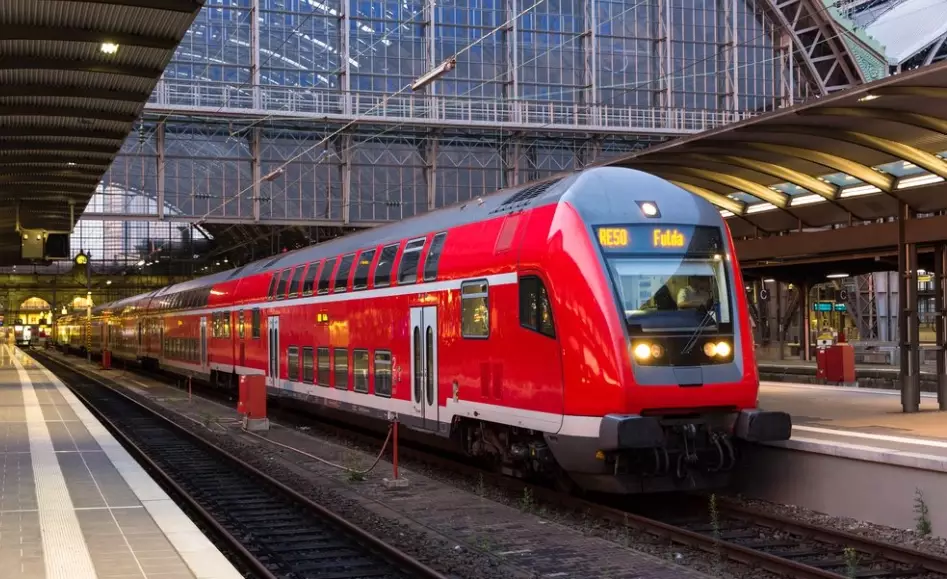
- Major Train Hubs: Berlin Hauptbahnhof, Munich Hauptbahnhof, Frankfurt Hauptbahnhof, Cologne Hauptbahnhof. Especially near the ticket machines and platform entrances where people are distracted.
- Public Transportation: The U-Bahn and S-Bahn during rush hour, and on specific tourist-heavy lines.
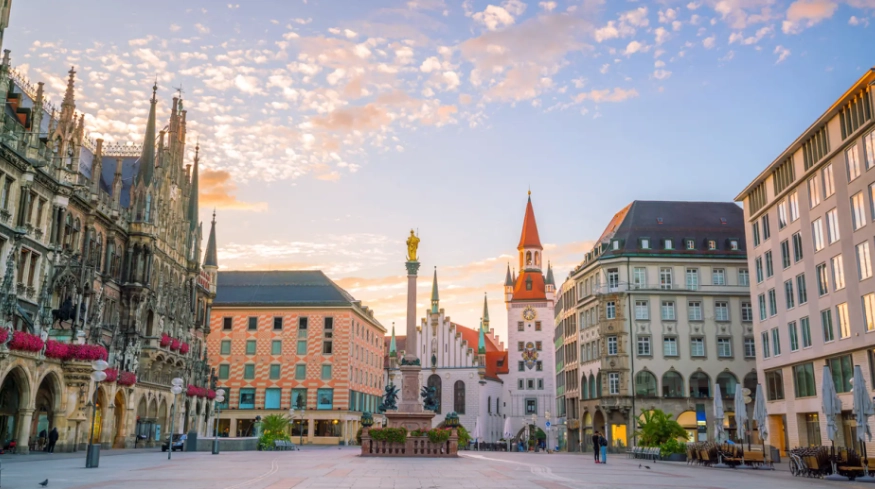
- Tourist Magnets: The base of the Cologne Cathedral, Munich's Marienplatz, Checkpoint Charlie in Berlin. Anywhere you see crowds gawking at a monument.
- Festivals and Markets: Oktoberfest tents, Christmas markets. The combination of crowds, alcohol, and festive distraction is a pickpocket's dream.
My go-to strategy is a cross-body bag with the zipper facing forward, and I keep a hand on it in tight spaces. A money belt under your clothes is overkill for Germany and screams "tourist," but a slim neck wallet under your shirt is a good idea for your passport and backup cash.
Scams and Hassles
You might encounter the "found ring" scam (someone "finds" a gold ring, claims it's valuable, and pressures you to buy it). Just wave them off and keep walking. At restaurants, always check the menu for prices and confirm the final bill. Card skimming at ATMs is a global issue—use machines inside banks during business hours when possible.
Nightlife is generally safe. The biggest risk in a Berlin club or a Munich beer hall is having too much to drink. Watch your drink, know how you're getting home (the U-Bahn runs all night on weekends in major cities), and stick with your group.
Practical Security: Transportation, Accommodation, and Money
Let's get tactical.
Trains (Deutsche Bahn): Extremely safe. On long-distance ICE trains, I feel comfortable leaving my suitcase on the luggage rack at the end of the carriage while I sit. For regional trains, I keep it closer. Overnight trains have lockable compartments.
Car Rentals: The main danger is on the Autobahn, where high speeds are common. Never leave anything visible in a parked rental car, even in seemingly safe small towns. Thieves target rental plates. Use secure parking garages (Parkhaus).
Accommodation: Hostels usually have lockers (bring your own lock). Hotels are secure. Use the room safe for passports, extra cash, and one credit card. I always take a photo of my passport main page and German visa stamp and store it securely online, separate from my phone.
Money: Germany is still more cash-based than the U.S., though cards are widely accepted. Don't flash large wads of cash. Use a debit card for ATM withdrawals and a credit card with no foreign transaction fees for purchases. Notify your banks of your travel dates.
Cultural Nuances That Impact Your Safety and Comfort
Safety isn't just physical. It's about not feeling lost or offending locals unintentionally.
Language: While most Germans in tourist areas speak excellent English, learning a few phrases (Hallo, Danke, Entschuldigung) builds immediate goodwill. In an emergency, dial 112 for police, fire, or ambulance. The operator will speak English.
Directness: Germans can seem brusque. It's not rudeness; it's efficiency. If you're lost and ask for directions, you'll get a clear, accurate answer, just maybe without a lot of smiling small talk first.
Jaywalking: Don't do it. Wait for the green Ampelmännchen (the little traffic light man). You'll get stares, or even a comment from an older local. It's a cultural norm about order and rule-following.
Protests and Demonstrations: Common in cities like Berlin. They are almost always peaceful and well-policed. Simply avoid them if they make you uncomfortable—they are easy to route around.
Your Top Safety Questions Answered
What are the main safety risks for American tourists in Germany?
How can I protect my belongings while traveling in Germany?
Is Germany's healthcare system accessible to American tourists? What insurance do I need?
Are there any areas in German cities I should avoid?
 So, is it safe? After living there for stretches and visiting countless times, my answer is a confident yes. The fears are often bigger in our heads than the realities on the ground. Germany functions with a remarkable sense of order. By taking basic, smart precautions with your belongings, securing proper health insurance, and tuning into the local cultural rhythm, you're setting yourself up for a trip defined by incredible castles, hearty food, and fascinating history—not by worry. Pack your bags, but pack your common sense first. You're going to have a great time.