Quick Guide
Let's talk about luxury hotels in Germany. You might be picturing something straight out of a business magazine—all chrome, glass, and impersonal service. But that's not really it. German tourist accommodation luxury has a different flavor. It's less about shouting and more about substance. Think deep comfort, astonishing history under your feet, and a kind of quality that's quiet but unmistakeable.
I remember the first time I really "got" it. It wasn't in a famous five-star palace in Berlin. It was at a small, family-run hotel in the Black Forest. The room wasn't huge, but the bed was a cloud, the woodwork was centuries old and gleaming, and at breakfast, the honey came from the hotel's own hives. The owner shook my hand when I left. That feeling—of being cared for in an environment of genuine quality—that's the heart of it.
So, what are you actually looking for when you search for German tourist accommodation luxury? Is it a castle with turrets? A futuristic city pad with a cocktail bar on the roof? Or a silent alpine retreat where the only sound is your own breath in the sauna? The fantastic news is Germany does all of it, and often blends them in ways you wouldn't expect.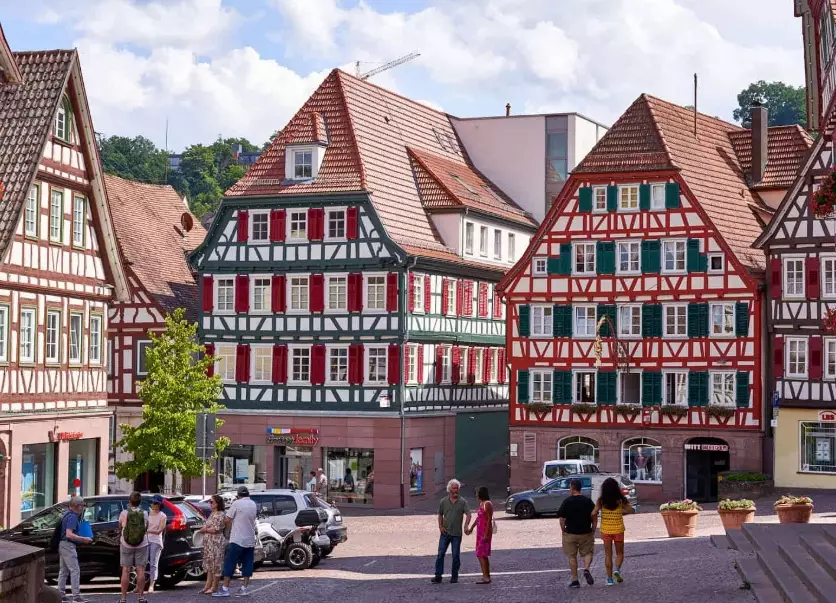
What Does "Luxury" Really Mean in Germany?
This is key. If you're coming from, say, Dubai or Las Vegas, your benchmark for opulence might be different. German luxury leans heavily on a few core pillars that define the experience.
First, there's quality and craftsmanship. It's in the solid wood furniture, the impeccable plumbing (seriously, the showers are often life-changing), the locally-sourced down duvets, and the porcelain from a nearby manufactory. It's tangible. You can feel it.
Then there's history and authenticity. So many luxury properties here are housed in buildings with real stories—a 13th-century castle, a former monastery, a patrician merchant's house. The renovation is typically flawless, blending modern comforts with respect for the original structure. You're not just in a hotel; you're sleeping inside a piece of history.
Wellness (Wellness) is practically a national religion. A luxury hotel without a top-tier spa is almost unthinkable. But it's not just about a massage. It's about the entire ritual: multiple saunas and steam rooms (often textile-free, that's the norm), ice fountains, relaxation rooms with herbal teas, and treatments that use local ingredients like alpine herbs, moor mud, or grape extracts.
Finally, location and peace. Whether it's a private park in the city center, a vineyard estate, or a forest clearing, there's a premium on creating a tranquil oasis. The German concept of "Gemütlichkeit"—a cozy, peaceful, contented feeling—is the ultimate luxury outcome.
It's this blend that makes searching for German tourist accommodation luxury so rewarding. You're not just booking a room; you're choosing an experience.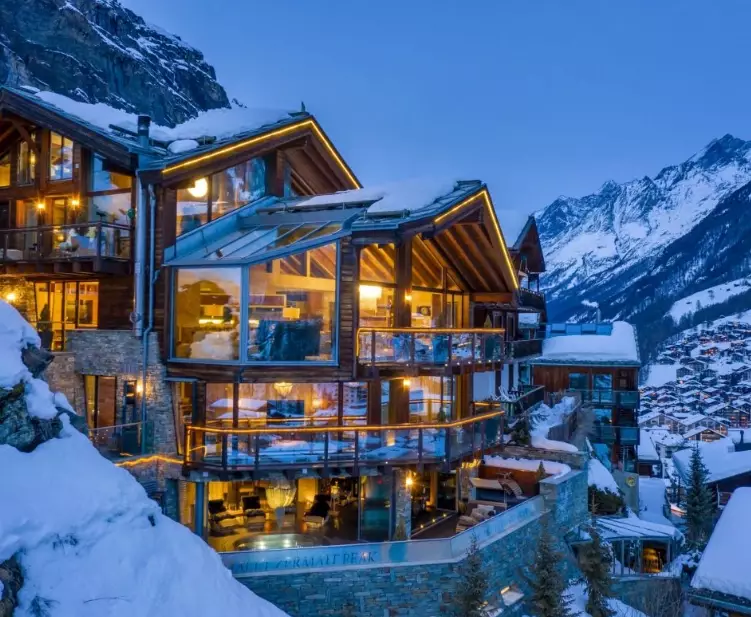
The Five Pillars of German Luxury Accommodation
To make sense of the landscape, let's break it down. Think of these as distinct flavors of German tourist accommodation luxury, each with its own vibe and best-suited traveler.
1. The Fairytale: Castle & Palace Hotels (Schlosshotels)
This is probably the most iconic image. Germany has over 20,000 castles! Many have been transformed into breathtaking hotels. But they're not all the same.
You have your royal-treatment palaces, like Schloss Elmau in Bavaria. It's less a castle, more a sprawling cultural and wellness retreat in the Alps, hosting G7 summits and classical concerts. The level of service and facilities is insane.
Then you have your intimate, family-owned castle hotels. Think Burg Wernberg in the Upper Palatinate or Schloss Lieser in the Moselle Valley. These places often have fewer rooms, more personal service, and a feeling that you're a guest in a (very grand) home. The wine cellar is usually the owner's passion project.
What to expect? Thick walls, creaking (but beautiful) original floorboards, rooms with names not numbers, and possibly a four-poster bed. Bathrooms are modern marvels inserted into ancient spaces. The restaurant will almost certainly be excellent, focusing on regional haute cuisine. Don't expect a wild nightlife—the luxury here is the profound silence at night, broken only by owls.
2. The Urban Chic: City Luxury Hotels
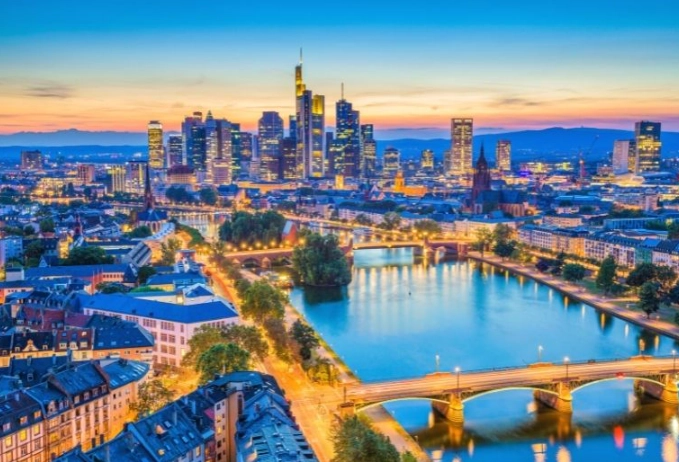
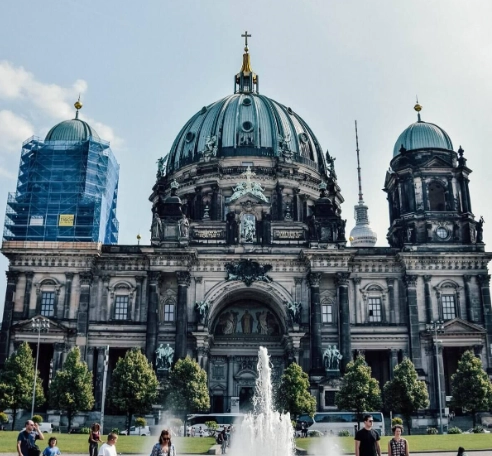
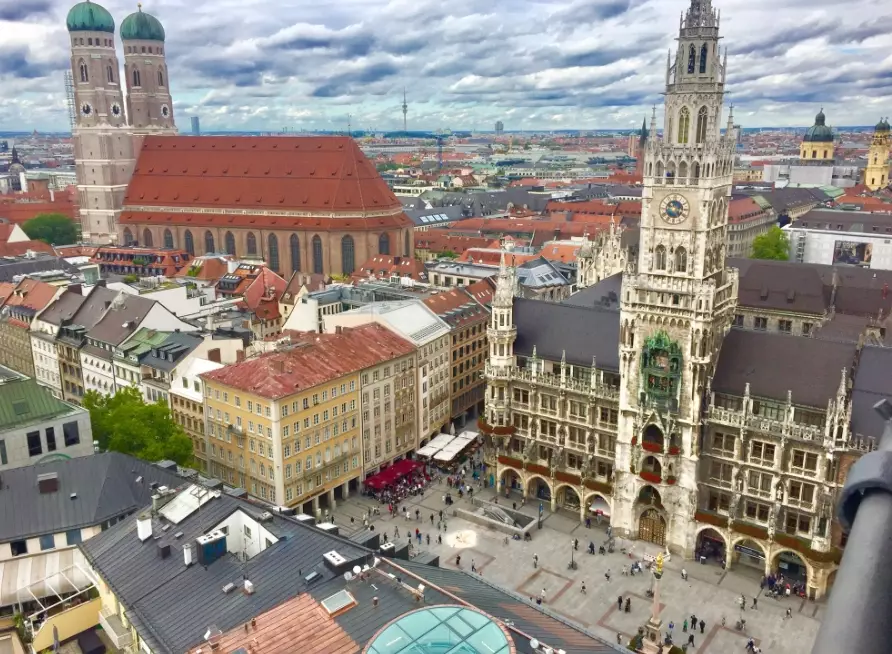
From Berlin to Hamburg, Munich to Frankfurt, the city scene is dynamic. The luxury here is about design, location, and scene.
Design-led boutiques are huge. The Michelberger Hotel in Berlin (though not traditionally "luxury" in price, it is in cultural capital and experience) or the 25hours Hotels chain are perfect examples. They're playful, deeply stylish, and reflect the city's creative energy. Luxury here is about feeling connected and cool.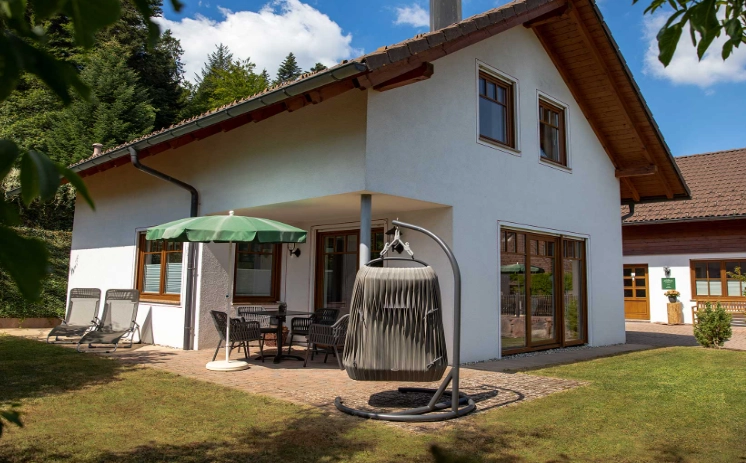
Then you have the grand dames: The Adlon in Berlin (history seeps from the walls), the Vier Jahreszeiten in Hamburg (overlooking the Alster lake), or the Bayerischer Hof in Munich. These are institutions. Service is formal but impeccable. You come here for the theater of it all—the liveried doormen, the glittering lobby, the sense of occasion.
The newest trend? Converted industrial buildings. An old power plant, a former postal office—these spaces are being reborn as stunning hotels with soaring ceilings, exposed brick, and killer rooftop bars. The Reichshof Hotel Hamburg, part of Curio Collection by Hilton, is a classic Art Deco marvel that's been brilliantly updated.
For reliable, in-depth information on Germany's tourism offerings, the official German National Tourist Board website is an indispensable resource for planning any trip.
3. The Rejuvenation: Wellness & Spa Retreats
This is where Germany truly excels. A German tourist accommodation luxury stay is often synonymous with a wellness escape. These aren't just hotel spas; they are dedicated temples to wellbeing.
They cluster in regions known for healing: the Black Forest, the Bavarian Alps, and famous spa towns like Baden-Baden, Bad Homburg, or Wiesbaden (the "Bad" prefix means bath/spa).
Places like Brenners Park-Hotel & Spa in Baden-Baden are legendary. The medical-grade spa treatments, the access to the town's historic thermal baths, the park setting—it's a holistic system designed to de-stress you on a cellular level.
But it's also happening in the countryside. A Bioland or Demeter-certified hotel (rigorous organic farming standards) will offer wellness based on pure food, clean air, and natural treatments. The luxury is in the purity.
What's the ritual? You'll get a robe and slippers. You'll spend hours moving between saunas (Finnish, herbal, bio), steam rooms, cold plunges, and silent relaxation rooms. It's social yet deeply personal. It can feel intimidating at first, but it's profoundly liberating.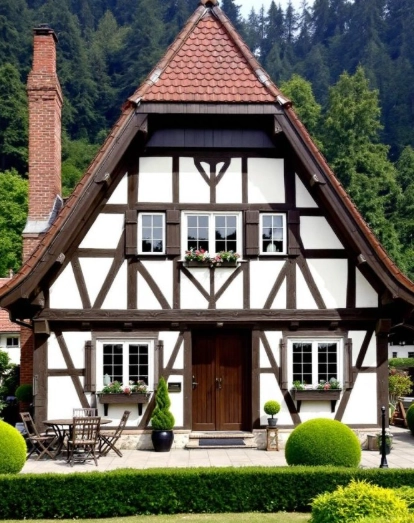
4. The Country Escape: Luxury Landgasthöfe & Vineyard Estates
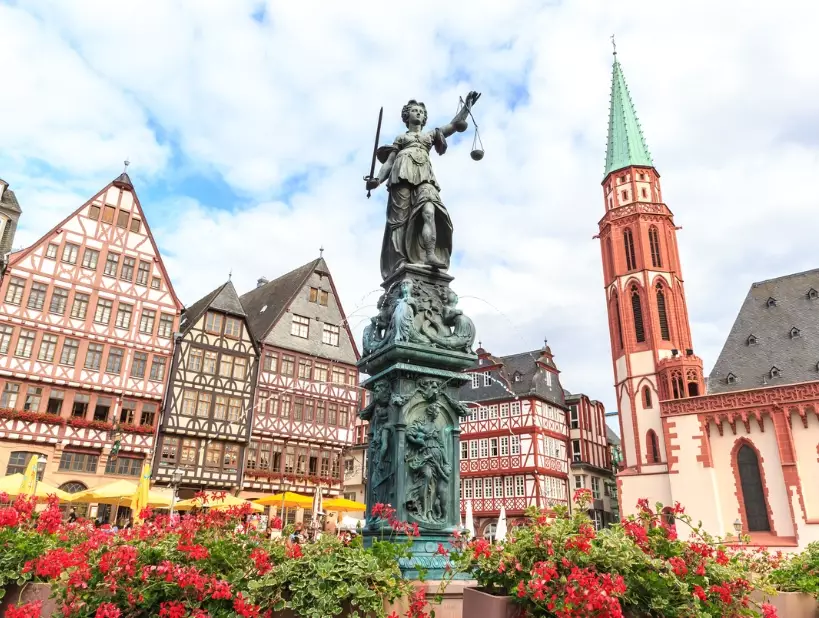
This might be my favorite category. A "Landgasthof" is a traditional country inn, but when done at a luxury level, it's magic. Think half-timbered houses in rolling hills, maybe in the Moselle, Franconia, or Allgäu regions.
The focus is hyper-local. The restaurant is the star, often holding a Michelin star or Bib Gourmand. The chef might forage in the woods out back. The wine list is exclusively from surrounding vineyards. The rooms are furnished with local crafts. The luxury is in the deep connection to a specific place.
Vineyard estates are a subset of this. Staying at a winery (Weingut) that has luxury apartments or rooms, like some along the Rhine or in Saxony, means waking up to vines outside your window and tasting rare bottles with the winemaker after hours.
It's intimate, authentic, and incredibly delicious.
5. The Modernist: Design & Art Hotels
For those who find florals and antiques a bit stuffy, Germany's design scene delivers sharp alternatives. These hotels are works of art in themselves.
The Roomers hotels in Frankfurt, Baden-Baden, and Munich are dark, moody, and sexy, with incredible cocktail bars. The Lindner Hotel Nürburgring is an architectural marvel for motorsport fans. Then there are places like Schloss Roxburghe in Scotland? No, wait, that's not Germany. See, even I get lost! But in Germany, a place like the Schloss Bensberg (a Fairmont hotel) takes a Baroque palace and injects it with stunning contemporary art and design.
The luxury here is aesthetic and intellectual. It's about being surrounded by bold choices and cutting-edge design.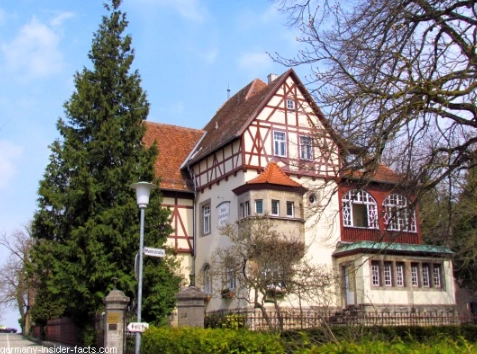
Quick-Reference Table: Which Luxury German Accommodation is For You?
| You're dreaming of... | Best Match | Expect To... | Region to Explore |
|---|---|---|---|
| Living a fairytale | Castle Hotel | Explore history, enjoy fine dining in vaulted cellars, experience majestic quiet. | Bavaria, Rhineland-Palatinate, Baden-Württemberg |
| City buzz & culture | Urban Design Hotel | Be in the heart of the action, access rooftop bars, experience curated local guides. | Berlin, Hamburg, Munich, Cologne |
| Total mind & body reset | Wellness Spa Retreat | Follow a sauna ritual, have medical-grade treatments, eat clean, health-focused cuisine. | Black Forest, Bavarian Alps, Baden-Baden |
| Rustic charm & gourmet feasts | Luxury Country Inn (Landgasthof) | Eat world-class food in a cozy setting, hike from the door, meet the owners. | Moselle Valley, Allgäu, Franconia |
| Stylish, Instagram-worthy aesthetics | Design/Art Hotel | Be wowed by architecture, enjoy a vibrant bar scene, feel "in the know". | Major cities, sometimes in surprising rural locations |
Navigating the Practicalities: Booking, Costs, and Expectations
Alright, so you're intrigued. How do you actually make this happen without surprises?
Understanding the Price Tag
German tourist accommodation luxury isn't cheap, but value is high. A standard double in a top castle or city palace can range from €300 to €800+ per night. But look closely at what's included.
Many, especially wellness and countryside hotels, offer half-board (Halbpension) as a standard or highly recommended option. This means a lavish breakfast and a multi-course gourmet dinner are included. Given the quality of the restaurants, this can represent significant savings and is utterly convenient. You're not hunting for dinner in a remote valley.
Wellness access is often included in the room rate at dedicated spa hotels. That €50 per day sauna fee you might pay elsewhere? Gone. You have unlimited access.
My advice? Don't just sort by lowest price. Calculate the value of the inclusions. A €400 rate with gourmet dinner and spa access can be a better deal than a €300 room where you'll spend €150 extra on those things.
When to Book & Travel
High season is summer (July-Aug) and the Christmas market period (late Nov-Dec). Prices peak, and castles book out a year in advance for Christmas.
The secret sweet spots? Late spring (May-June) and early autumn (September-October). The weather is often lovely, the crowds thinner, and you might find better rates. For wellness trips, I love winter. There's nothing like sitting in an outdoor heated pool surrounded by snow in the Black Forest.
Book direct. Always. Not only do you often get the best rate (hotels hate paying commission to third-party sites), but you also build a direct relationship. Email them. Tell them it's a special trip. You'd be amazed at the upgrades or little extras (a bottle of local Sekt in your room) that can materialize. I've had this happen more than once just by being polite and booking direct.
What Does "Luxury Service" Look Like Here?
It's attentive but not obsequious. Staff are highly professional and knowledgeable but not necessarily overly familiar. There's a respect for your privacy. Requests are handled efficiently and without drama. It's a competence-based luxury.
Concierges are goldmines of local knowledge, often able to book you into impossible-to-get restaurant reservations or private museum tours.
A small language note: while English is widely spoken, especially in luxury settings, learning a few German pleasantries (Guten Tag, Danke, Bitte) is appreciated and often met with an even warmer smile.
Beyond the Room: The Luxury Experience
The room is just the start. The real value of German tourist accommodation luxury is in the curated experiences woven around it.
- Culinary Journeys: Multi-course tasting menus with wine pairings, cooking classes with the chef, private wine tastings in the cellar.
- Active Luxury: Guided hikes or e-bike tours straight from the hotel door, Nordic walking sticks provided, partnerships with local golf courses.
- Cultural Access: Private after-hours tours of nearby castles or museums, talks by local historians, concert tickets arranged for you.
- Pure Relaxation: In-room spa treatments, private spa suites you can book for a couple of hours, meditation gardens.
Don't be shy about asking the hotel what unique experiences they offer. It's part of the package.
For verifying the culinary claims of many of these luxury hotels, the Michelin Guide is a globally recognized authority. Checking if a hotel's restaurant holds a star or a Bib Gourmand is a great indicator of serious gastronomic quality.
Answering Your Burning Questions (FAQs)
Is it worth splurging on a castle hotel for just one night?
Honestly? It depends. If it's a bucket-list item and you'll savor every minute—the arrival, the dinner, the morning walk in the grounds—then yes, absolutely. But the magic of these places often unfolds over two or three nights, allowing you to slow down and truly inhabit the space. One night can feel a bit rushed. If budget forces one night, make it count by arriving early and departing late.
Are these hotels family-friendly?
Increasingly, yes, but with caveats. Many castle hotels have sprawling grounds perfect for kids to explore. Some have family suites or connecting rooms. However, the serene atmosphere of a wellness spa or a fine-dining-focused country inn might not be ideal for young children. Always check their policy. Some are explicitly adult-oriented, and that's okay—it preserves the experience for those seeking it.
What's the dress code?
Generally smart-casual. For dinner in the main restaurant of a grand hotel or a top Landgasthof, men will feel comfortable in trousers and a collared shirt (a jacket is rarely required but never wrong). Women can wear a dress, skirt, or nice trousers. During the day, it's whatever is appropriate for your activity (hiking gear, city sightseeing clothes). In spa areas, it's robes and swimwear for pools, textile-free for saunas.
How do I know if a "boutique hotel" is truly luxurious and not just trendy?
Look beyond the photos. Read reviews focusing on service and quality. Check what's in the room: What brand are the linens? What toiletries are provided (local, high-end brands are a good sign)? Is there a minibar, and is it complimentary? What are the breakfast and dining options? True luxury in a boutique setting marries great design with exceptional, personal service and high-quality amenities. A cool lobby with tiny, basic rooms isn't it.
How do I choose? There are so many options!
Start with your "non-negotiable" experience. Is it waking up in a four-poster bed in a stone-walled room? Is it having a world-class spa at your fingertips? Is it being able to walk to every major museum?
Let that one core desire guide your region and hotel type. Then, drill down by reading recent traveler reviews (not just on one site), looking at the hotel's own social media for real-life glimpses, and, if you're still torn, contacting a couple directly with your specific questions. How they respond can tell you everything.
Remember, the quest for the perfect German tourist accommodation luxury is part of the fun. It's about finding the place that whispers your name, promising not just a place to sleep, but a story you'll bring home.
It might be the castle on the hill, the design den in the city, or the wooden hut by the alpine lake with a five-star interior. Germany has it, waiting for you to unpack your bag and sink into an experience built on centuries of perfecting the art of welcome.
Just don't forget your swimsuit. And maybe leave your expectations about stuffy formality at the door. The real luxury here is often surprisingly warm, grounded, and deeply satisfying.