Let's cut to the chase. A Munich southern Germany road trip isn't just a drive; it's a plunge into a storybook. We're talking emerald lakes cupped by sheer cliffs, villages where time decided to take a very long nap, and castles that make you question if you've wandered into a film set. Starting from Munich, you have the Alps as your playground and centuries of history as your soundtrack. I've done this loop more times than I can count, and the biggest mistake I see? People trying to cram in too much and ending up just seeing the inside of their rental car. This guide is about getting the rhythm right.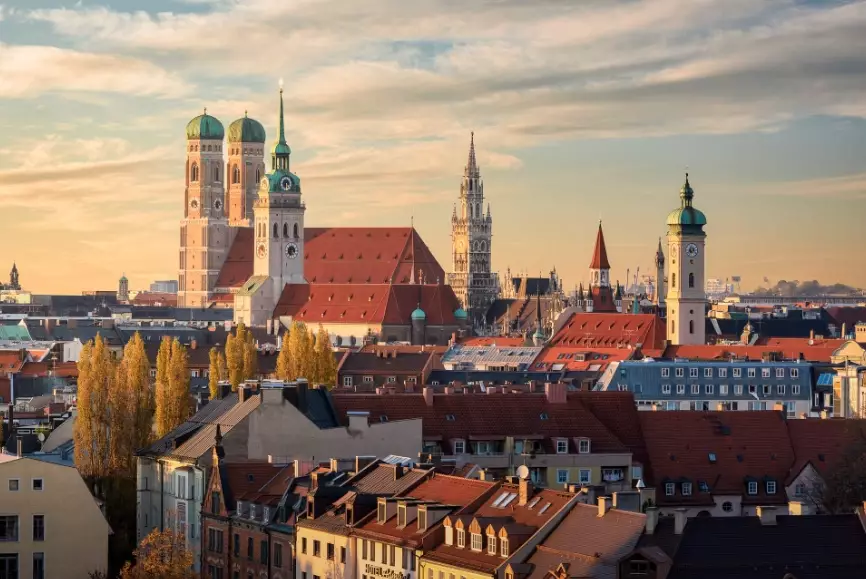
Your Road Trip Jump-Start
How to Plan Your Munich Southern Germany Road Trip Itinerary
You need at least five full days to do this without feeling like you're on the run. A week is ideal. The classic loop heads south from Munich into the Alps, swings east to the famous Königssee, then either circles back via Chiemsee or, if you have more time, heads west to tick off the Romantic Road highlights like Neuschwanstein and Rothenburg.
Here’s a skeleton of a 5-day itinerary that balances driving with actually experiencing places:
- Day 1: Munich to Garmisch-Partenkirchen. Pick up your car (more on that later), skip the autobahn, and take the slower, prettier Starnberger See route. Settle into a Garmisch hotel. If energy allows, visit the Partnach Gorge (Eingang, 82467 Garmisch-Partenkirchen. Open 9 am-6 pm, €7).
- Day 2: Alpine Peaks & The Iconic Castle. Morning at Zugspitze, Germany's highest mountain (tickets around €62.50 for cogwheel train and cable car). Afternoon drive to Füssen. Book your Neuschwanstein Castle tour slot weeks in advance via the official ticket center. The view from Marienbrücke is non-negotiable.
- Day 3: Lakes and Mountain Majesty. Drive to Königssee near Berchtesgaden. Take the electric boat to St. Bartholomew's Church (round trip €27.50). The echo horn demonstration is charmingly old-school. Overnight in Berchtesgaden or the lovely Ramsau.
- Day 4: Scenic Return via Chiemsee. A more relaxed drive north to Lake Chiemsee. Visit Herrenchiemsee Palace, Ludwig II's massive and somewhat absurd homage to Versailles (ferry & palace ticket ~€11). Overnight in Prien am Chiemsee or continue to a smaller town like Wasserburg am Inn.
- Day 5: Back to Munich. A short drive. Drop off the car and spend your final afternoon at the Viktualienmarkt or the English Garden.
Pro Tip from a Local: Everyone rushes to Neuschwanstein. For a castle experience with 90% fewer crowds and just as much fairy-tale drama, visit Hohenschwangau Castle (the yellow one right next door). It's where King Ludwig II actually grew up, and the tours feel more personal and less like a cattle drive.
What are the Must-See Stops on a Munich Southern Germany Road Trip?
Beyond the headline acts, the soul of this trip is in the detours. Here’s a breakdown of the key stops, with the gritty details you need to plan.
The Alpine Core: Garmisch, Zugspitze, and Eibsee
Garmisch-Partenkirchen is your quintessential Alpine base. Don't just sleep here—wander the Ludwigstrasse, peek at the frescoed houses. The Zugspitze is a full-day commitment. You can drive to the Eibsee lake cable car station (Zugspitzbahnstraße, 82491 Grainau) or take the cogwheel train from Garmisch. The view is, frankly, unbelievable. The Eibsee lake at its base, with its milky turquoise water and walking path, is a stunning (and free) attraction in itself.
The Castle Duo: Neuschwanstein & Hohenschwangau
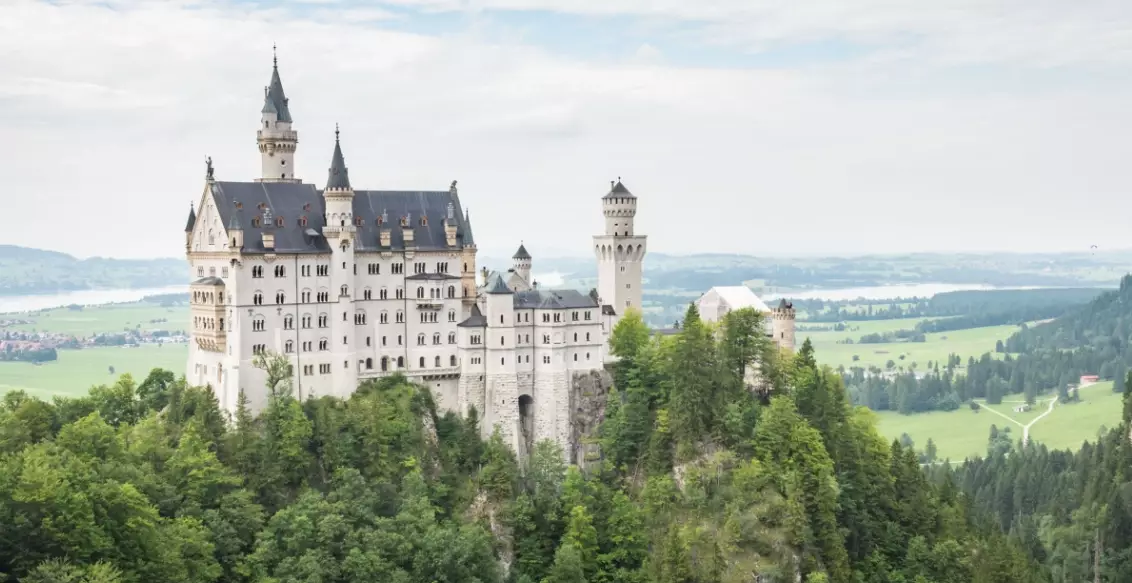
Address: Ticket Center is at Alpseestraße 12, 87645 Schwangau. Parking: Use the large P4 lot (€10/day). It's a steep 30-40 minute walk uphill to Neuschwanstein, or you can take a shuttle bus (€3 uphill, €2 downhill) or horse-drawn carriage. The shuttle drops you near Marienbrücke, the bridge for *the* photo. The mistake? Not reserving a specific entry time online. Turning up hoping to buy a ticket for the same day, especially past 11 am, is a recipe for disappointment.
The Lake District: Königssee and Chiemsee
Königssee (Seestraße, 83471 Schönau am Königssee) is Germany's cleanest lake, in a fjord-like setting. The electric boat is the only way to see it. Get there early (by 9 am) to avoid long queues. At Chiemsee, the main attraction is Herrenchiemsee Palace on the Herreninsel. The ferry from Prien/Stock (€10.50 round trip) is frequent. The palace tour is fascinating—it's a monument to one man's obsession, left unfinished and bankrupting the state.
| Must-See Stop | Key Practical Info | Why It's Worth It |
|---|---|---|
| Zugspitze Summit | Ticket: ~€62.50. Open 8:30 am-4:45 pm. Cable car from Eibsee. | Panoramic views over 400 peaks in 4 countries. A true top-of-Germany experience. |
| Neuschwanstein Castle | Tour: €17.50 (online fee). MUST pre-book. Tours run 9 am-6 pm Apr-Oct. | The iconic fairy-tale image. Interior is lavish, if incomplete. The exterior and setting are the stars. |
| Königssee Boat Trip | Boat to St. Bartholomew: €27.50 RT. First boat ~8:30 am, last return ~5:30 pm. | Serene, pristine Alpine lake surrounded by sheer rock walls. The Salzalm Obersee hike is sublime. |
| Herrenchiemsee Palace | Ferry + Palace Ticket: ~€11. Palace open 9 am-6 pm. Last ferry back ~7 pm. | Grandiose, less crowded than Neuschwanstein. The island setting on Chiemsee is peaceful. |
Essential Driving in Southern Germany Tips & Rules
Renting in Munich is straightforward. Use a comparison site, but always book an automatic if you're not 100% comfortable with manual, even if it costs more. I use Sixt or Europcar at the airport for ease. Get full insurance coverage—those narrow village streets are unforgiving.
The Rules You Can't Ignore: You must carry your physical driver's license (not just a photo) and the car's registration papers (usually in the glovebox). The Umweltzone (environmental zone) sticker is required to enter Munich and many other German cities. The rental company should provide this, but confirm. On the autobahn, the left lane is strictly for passing. On country roads, watch for Radfahrer (cyclists) and Wanderer (hikers). Speed cameras are common and fines are steep.
Parking can be a headache in towns like Füssen and Berchtesgaden. Look for the big, signposted ‘P’ parking areas on the outskirts—they're cheaper and you can often walk 10 minutes into the center, which is usually pedestrianized anyway.
Where to Stay: Accommodation Options Along the Route
Forget big chain hotels. The charm is in family-run Gasthöfe (inns) and Pensionen (B&Bs). They offer breakfast that will fuel you for the day and local advice you can't google. Book months ahead for summer and September.
- Garmisch-Partenkirchen: Look for places near the town center or the Zugspitzbahn station. Hotel Garmischer Hof is a reliable, mid-range choice with a great spa. Expect €120-€180/night for a double.
- Füssen/Rottenbuch: Staying in Füssen itself is convenient but busy. For a quieter, more authentic vibe, try a village 15 minutes away like Rottenbuch. Gasthof zum Rassen in Rottenbuch has incredible frescoes and a cozy restaurant. (€90-€140/night).
- Berchtesgaden/Ramsau: In Berchtesgaden, the Hotel Wittelsbach is central. For pure postcard perfection, stay in Ramsau bei Berchtesgaden at a place like Pension Zistelalm—wake up to views of the church with the Watzmann mountain behind it. (€100-€160/night).
- Chiemsee Area: Prien am Chiemsee is the main ferry town. Hotel Bayerischer Hof is a classic. For a smaller, lakeside feel, Übersee or Bernau are lovely. (€110-€170/night).
Your Munich Road Trip Questions Answered
Is the Romantic Road too touristy for a road trip?
Parts of it, absolutely. Rothenburg ob der Tauber is stunning but can feel like an open-air museum during the day. The trick is to stay overnight. After the tour buses leave at 5 pm, you get the magic back. Also, don't just drive the main road. The real gems are the detours to places like Dinkelsbühl (less crowded) or the Wieskirche, a rococo church that will blow your mind.
What's the one thing most people forget to pack for a Bavaria road trip?
Sturdy walking shoes with good grip. Not just sneakers, but proper hiking shoes or trail runners. You'll be walking on uneven castle paths, gravel trails by lakes, and potentially wet stone in gorges. The difference between enjoying the view and worrying about your footing is huge. Also, a reusable water bottle—tap water is excellent and free.
 Can I do this trip in winter?
You can, but it's a completely different trip. The Alps become a winter sports paradise. Roads are generally well-cleared, but you must have winter tires (legally required in snowy conditions) and be prepared for shorter daylight hours. Neuschwanstein in the snow is magical, but some boat trips (Königssee) have limited service, and mountain lifts may close for weather. It's less about lakeside strolls and more about cozying up in a hut with a Glühwein.
How do I avoid the worst crowds at Neuschwanstein and Königssee?
For Neuschwanstein, book the first English-language tour of the day (usually 9 am or 9:30 am). Drive directly to the P4 parking lot, don't stop at the ticket center if you have a pre-booked ticket. Head straight up to the castle. You'll have a relatively peaceful walk and can visit Marienbrücke after your tour before the masses arrive. For Königssee, be at the ticket booth by 8:15 am to be on one of the first boats. The morning light on the lake is also the best for photos.
Is it worth renting a car vs. using trains and buses?
For true flexibility and access to the tiny villages and mountain viewpoints that define this trip, a car is superior. Public transport can get you between major towns (Munich to Garmisch by train is easy), but connecting to specific hotels, trailheads, or scenic pull-offs becomes a time-consuming puzzle. The freedom to stop when you see a stunning Alpine meadow or a promising roadside Gasthof is the essence of the road trip experience here.