You've booked your flights, packed your bags, and you're ready for your German adventure. But hold on. Did you pack that homemade salami for a snack? What about those seeds from your garden back home? Or that fancy knife you just bought? If you don't know the rules, your first stop in Germany might be an expensive and stressful conversation with the Zoll, the German customs authority. I've seen too many travelers, friends included, get tripped up by rules they thought were trivial. One friend faced a 300-euro fine for a kilogram of cured meat—a "gift" for his host that never made it past the baggage claim. Let's make sure that's not you.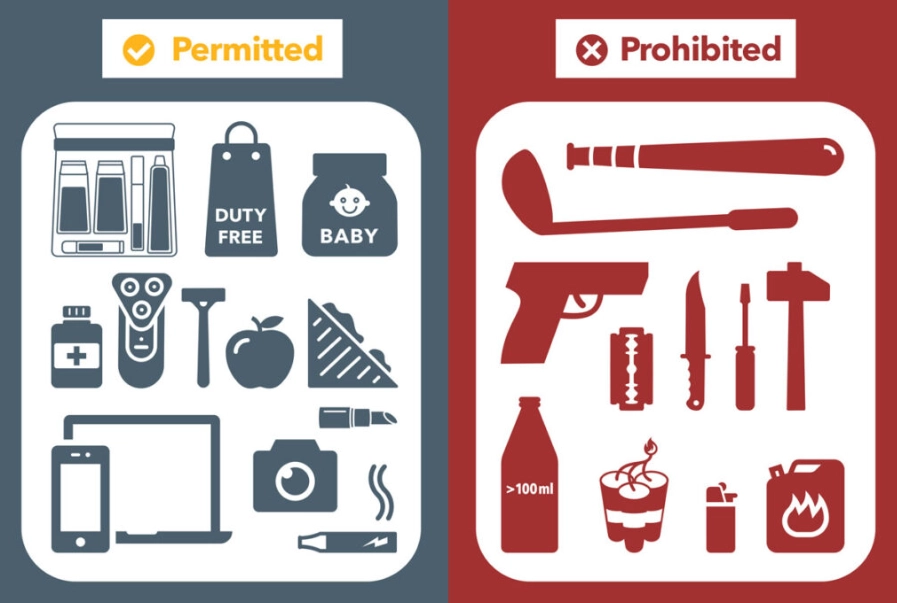
What's in This Guide?
The Absolute No-Gos: Items Strictly Prohibited
These are the things that will get you into serious trouble, no questions asked. Bringing them in isn't just about a fine; it can lead to criminal charges. The rules here are largely set by the European Union, so they apply whether you're flying into Frankfurt, driving across the border from France, or taking a train from Poland.
Weapons and Dangerous Objects
This seems obvious, but the definition is broader than you think. It's not just guns and grenades. It includes:
Switchblades, butterfly knives, or any knife with a blade longer than 12 cm that can be opened with one hand. That "cool" folding knife from the outdoor shop might be a prohibited weapon here.
Brass knuckles, throwing stars, and batons. Even if they're souvenirs.
Stun guns, tasers, and pepper spray. Some pepper sprays are legal in Germany, but only specific types labeled "defense sprays" and under strict capacity limits. Bringing your own from abroad is illegal.
Imitation firearms that could be mistaken for real ones.
The German Federal Customs Service (Bundeszollverwaltung) is very strict on this. If in doubt, leave it at home.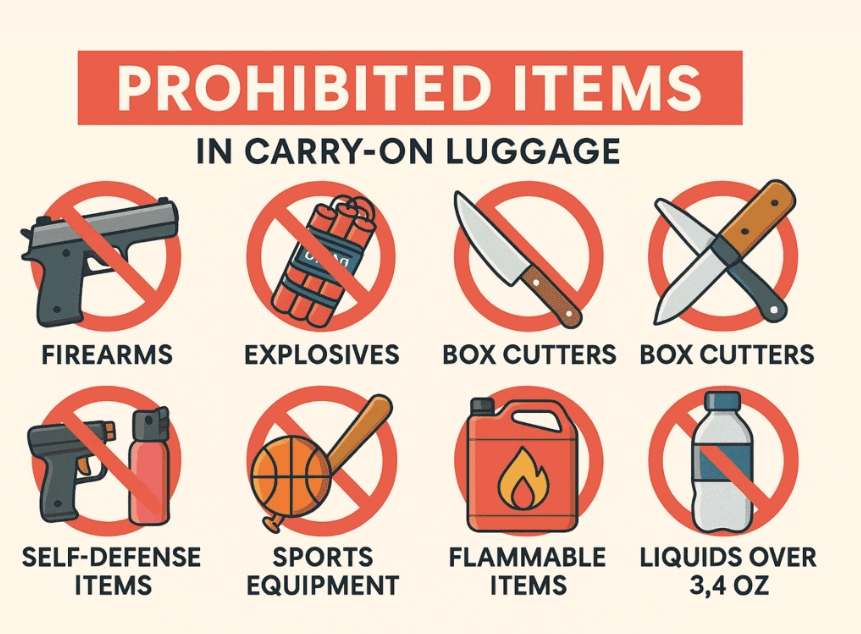
Illegal Drugs and Narcotics
Another obvious one, but worth stating. This includes cannabis, even if you're coming from a country or US state where it's legal. German law applies at the border. Possession of any amount can lead to prosecution.
Protected Species (CITES)
This is a major pitfall for tourists. You cannot bring items made from endangered species without special permits. Think:
- Ivory carvings or jewelry.
- Coral jewelry.
- Certain reptile skin products (like alligator handbags).
- Traditional medicines containing parts of tigers, rhinos, or other protected animals.
The Convention on International Trade in Endangered Species (CITES) governs this. If your souvenir looks like it came from an exotic animal, it probably needs paperwork you don't have. I once had to gently talk a colleague out of buying a beautiful tortoiseshell hair clip in Asia for this exact reason.
Counterfeit and Pirated Goods
That "great deal" on a designer bag or watch? If it's a fake, customs will confiscate it. This applies to pirated software, DVDs, and CDs too. They're not just taking it away; they can destroy it and fine you for attempting to import commercial-scale counterfeit items.
Restricted or Conditional Items: The Gray Areas
This is where most travelers get confused. These items aren't flat-out banned, but they come with strings attached. Fail to follow the rules, and your item becomes contraband.
| Item Category | What's Allowed (with conditions) | What's Not Allowed / The Catch | Why It's Restricted |
|---|---|---|---|
| Food of Animal Origin (Meat, Dairy, etc.) | Very little. Infant food or special medical diet food required for personal use during the journey. Some processed products like shelf-stable baked goods might be okay. | Almost all meat, milk, cheese, fish, honey, etc., from non-EU countries. That includes homemade, vacuum-packed, or canned goods. | To prevent the introduction of animal diseases (e.g., Foot and Mouth Disease, African Swine Fever). The EU has strict veterinary controls. |
| Plants and Plant Products | Most fruits (like pineapples, coconuts, bananas), and some vegetables from approved countries. Generally, seeds and plants require a phytosanitary certificate. | Soil, most plants with soil attached, many seeds, and most fresh fruits/vegetables from non-EU countries (e.g., apples, tomatoes, potatoes). | To prevent plant pests and diseases from spreading. A single piece of fruit can harbor invasive insects. |
| Medication | Medication for personal use, typically up to a 3-month supply. You must carry a doctor's prescription or a formal letter from your physician, ideally in English or German. | Large quantities that suggest commercial intent. Narcotic or psychotropic medications (strong painkillers like opioids, ADHD meds) have extra rules and often require prior approval. | To control narcotics and ensure medication safety. Some common drugs elsewhere (e.g., codeine in higher doses) are tightly controlled in Germany. |
| Alcohol & Tobacco | For travelers over 17 from non-EU countries: 1 liter of spirits over 22% vol. OR 2 liters of intermediate products (e.g., port). 4 liters of wine. 16 liters of beer. 200 cigarettes OR 100 cigarillos OR 50 cigars OR 250g tobacco. | Anything over these quantities. You must pay EU duty and tax on the excess. Bringing massive amounts can be seen as commercial smuggling. | Tax and duty harmonization within the EU. These are "duty-free" allowances, not rights. |
A common mistake I see? People think "commercial quantities" means boxes and boxes. For things like expensive perfume or supplements, even a dozen units can raise eyebrows if they're all the same. If it looks like you're planning to sell it, customs will treat it as a commercial import.
The Big One: Cash Declaration Rules
This rule catches more people off guard than any other. It's not about prohibition, but about mandatory declaration.
If you are entering or leaving the EU and carrying €10,000 or more (or the equivalent in other currencies, bonds, checks, etc.), you MUST declare it to customs.
This isn't a tax. Your money isn't confiscated. You simply fill out a form. The purpose is to combat money laundering and terrorist financing.
The subtle error here? Thinking it only applies to cash. It doesn't. It's the total value of "negotiable bearer instruments." That includes:
- Traveler's cheques.
- Bearer bonds or shares.
- Pre-paid cards if they are not personalized (though this is a gray area, declaring is safer).
If you're traveling with your family, the €10,000 limit applies to the whole group, not per person. Failure to declare can result in a fine, and your funds can be detained during an investigation.
Your Practical Pre-Travel Checklist
Don't just skim this and hope for the best. Run through this list before you zip up your suitcase.
1. The Food Purge: Empty your backpack of any meat, cheese, fruit, or seeds from outside the EU. That protein bar with beef jerky bits? Check the ingredients. That beautiful apple from the hotel breakfast? Eat it now.
2. The Medication Audit: Gather all medications. Check if any are controlled substances (opioids, strong stimulants). For these, contact the German Federal Opium Agency (Bundesopiumstelle) or the embassy well in advance to see if you need an import permit. For all others, get a doctor's note.
3. The Souvenir Sense-Check: Think twice about animal or plant-based souvenirs. When in doubt, assume you can't bring it. Take a photo instead.
4. The Cash Count: Count all cash, cheques, etc. If you're near or over €10,000, find the declaration form online (from the German customs website) or be ready to declare upon arrival.
5. The "What If" Plan: Know what to do if you're unsure. Always declare questionable items. It's far better to declare something that turns out to be okay than to be caught hiding a prohibited item. You can declare orally to the customs officer. The motto is: "When in doubt, declare."
The official source for all this is the German Customs website. Their information is exhaustive, if a bit dry. For EU-wide rules on food and plants, the European Commission's page on Travellers' imports is also authoritative.
Your Customs Questions Answered
 Are the rules different if I'm driving from another EU country?