Quick Guide
Let's be honest, when you first hear "football museum," you might picture glass cases full of old jerseys and a few dusty trophies. I know I did. But the German Football Museum in Dortmund, or Deutsches Fußballmuseum as it's locally known, completely shattered that expectation for me. It's less of a museum and more of a sensory, emotional journey through the sport that's practically a religion in this country. Nestled right next to the main train station in the heart of the Ruhr region, it's a pilgrimage site for any fan of the beautiful game, whether you're a hardcore Deutschland supporter or just curious about the culture.
I visited on a damp Tuesday, thinking I'd spend an hour or two. I ended up staying for nearly five. The place has a way of pulling you in. It's not just about facts and figures; it's about the roar of the crowd, the agony of a missed penalty, the sheer joy of a last-minute winner. They've managed to bottle that feeling.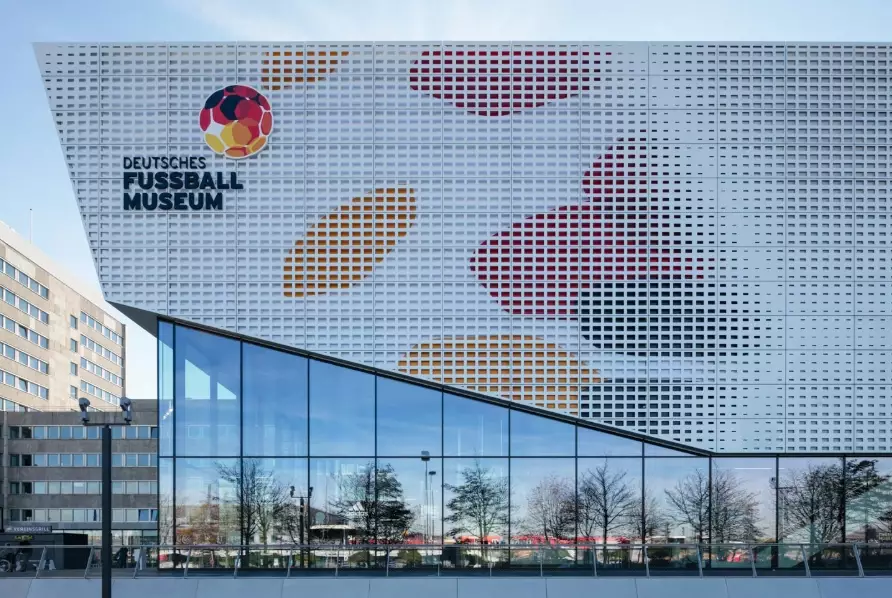
What's the Experience Really Like?
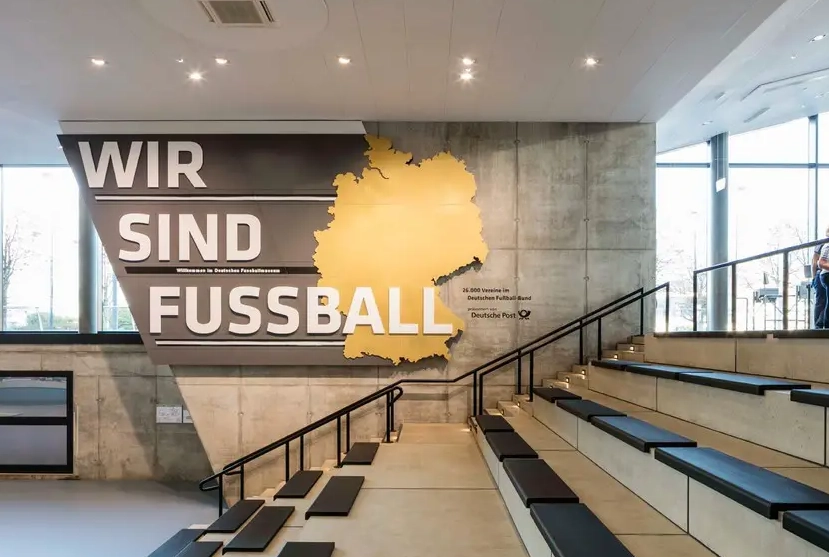
Stepping inside, you're immediately hit by the scale. The building is modern, spacious, and cleverly designed. You start at the top and work your way down, which is a nice touch—it feels like you're descending through the layers of football history. The first exhibit sets the tone with a massive, immersive video wall showing iconic moments. You hear the commentary, the chants, the sheer noise. It's overwhelming in the best possible way.
The real genius of the German Football Museum Dortmund lies in its balance. For every serious historical section—like the thoughtful and necessary exhibit on football during the Nazi era—there's a hands-on, laugh-out-loud interactive element. One minute you're reflecting on the geopolitical significance of the "Miracle of Bern" in 1954, the next you're in a booth trying to commentate on a famous goal or testing your reflexes against a virtual goalkeeper.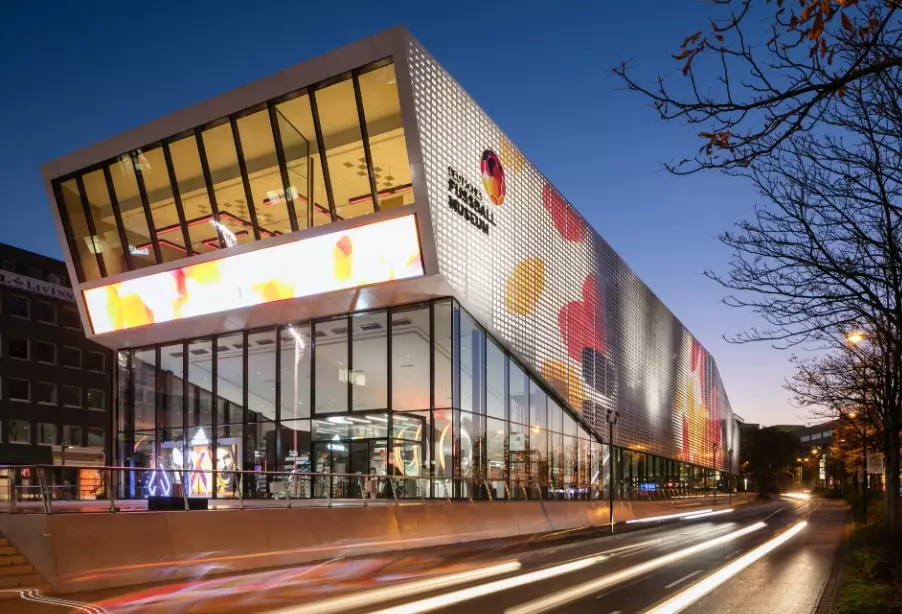
And that's the thing. This isn't a stuffy, silent museum. It's alive with the sounds of games, the buzz of conversation, and the occasional yelp of triumph or groan of defeat from the interactive games. It captures the communal, emotional heart of football perfectly.
The Absolute Must-Sees (Don't Miss These!)
With over 4,000 square meters of exhibition space, it's easy to get lost. To make sure you hit the highlights, here are the exhibits and artifacts that, in my opinion, are non-negotiable.
| Exhibit/Item | What It Is & Why It's Special | My Personal Take |
|---|---|---|
| The Original FIFA World Cup Trophy | Not a replica. The actual Jules Rimet Trophy won by Germany in 1954, 1974, and 1990. It's displayed in a secure, dramatic vault-like room. | This was spine-tingling. Seeing the real, slightly weathered gold trophy up close, knowing the hands that have lifted it, is a powerful moment. The presentation is superb. |
| The "Wunder von Bern" (Miracle of Bern) 1954 Exhibition | A deep dive into Germany's first World Cup win. Features the original ball, kits, and incredible multimedia storytelling about the post-war significance. | The most historically important section. It explains why that win meant so much beyond sports. You leave understanding its cultural weight. |
| The National Team Hall of Fame & Shirt Wall | A stunning, circular room lined with the original match-worn shirts of every German national team player since 1908. Over 1,000 shirts. | Visually breathtaking. You can search for specific players. Finding the shirts of legends like Beckenbauer, Müller, Klose, and newer stars is a real thrill for any fan. |
| The "Football in Germany" Timeline | A winding, interactive path through over 140 years of German football history, from its beginnings to the modern Bundesliga. | Perfect for context. Don't try to read every panel! Skim, interact with the screens, and absorb the big picture. It ties everything else together. |
| The 2014 World Cup "Sommermärchen" (Summer Fairy Tale) Room | An entire room dedicated to the 2014 win in Brazil. Features Mario Götze's final shirt, the trophy, and a celebratory, immersive atmosphere. | Pure, unadulterated joy. The room is designed to make you feel like you're in the middle of the Rio celebrations. A guaranteed smile-maker. |
Beyond these big hitters, keep an eye out for quirky items. Oliver Kahn's famously chewed goalkeeper gloves. The referee's card from the "Game of the Century" (Italy vs West Germany, 1970). Even the ticket stub from a historic match can tell a story here.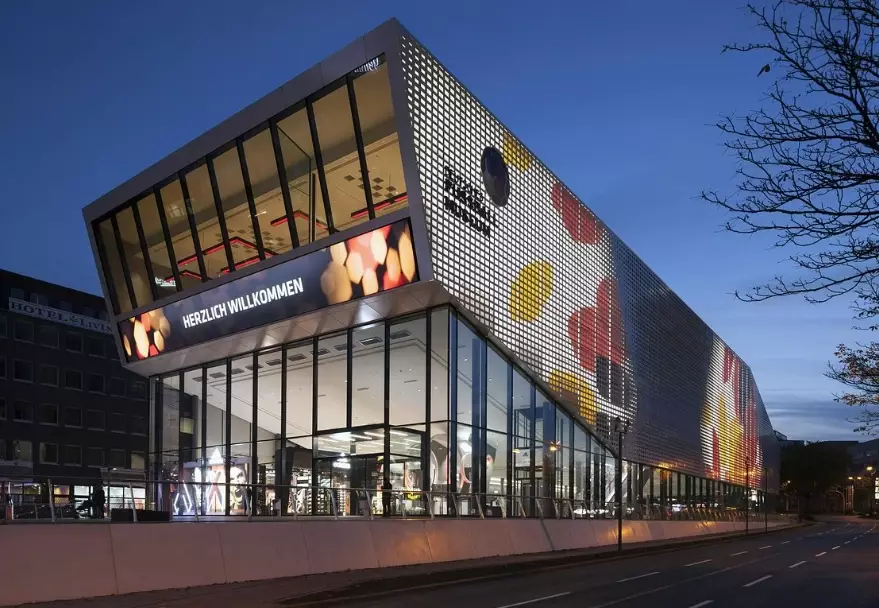
Planning Your Visit: The Nitty-Gritty Details
Alright, let's get practical. Here’s everything you need to know to plan your trip without any hiccups. This is the stuff I had to search for before my visit, so I'm laying it all out for you.
Tickets, Prices, and How to Save a Few Euros
You can buy tickets at the door, but I'd recommend booking online in advance, especially for weekends or during school holidays. It doesn't usually sell out, but it saves you queueing.
| Ticket Type | Price (Approx.) | Notes & Tips |
|---|---|---|
| Standard Adult | €19 | The base rate. Fair for the experience you get. |
| Reduced (Students, Disabled, etc.) | €16 | Valid ID required for proof. |
| Family Ticket (2 Adults + up to 3 Kids) | €44 | Really good value if you're visiting as a family. |
| Children (6-17 years) | €11 | Under 6s get in free. |
| Annual Pass | €49 | A no-brainer if you're local or plan to visit more than twice. |
Look out for combo tickets.
Sometimes the museum teams up with local transport or other Dortmund attractions. Checking the official Dortmund Tourism website before you book can sometimes snag you a deal. Also, the last entry is 90 minutes before closing, so don't cut it too fine.
Getting There: It Couldn't Be Easier
This is one of the museum's biggest strengths. Its location is perfect.
- By Train: It's literally a 2-minute walk from Dortmund Hauptbahnhof (the main central station). Exit towards the "Königswall" and you'll see it. If you're coming from Cologne, Düsseldorf, or even Frankfurt, the train is the most stress-free option.
- By Car: There's a dedicated parking garage called "Parkhaus Fußballmuseum" right underneath the museum. Rates are reasonable for a city center. Put "Platz der Deutschen Einheit 1, 44137 Dortmund" into your GPS.
- By Plane: From Dortmund Airport (DTM), take the AirportShuttle bus to the main station. From the larger Düsseldorf (DUS) or Cologne/Bonn (CGN) airports, take a direct train to Dortmund Hbf.
Opening Hours and Best Time to Visit
Typical hours are Tuesday to Sunday, 10:00 AM to 6:00 PM. It's closed on Mondays, unless that Monday is a public holiday. Always, always check the official website for the most current hours before you go—special events can sometimes affect this.
When is the best time? Weekdays, especially Tuesday to Thursday, are naturally quieter. Weekend afternoons can get busy, particularly when there's a big Bundesliga match involving Borussia Dortmund happening in the city. The atmosphere is great when it's busy, but you might have to wait a minute for the interactive stations.
I found late morning on a weekday to be the sweet spot. You get a few hours of relative calm before any afternoon crowds trickle in.
Is It Just For Hardcore Football Fans?
This is a question I get a lot. My answer is a definitive no.
Sure, if you love football, you'll be in heaven. You'll geek out over the details. But the German Football Museum Dortmund is designed with a much broader audience in mind. The storytelling is so strong—focusing on social history, national identity, triumph, and tragedy—that it engages anyone interested in 20th-century German history.
Families with kids? Absolutely. The interactive games are a huge hit. The museum is stroller-friendly, and there's enough variety to keep young attention spans engaged (the giant football you can walk through is a favorite).
Casual sports fans or partners dragged along? They'll likely be surprised. The production value is so high, and the human stories are so universal, that it's easy to get drawn in. My friend who "doesn't really get football" ended up fascinated by the sections on fan culture and stadium architecture.
Your Questions, Answered (The FAQ Section)
How long does a visit to the German Football Museum take?
Most people spend between 3 and 4 hours. If you're a fast reader and skip the interactives, maybe 2 hours. If you're a total fanatic who wants to watch every video clip and try every game, you could easily spend 5+ hours. Plan for a half-day to be safe.
Is photography allowed inside?
Yes! Photography for personal use is encouraged throughout most of the museum. They even have fun photo opportunities set up. Flash and tripods are not allowed, and there might be one or two specially marked items where photography is prohibited for conservation reasons.
Is the museum accessible for visitors with disabilities?
Very much so. The entire German Football Museum Dortmund is wheelchair accessible via elevators and ramps. They offer reduced admission for disabled visitors and free entry for a necessary companion. Tactile models and audio descriptions are available for visually impaired visitors. It's well thought-out.
Can I store my luggage or coat?
Yes, there are lockers and a cloakroom available, usually for a small coin deposit (€1 or €2). This is super handy if you're arriving straight from the train station with bags.
What about guided tours?
They offer guided tours in German and, with advance booking, sometimes in English. There are also special themed tours (e.g., focusing on women's football). Check the "Offers" section on their website and book ahead if you're interested.
Is there a gift shop?
Oh yes. And it's dangerous for your wallet. It sells everything from replica trophies and vintage-style posters to kid's kits and books. The selection is excellent, but prices are typical for a museum shop—not cheap. I ended up with a cool art print of the Olympiastadion in Berlin.
How does it compare to other football museums, like the FIFA Museum in Zurich?
Having been to both, they're different beasts. The FIFA Museum is global, slick, and focuses on the world game. The German Football Museum Dortmund is deeply, authentically German. It's more about national narrative and emotional connection. If you're in Germany and interested in its culture, this one has more heart and local context.
Are there any special events?
Frequently! They host live broadcasts of big matches on a giant screen in the lobby, special exhibition openings, book readings, and panel discussions with legends. The event calendar on their site is worth a look to see if your visit aligns with something extra.
What's nearby to combine with the visit?
Besides the other museums mentioned, you're a short walk from Dortmund's city center for shopping and dining. The famous Borussia Dortmund stadium, Signal Iduna Park, is about a 15-minute subway ride away. Stadium tours are available separately and are a fantastic add-on for fans.
Is it worth the money?
For a football fan or someone interested in modern German history, 100% yes. For a casual visitor, it's still a strong maybe. The quality of the exhibits is top-tier. If you enjoy well-made, interactive museums, you'll get your money's worth. If you have zero interest in sports or history, maybe give it a pass.
Final Thoughts and Why It Sticks With You
The German Football Museum Dortmund does something rare. It transcends being just a collection of objects. It makes you feel the history. You leave not just having seen the World Cup trophy, but understanding the weight of it. You don't just learn about famous players; you get a sense of the communities and moments that created them.
It’s celebratory but not uncritical. It covers the glorious wins and the painful losses with equal respect. That balance is what makes it feel authentic.
Would I go back?
I already have my annual pass. For me, it's not just a museum; it's a reference point. When a new chapter in German football history is written—a new tournament win, a legendary player's retirement—I know I can go back to the German Football Museum Dortmund and see how that story gets woven into the larger tapestry. It's a living institution, and that's its greatest strength.
So, if you're anywhere near the Ruhr area, or planning a trip to Germany with even a passing interest in its culture, carve out some time for it. You might just discover that you're more of a football fan than you thought.