So you're planning a trip to Munich. Great choice. The Bavarian capital is a layered city—part medieval fairy tale, part high-tech powerhouse, and entirely soaked in Gemütlichkeit (that's cozy conviviality). But with limited time, the pressure's on. You don't want to waste a minute on the overhyped or miss the truly magical. Forget generic lists. This is a distilled, actionable guide to the Munich experiences that define the city, from the iconic squares you've seen in pictures to the beer garden rituals and museum corners most visitors walk right past. Let's get straight to the heart of it.
Your Munich Must-See Roadmap
The Heart of History and Culture: Landmarks That Tell a Story
Start at the literal and figurative center. Munich's historical core is compact and walkable, and these spots aren't just photo ops—they're living chapters of the city's story.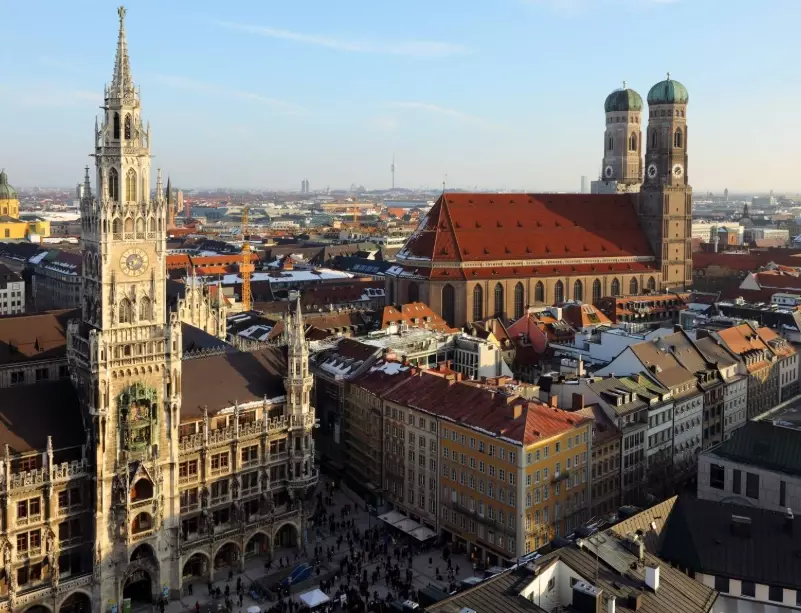
Marienplatz and the Glockenspiel
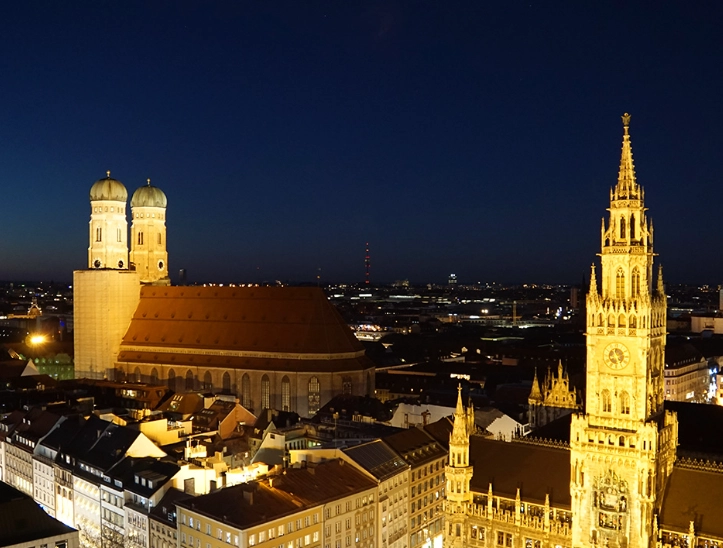
Marienplatz is the main square. It's always buzzing. The real magic happens at the New Town Hall (Neues Rathaus). Every day at 11 AM and 12 PM (plus 5 PM from March to October), the Glockenspiel performs. It's a 15-minute show with 32 life-sized figures reenacting two stories: a knights' tournament from 1568 and the coopers' dance, which commemorates the end of the plague.
Pro Tip Everyone Misses: Don't just watch from the ground. The real view is from the tower. For a few euros, you take an elevator up the Neues Rathaus tower. You get a breathtaking 360-degree view of the city sprawl against the Alps on a clear day, and you're looking *down* on the Glockenspiel figures. It completely changes the perspective. Address: Marienplatz 8. Tower entry is around €5. Check the official Munich tourism website for current hours.
Residenz Munich
If you see one palace in Munich, make it the Residenz. This was the seat of Bavarian dukes, electors, and kings for centuries. It's not a single building but a vast complex of courtyards, halls, and museums. The scale is overwhelming. A common mistake is trying to see it all and ending up with "palace fatigue."
Focus on two things:
- The Antiquarium: The largest Renaissance hall north of the Alps, built to house antique sculptures. The ceiling frescoes are staggering.
- The Treasury (Schatzkammer): This holds the crown jewels and royal regalia. The detail on small items like the statue of St. George, covered in pearls and gems, is mind-boggling.
Address: Residenzstraße 1. A combined ticket for the Residence Museum and Treasury is your best value. Plan for at least 2.5 hours. Information is managed by the Bavarian Palace Department.
Asam Church (Asamkirche)
Tucked away on a narrow street, this is Munich's most spectacular hidden gem. Built in the 1740s by the Asam brothers as their private chapel, it's a Baroque and Rococo explosion. The interior is a dense, theatrical masterpiece of frescoes, gilt, and dramatic lighting. It feels intimate and overwhelming simultaneously. It's free to enter (though a small donation is appreciated), and it takes maybe 20 minutes. But those 20 minutes will stick with you longer than many larger attractions. Address: Sendlinger Straße 32.
The Soul of Munich: Beer, Food, and the Art of Gemütlichkeit
You can't separate Munich from its beer culture. It's not just drinking; it's a social institution. Missing this means missing the city's pulse.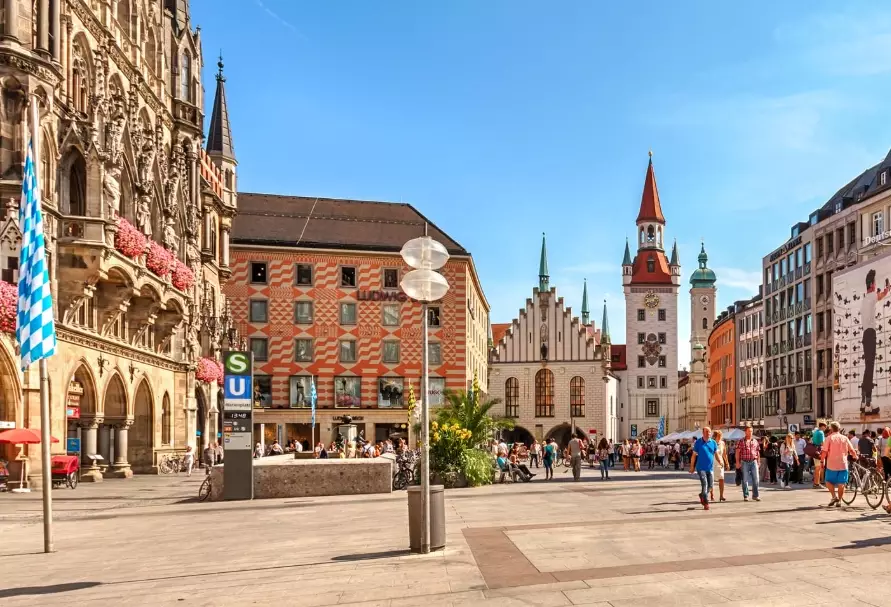
The Beer Garden Experience
Sitting in a Biergarten under chestnut trees is non-negotiable. The most famous is the Chinesischer Turm in the English Garden. It's great, but it's also huge and can feel impersonal.
For a more local vibe, try Augustiner-Keller (Arnulfstraße 52). It's massive but has a wonderful, sprawling feel. The key here is self-service. Find a spot at a shared table (it's the rule), then go to the self-service food stalls for classic Bavarian fare—Obatzda (cheese spread), Radi (radishes), a halbes Hendl (half roast chicken). Bring your own picnic? In traditional beer gardens, it's allowed if you buy the drinks. That's the real local hack.
| Beer Garden | Location / Vibe | Must-Try Tip |
|---|---|---|
| Hofbräukeller | Innere Wiener Str. 19, on the river. Lively, less touristy than the Hofbräuhaus. | Their beer is superb. Try the "Hofbräu Original" and a giant pretzel. |
| Seehaus | In the English Garden by the lake. Modern, scenic, perfect for a sunny afternoon. | Great for a longer lunch. Their fish dishes are excellent. |
| Hirschgarten | Hirschgarten 1. Claimed to be the largest in Europe, near Nymphenburg. Very family-friendly. | Go for the sheer scale and the deer park (Hirsch means deer). |
Beyond the Hofbräuhaus: Where to Eat Authentically
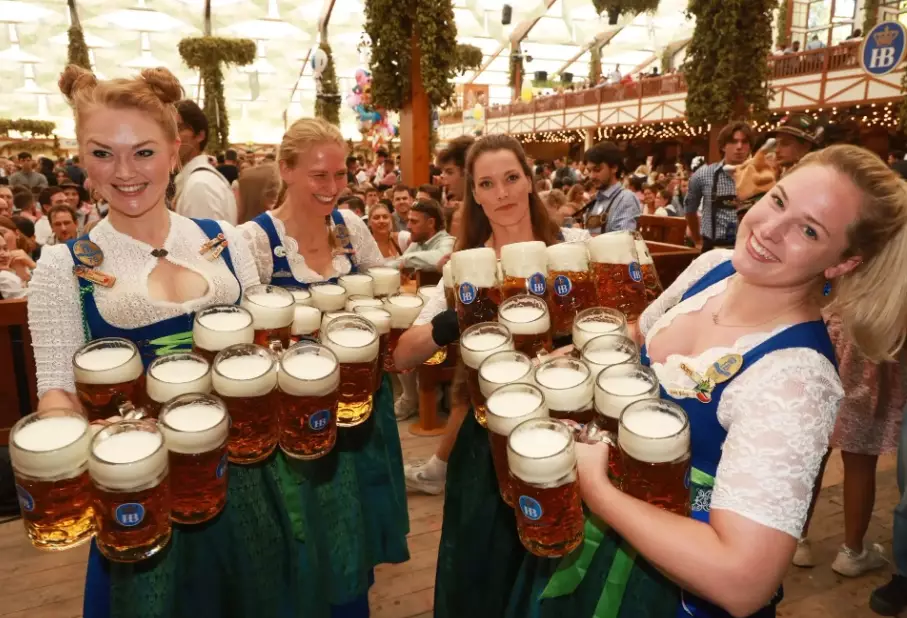
The Hofbräuhaus is an institution. You should pop in for one Maß (liter) of beer in the main hall for the spectacle—the oompah band, the waitresses in dirndls carrying eight steins. But don't eat dinner there. The food is mass-produced.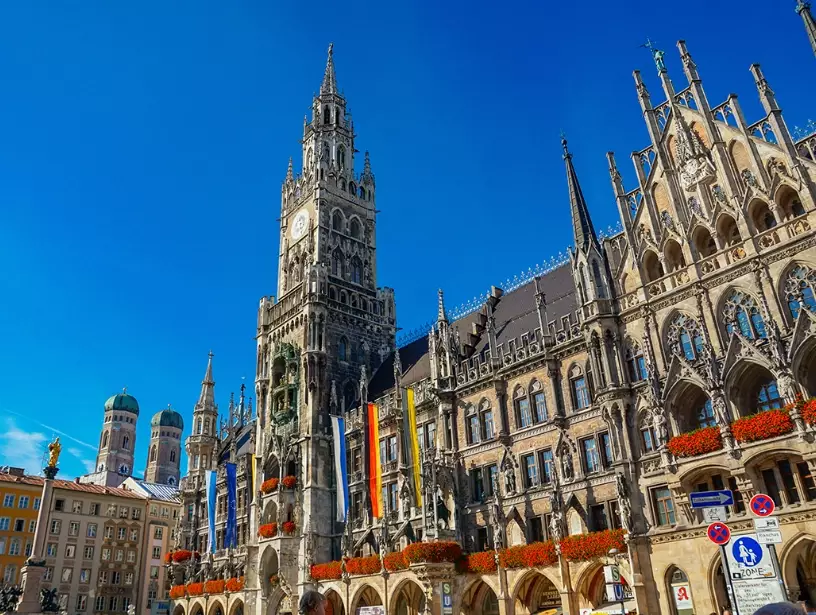
For a genuine meal, head to an old-school Wirtshaus (tavern).
- Augustiner am Platzl (Orlandostraße 5): Right near the Hofbräuhaus but feels worlds apart. Wood-paneled, cozy, with Augustiner beer from wooden barrels. Their Schweinshaxe (pork knuckle) is legendary.
- Ratskeller München (Marienplatz 8): In the cellar of the New Town Hall. It's not a secret, but the vaulted ceilings and historic atmosphere are special. The food is solid, classic Bavarian. Make a reservation.
- Wirtshaus in der Au (Lilienstraße 51): A bit off-center, worth the trip. Seasonal, high-quality Bavarian cuisine in a rustic-modern setting.
Remember, a classic Bavarian meal is hearty. Order a Schweinsbraten (roast pork) with dumplings and cabbage, or a Weißwurst (veal sausage) before noon, paired with a sweet mustard and a Weißbier.
Art, Parks, and Urban Escapes
Munich balances its historical weight with incredible green spaces and world-class art. These are the places to decompress and find inspiration.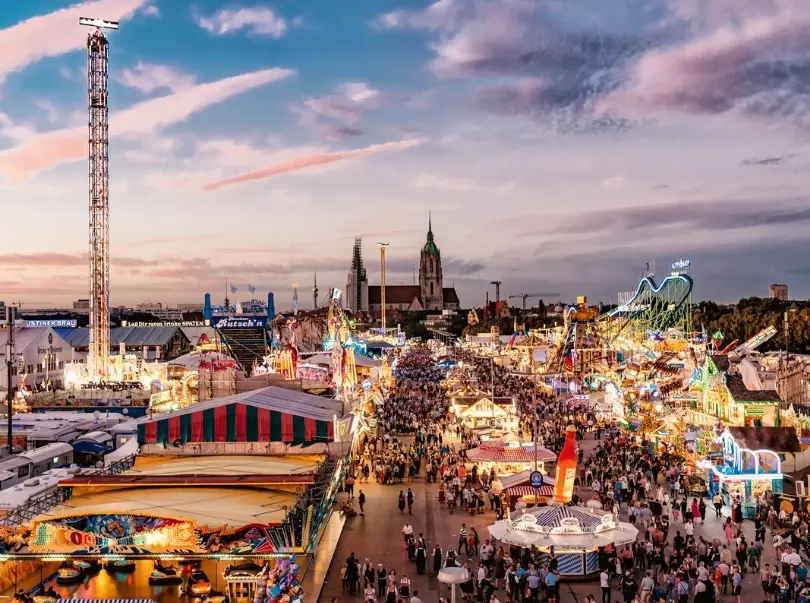
English Garden (Englischer Garten)
This is Munich's central park, but bigger than New York's Central Park. You can spend a day here. Don't just stroll. Seek out its landmarks:
- Eisbachwelle: The standing wave in the Eisbach river where surfers in wetsuits queue up to ride year-round. It's a surreal and uniquely Munich sight. Find it near the Haus der Kunst museum.
- Monopteros: The Greek-style temple on a small hill. The climb is gentle, and the view over the park and city skyline is perfect at sunset.
- Japanese Teahouse: A gift from Japan, hosting traditional tea ceremonies. It's a peaceful corner most miss.
Deutsches Museum
Calling it a "science museum" doesn't do it justice. It's one of the largest and oldest museums of science and technology in the world. You could get lost for days. The trick is to pick two or three sections that genuinely interest you. The aviation hall with full-sized historic planes is phenomenal. The mine exhibit, a replica you walk through, is fascinating. The new digital planetarium is state-of-the-art. Address: Museumsinsel 1. Buy tickets online to skip the line. Allocate at least 3-4 hours.
Pinakothek der Moderne
For modern art, design, and architecture lovers, this is your temple. It's a stunning building housing four major collections under one roof. The design collection, from chairs to computers, is particularly engaging. It's located in the Kunstareal (art district), so you can easily combine it with the Alte Pinakothek (Old Masters) if you're an art buff. Address: Barer Straße 40. Closed Mondays.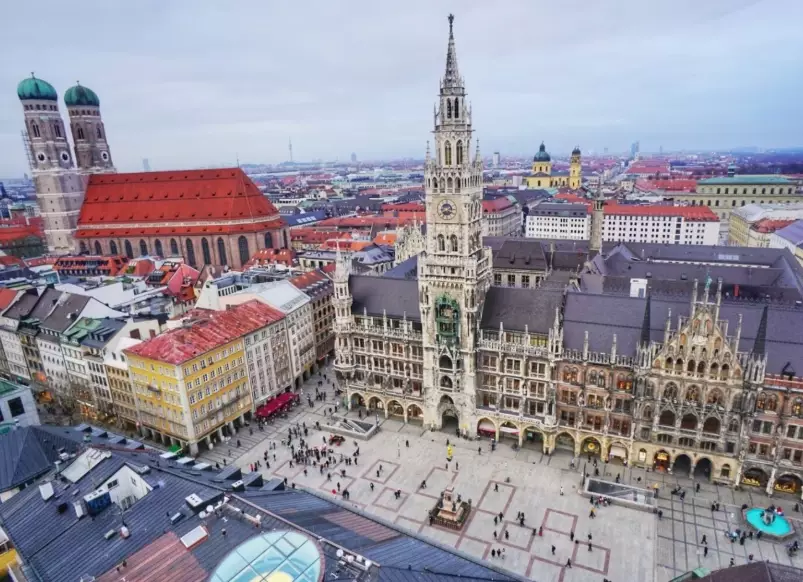
Your Munich Trip Questions Answered
Is the Hofbräuhaus worth it or is it just a tourist trap?
It's both. It's absolutely a tourist magnet, but it's also a historic piece of Munich. The trick is to treat it like a living museum exhibit. Go for a single beer in the afternoon to soak in the atmosphere—the stained glass, the painted ceilings, the band. Feel the history (it's been there since 1589). Then, for a more authentic meal and conversation, move on to a Wirtshaus like Augustiner or Haxnbauer. Don't write it off completely, but don't make it your only beer hall experience.
I have only one day in Munich. What is the single most efficient itinerary?
This is tough, but focus on the core. Start at Marienplatz for the 11 AM Glockenspiel. Walk a few minutes to the Asam Church for a quick, awe-inspiring visit. Then head to the Viktualienmarkt for lunch—grab a bite from a stall and a beer at the market's own beer garden. In the afternoon, choose one: either the Residenz (for history and opulence) or the Deutsches Museum (for interactive wonders). End your day in the English Garden. Walk from the surfers at Eisbachwelle to the Chinese Tower beer garden. You'll have touched history, culture, food, and green space.
What's the biggest mistake first-time visitors make when planning for Munich's attractions?
Underestimating walking distances and overbooking timed entries. The center is walkable, but going from the Residenz to Nymphenburg Palace, for example, is a 30-minute tram ride. People try to cram both plus a museum in one morning. It leads to exhaustion. Cluster your activities. Also, many major museums (Deutsches, Residenz, Pinakotheken) require significant time. Block out 2-4 hours for each, don't just slot in an hour. The other mistake is ignoring the simple pleasure of getting lost in a neighborhood like Schwabing or Haidhausen, which have more local character than the main shopping streets.
How do I experience Oktoberfest vibes without visiting during the festival?
Visit a traditional beer hall any time of year. The Augustiner Bräustuben (Landsberger Str. 19) is attached to a brewery and has that hearty, communal feel. Also, many beer gardens, like the Hirschgarten, capture the communal table spirit. For the folk music and dance, check the calendar for events at places like the Bavarian National Museum or smaller cultural festivals in the suburbs. The essence of Oktoberfest—Gemütlichkeit, beer, and music—is woven into the city's fabric year-round.
Are the day trips to Neuschwanstein Castle and Dachau Concentration Memorial both feasible, and how should I approach them?
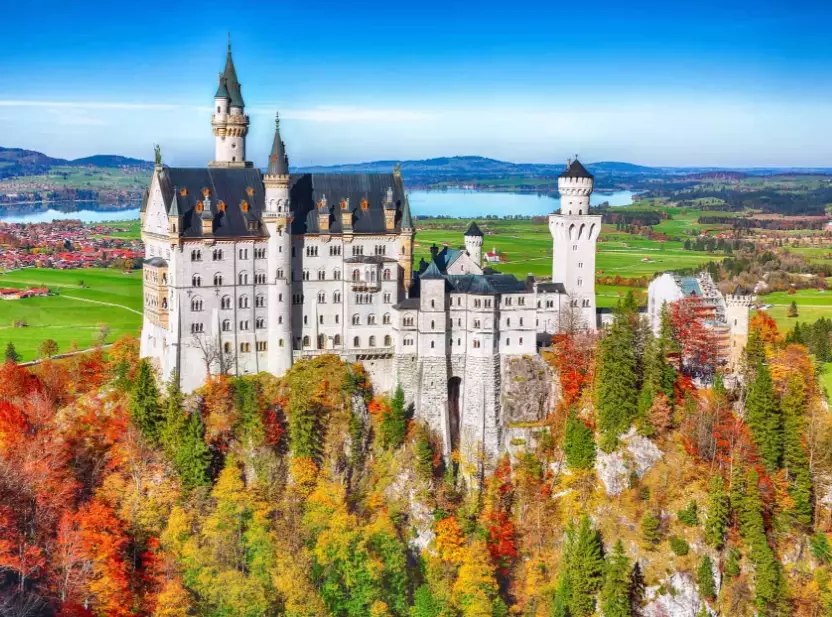
They are, but do not do them on the same day. They represent vastly different emotional and historical weight. Neuschwanstein is a 2-hour train/bus journey each way. Book your castle entrance ticket weeks in advance online or you'll only see the exterior. Dachau is a 30-minute S-Bahn ride. It's a solemn, essential visit that requires respect and time for reflection. Allocate at least 4-5 hours there to properly engage with the exhibits and memorial site. Trying to rush either is a disservice to the experience. Space them out on different days if possible.