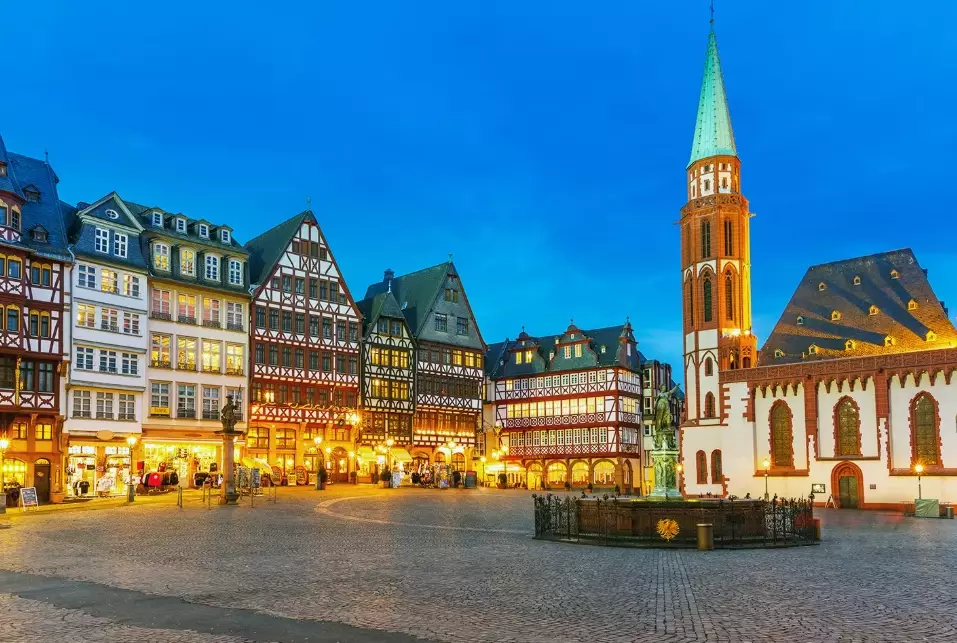
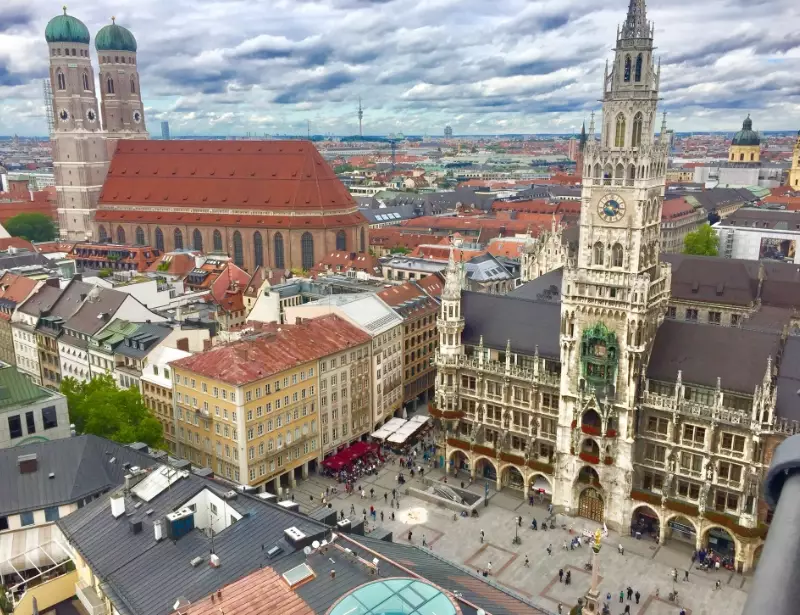
Ask anyone about a famous drive in Germany, and nine times out of ten, they'll point you south to Bavaria. They're talking about the Romantic Road, or Romantische Straße. It's not a single highway but a carefully curated 400-kilometer tourist route linking a string of postcard-perfect towns, vineyards, and castles between Würzburg and Füssen. Think of it as a choose-your-own-adventure through the Germany of storybooks—half-timbered houses, walled cities, and hilltop fortresses. But here's the thing most generic guides miss: the real magic isn't just in ticking off the famous stops like Neuschwanstein. It's in the quiet moments in between—the vineyard detour, the local bakery, the view from a lesser-known castle ruin. I've driven it multiple times, in different seasons, and I can tell you that planning it right makes all the difference between a scenic commute and an unforgettable journey.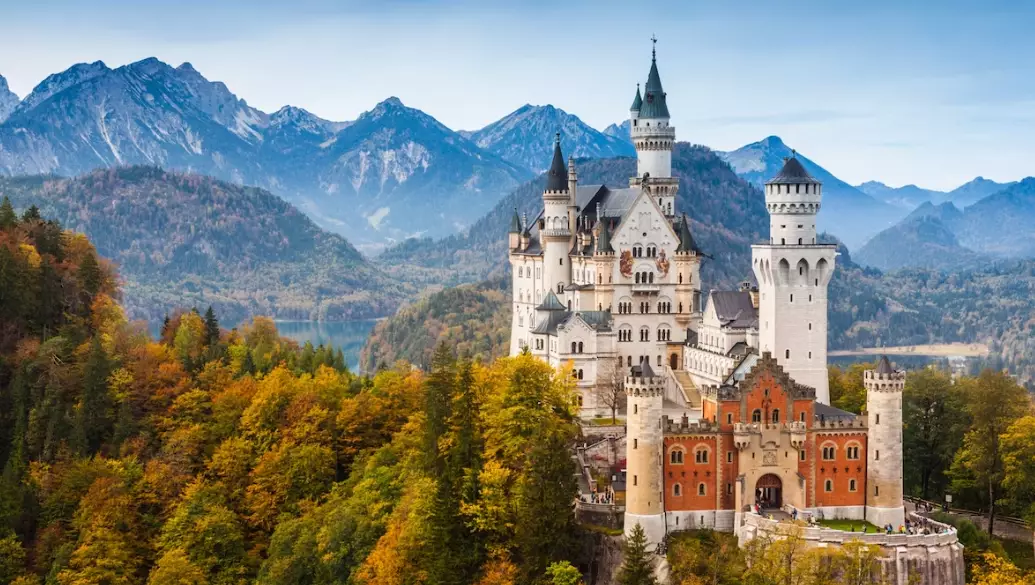
Your Roadmap to the Romantic Road
What Exactly Is the Romantic Road?
Created in the 1950s to promote tourism in post-war Bavaria and Baden-Württemberg, the Romantic Road follows ancient trade routes. It's marked by brown signs with a white, stylized castle and lettering. Don't rely solely on GPS set to "fastest route"—it will often try to shunt you onto the autobahn. You want the slower, scenic roads (Bundesstraßen) that wind through the countryside.
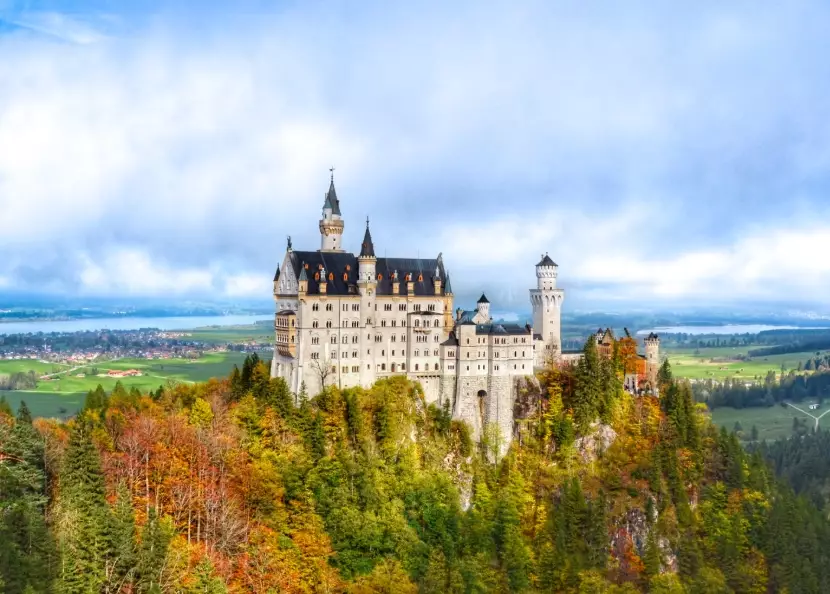
The route's genius is its variety. You start in Würzburg, a wine-rich city with a stunning Baroque palace. Then you dive into a sequence of ridiculously well-preserved medieval towns like Rothenburg ob der Tauber and Dinkelsbühl, where it feels like time stopped in the 1600s. It culminates in the Alpine foothills with the fairy-tale climax of Neuschwanstein Castle. But calling it just a "castle route" sells it short. You get rolling hills, sections of the Romantic Road that cut through the Nördlinger Ries (a massive meteorite crater), and the serene Lech River valley.
A Local's Perspective: Many first-timers make the mistake of trying to do the whole drive in one or two days. You'll spend more time in the car than exploring. The route is about the stops, not the driving itself. I recommend a minimum of three full days, with five being ideal to soak it in without rushing.
The Essential Stops: From North to South
Here’s a breakdown of the can't-miss towns and what makes each one special. I've included the practical details you need to plan your time.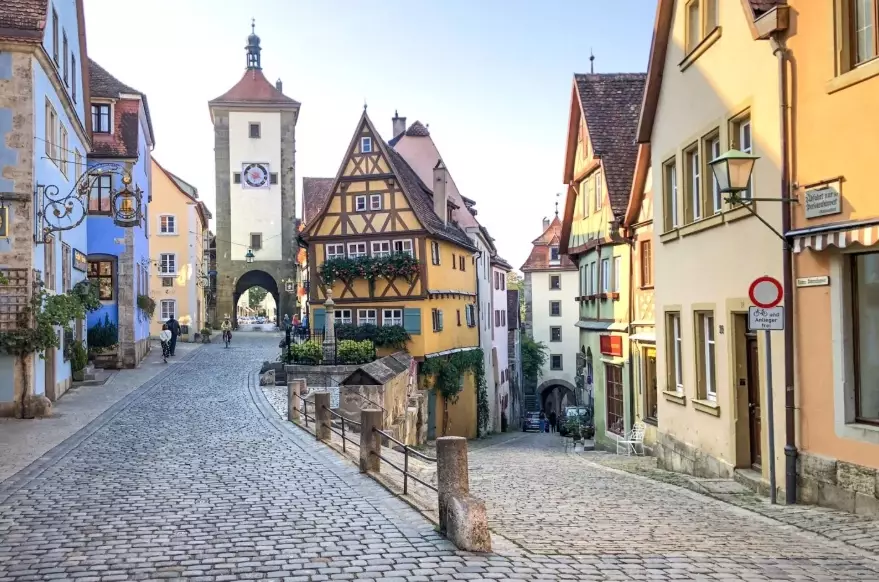
| Town/City | Key Attraction & Address | Don't Miss | Practical Info (Typical) |
|---|---|---|---|
| Würzburg | Würzburg Residence (Residenzplatz 2, 97070). A UNESCO World Heritage palace. | The Hofgarten (palace gardens) and a stroll across the Old Main Bridge with a glass of local Franconian wine. | Residence open 9 am-6 pm (Apr-Oct), 10 am-4:30 pm (Nov-Mar). Allow 2-3 hrs. Parking: Parkhaus am Congress Centrum. |
| Rothenburg ob der Tauber | The intact medieval walls. Access via any town gate like Rodertor. | The Night Watchman's Tour (evening, English available). Climbing the Town Hall tower for views. The Käthe Wohlfahrt Christmas Museum. | Walls are free, open 24/7. Town Hall tower: ~€2.50, hours vary. Park outside the walls at Parkplatz P5 (Taubertal). |
| Dinkelsbühl | The completely preserved Old Town within the walls. Best entered through the Wörnitz Tor. | A walk along the bastions, St. George's Minster, and simply wandering the cobbled lanes without the crowds of Rothenburg. | Free to explore. A tourist info walk (€8) is great for history. Parking at Parkplatz am Rossfeld. |
| Nördlingen | St. George's Church (Kirchgasse 10). Climb the "Daniel" tower. | The unique circular town wall you can walk entirely. The Ries Crater Museum for geology fans. | Church tower: €4, 10 am-5 pm. Park at Parkplatz am Stadtmauer. |
| Augsburg | The Fuggerei (Jakoberstraße 26), the world's oldest social housing complex. | The magnificent Renaissance Town Hall and the Golden Hall inside. The canals of the Lechviertel district. | Fuggerei open 9 am-8 pm (summer), 10 am-6 pm (winter). €6.50 entry. City center parking garages (e.g., Parkhaus am Rathaus). |
| Füssen / Schwangau | Neuschwanstein Castle (Neuschwansteinstraße 20, Schwangau). | Hohenschwangau Castle next door. The view of Neuschwanstein from Marienbrücke (Mary's Bridge). The serene Alpsee lake. | Critical: You MUST book Neuschwanstein tickets online in advance. Ticket center open 8 am-5 pm. Park at Parkplatz P4 (paid). |
Let's talk about Rothenburg for a second. It's stunning, yes, but it gets packed with day-trippers from 10 am to 4 pm. My advice? Stay overnight. The town empties out, and you can have the magical, lamp-lit streets almost to yourself. The Night Watchman's Tour is worth every euro—it's more entertaining history lesson than dry tour.
What About the Castles?
Neuschwanstein is the goal for many. It's spectacular from the outside, but the interior, while opulent, is unfinished. The tour is short (about 30 minutes). For a more complete and arguably more historically authentic castle experience, consider a tour of Hohenschwangau (King Ludwig II's childhood home) or Burghausen Castle (a slight detour east) which is one of the longest castle complexes in the world.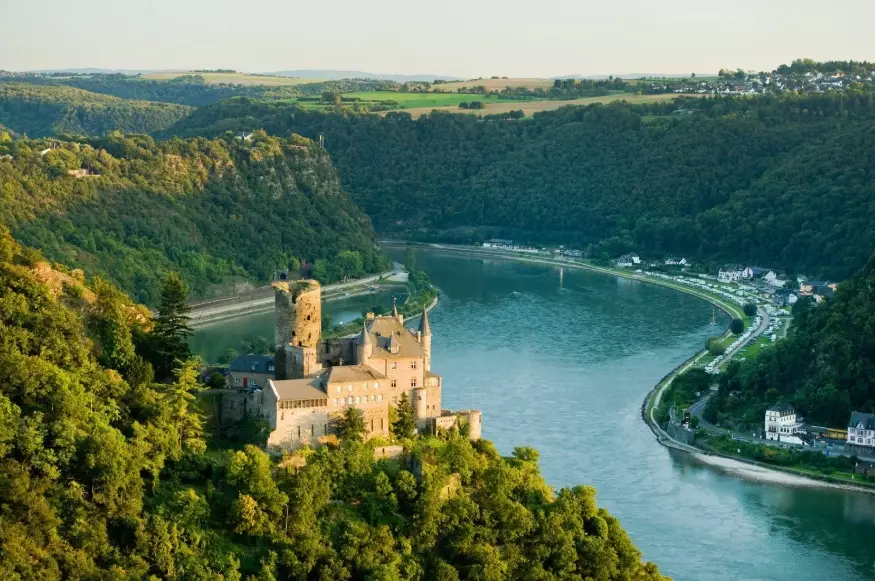
How to Plan Your Romantic Road Drive
You have options. Renting a car in Frankfurt or Munich is most common. Frankfurt puts you closer to Würzburg (the northern start), Munich closer to Füssen (the southern end). A one-way rental is ideal but often comes with a hefty drop-off fee. Check prices carefully.
Sample 5-Day Itinerary (Leisurely Pace):
Day 1: Pick up car in Frankfurt, drive to Würzburg (1.5 hrs). Explore the Residence and Old Town. Overnight in Würzburg.
Day 2: Drive to Rothenburg (1 hr). Spend the afternoon and evening exploring. Overnight in Rothenburg.
Day 3: Morning in Rothenburg. Drive to Dinkelsbühl (45 mins), explore. Continue to Nördlingen (30 mins) or a small village like Harburg (with its impressive castle) for the night.
Day 4: Drive to Augsburg (1.5 hrs from Nördlingen). Explore the city. Continue to the Füssen/Schwangau area (1.5 hrs). Overnight there.
Day 5: Morning visit to Neuschwanstein/Hohenschwangau. Drive to Munich to drop off car (2 hrs).
If you're short on time, a 3-day version focusing on Rothenburg, Dinkelsbühl, and Füssen is possible but rushed.
Practical Driving Tips for Germany
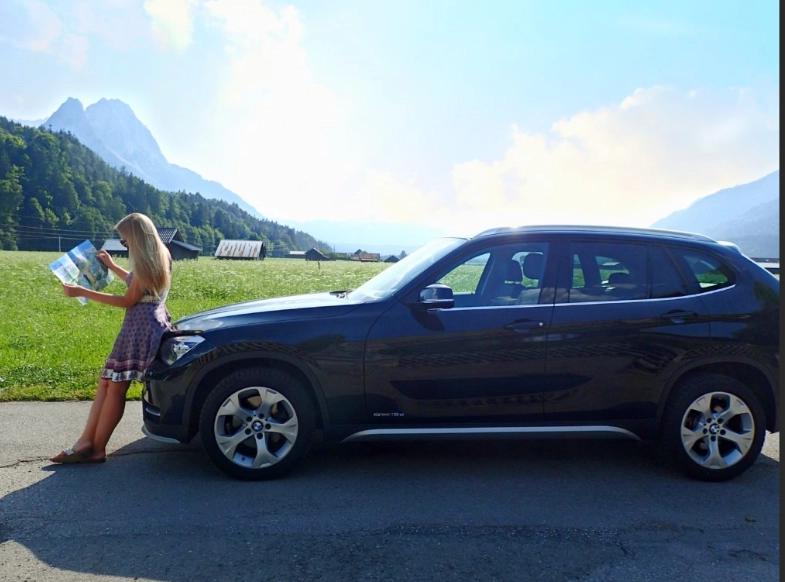
Driving here is straightforward, but a few rules are crucial.
- Speed Limits: No general speed limit on autobahns (green sign), but there are often posted limits. On country roads (Bundesstraßen, white sign with black number), it's usually 100 km/h unless marked. In towns (yellow sign with town name), it's 50 km/h.
- Right-Before-Left: At unmarked intersections in towns, the vehicle coming from the right has the right of way. This catches many visitors off guard.
- Low Emission Zones (Umweltzone): Many German city centers, including Augsburg, require an emissions sticker (Umweltplakette) on your windshield. Rental cars usually have them, but confirm.
- Parking: Look for blue zones with signs. You need to use a parking disc (Parkscheibe) to show your arrival time, or pay at a machine (Zahlautomat). Parking in designated lots (Parkplatz) outside old towns is always easier.
Going Beyond the Beaten Path
The official route is fantastic, but some of my best memories are from small detours.
Between Rothenburg and Dinkelsbühl, take a minor road through the Franconian Heights. The rolling hills and tiny villages like Feuchtwangen are serene. South of Augsburg, the Wieskirche (Church in the Meadow) is a UNESCO-listed Rococo masterpiece that feels hidden in the fields. It's a 30-minute detour but utterly breathtaking inside.
Another tip: travel in the shoulder seasons (late April-May or September-October). The weather is still good, the summer crowds are thinner, and the vineyards along the northern part of the route are beautiful in autumn.
Your Romantic Road Questions Answered
Can I drive the Romantic Road in winter?
You can, and it's magical with snow on the rooftops. However, some smaller roads might be icy, and attractions have shorter hours. Christmas markets in Würzburg, Rothenburg, and Augsburg (late Nov-Dec) are a huge draw. Just be prepared for limited daylight and check if specific castles (like Neuschwanstein interior) are open.
Is the Romantic Road suitable for families with young kids?
Absolutely, but adjust your pace. Kids love walking on Rothenburg's walls, the toy museums, and the fairy-tale aspect of Neuschwanstein. Break up driving days with stops at playgrounds (common in most towns) or easy hikes. The danger is trying to fit in too many historic stops—kids (and adults) get "castle fatigue." Focus on one major activity per day.
 What's the biggest mistake people make when planning this trip?
Overestimating how much they can see in a day. People see 400 km and think "that's a 5-hour drive." But with stops for photos, coffee, lunch, and actually visiting towns, you'll be lucky to cover two main stops thoroughly in a day. The second mistake is not booking accommodations in advance, especially in Rothenburg and Füssen. These towns sell out months ahead in peak season.
Are there good public transport options along the Romantic Road?
There is a Romantic Road coach bus that runs between major stops, but it's seasonal and follows a fixed schedule, limiting spontaneity. Trains connect some cities (Würzburg, Augsburg, Füssen) but not the charming small towns in between. For true flexibility and access, a car is still the best way to experience the route as intended.
What should I budget for a 5-day Romantic Road trip?
Excluding international flights, for two people: mid-range rental car (€50-80/day), fuel (€100-150 total), accommodations (€100-150/night for a decent hotel or B&B), food (€40-60/day per person for meals/snacks), and attraction entries (€15-25/day per person). A realistic budget is €1200-€1800 for two for 5 days. Staying in guesthouses (Pension) and eating lunch at bakeries can save money.
So, what is the famous drive in Germany? It's the Romantic Road. But more than that, it's an invitation to slow down and explore a region where history feels alive around every bend. Do your homework, book ahead, and don't be afraid to stray from the brown signs for an hour or two. That's where your own story begins.