Germany isn't just about efficient autobahns. Beyond those famous speed-limit-free stretches lies a network of scenic driving roads that carve through fairy-tale forests, cling to dramatic mountain passes, and connect storybook villages. This is where driving becomes an experience, not just transport. I've spent over a decade exploring these routes, from crowded classics to hidden gems, and I'm here to cut through the generic lists. Forget just names and photos. Let's talk about what these roads actually feel like behind the wheel, when to go to avoid the tour buses, and the specific stretches most guides miss.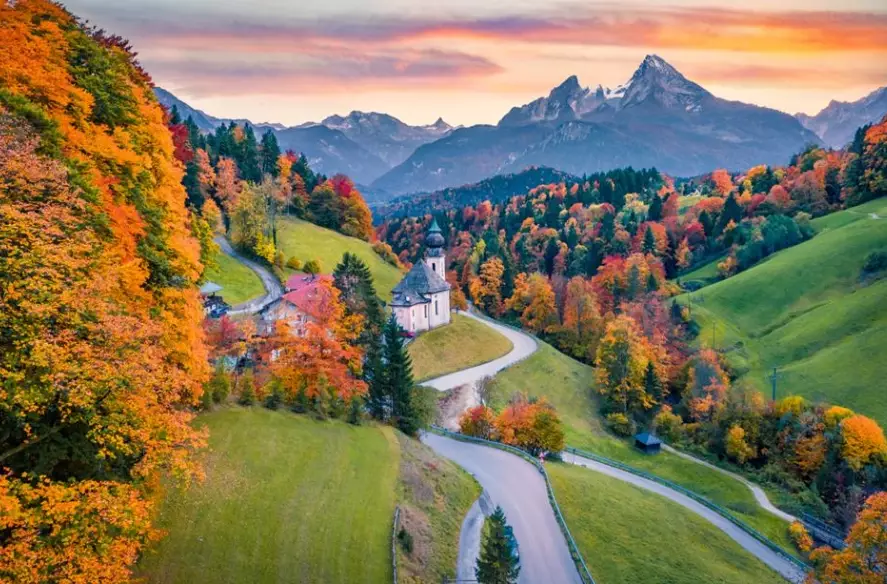
Your Road Trip Navigator
The 5 Best Driving Roads in Germany (Ranked by Driving Thrill & Scenery)
Picking just five is tough, but these routes consistently deliver the perfect blend of driving engagement, jaw-dropping views, and cultural stops. Here’s a quick comparison before we dive deep.
| Road Name | Region | Distance (Core Route) | Best Time to Drive | Core Experience |
|---|---|---|---|---|
| 1. German Alpine Road (Deutsche Alpenstraße) | Bavarian Alps | ~450 km | May-Oct (Summer/Fall) | Mountain passes, crystal lakes, postcard villages. |
| 2. Romantic Road (Romantische Straße) | Bavaria & Baden-Württemberg | ~350 km | Apr-Jun, Sep-Oct (Shoulder Seasons) | Medieval towns, castles (Neuschwanstein), rolling hills. |
| 3. Black Forest High Road (Schwarzwaldhochstraße) | Black Forest | ~60 km | Year-round (Each season offers something) | Dense forests, panoramic vistas, spa towns. |
| 4. Moselle Valley Roads (Mosel) | Rhineland-Palatinate | Varies (River following) | Mar-Nov (Avoid Feb floods) | River bends, steep vineyards, historic wineries. |
| 5. Castle Road (Burgenstraße) | Baden-Württemberg to Bavaria | ~1,200 km (Pick a section) | Spring to Fall | Concentration of castles and palaces. |
1. German Alpine Road (Deutsche Alpenstraße): The Ultimate Mountain Drive
Start: Lindau (Lake Constance) | End: Berchtesgaden (Königssee) | Distance: ~450 km | Suggested Time: 3-5 days minimum.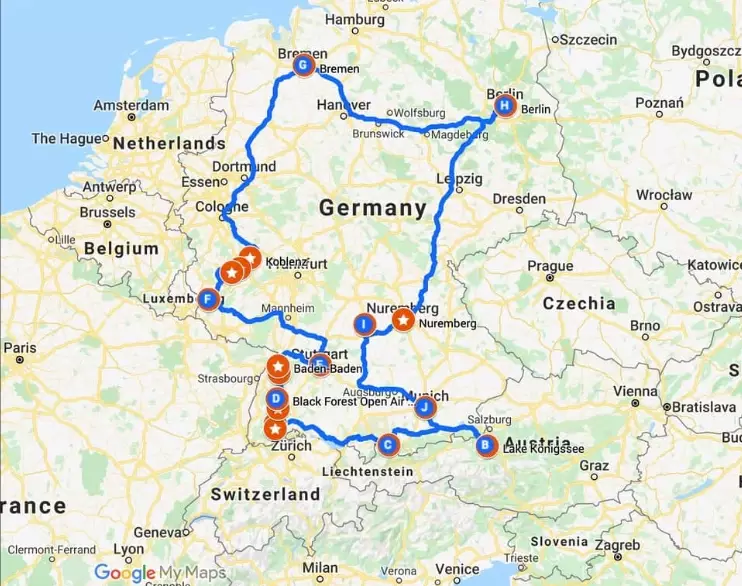
This is Germany's driving masterpiece. It's not one road, but a curated series of Alpine passes, lakeside runs, and valley roads. The driving is active and rewarding, with countless hairpin turns and elevation changes. Most people rush through. Big mistake.
The secret? Spend a night in Oberstdorf and take the early morning drive up to the Nebelhorn or Fellhorn. You'll have the winding road to yourself before the day-trippers arrive. The stretch between Garmisch-Partenkirchen and the Austrian border at Ehrwald, passing the Zugspitze, is engineering marvel. Don't just stare at the GPS; pull over at the designated Ausblick (viewpoint) spots. They're there for a reason.
A common error is sticking rigidly to the B309/B305. Detour onto the smaller roads like the one from Ruhpolding to Reit im Winkl. It's narrower, quieter, and feels more authentic.
2. The Romantic Road (Romantische Straße): Timeless Charm (With Caveats)
Start: Würzburg | End: Füssen (Neuschwanstein) | Distance: ~350 km | Suggested Time: 2-4 days.
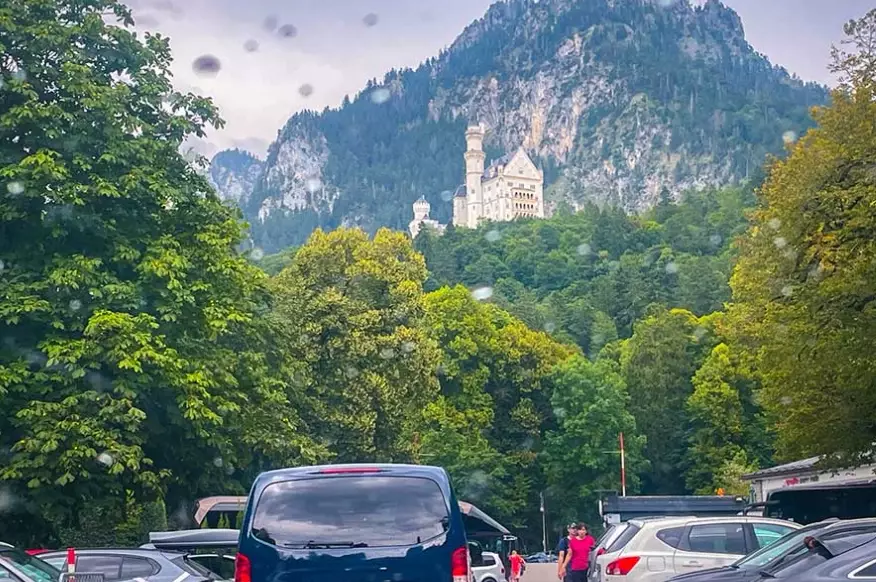
Yes, it's touristy. But there's a reason. This route connects Germany's most iconic medieval and rococo treasures. The driving itself between towns is pleasant but not thrilling—gentle hills and farmlands. The magic is in the stops: Rothenburg ob der Tauber (go early or stay late to avoid the midday crush), Dinkelsbühl's intact walls, and the climax at Neuschwanstein Castle.
My non-consensus tip? Most drivers follow the main B25 and B17. For a more engaging drive, between Feuchtwangen and Dinkelsbühl, take the smaller St 2218. It winds through quieter farmland and feels like you've discovered it yourself. Also, book castle tickets for Neuschwanstein weeks in advance via the official Hohenschwangau website. Driving up to the castle is restricted; you must park in the paid lot and walk or take a shuttle.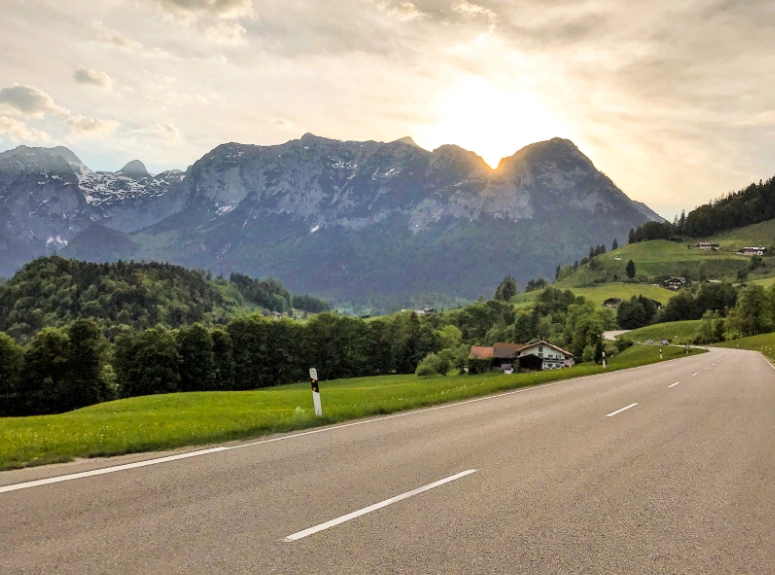
3. Black Forest High Road (Schwarzwaldhochstraße B500): The Panoramic Cruiser
Start: Baden-Baden | End: Freudenstadt | Distance: ~60 km | Suggested Time: 1 day (with stops).
This is a relaxed, high-elevation cruise along the crest of the northern Black Forest. The road is wide, well-maintained, and offers staggering views over the Rhine Valley. It's perfect for a convertible or a comfortable grand tourer. Don't expect tight switchbacks; expect long, sweeping curves and vast vistas.
The Mummelsee, a small glacial lake, is a popular stop but can be crowded. For a better experience, hike 20 minutes from the Hornisgrinde tower for an unobstructed view. In winter, this road is meticulously cleared and offers a stunning, snow-blanketed drive—just ensure you have winter tires (a legal requirement in winter conditions).
4. Moselle Valley (Mosel): The Flowing, Winding Alternative to the Rhine
Everyone knows the Rhine, but the Moselle is its more intimate, twisty sibling. The roads (like the B49 and B53) follow the river's relentless loops, meaning constant steering input and new views around every bend. The valley is narrower, steeper, and feels more enclosed than the Rhine.
Base yourself in Cochem or Bernkastel-Kues. The drive from Cochem to Trier is superb. Stop at a Straußwirtschaft – a temporary, family-run wine tavern. They operate only for a few weeks a year when the wine is ready. Look for a broom or a wreath over the door. It's the antithesis of a planned tour bus stop.
Be warned: During the February/March snowmelt, parts of the road can flood. Check local traffic reports (ADAC is the German automobile club authority) before setting out in late winter.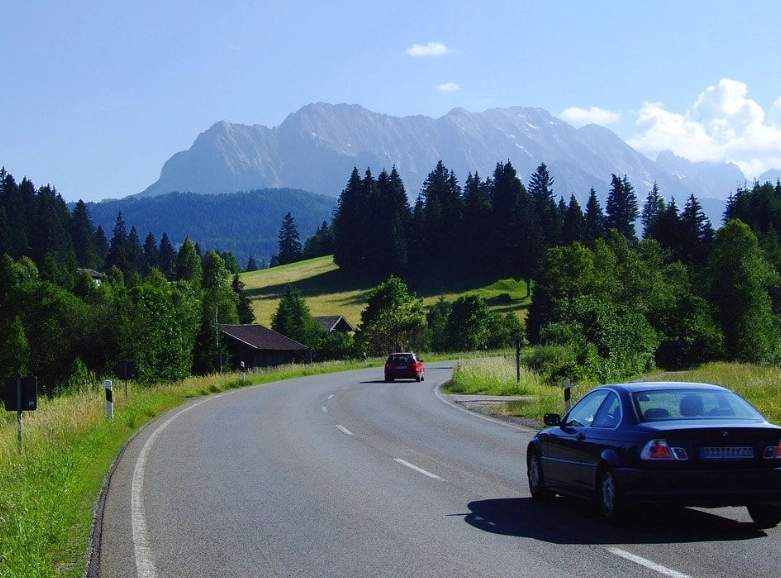
5. Castle Road (Burgenstraße): For History Buffs Who Drive
Stretching from Mannheim to Prague, the German section is littered with over 70 castles. You can't drive it all in a meaningful way. Pick a segment. The stretch between Heidelberg and Nuremberg is particularly rich.
Heidelberg Castle is the famous start. But the driving highlight is the region around Ansbach and the Franconian Switzerland. The roads here (like the B470) become surprisingly fun, weaving through rocky outcrops and past smaller, often empty castles like Burg Rabenstein. It’s a route where you plan your driving around your castle visits, not the other way around. Check opening hours meticulously—many smaller castles close on Mondays or have limited winter hours.
How to Plan Your German Driving Road Trip?
Planning is everything. A spontaneous detour can be magical, but not knowing basic rules can ruin your trip.
Renting the Right Car
Don't just get the cheapest econobox. For Alpine roads, you want something with adequate power for climbing and stable handling. A compact SUV or a sporty wagon is ideal. Always specify manual or automatic transmission—Europe has far more manuals, and getting switched at the counter is common. Inspect the car for existing damage with your phone video. Crucially, ensure your rental contract allows driving in all neighboring countries if you plan to dip into Austria or Switzerland (many Alpine passes cross borders).
Understanding German Road Rules
No speed limit on some autobahn sections is true, but it's not a free-for-all. Look for the white sign with five diagonal lines. When you see it, the limit is lifted. But large stretches have permanent limits (120 km/h is common). The right lane is for driving, the left is for passing only. Camping in the left lane is a major faux pas and will earn you aggressive flashing headlights. In towns, the Umweltzone (Environmental Zone) requires a specific emissions sticker (Feinstaubplakette). You can buy it online or at most gas stations. Your rental car should have one, but verify.
Budgeting and Accommodation
Gas is expensive (around €1.80-€2.00 per liter for Super/E10). Tolls are minimal (mainly for some tunnels and bridges, like the Herrentunnel near Lübeck). Budget more for unique stays. Instead of chain hotels, look for Gasthöfe (family-run inns) in villages. They often include breakfast and have free parking. Booking.com or Airbnb are good, but for the best places, sometimes a direct phone call works wonders, especially for smaller properties.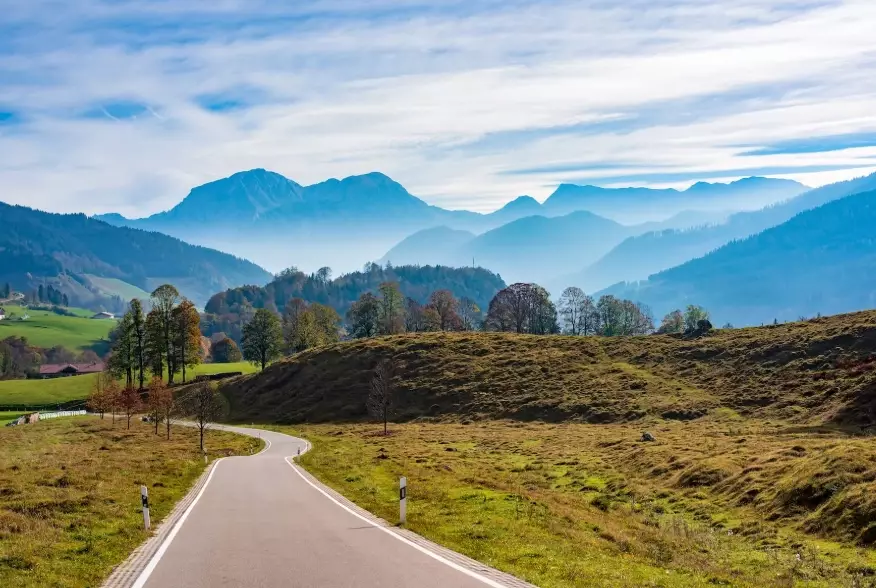
What Are the Essential Tips for Driving on German Roads?
This is the stuff you learn by doing, often after making a mistake.
**First, roundabouts. ** They are everywhere. You yield to traffic already in the roundabout. Signal right just before you take your exit. It seems simple, but under pressure, many tourists panic and stop inside the roundabout.
**Second, parking. ** Colored curb lines mean something: yellow is for residents only, blue is for paid parking with a disc (Parkscheibe—set your arrival time), and white is usually free but check signs. Parking garages (Parkhaus) are plentiful but pricey in cities. In scenic areas, park only in designated bays. Pulling onto the grass shoulder can get you fined and is dangerous.
**Finally, the unspoken rule of the autobahn. ** If you're in the left lane and a car comes up behind you at twice your speed, move over immediately, even if you're already going fast. It's about safety and flow. Mirrors, signal, shoulder check, move. Don't take it personally.
Your German Road Trip Questions Answered
 Can I drive these scenic roads in Germany during winter?