Explore the Path
Let's talk about walking tours in Germany. I mean, is there a better way to really get under the skin of a place? You're not just seeing it from a bus window or rushing from one landmark to the next on a tight schedule. You're smelling the fresh bread from the bakery, hearing the cobblestones under your feet, and actually having time to stop and wonder about that strange little statue on the corner of a building. Germany, with its deep history, stunning natural landscapes, and incredibly walkable cities and towns, is practically designed for exploration on foot.
I've done a few of these tours myself over the years, some fantastic, some... well, let's just say they were a good lesson in what not to book. That experience is exactly why I wanted to put this guide together. It's the info I wish I'd had before my first trip. We're going to move beyond the basic list of tours and dive into the real nuts and bolts: how to pick the right one for you, what to realistically expect, and how to avoid the common pitfalls that can turn a great idea into a long, frustrating day.
What Kind of Walking Tours in Germany Are Out There?
This is the first big decision. "Walking tour" can mean a dozen different things. Picking the wrong type is the fastest way to be disappointed. Are you imagining a gentle two-hour amble through a medieval town square, or a week-long trek through the Alps with a heavy backpack? Both are valid, but they're worlds apart.
City & Cultural Walking Tours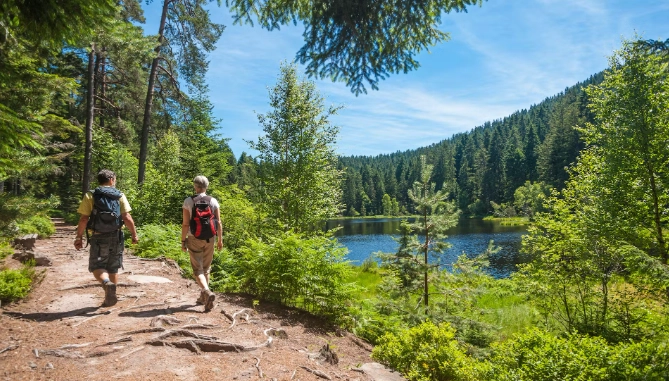
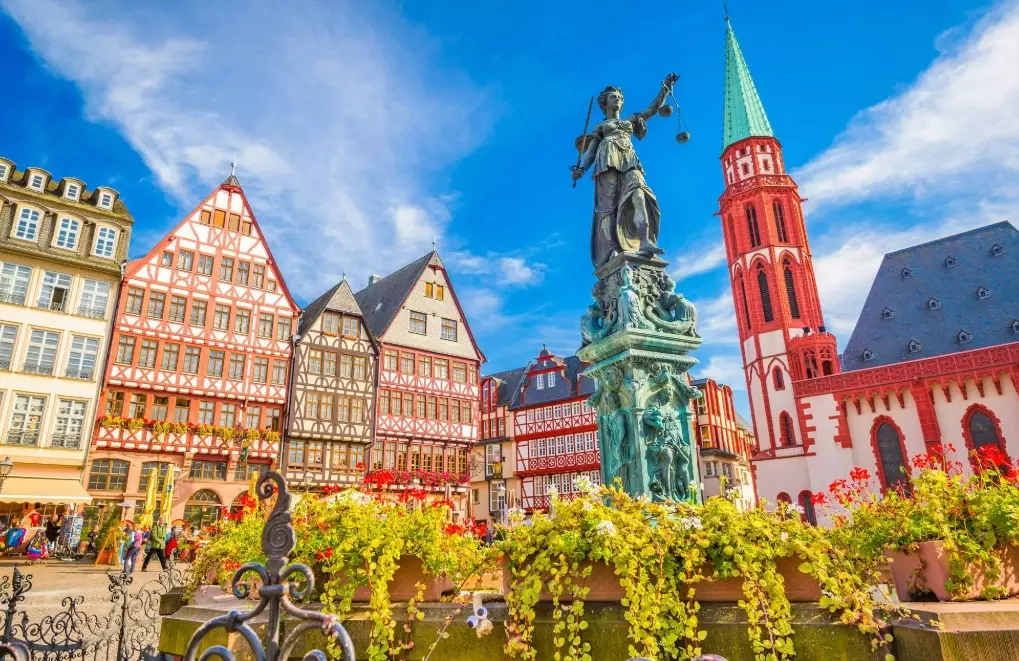
These are the most popular and accessible options for most travelers. Think Berlin, Munich, Hamburg, Cologne. You'll usually have a local guide leading a small group (or sometimes it's just you on a private tour) through the historic core, pointing out landmarks, sharing stories, and giving context you'd never get from a guidebook.
- Free Walking Tours: Very common, especially in big cities. You join for free and tip the guide at the end based on what you thought it was worth. Pros: Low commitment, great for budget travelers, often cover major highlights. Cons: Groups can be huge (30+ people), the guide's income depends on tips so they might rush or overly entertain, and the route is almost always the same basic tourist trail. I did one in Berlin that was fun, but we spent half the time just trying to stay within earshot.
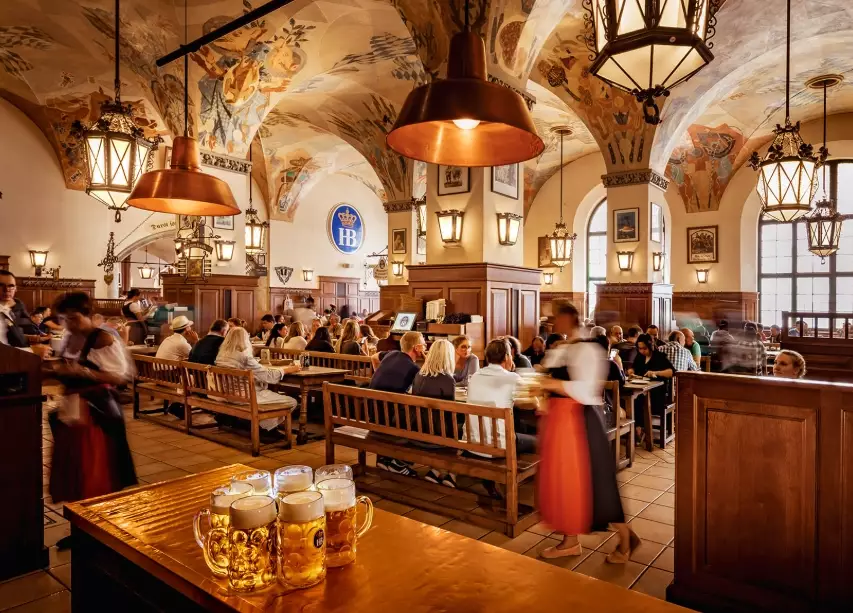
- Paid Thematic Tours: This is where it gets interesting. These tours focus on a specific topic. Third Reich history in Berlin, beer and brewery history in Munich, street art in Hamburg, or even haunted stories and legends. You pay a set fee upfront. The groups are often smaller, the guides are more specialized, and you go much deeper. If you have a specific interest, this is almost always the better choice.
- Self-Guided Audio Tours: Apps and audio guides offer maximum flexibility. You go at your own pace, pause for coffee, and skip parts you're not interested in. The downside? No one to ask questions. They can also feel a bit isolating compared to the social aspect of a group tour.
Scenic & Long-Distance Hiking Tours
This is Germany's other great strength. We're talking about multi-day adventures where the journey itself is the destination. You walk from village to village, often with your luggage transported ahead by a tour company, staying in cozy guesthouses (Gasthöfe) along the way.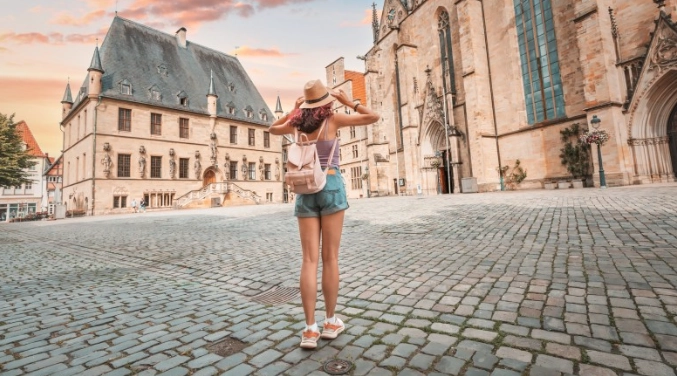
Here are the absolute classics, the ones that consistently top the lists for the best walking tours in Germany:
| Trail Name | Region | Key Characteristics | Best For |
|---|---|---|---|
| Romantic Road (Romantische Straße) | Bavaria & Baden-Württemberg | Fairytale castles (Neuschwanstein!), medieval towns like Rothenburg ob der Tauber, vineyards. | First-timers, culture lovers, photographers. It's iconic for a reason. |
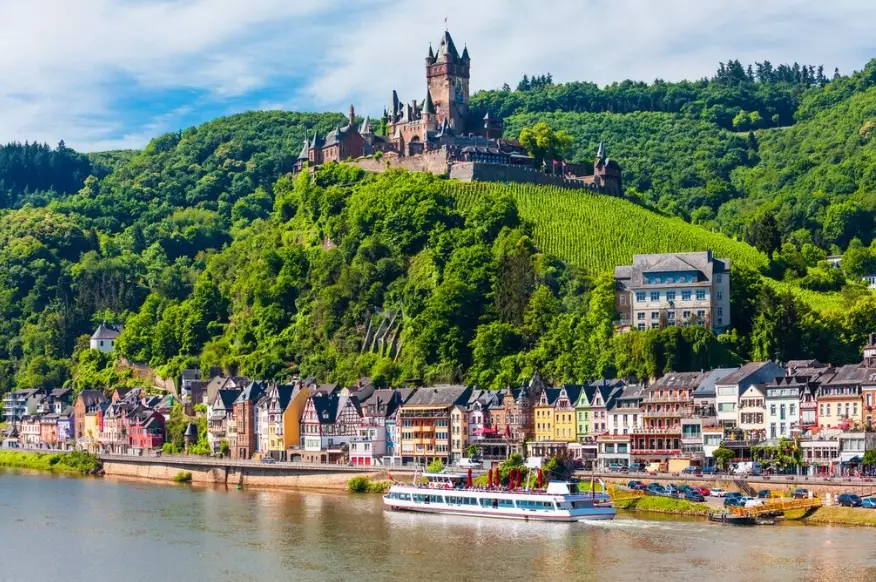
| Moselle Valley (Moseltal) | Rhineland-Palatinate | Gentle riverside paths, steep vineyard slopes, world-class Riesling wine villages (Cochem, Bernkastel-Kues). | Foodies, wine enthusiasts, those wanting a relaxed, scenic stroll. |
| Rennsteig | Thuringia & Bavaria | Germany's oldest and most famous long-distance trail. Follows a ridge through the Thuringian Forest, dense woods, historic boundary stones. | Serious hikers, history buffs, lovers of deep, quiet forests. |
| King Ludwig's Way (König-Ludwig-Weg) | Upper Bavaria | Links the famous castles of Neuschwanstein and Linderhof, alpine foothills, stunning lakes like the Ammersee. | Castle fans, those who want alpine views without extreme climbs. |
| Harz Witches' Trail (Harzer Hexenstieg) | Harz Mountains | Mystical, folklore-rich path across the Harz, passing the Brocken peak (associated with Walpurgis Night). | Atmospheric, moody hikes, folklore enthusiasts. |
You can tackle these independently if you're a confident planner, but many companies offer packaged walking tours in Germany along these routes. They book your accommodations, provide detailed maps and route notes, and handle luggage transfer. It takes a massive logistical headache off your plate.
Special Interest & Niche Tours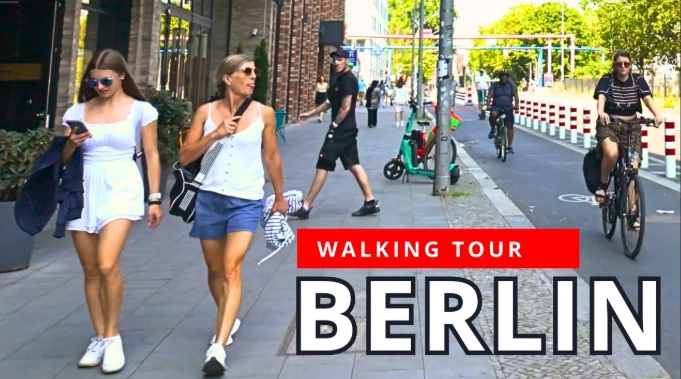
This category is exploding in popularity. It's all about connecting a walk to a deeper passion.
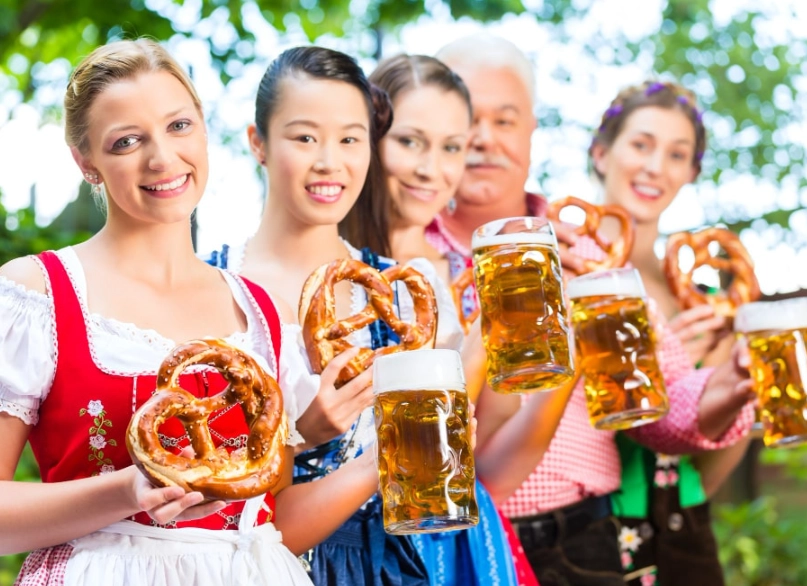
- Food & Drink Tours: More than just a beer hall visit. Think guided tours of the vineyards in the Rhine Valley with tastings at family-run wineries, or a "Schnitzel and Stories" tour in Munich that combines food stops with history.
- Photography Walks: A guide who is also a photographer takes you to the best spots at the right time of day for light, teaching you how to capture the city or landscape. Great if you want to move beyond smartphone snapshots.
- Architecture Tours: From Bauhaus in Dessau and Weimar to the modern marvels of Frankfurt's skyline, these tours deconstruct Germany's fascinating architectural journey.
How to Choose the Right Walking Tour for YOU
Alright, you're sold on the idea. Now, how do you sift through the hundreds of options? Throwing a dart at a list isn't a great strategy. Ask yourself these questions before you even start looking.
What's your travel style? Do you thrive in a group, making friends over a shared experience? Or do you value solitude and moving at your own whim? Group tours offer camaraderie and fixed schedules. Self-guided tours offer freedom but require more personal responsibility.
What's your budget really? Factor in everything. A "free" tour still needs a tip (€10-20 per person is standard). A paid multi-day tour might seem expensive upfront, but it often includes accommodation, some meals, luggage transfer, and guide support, which can work out to be reasonable value.
Deep dive into reviews, but read them critically. Don't just look at the star rating. Read the 3-star reviews. They're often the most balanced. What did people complain about? Was it the weather (unfair), the guide's accent (unfair), or that the tour was overcrowded and rushed (very fair)? Look for repeated comments about specific positives or negatives.
Key Red Flags to Watch For
- Vague Itineraries: "See the highlights of the Black Forest." Which ones? How long will we spend? A good tour description is specific.
- Unrealistic Promises: "See all of Berlin in 2 hours!" You can't. You'll just see a blur.
- No Clear Meeting Point or Guide Description: How will you find them? A professional operation provides clear logistics.
- Extremely Low Prices for Multi-Day Tours: If it seems too good to be true, it probably is. They might be cutting corners on accommodation quality or guide expertise.
Planning & Practical Tips: Don't Get Caught Out
This is the boring but essential stuff that makes or breaks your trip. Trust me, comfortable feet are the foundation of a happy walking tour in Germany.
Footwear is Everything: This isn't the place for new shoes. Break them in weeks before you go. For city tours, supportive walking shoes or sneakers are fine. For any trail walking, proper hiking boots or trail shoes with good grip are mandatory. My personal rule? If the tour description has the word "trail," "path," or "forest" in it, wear hiking shoes.
The Packing Shortlist: Beyond clothes, remember: a refillable water bottle (German tap water is excellent), a small backpack, weather-appropriate layers (a light rain jacket is a lifesaver), sunscreen, a power bank for your phone, and cash (many smaller cafes and guides still prefer it, especially for tips).
When to Go: Late spring (May-June) and early autumn (September-October) are arguably the best times for walking tours in Germany. The weather is mild, the summer crowds have thinned, and the landscapes are beautiful—spring flowers or fall colors. Summer can be hot and crowded, especially on popular trails and in cities. Winter offers its own charm with Christmas markets, but daylight is short and some trails may be closed or require special equipment.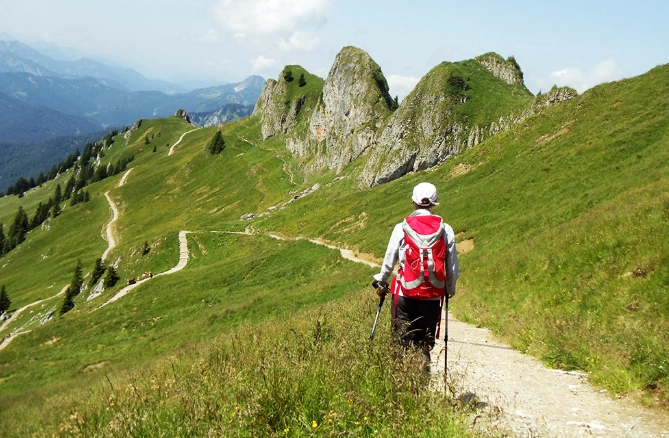
Language: Don't worry. English is widely spoken, especially in the tourism industry. Guides on English-language tours are fluent. Learning a few basic German phrases (Hallo, Danke, Bitte, Tschüss) is always appreciated and polite.
Resources for the Independent Planner: If you're crafting your own trip, these are goldmines of reliable information.
- The official German National Tourist Board website is a fantastic starting point for inspiration and general info.
- For serious hikers, the Wanderbares Deutschland (Hikable Germany) portal, often supported by the German Hiking Association (Deutscher Wanderverband), provides certified trail quality standards and route ideas.
- For long-distance trails, the Outdooractive platform is like the Google Maps for hiking, with detailed maps, elevation profiles, and user reviews.
Frequently Asked Questions (The Stuff You're Actually Wondering)
Are walking tours in Germany worth it for solo travelers?
Absolutely. In fact, they can be ideal. You get built-in company and social interaction if you want it, without the pressure of having to make all the plans yourself. Many tour companies offer single rooms for a supplement, or can match you with a same-gender roommate on group tours to avoid the cost. I've met some wonderful people on group walks.
What if I'm not a fast walker or have mobility issues?
This is a crucial question. Many standard group tours assume a certain pace. The key is to communicate beforehand. Look for tours explicitly labeled "leisurely," "accessible," or "senior-friendly." Contact the tour operator directly, describe your situation, and ask if the tour is suitable. They will be honest. Some cities also offer specialized accessible tours. Don't try to force yourself onto a strenuous tour—it won't be enjoyable for you or the group.
How do I handle meals and water on long-distance hikes?
On packaged tours, breakfast is almost always included, and dinners are often included or arranged at your guesthouse. Lunches are typically on your own. You'll pass through villages where you can stop at a bakery (Bäckerei) for sandwiches or a gasthof for a hot meal. Always carry some snacks (nuts, fruit, muesli bars). As for water, you can refill your bottle at your accommodation and often at public fountains in villages. On some remote trails, you might need to carry more or purify water from streams—your tour notes should specify this.
Can I just show up for a free walking tour?
Usually, yes, but it's becoming more common for even the "free" tours to require online reservation to manage group sizes. Always check the specific company's website. For any paid tour, booking in advance is essential, especially in peak season.
What's the tipping etiquette?
For free tours, tipping is how the guide gets paid. €10-20 per person is a standard range for a good 2-3 hour tour. For paid tours with a set fee, tipping the guide is still a nice gesture for exceptional service, but it's not as expected. €5-10 per person per day for a multi-day guide is a generous thank-you. In restaurants, rounding up the bill or leaving 5-10% is customary if service wasn't included.
My Final Take: Making Your Decision
Choosing the right walking tour in Germany comes down to aligning the experience with your personal travel goals. If you have just a day or two in a city, a thematic paid tour will give you more depth than a giant free tour. If you crave immersion and physical accomplishment, a multi-day hiking tour on a trail like the Moselle or Romantic Road is unforgettable.
The infrastructure in Germany for walkers is second to none—well-signed paths, plentiful accommodation, and a culture that respects and encourages exploring on foot. Do your homework, be honest about what you want, pack the right shoes, and go. The path is waiting.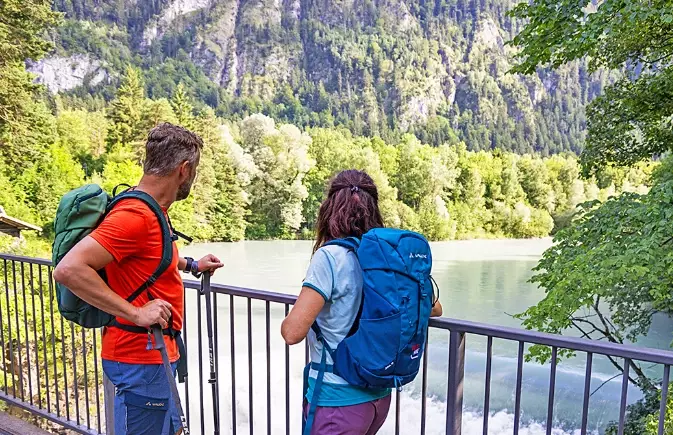
Start by browsing the official tourism sites for the regions that intrigue you most. Read those detailed descriptions. Compare a few operators. And then just book it. Your feet (and your travel memories) will thank you later.