In This Guide
- The Heart of the Matter: Core Dishes You Have to Try
- A Regional Tour: Germany's Food is Not a Monolith
- Bread, Cake, and the Art of German Baking
- How to Eat Like a Local: The Rules of the Table
- Your German Food FAQ: Answering the Real Questions
- Must-Try German Dishes: A Quick-Reference Table
- Bringing German Food Home
So you think you know German food? Let me guess: sausages, pretzels, maybe some sauerkraut, and a whole lot of beer. That's the postcard version, the one you see at every Oktoberfest-themed party. I thought the same thing before I spent a summer wandering from the vineyards of the southwest to the fishing ports of the north. What I found completely changed my mind.
German cuisine is a story of geography, history, and pure, unadulterated comfort. It's hearty, yes, but the depth of regional variation is staggering. It's food that makes sense when you understand the climate—cold winters demand sustenance—and the proud local identities that have persisted for centuries. This isn't just about eating; it's about understanding a culture through its plate.
And look, it's not all light salads and delicate bites. Some of it is gloriously, unapologetically heavy. But within that heartiness lies incredible diversity, from the wine-infused dishes of the Rhine Valley to the seaboard flavors of the Baltic coast. Let's peel back the layers of the bratwurst stereotype and get into what German food really is.
The Heart of the Matter: Core Dishes You Have to Try
Okay, we can't talk about German food without acknowledging the classics. These are the pillars, the dishes that have earned their national fame. But even here, there's more nuance than you'd expect.
The Meat of the Conversation
Let's start with the elephant in the room: Wurst. Saying "German sausage" is like saying "American cheese"—it's a massive category. There are over 1,500 varieties. The most famous is probably the Bratwurst, a fine-grained pork sausage, often grilled and served in a crusty roll with mustard. But then you have the white Weißwurst from Bavaria, a veal and parsley sausage you're supposed to eat before noon, peeling the skin off. Or the currywurst of Berlin, chopped sausage doused in a spiced ketchup-curry powder sauce, a beloved street food born after the war.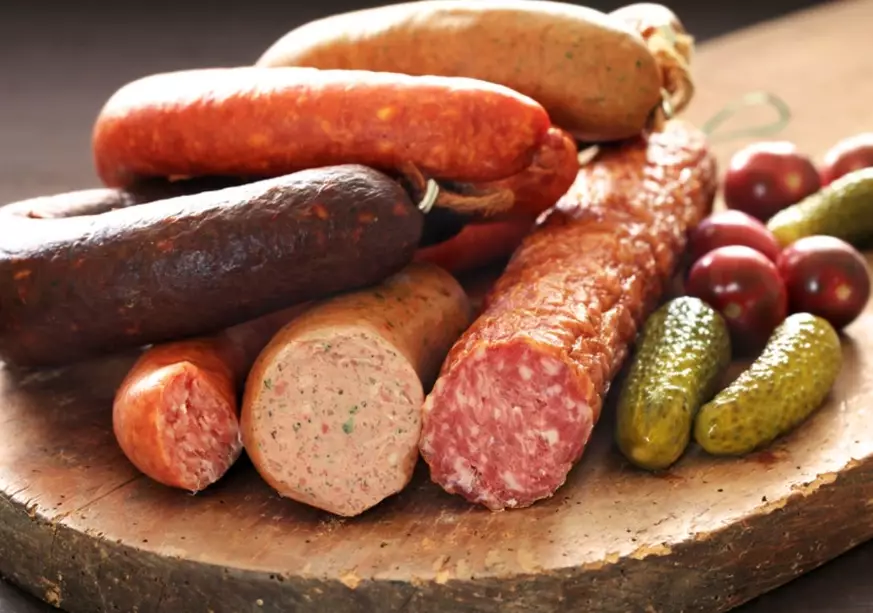
My personal favorite, though, is Sauerbraten. This isn't a quick meal. It's a pot roast, traditionally beef (sometimes horse or venison), marinated for days in vinegar, wine, and spices until it becomes incredibly tender and carries a complex, sweet-sour tang. It's served with a rich gravy, red cabbage, and potato dumplings. It’s a Sunday dinner, a labor of love. The first time I had it, the depth of flavor was a shock—it’s nothing like a standard roast.
Then there's Schnitzel. Yes, it's Austrian in origin, but it's utterly claimed by southern Germany. A thin, pounded cutlet (traditionally veal—Wiener Schnitzel—but often pork), breaded and fried to a perfect golden crisp. It should be thin, covering the plate, with a light, airy crust. Served with a lemon wedge and maybe potato salad or fries. Simple, perfect.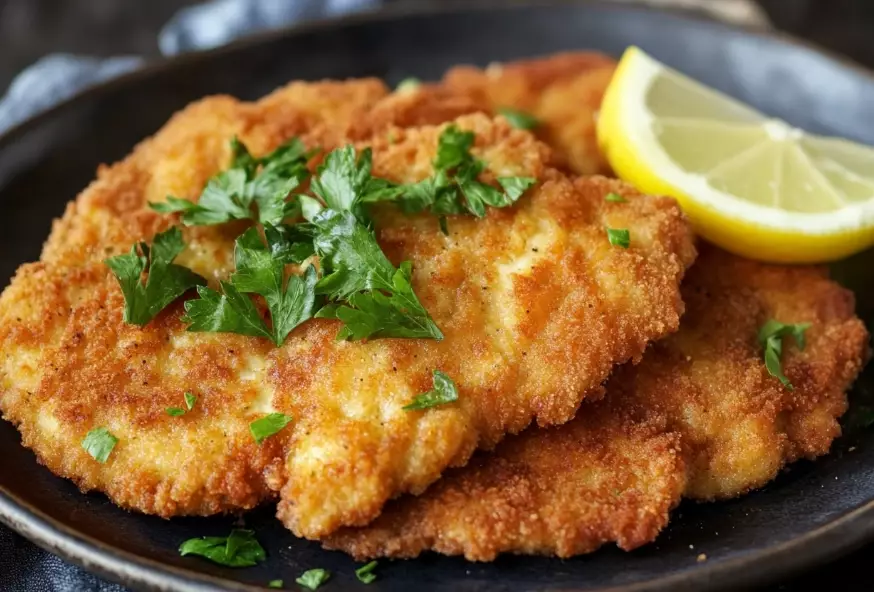
The Supporting Cast: Sides That Steal the Show
German food would be half of what it is without its legendary sides. This is where vegetables and potatoes get the royal treatment.
Sauerkraut is the most famous. Finely shredded white cabbage fermented with salt. The real stuff, fermented naturally, is tangy, crunchy, and packed with probiotics. It's a world away from the soggy, vinegary stuff sometimes sold in jars. It cuts through the richness of any meat dish beautifully.
Potato Dumplings (Kartoffelknödel) are a textural dream. Made from grated or mashed potatoes, they form soft, pillowy balls that soak up gravy like a dream. They're substantial, comforting, and a staple in Bavaria and beyond. Then you have Spätzle, a type of soft egg noodle from Swabia. They're chewy, irregularly shaped (often scraped by hand), and either served as a side or baked with cheese to make Käsespätzle—Germany's incredibly satisfying answer to mac and cheese, often topped with crispy onions.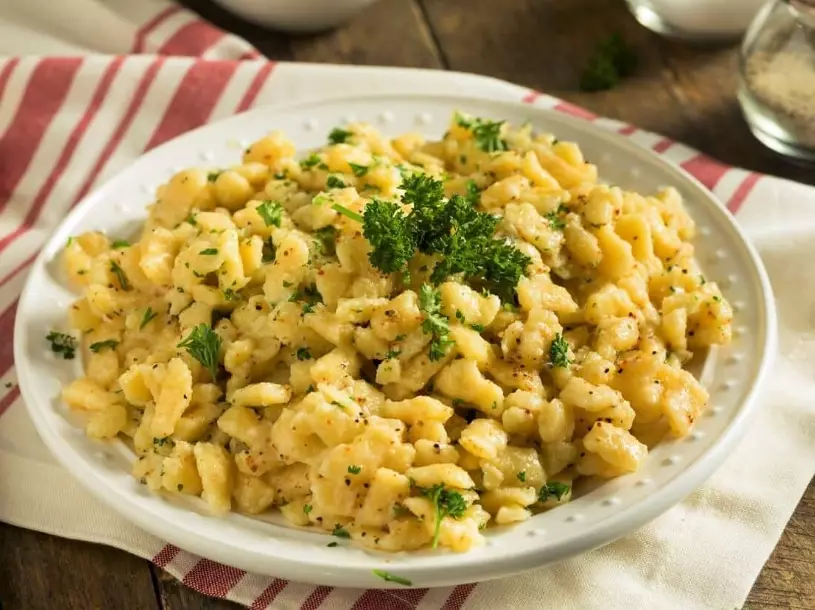
Red Cabbage (Rotkohl/Blaukraut) is another staple. Braised slowly with apples, onions, vinegar, and spices like cloves, it transforms into a sweet-sour, deeply purple side that adds a vibrant pop of color and flavor to any plate.
A Regional Tour: Germany's Food is Not a Monolith
This is the part most guides to German food skim over, but it's the most important. Germany was a patchwork of kingdoms and duchies for most of its history, and that local pride lives on in the kitchen. What you eat in Hamburg is fundamentally different from what you eat in Munich.
Northern Germany: Coastal & Earthy Flavors
Up here, near the North and Baltic Seas, the food is lighter, influenced by the water and Scandinavia. You'll find less pork and more fish, lamb, and even goose.
Labskaus is a must-mention. It looks... challenging. A pinkish mash of corned beef, beetroot, potatoes, and herring, topped with a fried egg and pickles. It was sailors' food, designed to be hearty and last. It's an acquired taste, but it's a genuine piece of maritime history on a plate. Fischbrötchen is the everyday hero: a fresh fish fillet (often pickled herring, mackerel, or smoked salmon) tucked into a crusty roll with raw onions, pickles, and a creamy sauce. The ultimate quick, fresh, and satisfying lunch by the harbor.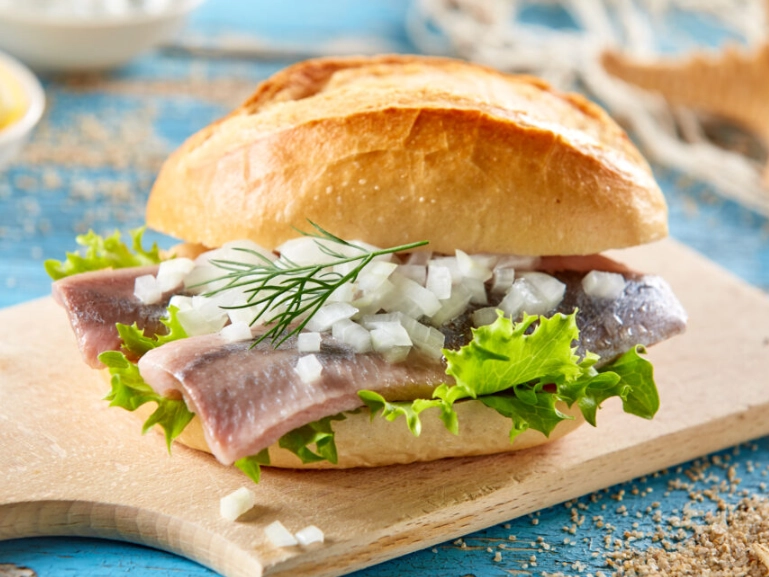
Vegetables like kale (Grünkohl) are winter stars, stewed for hours with smoked sausage and mustard. It's a far cry from the kale salads of today—this is deep, savory, and hearty.
Southern Germany (Bavaria & Swabia): The Heart of Hearty
This is the land of the stereotypes, but for good reason. The food is robust, designed for mountain air and cold winters.
Beyond the universal schnitzel and sausages, you have dishes like Schweinshaxe (the aforementioned crispy pork knuckle), Leberkäse (a finely ground meatloaf-like loaf, baked and served in thick slices), and those incredible dumplings and spätzle. Broths and soups are also big here. Leberknödelsuppe is a clear beef broth with a savory liver dumpling floating in it. Sounds intense, but it's deeply flavorful and warming.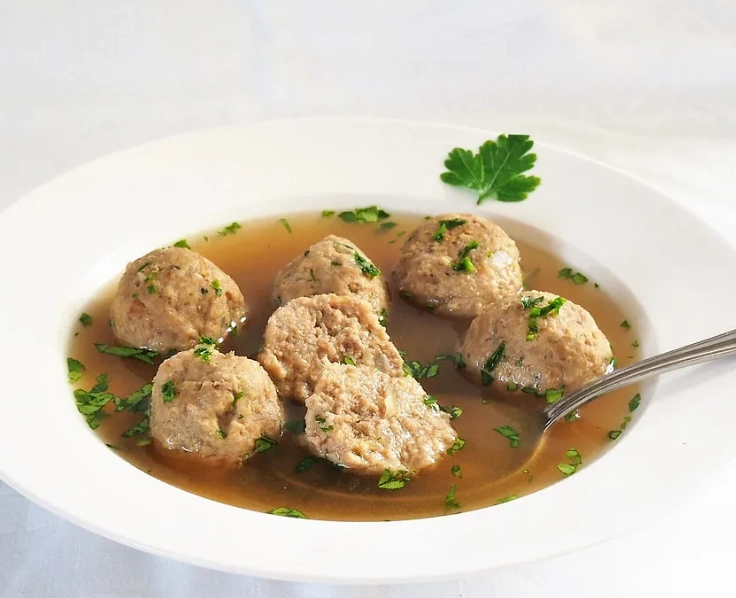
The influence of neighboring Austria and the Czech Republic is clear, with pastries and richer sauces playing a bigger role.
Western Germany (Rhineland, Baden, etc.): Wine, Onions, & Influence
This is where German food gets a touch more refinement, thanks to French influence and a thriving wine culture.
In the Rhineland, you'll find dishes like Himmel un Ääd ("Heaven and Earth"—black pudding with apples, onions, and mashed potatoes) and Reibekuchen (savory potato pancakes). But the real star is the wine. Dishes are often cooked with or paired with the local Rieslings and Pinot Noirs (Spätburgunder). The food can be a bit lighter, with more sauces and reductions. In Baden, near the Black Forest, game meats, trout, and of course, Black Forest Gateau (Schwarzwälder Kirschtorte)—a decadent chocolate-cherry-kirschwasser creation—reign supreme.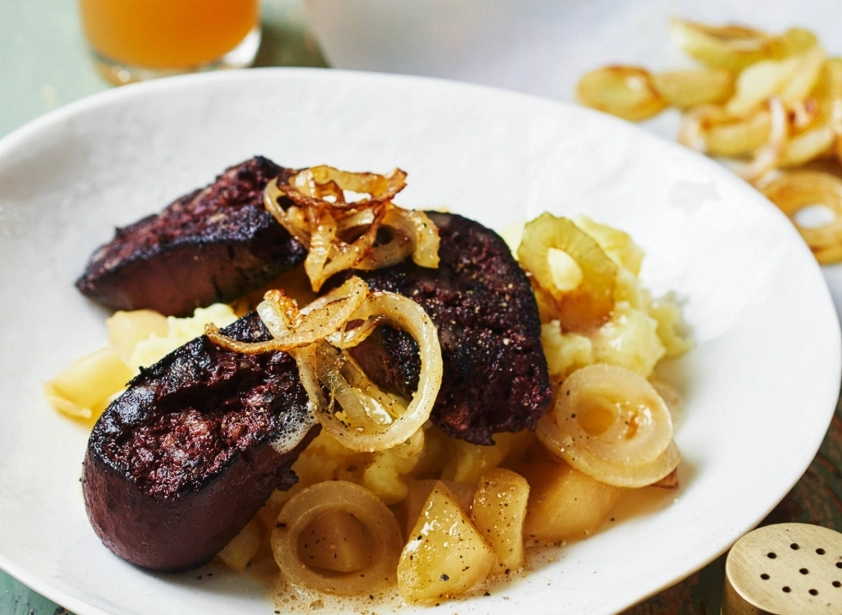
I remember sitting in a wine tavern in the Mosel Valley, eating a simple plate of Zwiebelkuchen (a savory onion and bacon tart) with a glass of new wine. It was simple, seasonal, and utterly perfect—a side of German food you never hear about.
Eastern Germany: Hearty with a Unique History
The cuisine here shares similarities with its Slavic neighbors. It's hearty, with lots of root vegetables, cucumbers, and mushrooms. Dishes like Soljanka (a sour, spicy meat or fish soup) and Eisbein (pickled ham hock) are classics. Senfeier (hard-boiled eggs in a creamy mustard sauce) is a simple, comforting dish that showcases the region's resourcefulness.
Bread, Cake, and the Art of German Baking
If there's one area where Germany has an undisputed world championship, it's bread. The official count from the German Bakers' Confederation is over 3,000 varieties of bread. Let that sink in. It's a cornerstone of every meal, from the dense, sour Pumpernickel (a Westphalian rye bread steamed for up to 24 hours) to the crusty, airy Bauernbrot (farmers' bread). A German breakfast or Abendbrot (evening bread) is a spread of fresh rolls (Brötchen) or sliced bread with cheeses, cold cuts, jams, and butter. The quality and variety are non-negotiable.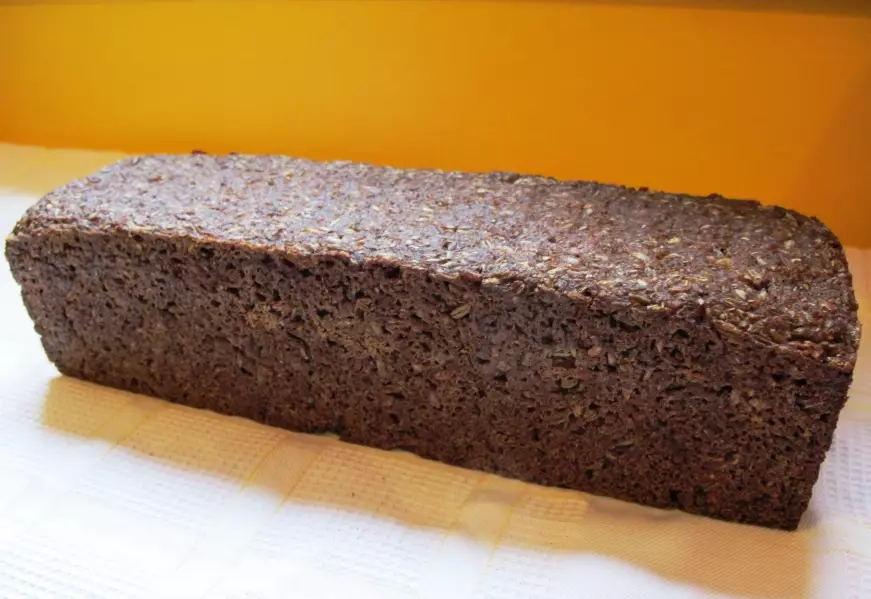
Then, there's cake (Kuchen). The afternoon coffee and cake ritual (Kaffee und Kuchen) is a sacred social tradition. It's not a rushed cupcake; it's a proper slice of cake, enjoyed slowly with friends and family.
Beyond the Black Forest Gateau, you have Apfelstrudel (flaky pastry filled with spiced apples), Bienenstich ("bee sting" cake—a yeasted dough with a honey-almond topping and vanilla cream), and Frankfurter Kranz (a ring-shaped buttercream cake). They're often less sweet than American cakes, focusing on the quality of the ingredients—real butter, fresh fruit, good chocolate.
How to Eat Like a Local: The Rules of the Table
Knowing the dishes is half the battle. The other half is navigating the customs. It's not overly strict, but a few pointers help you blend in.
Meal Times: Breakfast (Frühstück) is bread-based. Lunch (Mittagessen) is traditionally the main, hot meal of the day. Dinner (Abendessen or Abendbrot) is often lighter, cold cuts and bread, especially in families.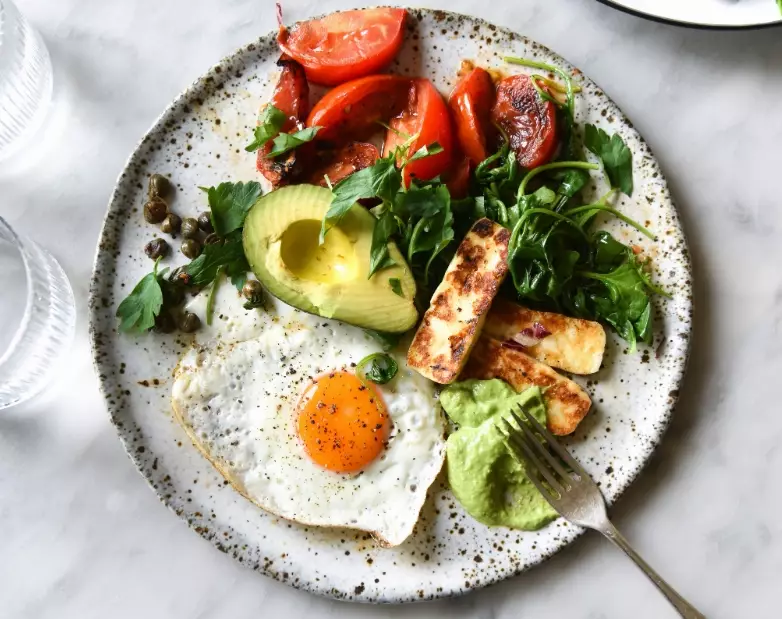
Drinks: Beer is, of course, a national treasure. But don't sleep on German wine, especially the Rieslings which are world-class. For non-alcoholic options, Apfelschorle (apple juice mixed with sparkling water) is the default refreshment for all ages. Water (Wasser) is usually ordered as bottled—still (still) or sparkling (mit Kohlensäure). Tap water isn't commonly offered or drunk in restaurants.
Paying: It's common to ask for the bill ("Zahlen, bitte"). The waiter won't bring it automatically, as rushing you is considered rude. Tipping is polite but modest—rounding up to the nearest euro or adding 5-10% is standard. You tell the server the total amount you want to pay (bill + tip) when they run your card or take your cash.
Portions: They are generally generous. Come hungry.
Your German Food FAQ: Answering the Real Questions
Based on what people actually search for and wonder about, here are some straight answers.
Must-Try German Dishes: A Quick-Reference Table
| Dish Name | What Is It? | Key Region | Best For... |
|---|---|---|---|
| Sauerbraten | Pot roast marinated for days, sweet-sour gravy. | Nationwide (Rhine classic) | A deep, complex flavor experience. |
| Bratwurst | Grilled fine pork sausage. | Nationwide (Franconia famous) | The iconic street food bite. |
| Wiener Schnitzel | Breaded, fried veal/pork cutlet. | Southern Germany | Crispy, simple perfection. |
| Käsespätzle | Cheesy egg noodles with crispy onions. | Swabia (Southwest) | The ultimate vegetarian-friendly comfort food. |
| Fischbrötchen | Fish fillet in a crusty roll. | Northern Germany | A fresh, quick, and light lunch. |
| Schweinshaxe | Slow-roasted crispy pork knuckle. | Bavaria | A celebratory, indulgent meat feast. |
| Rouladen | Beef rolls stuffed with bacon, onions, pickle. | Nationwide | A classic, elegant home-cooked meal. |
| Black Forest Gateau | Chocolate, cherry, kirsch cream cake. | Black Forest (Baden) | A legendary dessert experience. |
Bringing German Food Home
You don't need to fly to Berlin to get a taste. Many core ingredients are available internationally. Look for good quality smoked sausages, real sauerkraut (refrigerated, not canned), German mustard (like a sharp Mittelscharf), and caraway seeds. Making a simple Bratwurst with onions, sauerkraut, and mashed potatoes is totally doable. Baking an Apfelkuchen (apple cake) is a wonderful weekend project.
The key is to start with quality components and embrace the simplicity. German food at its best isn't about fancy techniques; it's about great ingredients treated with respect and combined in time-tested, satisfying ways.
So, the next time someone says "German food," you'll know. It's the world's best bread. It's a crispy schnitzel covering a plate. It's a tart Riesling from a steep vineyard slope. It's a steaming plate of kale after a winter walk. It's a culture of regional pride, of taking time for a proper meal, and of finding profound comfort in a shared, hearty table.
It's so much more than just a sausage.