So you're thinking about Munich. Good choice. It's one of those cities that sneaks up on you. You might arrive for the beer and the lederhosen clichés, but you'll leave remembering the quiet English Garden canals, the smell of roasting chestnuts in the Viktualienmarkt, and that feeling of Gemütlichkeit – a cozy, welcoming warmth – that's genuinely hard to find elsewhere. This isn't just another list of sights. This Munich travel guide is the one I wish I'd had before my first trip, full of the stuff you actually need to know, plus a few opinions I've formed after spending more time there than I'd care to admit.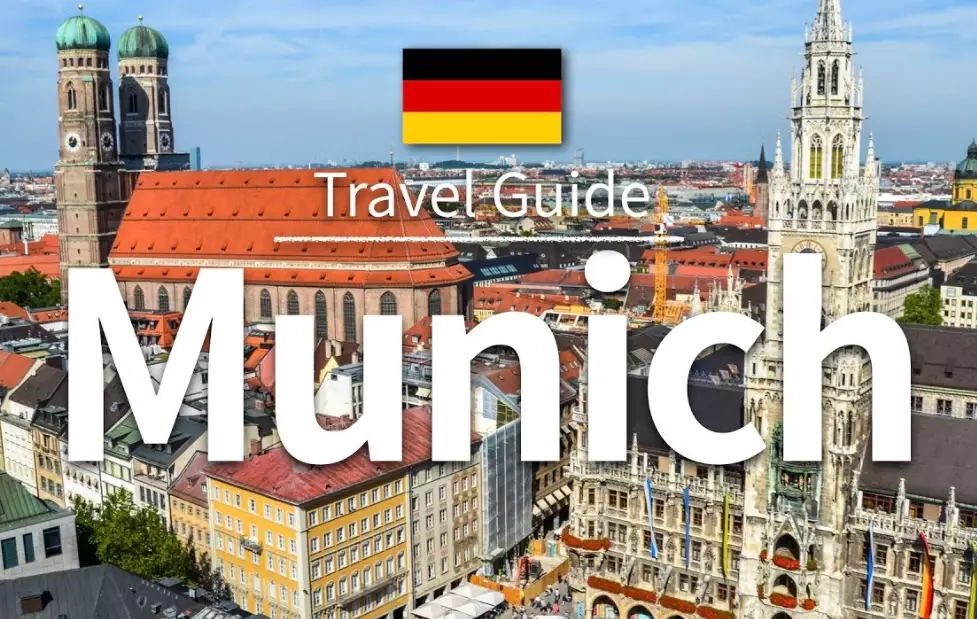
Let's get the obvious out of the way. Yes, the Oktoberfest is insane. Yes, the Hofbräuhaus is a spectacle. But Munich is so much more than a two-week beer festival. It's a city of stark contrasts – cutting-edge BMWs rolling past medieval gates, serene parks minutes from bustling shopping streets, and a traditional core that somehow feels effortlessly modern. Navigating those contrasts is the key to loving the place.
Quick Guide
First Things First: Planning Your Munich Adventure
Before you dive into the Marienplatz crowds, a bit of planning saves a lot of headache. Munich is efficient, but it pays to know the lay of the land.
When to Go (And When to Maybe Think Twice)
This is crucial. Munich's personality shifts dramatically with the seasons.
- Spring (April-June): My personal favorite. The chestnut trees blossom, the beer gardens reopen, and the city shakes off winter. The weather is mild, perfect for walking. Crowds are manageable before the summer rush.
- Summer (July-August): Peak tourist season. Long, sunny days are glorious for the Englischer Garten. But it's busy. Hotels are pricey, and you'll need reservations for everything. If you hate crowds, this might test your patience.
- Autumn (September-October): Obviously dominated by Oktoberfest (which is mostly in September, confusingly). The city is electric, packed, and expensive. It's a unique experience, but it's not the "real" Munich for two weeks. Late October, after the fest, is lovely and crisp.
- Winter (November-March): Cold and often gray, but magical around the Christkindlmarkt (Christmas market). January and February are quiet and cheaper. If you don't mind the cold and prefer museums to outdoor cafes, it's a great time.
Getting There and Getting Around
Munich Airport (MUC) is well-connected. The S-Bahn (commuter train) S1 or S8 will get you to the city center (Hauptbahnhof or Marienplatz) in about 45 minutes. A taxi is faster but costs around 70-80 Euros. For train travelers, the main station, München Hauptbahnhof, is a major hub with connections all over Europe.
Once in the city, forget about renting a car unless you're heading straight out to the countryside. Parking is a nightmare and expensive. Munich's public transport (MVV) is superb – clean, punctual, and comprehensive. It includes U-Bahn (subway), S-Bahn, trams, and buses.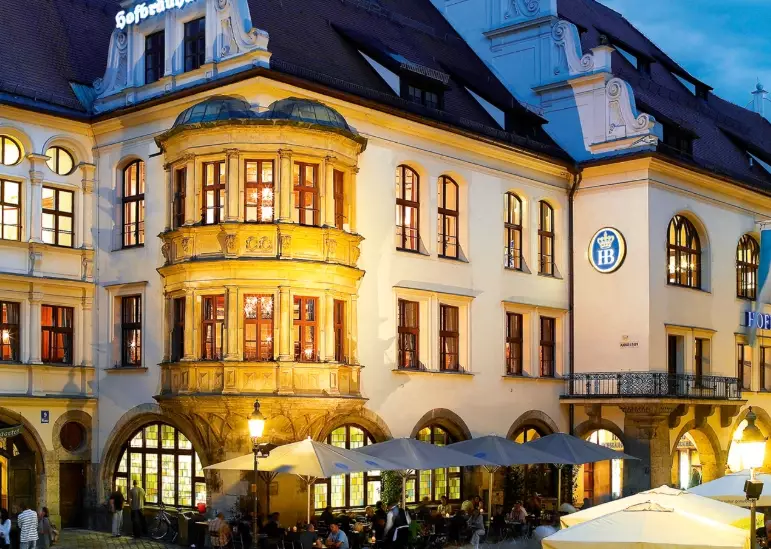
Here’s a quick breakdown of ticket types, because the system can confuse first-timers:
| Ticket Type | Best For | How It Works | Approx. Price (Zone M) |
|---|---|---|---|
| Single Ticket (Einzelfahrkarte) | A one-off journey | Valid for 3 hours in one direction with transfers. | €3.70 |
| Day Ticket (Tageskarte) | A full day of exploring | Unlimited travel from validation until 6 AM the next day. | €8.80 |
| Group Day Ticket (Gruppenkarte) | 2-5 people traveling together | Same as Day Ticket, but much cheaper per person. | €17.10 (for up to 5) |
| CityTourCard | Tourists wanting transport + discounts | Includes unlimited transport and small discounts at some attractions. | From €15.90 (1 day) |
You must validate your ticket in the blue stamping machines before you get on the train or tram. I've seen inspectors fine tourists who didn't know this. It's an expensive lesson.
The Heart of the City: Munich's Can't-Miss Sights
Alright, let's talk about what to actually see. This Munich travel guide would be useless without the classics, but I'll give you my honest take on each.
Marienplatz & the New Town Hall (Neues Rathaus)
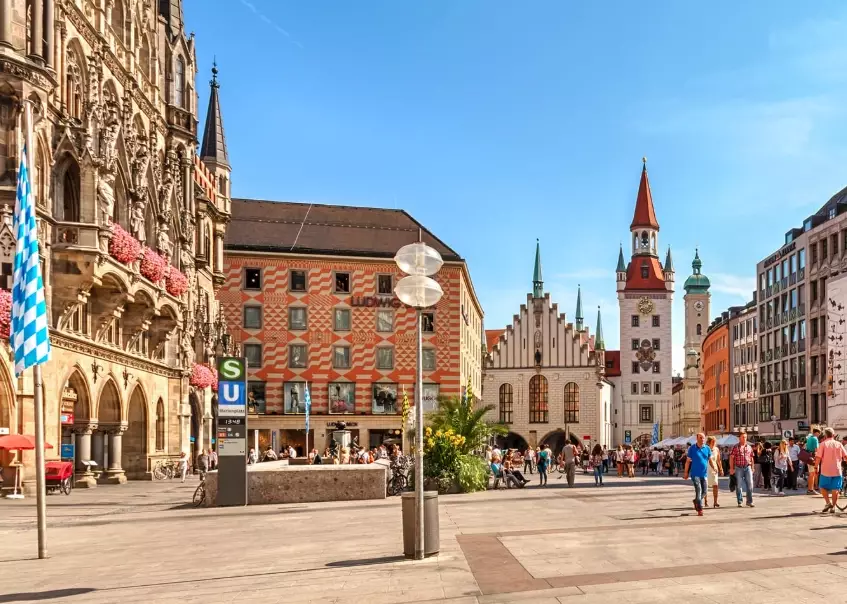
This is ground zero. The central square is dominated by the fantastically ornate Neues Rathaus. Every day at 11 AM and 12 PM (plus 5 PM in summer), the Glockenspiel performs. It's a charming 10-minute show of dancing figurines reenacting a royal wedding and a joust.
My take? It's worth seeing once. Get there 10-15 minutes early to secure a decent spot in the crowd below. Is it overhyped? Maybe a little. But the square itself has a great energy. For the best view, skip the crowded Town Hall tower and head to the tower of St. Peter's Church (“Alter Peter”) instead. The climb is 299 steps (no elevator!), but the panoramic view of the square and the Alps on a clear day is unbeatable.
Hofbräuhaus
The world's most famous beer hall. It's loud, it's rowdy, it's packed with tourists, and the food is... okay. You should go. Just for one beer. Soak in the oompah music, the massive steins, and the sheer scale of it. It's a historical spectacle. But don't make it your only beer hall experience. For a more local vibe later in this guide.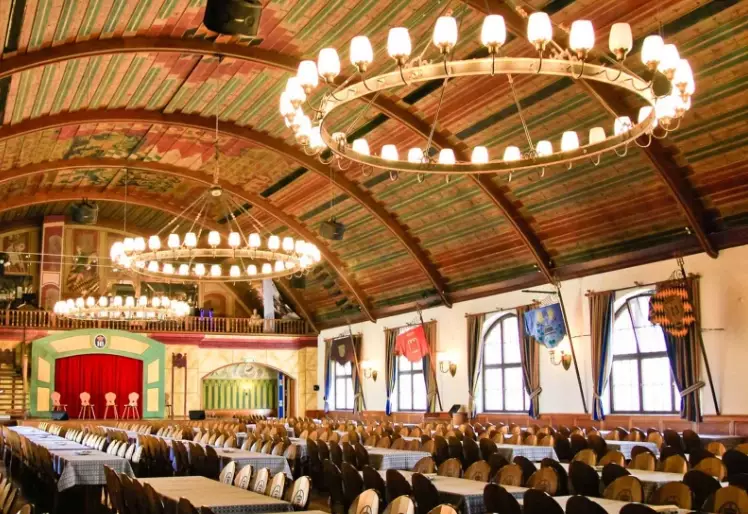
Viktualienmarkt
This is where I spend half my time. Just a few minutes' walk from Marienplatz, it's a daily open-air food market. Forget sterile supermarkets. Here you'll find towering piles of white asparagus in season, hundreds of cheese varieties, fragrant spices, and butchers selling legendary Bavarian Leberkäse. Grab a Weisswurst (white sausage) from a stall, a pretzel the size of your head, and a beer from the market's own beer garden in the center. People-watching here is a sport.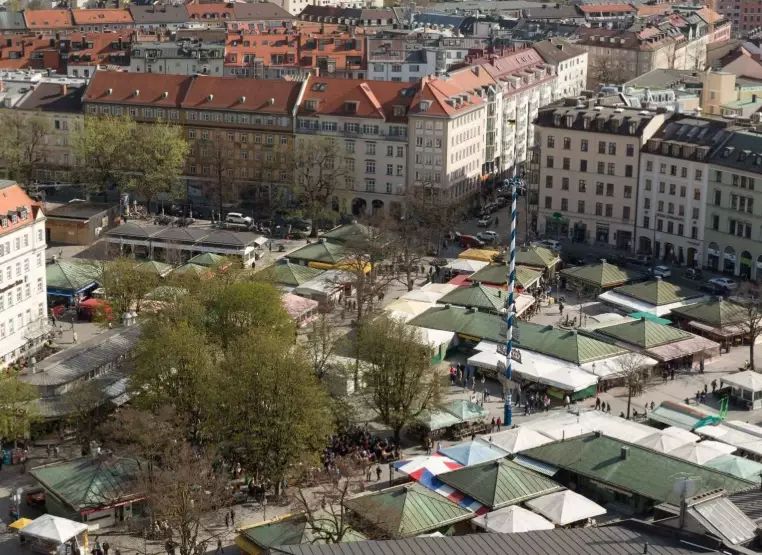
Residenz München
This was the palace of the Bavarian royal family, the Wittelsbachs. It's enormous. You could spend half a day here and still not see everything. The Treasury (Schatzkammer) is mind-blowing, filled with crowns, jewels, and intricate goldwork. The Cuvilliés Theatre, a stunning Rococo opera house within the complex, is a highlight. My advice? Pick one or two sections. Trying to do it all is a surefire way to get "museum feet."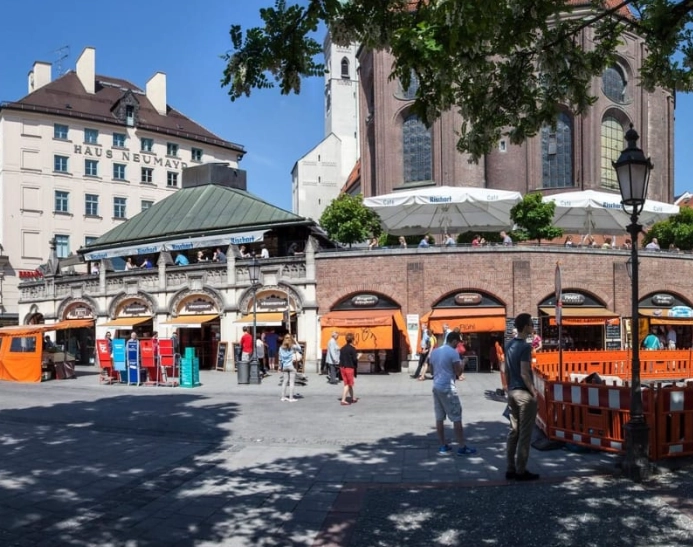
Going Deeper: Local Favorites & Hidden Gems
This is where a good Munich travel guide earns its keep. Let's get off the main drag.
Englischer Garten: More Than Just a Park
This is Munich's green lung, bigger than Central Park in New York. You can rent a bike and spend hours exploring. Locals surf a standing wave in the Eisbach river (yes, surf in the middle of the city – it's incredible to watch). Find the Chinesischer Turm (Chinese Tower) beer garden, the second largest in the city. Or hike up to the Monopteros, a Greek-style temple on a hill, for another great view. In summer, it feels like the entire city is here sunbathing, barbecuing, or just reading a book.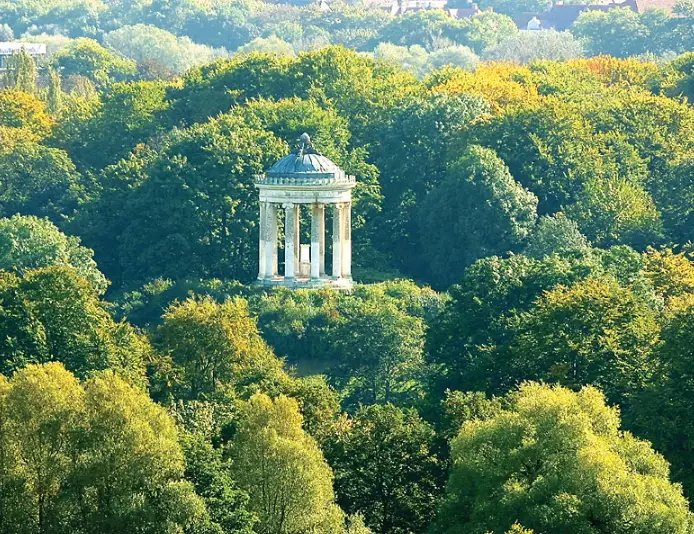
Museum Quarter: Kunstareal
South of the main station is a dense cluster of world-class museums. The Alte Pinakothek has an Old Masters collection that rivals any in Europe (Dürer, Rubens, Rembrandt). The Deutsches Museum is a gigantic temple to science and technology on an island in the Isar River – fantastic for kids or anyone with a curious mind. The Brandhorst Museum and Pinakothek der Moderne cover modern and contemporary art. You can buy a combo ticket for the Pinakothek museums.
A Real Local Beer Hall: Augustiner Keller
If the Hofbräuhaus feels like a theme park, head to an Augustiner venue. The Augustiner Keller (near the Hauptbahnhof) has a massive beer garden under chestnut trees and a bustling indoor hall. The beer, from Munich's oldest independent brewery, is served from traditional wooden barrels and tastes fresher, in my opinion. The atmosphere is more authentic, with more families and local groups.
A Food Lover's Guide to Munich
Bavarian food is hearty, meat-heavy, and designed to accompany beer. Don't come looking for a light salad.
The Must-Try Dishes
- Weisswurst: A veal and parsley sausage. A Munich breakfast tradition. You're supposed to eat it before noon. You suck the meat out of the skin (or peel it). Served with sweet mustard, a pretzel, and a Weissbier (wheat beer).
- Schweinshaxe: A roasted pork knuckle with crackling-crisp skin. It's massive, shareable, and delicious. The Hofbräukeller at Wiener Platz does a great one.
- Obatzda: A creamy, spiced cheese spread made with Camembert, butter, and paprika. Spread thickly on a pretzel. Beer garden essential.
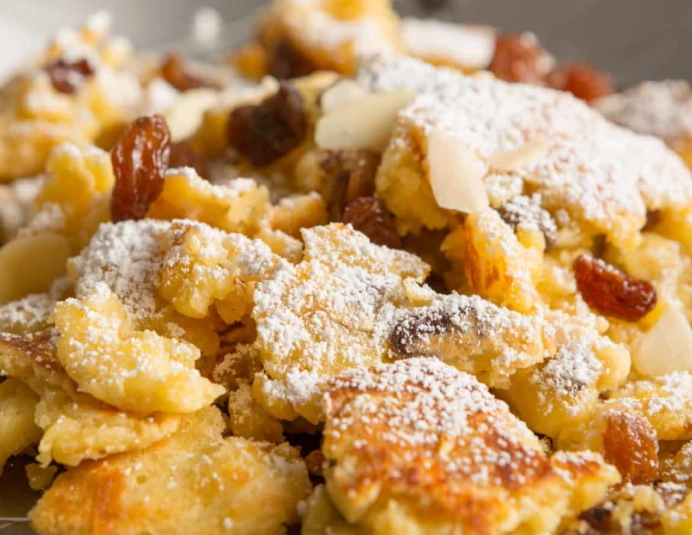
- Kaiserschmarrn: A torn-up, caramelized pancake with raisins, often served with apple sauce. The perfect sweet finish.
- Leberkäse: Literally "liver cheese," but it contains neither. It's a finely ground meatloaf baked in a loaf pan. Get a slice (ein Stück) fresh from a butcher at the Viktualienmarkt, served in a roll with mustard.
Where to Eat It
Beyond the beer halls, seek out traditional Gasthäuser or Wirtshäuser. Look for places with wooden interiors, checkered tablecloths, and a menu written on a chalkboard. Gasthaus zum Straubinger near the Viktualienmarkt is a classic. For a modern, high-end take on Bavarian cuisine, Bratwurstherzl near the Rathaus is excellent. And for the best pastries and cakes, queue at Café Frischhut near the Viktualienmarkt for their hot, sugar-coated Schmalznudeln (fried dough).
Day Trips You Absolutely Should Consider
One of Munich's biggest strengths is its location. Some of Germany's most iconic sights are a short train ride away. You can book regional train tickets easily on the Deutsche Bahn (DB) website.
Neuschwanstein Castle
The fairy-tale castle that inspired Disney. It's about a 2-hour train ride to Füssen, then a bus or hike up. You must book tickets online in advance – they sell out days or weeks ahead, especially in summer. The view from Marienbrücke bridge is the postcard shot. Honestly, the interior is unfinished and less impressive than the exterior, but the setting is unreal.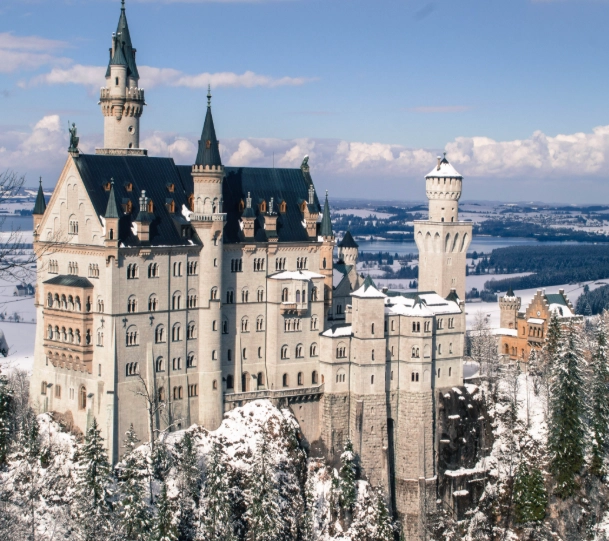
Dachau Concentration Camp Memorial Site
A profoundly important and somber visit. Take the S-Bahn S2 to Dachau station, then bus 726. Admission is free. Give yourself at least half a day. It's not an "attraction" in the fun sense; it's a necessary historical education. The site's official website has essential visitor information.
Salzburg, Austria
Mozart's birthplace is just under 2 hours away by direct rail. The Salzburg Card can be good value if you plan to visit multiple attractions. Wander the Getreidegasse, visit the Hohensalzburg Fortress, and feel the Sound of Music vibes. A beautiful contrast to Munich.
Practical Stuff: The Nitty-Gritty
Money & Tipping
Germany uses the Euro. Credit cards are widely accepted, but much more so than even five years ago. However, some smaller restaurants, bakeries, and market stalls are still cash-only. Always have some euros on you. Tipping is customary but modest. Round up to the nearest euro for a coffee or beer. In a restaurant, a tip of 5-10% is standard. You usually tell the server the total amount you want to pay (bill + tip) when they come to collect cash, or add it on the card machine.
Language
You'll get by perfectly with English in all tourist areas. But learning a few German phrases goes a long way. A simple "Guten Tag" (Good day), "Bitte" (Please), "Danke" (Thank you), and "Ein Bier, bitte" will be appreciated. In beer gardens, it's "Prost!" for cheers.
Safety
Munich is an incredibly safe city. Violent crime is rare. The main issue, as mentioned, is pickpocketing in crowded areas. Just use basic city smarts.
Your Munich Travel Guide FAQ
Let's tackle some of the specific questions that pop into your head when planning.
Is Munich expensive?
It's not cheap, but it's not Paris or London level. A main course in a mid-range restaurant is €15-€25. A half-liter of beer in a beer garden is around €4-€5. Public transport is reasonable, especially with group/day tickets. You can do it on a budget by staying in hostels, eating at markets (Imbiss snack stands), and enjoying the many free sights like the Englischer Garten and church interiors.
How many days do I need in Munich?
Three full days is a solid minimum to hit the major sights and get a feel for the city. With five days, you can comfortably add a day trip (like Neuschwanstein) and explore neighborhoods more deeply. A week lets you really settle in and take multiple day trips.
What should I pack?
Comfortable walking shoes are non-negotiable. The city is best explored on foot. Layers are key, as weather can change. Even in summer, pack a light jacket or sweater. If you're visiting churches, have something to cover your shoulders (a scarf works). A reusable water bottle – you can drink tap water anywhere, it's excellent.
Can I visit Oktoberfest without a dirndl/lederhosen?
Absolutely. While about 70% of locals and many tourists dress up, it's not mandatory. Wear comfortable shoes (you'll be standing a lot) and clothes you don't mind getting beer spilled on. If you want to join in, you can rent or buy traditional wear in the city, but it's a significant expense for a one-time thing.
What's the best area to stay in?
- Altstadt-Lehel: The historic center. Most expensive, but you're in the middle of everything. Can be noisy.
- Ludwigsvorstadt-Isarvorstadt: Near the Hauptbahnhof. Lots of hotel options for all budgets, very convenient for transport. Some streets can feel a bit gritty.
- Maxvorstadt: The university and museum district. Cool, intellectual vibe, great cafes and shops. Slightly quieter but still central.
- Schwabing: North of the city center. Leafy, upscale, residential, with a village feel. Excellent for longer stays.
My aim with this Munich travel guide wasn't just to give you a checklist. It was to give you a framework – the essentials, the local secrets, the practical warnings, and a bit of the feeling you get when you're there. Munich rewards the curious. It's a city that's proud of its traditions but isn't stuck in the past. It's orderly but knows how to have a good time. Use this guide as your starting point, but don't be afraid to get lost down a side street, to try ordering in broken German, or to spend an afternoon doing nothing in a beer garden. That's often where the best memories are made. Have a fantastic trip, and Prost!