Quick Navigation
- The Backbone: The Reinheitsgebot (Beer Purity Law)
- A Tour of the Classics: German Beer Styles You Must Know
- Beyond the Giants: Top German Beer Brands and Regional Gems
- How to Drink German Beer in Germany: The Unwritten Rules
- Planning Your German Beer Travels
- Your German Beer Questions, Answered
- Bringing the Experience Home
Let's be honest, when you think of Germany, you probably think of beer. It's not just a stereotype; it's a deeply ingrained part of the culture. But if you're planning a trip or just curious, you might be wondering: what's the big deal? Is it really that different from the craft IPA I get back home? The short answer is yes, but the long answer is so much more interesting. It's about history, rules, regional pride, and a specific way of enjoying life. This isn't just a guide to drinking; it's your backstage pass to understanding why German beer in Germany feels like a completely different experience.
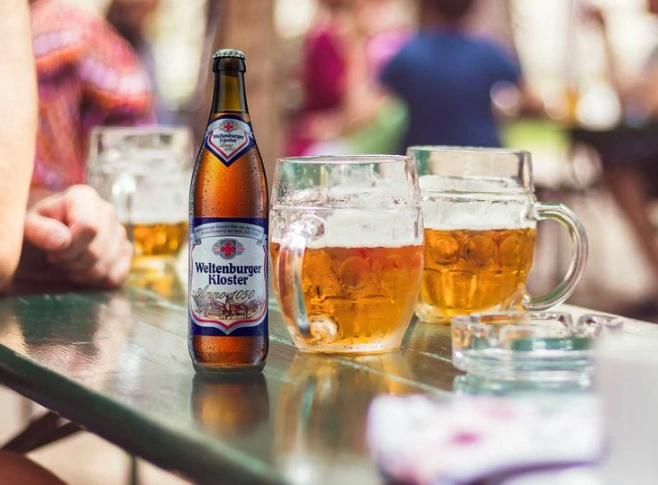
I remember my first time in a Munich beer garden. I ordered a "Helles," expecting just a yellow lager. What I got was this incredibly clean, crisp, yet surprisingly flavorful drink that was ridiculously easy to sip on a warm afternoon. It was a revelation. It wasn't about being the hoppiest or the strongest. It was about balance and refreshment. That moment made me want to dig deeper, beyond the Oktoberfest clichés. And that's what we're going to do here.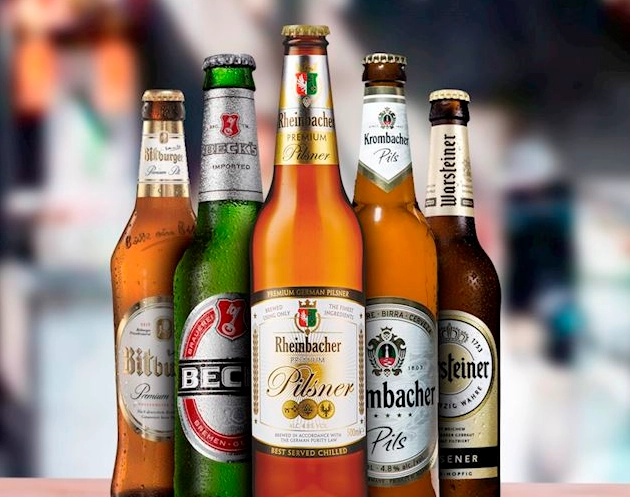
The Backbone: The Reinheitsgebot (Beer Purity Law)
You can't talk about German beer in Germany without bumping into the Reinheitsgebot. It's famous, often misunderstood, and absolutely central to the identity of most German brewers. Started in 1516 in Bavaria (though its origins are even older), it originally stated that beer could only be made from three ingredients: water, barley, and hops. Yeast wasn't mentioned because they didn't know it existed yet!
Today, the modern version of the law, enshrined in the Vorläufiges Biergesetz (Provisional Beer Law), allows for yeast, different types of malt (like wheat), and specific sugars for top-fermented beers. But the spirit remains. For many German brewers, it's a point of pride and a quality benchmark, not a limitation. They argue it forces mastery of the basics. You have to be a genius with malt and hops because you can't hide behind fancy additives.
For the official historical and legal perspective on the Reinheitsgebot, the German Brewers' Federation (Deutscher Brauer-Bund) is the authoritative source. They represent the interests of German breweries and are the guardians of this tradition.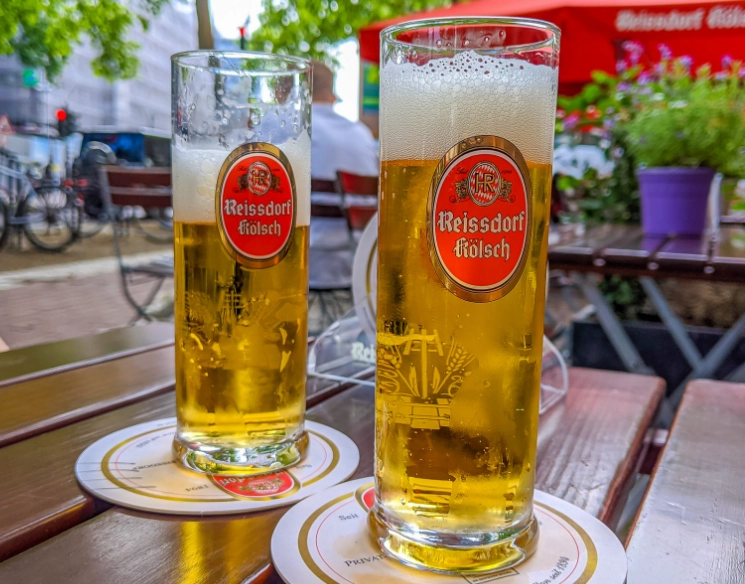
A Tour of the Classics: German Beer Styles You Must Know
Germany's beer landscape is incredibly diverse, and it's fiercely regional. Ordering a Kölsch in Cologne is a ritual. Asking for a Hefeweizen in Berlin is fine, but it's a Bavarian import. Understanding the main families helps you navigate any menu or beer hall like a pro.
Think of it this way: are you in the south or the north? That's your first clue.
Bottom-Fermented (Lager) Kingdom
This is where Germany truly shines. Lager yeast ferments at the bottom of the tank and requires cold storage ("Lagering"), resulting in clean, crisp beers.
| Style | Heartland | Flavor Profile & Color | Key Details & Serving |
|---|---|---|---|
| Helles | Bavaria (Munich) | Golden, malty-sweet, soft, balanced, crisp finish. The ultimate session beer. | The "everyday" beer of Munich. Served in a tall, cylindrical 1-liter Mass or a 0.5l glass. Don't call it a "lager" there; it's a Helles. |
| Pilsner (Pils) | Originated in Pilsen (CZ), perfected in Germany (e.g., Bitburger, Jever) | Pale gold, pronounced spicy/grassy hop bitterness, dry finish. Crisp and refreshing. | Germany's most popular beer style. Northern German Pils (like Jever) are often drier and more bitter than their southern counterparts. |
| Dunkel | Bavaria | Dark brown, toasted bread & chocolate malt flavors, but still smooth and drinkable. Not heavy or bitter. | "Dunkel" means dark. A fantastic introduction to dark beers because it's so smooth and approachable. |
| Bock & Doppelbock | Einbeck (origin), now strongly associated with Munich | Amber to dark brown, stronger (6-7%+), malty-rich, with notes of caramel, toast, and dark fruit. Doppelbock is even stronger and richer. | Traditionally a winter/spring beer. Many Doppelbock names end in "-ator" (Salvator, Optimator, Celebrator). Warming and substantial. |
| Schwarzbier | Thuringia, Saxony (e.g., Köstritzer) | "Black beer." Dark as stout but light-bodied like a lager. Roasty coffee/chocolate notes with a clean, dry finish. | A personal favorite for showing how color doesn't equal heaviness. Incredibly elegant and drinkable. |
Top-Fermented (Ale) Specialties
These yeast strains work at warmer temperatures, often creating fruity and spicy flavors.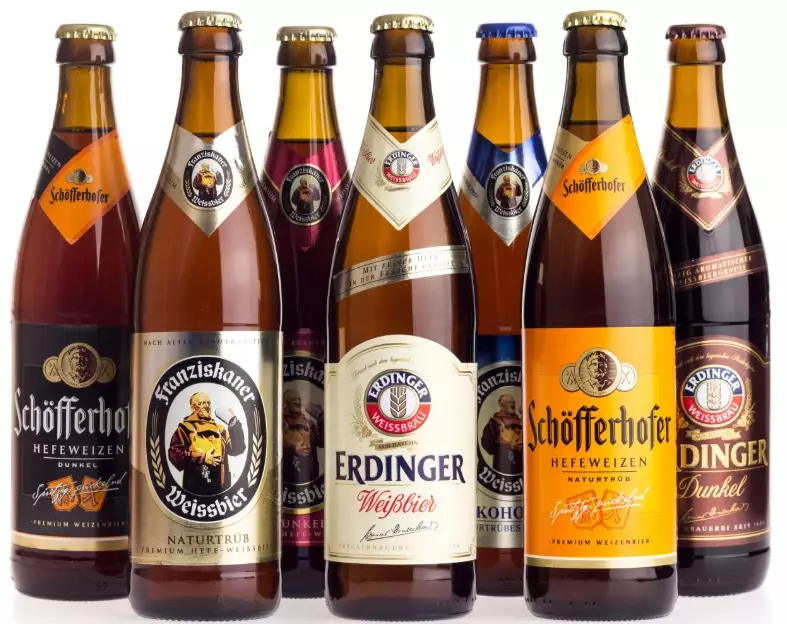
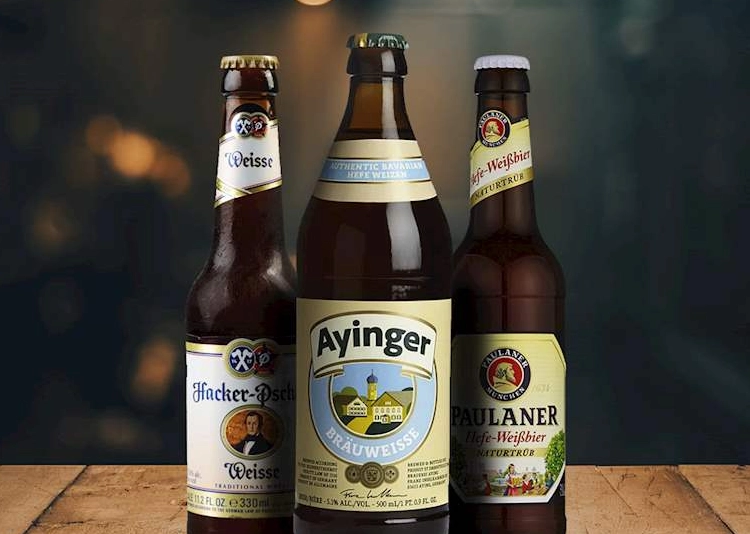
- Hefeweizen (Weißbier): The king of German wheat beers. Unfiltered, cloudy, pale gold. Huge aromas of banana and clove from the special yeast, with a refreshing, creamy body. Served in a tall, curvy glass. A must-try in Bavaria. Pro-tip: let the waiter pour it, and gently roll the last bit in the bottle to swirl the yeast sediment into your glass for the full flavor.
- Kölsch: Cologne's exclusive pride. A pale, top-fermented ale that is then conditioned like a lager, giving it a hybrid character: crisp and clean like a Pils, but with a subtle fruity ale softness. Served only in small, straight 0.2-liter glasses called "Stangen" by waiters in blue aprons ("Köbes") who keep bringing you fresh ones until you put your coaster on top of your glass. It's a ritual.
- Altbier: Düsseldorf's answer to Kölsch. "Alt" means old, referring to the traditional top-fermenting method. It's a copper-colored ale with a balanced, nutty maltiness and a firm, dry hop bitterness. Served in smaller glasses, often in traditional, wood-paneled pubs called "Brauereien."
Beyond the Giants: Top German Beer Brands and Regional Gems
Sure, you know Beck's and Warsteiner (which are perfectly fine, by the way). But the real magic of German beer in Germany happens at the regional and local level. Germany has over 1,500 breweries, many of them small and family-owned for generations. Here’s a mix of iconic national players and regional champions you should look for.
The National Powerhouses (You'll see them everywhere):
- Augustiner-Bräu: Many Munich locals' favorite. Still brewed in traditional wooden casks for some of its beer halls. Their Helles and Edelstoff export lager are benchmarks of the style. Less marketing, more tradition.
- Paulaner: A Munich giant famous for its Hefeweizen and its massive Oktoberfest presence. Solid, reliable, and widely available. Their official website is a great resource for recipes and beer info, straight from the source.
- Bitburger: The definitive German Pilsner for many. "Bitte ein Bit!" (Please, a Bit!) is a famous slogan. Crisp, bitter, and iconic.
- Krombacher: Germany's best-selling beer by volume. Another excellent Pilsner, known for its consistency and smooth drinkability.
Regional Stars (Hunt these down):
- In Cologne: Früh, Gaffel, Peters. You're drinking Kölsch, so the brand is the brewery-restaurant. Sit in their respective halls for the full experience.
- In Düsseldorf: Zum Uerige, Füchschen, Schlüssel. These are both brewery names and the iconic pubs where you drink their Altbier fresh from the barrel.
- In Franconia (Northern Bavaria): This region has the highest brewery density in the world. Look for small village breweries like Mönchshof, Klosterbrauerei Weißenohe, or Brauerei Wagner. They produce incredible Kellerbiers (unfiltered lagers) and other specialties.
- In Berlin: Berliner Kindl is the classic for Berliner Weisse (a tart, low-alcohol wheat beer often served with sweet syrups). For modern craft interpretations, seek out breweries like Vagabund or BRLO.
How to Drink German Beer in Germany: The Unwritten Rules
This is where the cultural part kicks in. Getting the beer is one thing; enjoying it the local way is another.
The Art of Pouring and Glassware
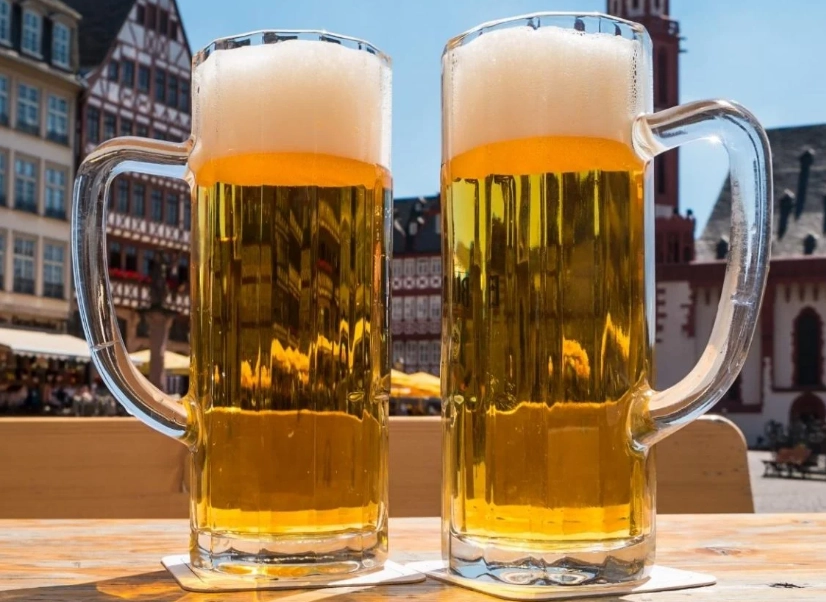
Glassware is sacred. A Hefeweizen in a Pilsner glass is a travesty. Each style has a specific glass designed to showcase its aroma, head, and carbonation. Notice the thick, hefty bottoms on beer garden mugs? They're built to withstand a cheerful "Prost!" (cheers). When toasting, look people in the eye—it's considered rude not to. And clink glasses firmly from the bottom to avoid breakage.
Beer Gardens & Wirtshäuser
The beer garden (Biergarten) is a Bavarian invention—communal tables under chestnut trees. Often, you can bring your own food if you buy the drinks. A Wirtshaus or Gasthof is a traditional inn/tavern, usually with a regional food menu. The atmosphere is cozy, convivial, and often loud. Don't expect a quiet, intimate date spot.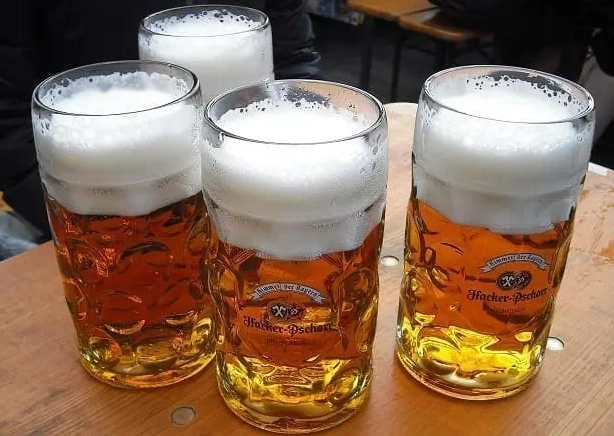
Beer and Food Pairing (It's Easier Than You Think)
Germans don't overcomplicate this. The general rule is regional beer with regional food. It works flawlessly.
- Helles / Pilsner: With everything. Seriously. Pretzels, white sausage (Weißwurst), schnitzel, salads, roasted chicken.
- Hefeweizen: Perfect with veal sausage (Weißwurst—the classic Munich breakfast!), light salads, fish, or just by itself.
- Dunkel / Schwarzbier: Excellent with roasted meats, game, dark stews, and hearty sausages.
- Bock / Doppelbock: Pair with strong cheese, rich desserts like chocolate cake, or a hearty roast pork.
- Kölsch / Altbier: In their home cities, they are drunk with local dishes: Himmel un Ääd (blood sausage with apples & potatoes) in Cologne, or Himmel un Äd with different sausages in Düsseldorf.
Planning Your German Beer Travels
If you want to build a trip around beer, you have fantastic options beyond Oktoberfest.
Beer Festivals (Yes, there are more than one):
- Oktoberfest (Munich): The world's largest. Insane, crowded, expensive, and unforgettable. Book accommodation a year in advance. Go for the spectacle, not for a quiet beer. The official Oktoberfest website is crucial for planning dates, tent info, and traditions.
- Cannstatter Volksfest (Stuttgart): Called the "second largest beer festival," it's slightly more local-feeling than Oktoberfest.
- Frühlingsfest (Spring Festivals): In Munich and other cities. Like a smaller, spring version of Oktoberfest.
- Bergkirchweih (Erlangen): A massive and fantastic beer festival in a quarry, with a great local vibe.
Beer Routes and Regions:
- The Bavarian Beer Trail: Explore the countless breweries and picturesque beer gardens of Upper Bavaria and Franconia. The German National Tourist Board has excellent resources for planning such thematic trips.
- Cologne & Düsseldorf: Spend a day in each, comparing the Kölsch and Altbier cultures. It's a friendly rivalry you can taste.
- Bamberg: A UNESCO world heritage town and the world capital of Rauchbier (smoked beer). An acquired taste (it literally tastes like liquid smoked ham), but a pilgrimage site for beer lovers. Try Schlenkerla or Spezial.
Your German Beer Questions, Answered
Bringing the Experience Home
So you've fallen in love with a particular German beer in Germany and want to find it back home. Here's the hard truth: it often doesn't taste the same. Beer is best fresh, and the long export journey, along with possible storage issues, can dull its character. That said, many top brands are exported globally.
Your best bets are German specialty food stores or high-end bottle shops that care about import logistics. Look for bottles with a recent production date. For styles like Hefeweizen, freshness is absolutely critical—drink it as soon as you can.
To dive deeper into the technical aspects and history of specific beer styles, the Beer Judge Certification Program (BJCP) Style Guidelines, while American, provide incredibly detailed and accurate descriptions of all classic German beer styles, used by brewers and judges worldwide.