Your Munich Travel Compass
Let's be honest. Most Munich travel guides read like they were written by a committee of enthusiastic but slightly out-of-touch tourism officials. They'll tell you to see the Glockenspiel (it's fine, really), drink beer at the Hofbräuhaus (it's packed), and visit Nymphenburg Palace (it's beautiful, but...). And you should do those things! But if that's all you do, you'll miss the Munich that locals actually love—the one with secret beer gardens tucked along the Isar River, vibrant neighborhood markets, and a contemporary art scene that will surprise you.
I've spent more time wandering Munich's streets than I care to admit, made my share of tourist mistakes (like trying to buy a last-minute Oktoberfest ticket... don't), and had some of my best travel moments here. This guide is my attempt to save you from the generic lists and give you the real, practical, and sometimes opinionated lowdown on planning your Munich travel adventure. We're going to talk about logistics, hidden spots, how to not blow your budget, and what to do when it rains (because it will).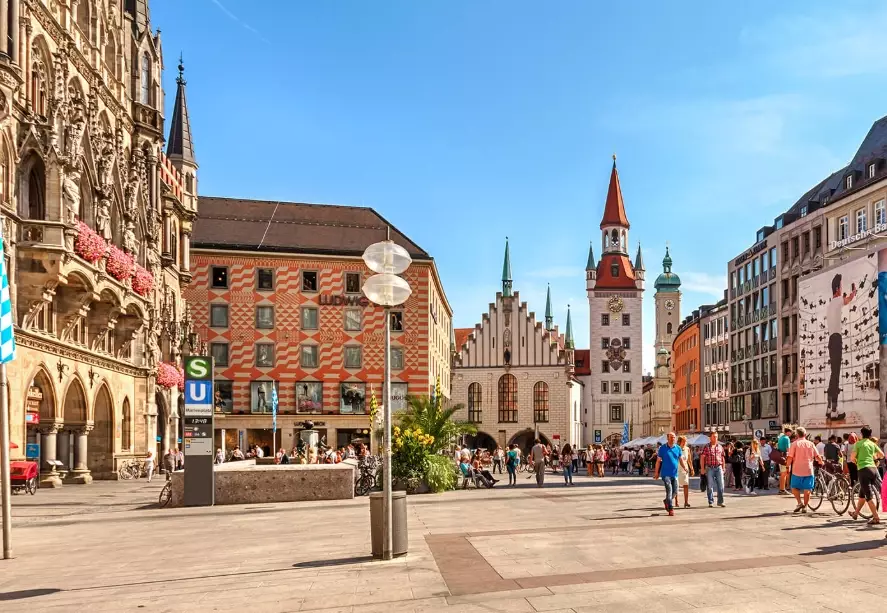
Sound good? Let's dive in.
First Things First: Getting There and Getting Settled
Munich Airport (MUC) is your most likely entry point. It's well-connected and, frankly, pretty efficient. The S-Bahn S1 and S8 lines will whisk you right into the city center (Hauptbahnhof or Marienplatz) in about 45 minutes. A single-zone ticket is fine for this journey. Pro tip: If you're arriving in a group of two or more, immediately look into the Partner-Tageskarte (Partner Day Ticket). For a flat rate, it covers unlimited travel for up to 5 adults across the entire network after 9 am on weekdays or all day on weekends. It's almost always cheaper than individual tickets.
Where to stay? This is a big one. The Altstadt (Old Town) is obvious and convenient, but it's also the most expensive and can feel a bit like a theme park in high season. For a more local vibe, consider these neighborhoods:
- Maxvorstadt: The university district. It's buzzing with students, has amazing museums (the Kunstareal art district is here), and is packed with affordable cafes and bars. It's a 15-minute walk to Marienplatz.
- Ludwigsvorstadt-Isarvorstadt: The area around the Hauptbahnhof (central station). It gets a bad rap for being seedy, but it's incredibly well-connected and has fantastic, no-fuss Turkish and Asian food options. Just avoid the immediate backstreets of the station at night.
- Au-Haidhausen: East of the river. This is where you'll find the iconic Hofbräuhaus, but also quieter, cobblestone streets, the lovely Maximiliansanlagen park, and the Gasteig cultural center. It's posh but relaxed.
- Schwabing: North of the city center. Historically the artists' quarter, it's now a chic, leafy residential area with great shopping (not chains) and a beautiful, relaxed atmosphere.
I made the mistake of booking a cheap hotel right next to the Oktoberfest grounds once, not realizing it was Oktoberfest. The constant *oompah* music from 10 AM to midnight was... an experience. Check the calendar before you book!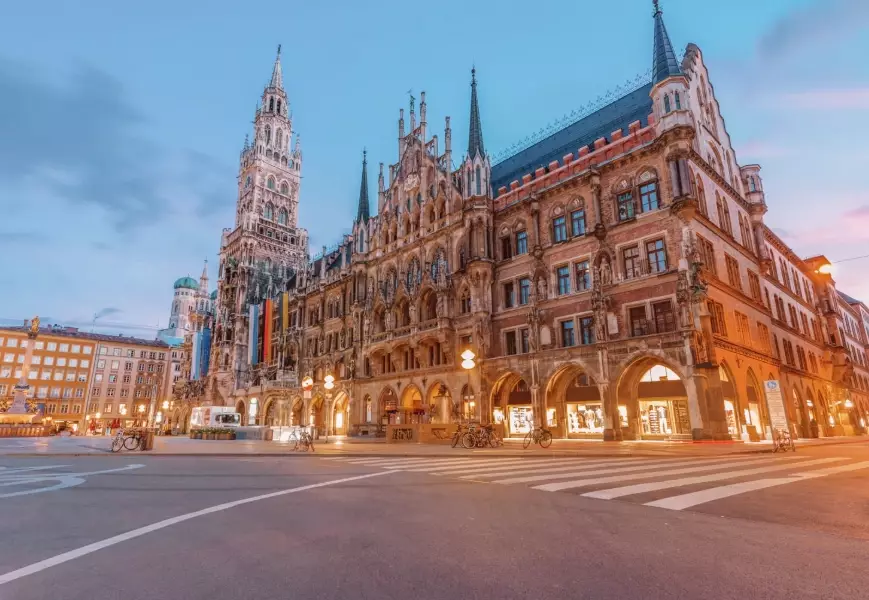
Crafting Your Perfect Munich Itinerary
You can't see everything. Don't try. The best Munich travel experiences often come from slowing down. Here’s how I’d structure a classic 3-day visit, mixing must-dos with cooler, less hectic alternatives.
Day 1: The Historic Heart & A Royal Escape
Start at Marienplatz. Yes, it's touristy, but the Neues Rathaus (New Town Hall) is genuinely impressive. Watch the Glockenspiel chime at 11 AM (or 12 PM/5 PM in summer). It's a 10-minute show. Some people find it underwhelming. I think it's a charming piece of history, but you don't need to plan your whole day around it.
Then, get away from the crowds.
Walk a few minutes to the Asamkirche. This church is a hidden, explosive masterpiece of Bavarian Rococo. The exterior is squeezed between two normal buildings, but the interior is a dizzying, golden, dramatic sensory overload. It's free and usually quiet.
Afternoon: Head out to Schloss Nymphenburg. This is the summer palace of the Wittelsbach rulers. The main palace is stunning, but the real magic for me is the vast park. It's free to enter the gardens. Wander to the small, hidden Amalienburg hunting lodge—its Mirror Hall is more breathtaking than the main palace's grand galleries. You can spend hours here just strolling. For official opening times and ticket info, the Bavarian Palace Department website is the authoritative source.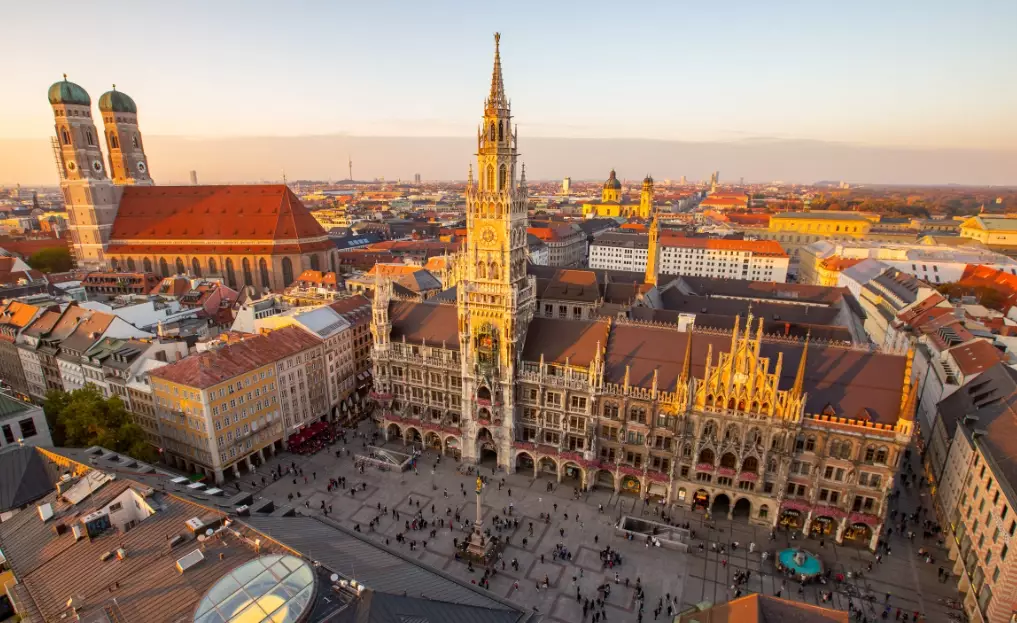
Day 2: Art, Parks & River Life
Dedicate your morning to art. Munich's Kunstareal (Art District) in Maxvorstadt is a cluster of world-class museums. You have to choose.
- Alte Pinakothek: For Old Masters (Dürer, Rembrandt, Rubens). The building itself is a work of art.
- Pinakothek der Moderne: For 20th/21st-century art, design, architecture, and graphics. It's a fantastic four-in-one.
- Lenbachhaus: For German Expressionism, especially the stunning Blaue Reiter collection (Kandinsky, Marc). Its gold cube extension is iconic.
I lean towards the Lenbachhaus—it feels uniquely Munich. Check the Lenbachhaus official site for current exhibitions.
Afternoon: Walk south into the Englischer Garten. This is one of the largest urban parks in the world. It's not just a lawn; it's a lifestyle. Locals surf the standing wave at the Eisbachwelle, sunbathe (sometimes nude) in the meadows, and drink beer in the park's beer gardens.
Your targets: Chinesischer Turm beer garden (the classic, can be very busy) and the Seehaus beer garden by the lake (my personal favorite, slightly more upscale feel). Grab a Maß (liter of beer) and a Brezn (pretzel) and just watch the world go by. This is non-negotiable for authentic Munich travel.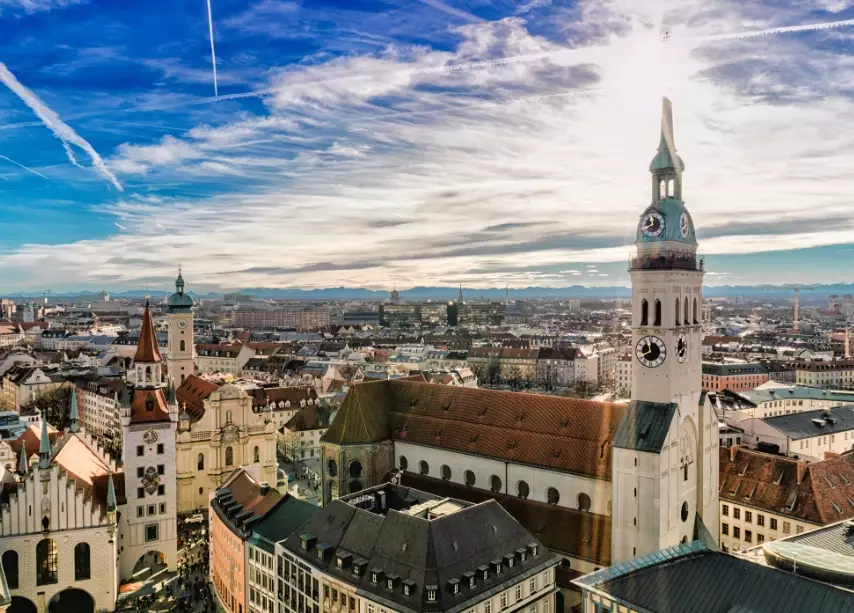
Day 3: Day Trip or Deep Dive
Option A (The Classic): The Neuschwanstein Castle day trip. It's a long day (2+ hours each way by train/bus), the interior can be a letdown after the fairy-tale exterior, and you must book tickets online in advance. But seeing that castle on the hill is unforgettable. Combine it with a visit to the much cozier Hohenschwangau Castle below.
Option B (Stay Local): Explore the Deutsches Museum. It's one of the world's largest museums of science and technology. You could get lost in here for two days. It's incredibly hands-on and engaging, even if you're not a science buff. Or, take the U-Bahn to Westpark to see the beautiful Chinese Tower and Japanese Garden, or explore the hipster haven of Glockenbachviertel for independent shops and cafes.
The Food & Drink Scene: Beyond Weisswurst and Beer
Bavarian food is hearty. Think pork, dumplings, cabbage, and more pork. You have to try it.
- Weisswurst: A veal and parsley sausage. Traditionally eaten before noon. The ritual: served in a bowl of hot water, you peel the skin off, and eat it with sweet mustard, a Brezn, and a Weissbier (wheat beer).
- Schweinshaxe: Roasted pork knuckle. Crispy skin, tender meat. It's massive. Share one.
- Obatzda: A spiced cheese-butter-beer spread. Divine with a pretzel.
- Kaiserschmarrn: A shredded, caramelized pancake with raisins, often served with apple sauce. The perfect dessert or late-afternoon snack.
But Munich's food scene is more than that. For a quick, cheap, and delicious lunch, find a Nordsee stand for fish sandwiches, or any Bäckerei (bakery) for a sandwich or *Leberkässemmel* (a slice of meatloaf in a roll).
Dinner? Avoid the overpriced, tourist-menu places right on the main squares. Venture a few streets back. For a modern, fantastic twist on Bavarian classics, I love Wirtshaus in der Au. For a truly local, no-frills experience, any Gaststätte in a residential neighborhood will serve you well.
Navigating the Beer Culture
Munich's beer gardens are democratic institutions. You can often bring your own food if you buy drinks. The table-sharing culture ("Ist hier noch frei?" - "Is this seat free?") is real and a great way to meet people.
Major beer gardens like the Hofbräukeller or Augustiner Keller are fantastic. But my secret for a relaxed Munich travel evening is finding a smaller one. Try Hirschgarten (near Nymphenburg, claims to be the largest), or Biergarten am Chinesischen Turm in the Englischer Garten for the classic buzz.
What to drink? Don't overthink it.
| Beer Type | Description | My Unsolicited Opinion |
|---|---|---|
| Helles | A pale, malty lager. The everyday beer. | Clean, refreshing, perfect for a long session. The Augustiner Helles is liquid gold. |
| Weissbier (Hefeweizen) | Wheat beer, cloudy, with banana/clove notes. | Lighter in bitterness, great with food. Can be filling. |
| Dunkel | Dark lager. Malty, toasty, sometimes chocolatey. | Underrated. Perfect for cooler evenings. Has more character than a Helles. |
| Märzen / Festbier | Amber (Märzen) or golden (Festbier) strong lager. | Seasonal. Märzen is the classic Oktoberfest beer, but Festbier (lighter in color, not strength) is now served at the actual Wiesn. |
Munich Travel Practicalities: The Nitty-Gritty
This is the stuff other guides gloss over.
Public Transport (MVV)
It's excellent. U-Bahn (subway), S-Bahn (suburban train), trams, and buses. Get the MVG Fahrinfo app. It has real-time info and route planning. Tickets are based on zones. For most city-center Munich travel, you'll be in Zone M (white inner zone).
Money & Budgeting
Germany is cash-friendly, especially in smaller restaurants, beer gardens, and markets. Always have some euros on you. Cards are widely accepted in hotels and larger stores. Munich is not a cheap city. A decent sit-down meal will cost €15-25 per person without drinks. Beer in a beer garden is around €9-11 for a liter. Museum entry is typically €10-15.
What to Pack & Weather
Munich weather is famously changeable. "Four seasons in one day" is not a joke. Even in summer, pack a light waterproof jacket and a sweater. Comfortable walking shoes are an absolute must—you will walk on cobblestones for miles. For a slightly more local look, ditch the athletic wear for smart-casual clothes during the day. Germans tend to dress neatly.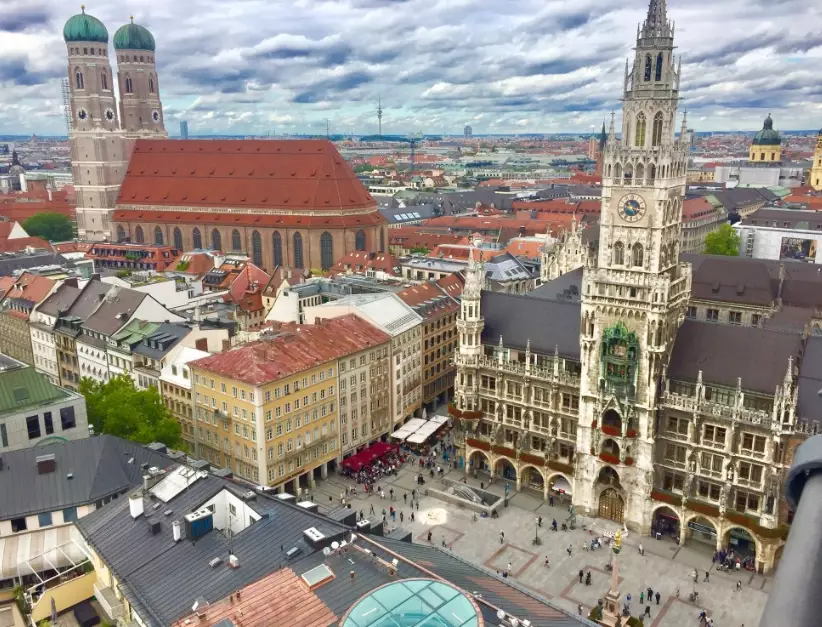
Answering Your Munich Travel Questions
Here are the things people actually google.