Quick Navigation
Figuring out the right Germany visa type as an Indian citizen can feel like trying to solve a puzzle where the pieces keep changing shape. I remember helping a friend through this process last year, and the sheer number of options and confusing official jargon was overwhelming. Is it a Schengen visa? A national visa? Do you need a work permit on top of that? The questions just pile up.
Let's cut through the confusion. This guide is built from digging through official resources, talking to people who've been through the process, and yes, learning from a few frustrating dead ends myself. We're going to look at every major Germany visa type for Indian passport holders, not just the popular ones. I'll give you the plain-English version of what each visa is for, what it really takes to get one, and some honest talk about the tricky parts.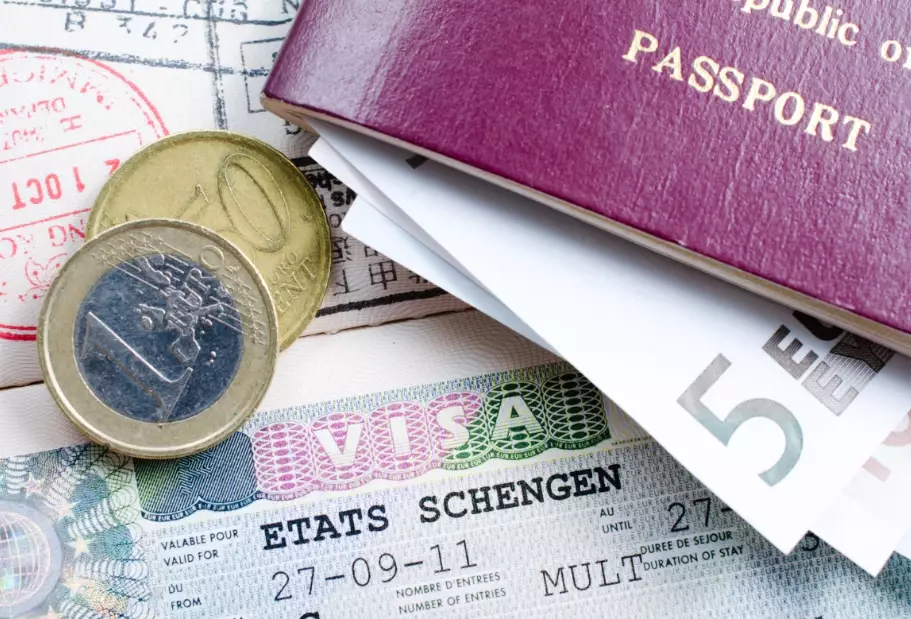
Understanding the German Visa Landscape for Indians
Before we dive into the specific types, it's crucial to grasp the framework. Germany is part of the Schengen Area, a group of 27 European countries that have abolished internal border controls. This agreement creates the two main visa categories relevant for Indians planning a trip.
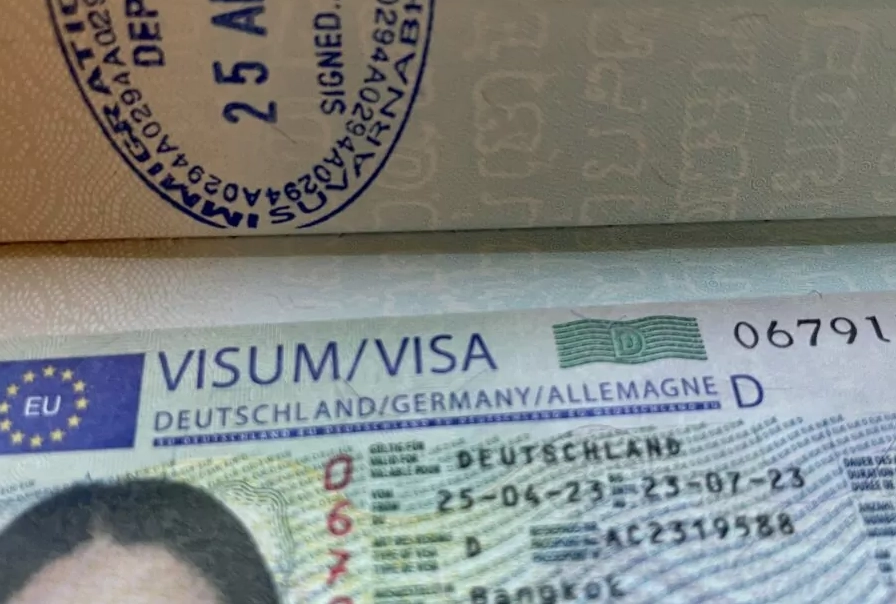
The Schengen Visa (Type C) is your ticket for short visits. Think tourism, business meetings, short courses, or visiting family. It's usually valid for up to 90 days within a 180-day period. The process, while detailed, is relatively standardized.
Then you have the National Visa (Type D). This is for longer-term ambitions. Moving to Germany for a job, enrolling in a full university program, or joining a spouse—these scenarios require a national visa. This is where things get more complex, as the requirements are tied to specific German laws for immigration, employment, and education.
The application journey for both starts in India, at the German diplomatic missions. The German missions in India (Embassy and Consulates) are your primary points of contact. They outsource the initial application collection to a service provider, VFS Global, but the final decision rests with the German authorities.
One common headache? People often mix up the visa and the residence permit.
A national visa (Type D) allows you to enter Germany. Once you're there, you must convert it into a residence permit (Aufenthaltstitel) at the local Foreigners' Office (Ausländerbehörde) before your visa expires. The visa gets you in the door; the residence permit lets you stay.
The Major Germany Visa Types for Indian Citizens
Alright, let's get into the specifics. Here’s a breakdown of the most common Germany visa types for Indian nationals. I've put together a table to give you a quick, side-by-side comparison because sometimes you just need to see it all in one place.
| Visa Type | Main Purpose | Max Stay | Can You Work? | Key Requirement |
|---|---|---|---|---|
| Schengen Tourist Visa | Tourism, visiting friends/family | 90 days in 180 days | No | Proof of funds, travel insurance, itinerary |
| Schengen Business Visa | Meetings, conferences, negotiations | 90 days in 180 days | No (but business activity allowed) | Invitation from German company |
| Job Seeker Visa | To find a job in Germany | 6 months | No | University degree, proof of funds, travel insurance |
| Employment Visa | To take up a specific job offer | More than 90 days (leads to residence permit) | Yes, for the specific job | Confirmed job contract, approval from Federal Employment Agency (if needed) |
| Student Visa | To pursue full-time studies | Duration of studies | Yes, part-time (120 full/240 half days per year) | University admission letter, blocked account proof |
| Freelancer Visa | To work as a self-employed freelancer | More than 90 days (leads to residence permit) | Yes, for your freelance business | Business plan, clients in Germany, proof of livelihood |
That table gives you the skeleton. Let's put some meat on those bones.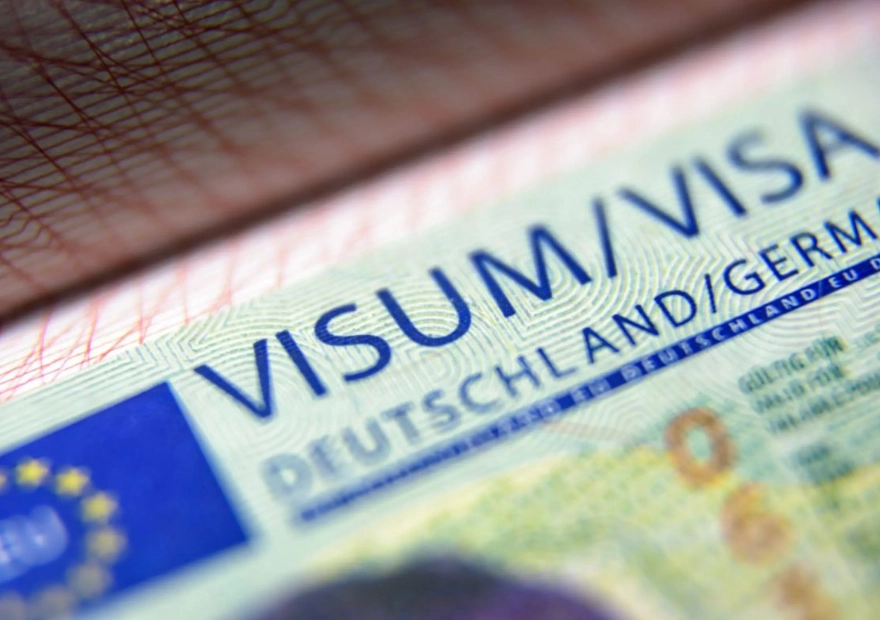
Schengen Visas: The Short-Stay Options
These are the most common Germany visa types for Indian travelers. The process is similar, but the supporting documents change based on your purpose.
The Tourist Visa: This seems straightforward until you hit the documentation part. You need a detailed day-by-day itinerary, flight reservations (not necessarily paid tickets, but confirmed plans), hotel bookings, and rock-solid proof that you'll return to India. That last part is key—they want to see strong ties to your home country. Think property documents, a stable job, family dependents. The financial proof is also scrutinized. Bank statements for the last 3-6 months need to show consistent, healthy balances, not just a last-minute large deposit.
The Business Visa: This one hinges on the invitation. A proper invitation letter from the German company you're visiting is non-negotiable. It should be on company letterhead, state the purpose and duration of your visit, and confirm that they are hosting you or covering your expenses (or at least guaranteeing them). You'll also need proof of your employment in India and the commercial relationship between the two companies.
What you can't do on a Schengen Business Visa is actually do the work. You can't deliver a project, provide a paid service, or fill in for a role. It's for discussions, planning, and meetings. If your activity crosses into actual work, you need a work visa.
National Visas: The Long-Term Pathways
This is where the real life-changing moves happen. The requirements are stricter, but the opportunities are bigger.
The Job Seeker Visa: This is a fantastic, and often underutilized, option for skilled Indian professionals. It gives you six months to physically be in Germany to search for a job. To qualify, you need a Bachelor's or Master's degree that is recognized in Germany (check the anabin database), proof that you can fully support yourself during those six months (usually via a blocked account with sufficient funds), and valid health insurance. The catch? You cannot work during this period. It's purely for job hunting. Once you land a job that matches your qualifications, you can convert this visa into an Employment Visa and Residence Permit from within Germany, which is a huge advantage.
The Employment Visa: This is for when you already have a concrete job offer from a German employer. The process has two main hurdles: the job contract itself and, in most cases, pre-approval from the Federal Employment Agency (Bundesagentur für Arbeit). The agency checks if a German or other EU citizen could fill the position instead (a process called the priority check). For highly skilled positions, especially in IT or engineering, and for jobs where the salary exceeds a certain threshold (the EU Blue Card threshold), this check is simplified or waived. The employer often handles a lot of this pre-approval paperwork.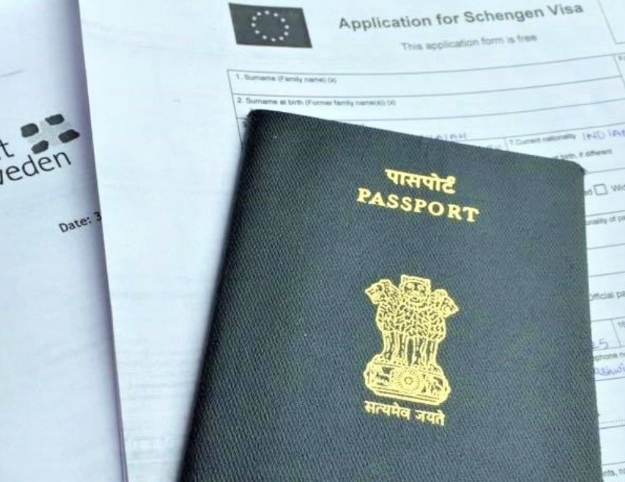
The Student Visa: Probably the most common long-term Germany visa type for Indian youth. The two pillars are admission to a recognized German university and proof of financial resources. The financial proof is typically a blocked account (Sperrkonto) with around €11,208 (as of 2024) to cover your first year. You'll also need health insurance valid in Germany. A great thing about this visa is the work allowance—you can work part-time to support yourself, which is a major relief for many students.
The Freelancer Visa (Freiberufler Visa): This one is tricky but rewarding. It's for self-employed professionals like artists, writers, consultants, architects, or certain tech freelancers. You don't just need a business idea; you need to prove your freelance work is viable in Germany. This means a compelling business plan, letters of intent from potential clients in Germany, proof of your relevant qualifications and experience, and again, proof you can support yourself initially. The local Chamber of Commerce (IHK) or relevant professional association may need to give an opinion on your proposal. It's not an easy visa to get, and the requirements can vary by city in Germany.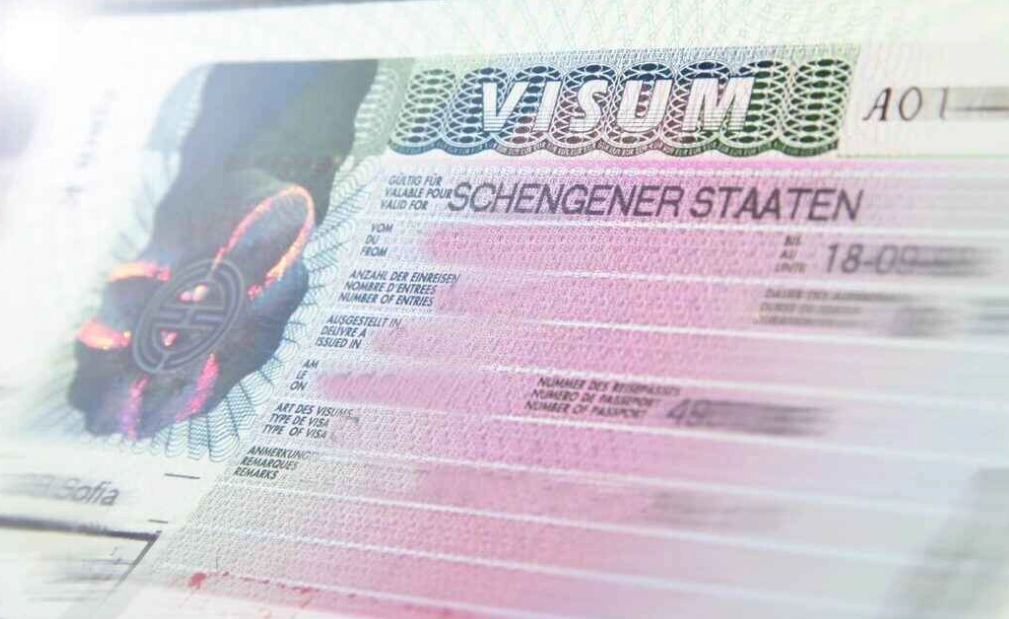
How to Apply for a German Visa from India
Knowing the Germany visa types for Indian applicants is half the battle. The other half is navigating the application process itself. Let's break it down into manageable steps.
First, figure out where to apply. Germany has an Embassy in New Delhi and Consulates General in Mumbai, Bengaluru, Chennai, and Kolkata. Your place of residence or long-term stay determines your jurisdiction. The official website of the German missions in India has a clear map and list of states under each mission.
Common Questions About Germany Visas for Indians
Trying to switch is a surefire way to get deported and face a long-term entry ban.
Look, the system is bureaucratic. It can feel impersonal and demanding. But in my experience, it's also largely transparent and rule-based. If you carefully identify the right Germany visa type for your Indian passport, gather your documents with obsessive attention to detail, and present a clear, honest case, you stand a very good chance. Don't try to game the system or hide information. Start early, be thorough, and use the official resources as your bible. Good luck with your application!