In This Article
- Daily Life and the Unspoken Rules (The "Ordnung" of It All)
- A Culinary Tour: Beyond Bratwurst and Beer
- The Calendar of German Culture: Festivals and Seasons
- Arts, Philosophy, and "The Land of Poets and Thinkers"
- Navigating Social Interactions: The Dos and Don'ts
- German Culture in a Globalized World
- Your Burning Questions About German Culture, Answered
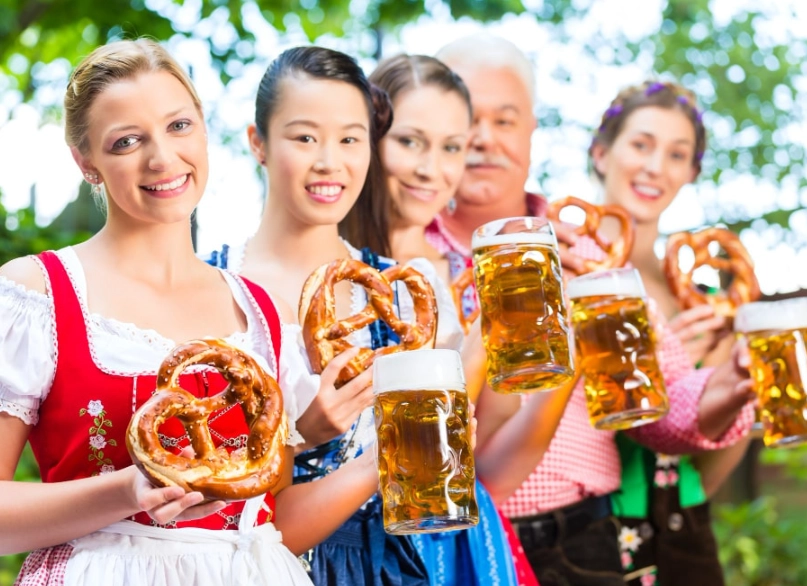
Let's be honest, when you think of German culture, a few clichés probably pop up first. Oktoberfest. Beer. Sauerkraut. Maybe efficient cars and strict rules. I thought the same before I spent time there. But here's the thing – those are just the postcard images. The real German culture is a fascinating, complex, and sometimes beautifully contradictory tapestry that's rooted in history, shaped by region, and constantly evolving. It's about a deep sense of Ordnung (order) that coexists with a profound love for philosophical debate and weekend hikes. It's about directness that isn't meant to be rude, and a private nature that warms into deep, lifelong friendships. This isn't just a list of facts; it's an attempt to unpack the lived experience, the unwritten rules, and the soul of the place.
Daily Life and the Unspoken Rules (The "Ordnung" of It All)
You can't talk about German culture without bumping into Ordnung. It's not just "order"; it's a societal framework. It's why you'll see people patiently waiting for the pedestrian light to turn green at 3 a.m. with no car in sight. It's the reason recycling is a finely-honed domestic art, with separate bins for paper, plastic, packaging (the yellow bin), bio-waste, and residual waste. This system isn't seen as a burden, but as a collective responsibility. The famous German efficiency often stems from this love for a logical, reliable system.
But it goes deeper. There's a strong value placed on privacy and quiet time. The legendary Ruhezeit (quiet hours) are generally observed on weekdays after 10 pm and all day Sunday. Mowing your lawn, running loud appliances, or even moving furniture during these times is a major faux pas. This extends to personal space. Asking about salary or someone's political vote too quickly is considered intrusive. Relationships build slowly, but the friendships formed are often incredibly solid and dependable. Germans compartmentalize – work is work, private life is private. Don't expect your boss to become your weekend buddy.
Punctuality is Not a Suggestion
Being on time is a sign of respect. In a business context, "on time" means 5-10 minutes early. For a social invitation to someone's home at 7 pm, arriving at 7:05 is already pushing it, and you should have a good reason (like a delayed train). Being late signals that you don't value the other person's time. This can be stressful for visitors from more fluid time cultures, but adapting to it is one of the fastest ways to show respect for German cultural norms.
A Culinary Tour: Beyond Bratwurst and Beer
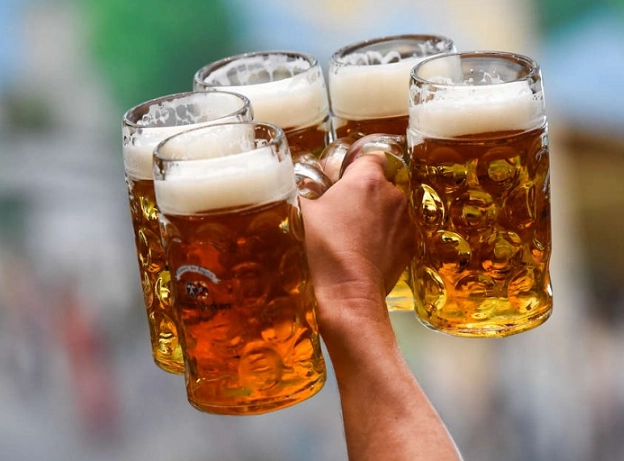
Yes, the stereotypes exist for a reason. The sausage culture is real and magnificent, with over 1,500 varieties. And the beer culture, with its Reinheitsgebot (Beer Purity Law) dating back to 1516, is a point of national pride. But to stop there is to miss the incredible regional diversity of German food culture.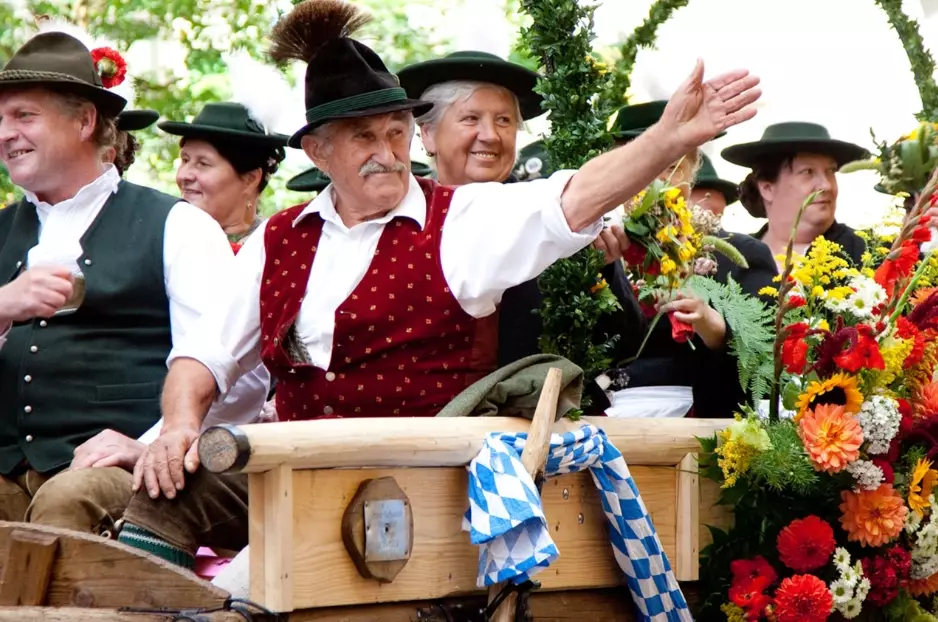
In the south, you have heavy, comforting dishes like Schweinshaxe (roasted pork knuckle) and Spätzle (egg noodles). Head to the north, and the cuisine lightens, featuring fish like herring, eel, and plenty of potatoes. The Rhineland has its sour, wine-based dishes like Sauerbraten (marinated pot roast). And then there's the institution of Kaffee und Kuchen (coffee and cake) in the afternoon, a sacred ritual of pause and socialization, often involving elaborate, multi-layered cakes from the local Konditorei (cake shop).
| Region | Signature Dish | What It Tells You About the Local Culture |
|---|---|---|
| Baden-Württemberg (Swabia) | Maultaschen (filled pasta pockets) | Inventive, hearty peasant food. Legend says monks hid meat in them during Lent! |
| Saxony | Dresdner Stollen (Christmas fruit bread) | Deep tradition and celebration of seasonal festivals with specific, protected foods. |
| Berlin | Currywurst (sausage with curry ketchup) | Post-war ingenuity, fast, hearty street food reflecting a pragmatic, working-class city. |
| Hesse (Frankfurt) | Grüne Soße (Green Sauce with herbs) | Fresh, herbal, and light—shows the influence of local gardens and a taste for freshness. |
And a note on drinks: while beer is king in Bavaria, Germany is also a major wine producer. The Rieslings from the Mosel Valley are world-class. Apfelschorle (apple juice mixed with sparkling water) is the default non-alcoholic drink for all ages. And don't get me started on the variety of bread—over 3,000 types! The German bread culture is so significant it's been recognized by UNESCO as an intangible cultural heritage.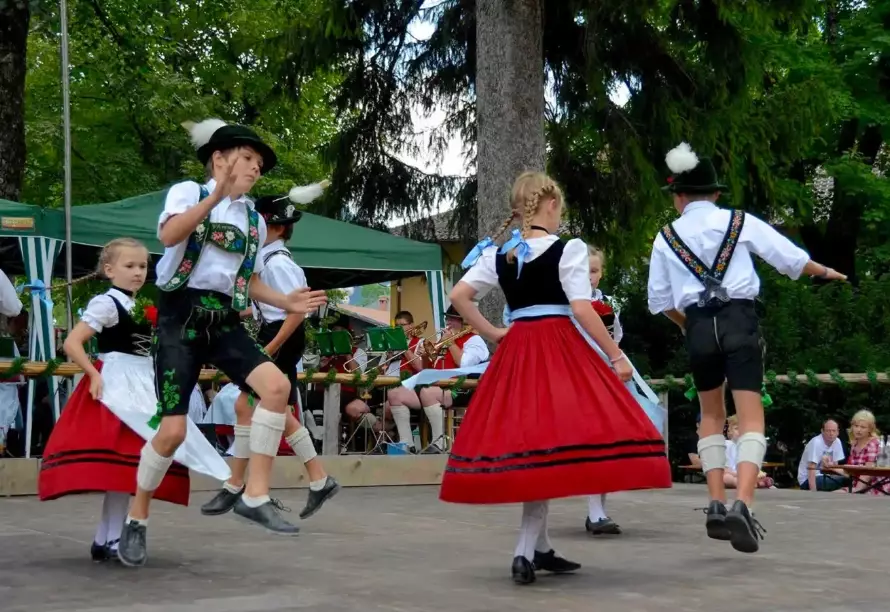
The Calendar of German Culture: Festivals and Seasons
German culture is deeply tied to the seasons and the Christian calendar, even in a largely secular society. These events structure the year and are windows into local traditions.
- Karneval/Fasching/Fastnacht (Feb/Mar): This is absolute madness in the Rhineland (Cologne, Düsseldorf, Mainz). It's a time of role reversal, satire, parades, and public drinking that culminates on Rose Monday. The rest of Germany often watches with mild bemusement.
- Ostern (Easter): More than just chocolate eggs. You'll see decorated Easter fountains (Osterbrunnen) in Franconia and Easter fires across the north.
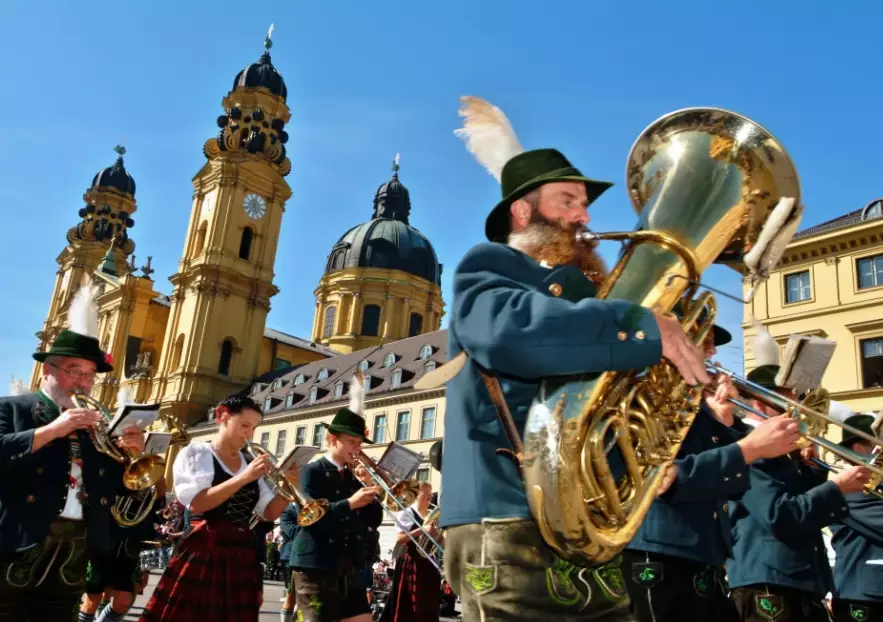
- Oktoberfest (actually mid-Sept to early Oct): The world's largest Volksfest. It's a spectacle, but it's also a specific Bavarian/Munich tradition. Most Germans outside Bavaria don't wear Lederhosen or Dirndls regularly.
- St. Martin's Day (Nov 11th): Children walk in lantern parades, singing songs, commemorating the saint's generosity. It's incredibly charming and community-focused.
- Weihnachtsmärkte (Christmas Markets): Starting late November, these markets transform town squares. They're about Gemütlichkeit (cozy conviviality), mulled wine (Glühwein), handmade crafts, and socializing in the cold. It's the heart of German winter culture.
Arts, Philosophy, and "The Land of Poets and Thinkers"
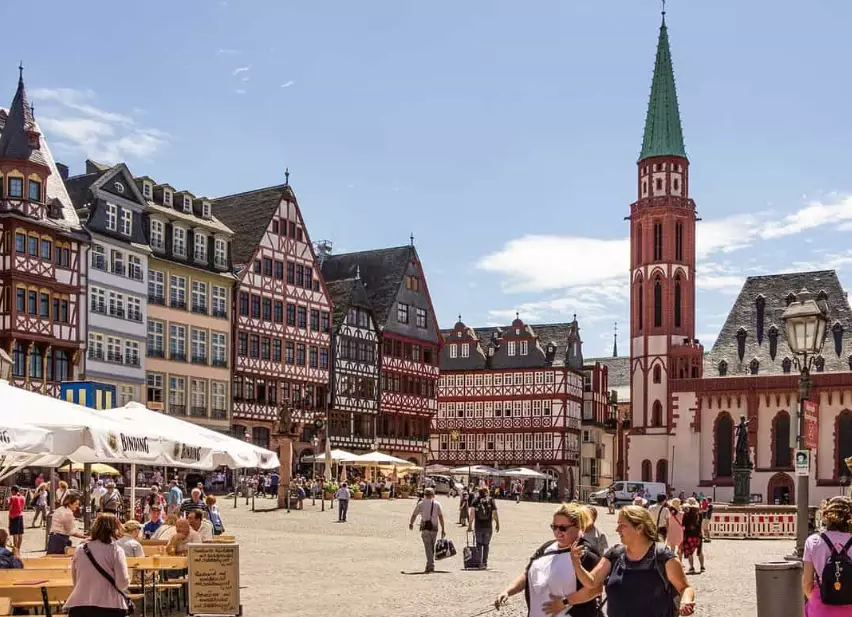
Germany's contribution to world culture in music, literature, and philosophy is staggering. This is the land of Bach, Beethoven, and Brahms. Of Goethe, Schiller, and the Brothers Grimm. Of Kant, Hegel, and Nietzsche. This intellectual and artistic heritage isn't just history; it shapes the contemporary cultural landscape. You see it in the density of theaters (Stadttheater) in every major city, many of which are publicly funded. You see it in the reverence for classical music and the thriving contemporary art scene in places like Berlin and Leipzig.
Modern German culture in film is powerful and often unflinching. Directors like Werner Herzog, Wim Wenders, and more recently Florian Henckel von Donnersmarck explore complex themes. The country's 20th-century history is, of course, a profound and somber point of reflection, handled with a culture of remembrance (Erinnerungskultur) that is legislated and deeply ingrained, seen in memorials like the Memorial to the Murdered Jews of Europe in Berlin.
The Language Itself is Cultural
German language reflects key aspects of German culture. The famous compound words create precise concepts: Schadenfreude (joy at another's misfortune), Weltschmerz (world-weariness), Fernweh (a longing for far-off places). The formality of Sie (formal "you") vs. du (informal "you") structures social hierarchies and distances until permission is given to "duzen" (use the informal). It's a language built for precision and nuance, which mirrors the cultural appreciation for clarity and depth.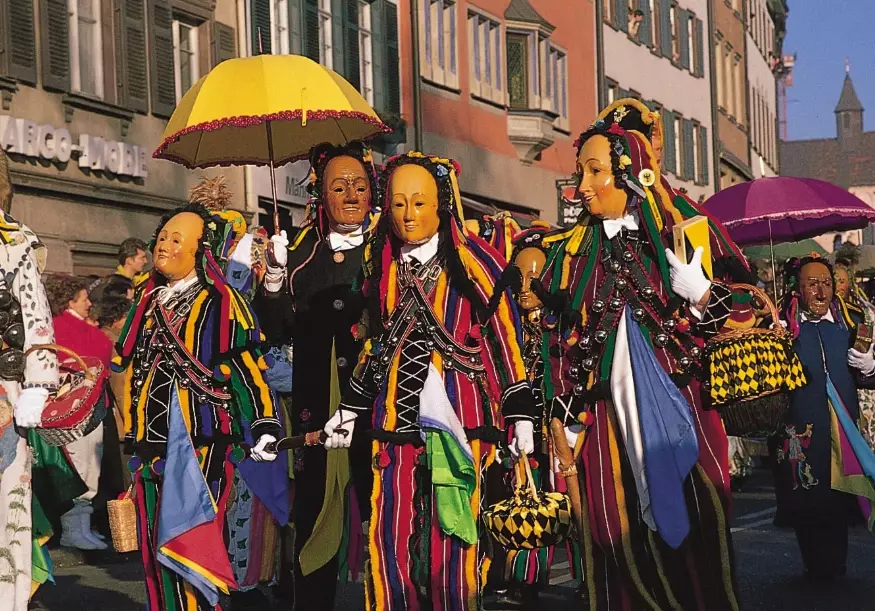
Navigating Social Interactions: The Dos and Don'ts
This is where understanding German culture prevents misunderstandings. Let's get practical.
Communication Style: Germans are famously direct. In a business or problem-solving context, this means getting to the point without excessive small talk or softening phrases. Criticism can be blunt and focused on the task, not the person. It's not personal; it's about efficiency and clarity. This can come across as harsh, but it's valued as honest and transparent.
The Stare (Der Blick): Yes, it's a thing. Germans may hold eye contact longer and might stare curiously in public. It's generally not aggressive, just observational. You get used to it.
Cash is (Still) King: Despite being a technological powerhouse, a strong preference for cash and privacy means many smaller shops, restaurants, and even some bars don't accept credit cards. Always carry some Bargeld.
German Culture in a Globalized World
Modern Germany is a country of immigration, and its culture is dynamically changing. Over a quarter of the population has a migration background (as per the Federal Statistical Office). Cities like Berlin are hyper-cosmopolitan. Turkish Döner Kebab, now considered a German fast-food staple, is a perfect example of cultural integration. The contemporary cultural scene is a fusion, grappling with identity, integration, and what it means to be German in the 21st century. This is a vibrant, sometimes tense, but crucial part of the story.
Your Burning Questions About German Culture, Answered
Are Germans really humorless?
No, but their humor is often different. It tends to be drier, more sarcastic, irony-based, and often intellectual or wordplay-heavy. Slapstick or overly exaggerated humor might not land. Think of the comedian Loriot, whose sketches masterfully satirized German manners and middle-class life. It's subtle, clever, and hilarious once you're tuned in.
Is German culture only about the past?
Not at all. While tradition is revered, Germany is a leader in green technology, industrial innovation, and contemporary design (Bauhaus legacy is huge). There's a thriving startup scene in Berlin. The culture values engineering and forward-thinking solutions, especially in sustainability. They look back to remember, but they work hard to build the future.
What's the biggest misconception?
That it's a homogeneous culture of strict, beer-drinking rule-followers. The regional diversity is immense. A Frisian from the windy coast, a Cologne carnival reveler, a Berlin hipster, and a Black Forest farmer have vastly different daily cultures, dialects, and attitudes. The "rules" are strong, but so is the culture of debate, criticism (Meckern), and civic engagement to change those rules.
Understanding German culture is like peeling an onion. You start with the obvious layers—cars, beer, punctuality. But as you go deeper, you find the regional pride, the deep intellectualism, the love of nature (Wanderlust is a national pastime), the formal structures that enable great freedom within them, and a society constantly in dialogue with its own past and future. It's a culture that rewards a closer look, one that values substance over surface, and one that, for all its famous order, has a rich, warm, and wonderfully complex heart.