Quick Guide to Frankfurt
- The Big Question: The Pros and Cons of Visiting Frankfurt
- What to Actually Do in Frankfurt: Beyond the Skyscrapers
- Practical Tips for Your Visit: Making Frankfurt Work for You
- Is Frankfurt a Good Base for Day Trips? Absolutely.
- Answering Your Burning Questions (FAQ)
- The Final Verdict: So, Is Frankfurt Good for Tourists?
So you're thinking about visiting Frankfurt, huh? It's a question I get a lot from friends planning trips to Germany. "Should I go to Frankfurt?" or more bluntly, "Is Frankfurt good for tourists?" The short answer isn't a simple yes or no. It's a "it depends on what you're looking for." Let's unpack that.
My first time in Frankfurt was a layover. I had six hours to kill, so I hopped on a train from the airport into the city. My initial impression? Wow, those skyscrapers. It felt more like a slice of Manhattan plopped into Central Europe than the quaint German towns I'd imagined. I wasn't sure what to make of it. But over subsequent visits, for work and for fun, I've developed a real, albeit complicated, fondness for the place. It's a city of fascinating contrasts.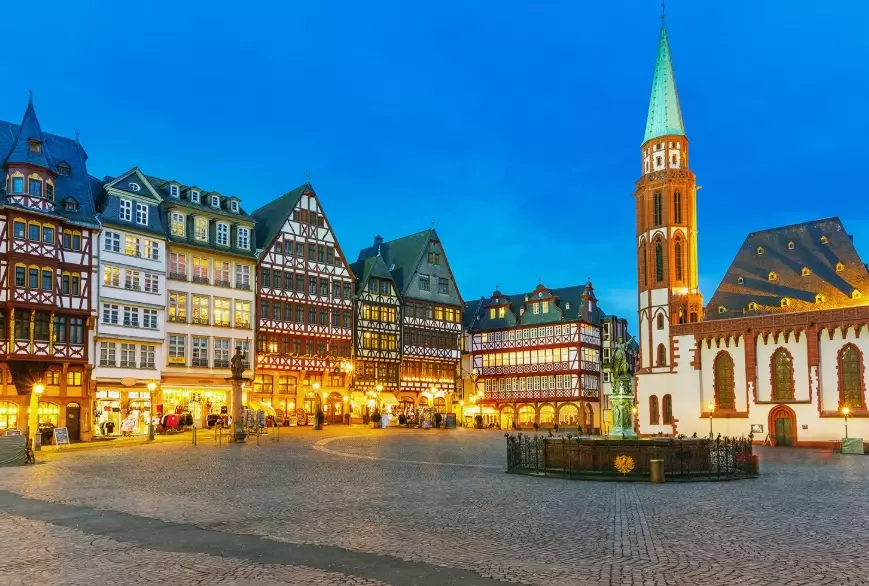
If you're dreaming of a fairy-tale German experience with half-timbered houses lining every street, you might find Frankfurt initially jarring. But if you appreciate a city with a stark, modern edge, world-class museums, incredible transport links, and a genuine, unpretentious local vibe, then yes, Frankfurt can be a fantastic destination. The key is managing expectations.
The Big Question: The Pros and Cons of Visiting Frankfurt
Let's cut to the chase. To figure out if Frankfurt is good for tourists, you need to weigh the good against the not-so-good. Here’s my honest take.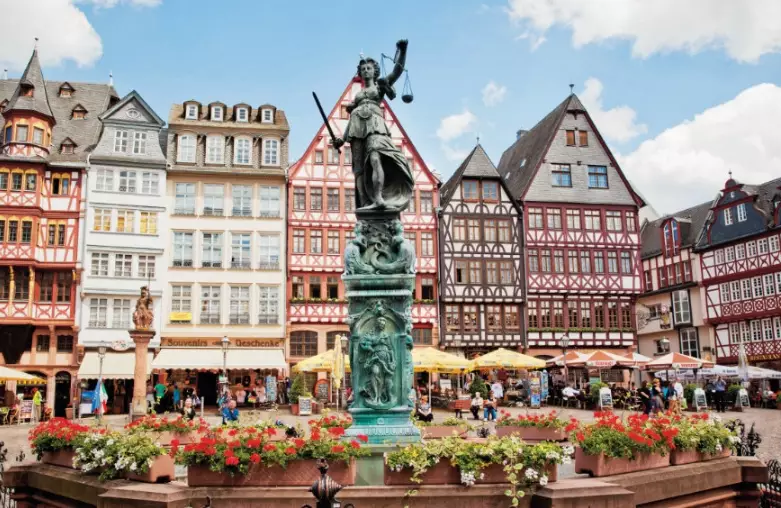
The Good Stuff (Why You Might Love It)
- Unbeatable Connectivity: Frankfurt Airport (FRA) is a massive European hub. For many, it's the gateway to Europe. This makes it incredibly easy to get to, and a perfect launchpad for day trips or longer journeys across Germany and beyond. The main train station (Hauptbahnhof) is another major hub, with high-speed trains zipping you to Cologne, Hamburg, or Munich in a few hours.
- Surprising Cultural Depth: Don't let the bankers fool you. The Museumsufer (Museum Embankment) along the River Main is one of Europe's most impressive cultural concentrations. We're talking about a dozen top-tier museums within walking distance of each other.
- The Real, Lived-in Vibe: Unlike some tourist-centric cities, Frankfurt feels lived-in. You'll find authentic, non-touristy restaurants, bustling local markets like the Kleinmarkthalle, and neighborhoods that aren't just stage sets for visitors. It's a real working city.
- Fantastic Green Spaces: The city is dotted with parks. The Palmengarten is a stunning botanical garden, and the Grüneburgpark is perfect for a lazy afternoon stroll. The riverbanks of the Main are essentially one long park where locals jog, bike, and picnic.
- Food & Drink Heaven (Beyond Sausages): Yes, you can get great Apfelwein (cider) and Handkäs mit Musik. But Frankfurt's international population means you can find exceptional food from every corner of the globe. The food scene is seriously underrated.
The Not-So-Good Stuff (What Might Put You Off)
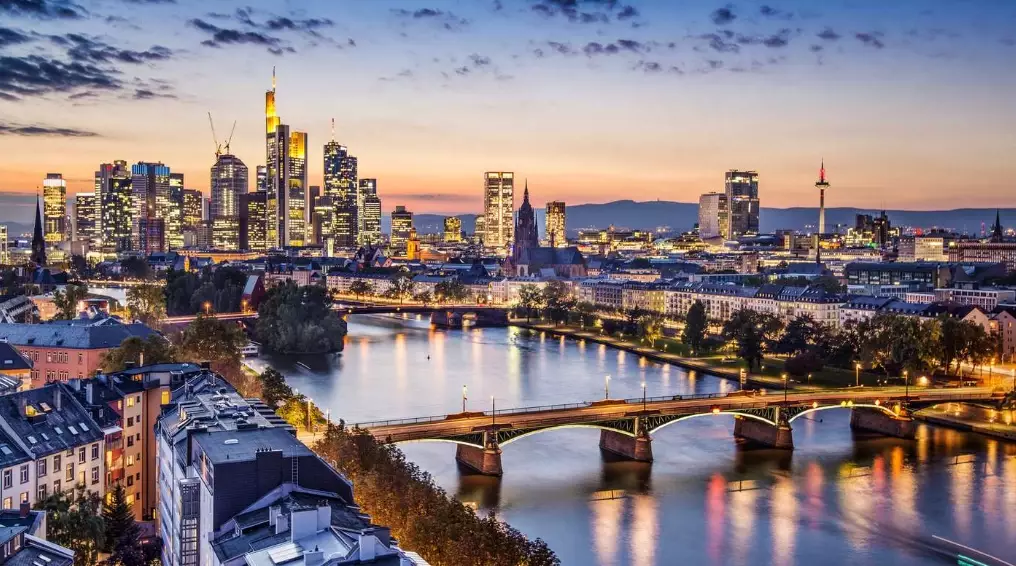
- The "Mainhattan" Skyline: The cluster of skyscrapers is iconic, but it can feel cold and impersonal. The banking district, especially on a weekend, can be a ghost town. If you crave consistent, historic charm, this part of the city won't deliver.
- It Can Feel Transactional: It's a finance city. The pace in the center is business-like. The vibe is less "gemütlich" (cozy) and more efficient. Some people find this energy exciting, others find it lacking in soul.
- The Red Light District: The area around the central train station (Hauptbahnhof), particularly on the south side, is a known red-light district. It can feel seedy and uncomfortable, especially at night. It's generally safe but requires basic street smarts—stick to main streets and be aware of your surroundings.
- Not the Cheapest: While not as expensive as Munich, Frankfurt is a wealthy city. Hotel prices, especially during trade fairs (like the massive Book Fair or Auto Show), can skyrocket. A simple lunch in the financial district will cost more than in a smaller town.
- The "Two-Day City" Reputation: Many guidebooks suggest 48 hours is enough. For the classic tourist trail, that's often true. The city's core attractions are relatively compact. To truly appreciate it, you need to explore its neighborhoods or use it as a base.
See what I mean? Whether Frankfurt is good for tourists depends entirely on which side of that list speaks to you more. For me, the pros massively outweigh the cons, but I'm someone who enjoys a bit of urban grit mixed with culture.
What to Actually Do in Frankfurt: Beyond the Skyscrapers
Okay, so let's say you're leaning towards a visit. What's there to do? Plenty. Forget the idea that it's just banks and airports.
The Must-See Sights (The Classics)
You can't come to Frankfurt and not see these. They're popular for a reason.
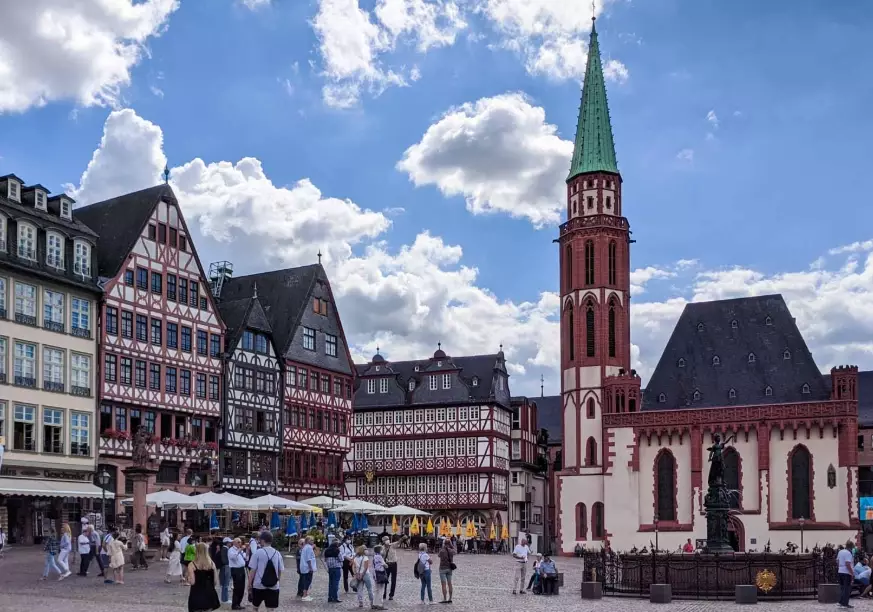
Römerberg & The Old Town (Altstadt): This is the postcard spot. The Römer is the historic city hall with its gorgeous stepped gables. The square was meticulously rebuilt after WWII. The half-timbered houses here (like the new-old Ostzeile) are beautiful, though some critics rightly call them a bit too perfect, almost like a film set. Still, sipping a coffee here and soaking in the view is a must-do. The nearby Kaiserdom (Imperial Cathedral) is imposing and historically significant—it's where Holy Roman Emperors were elected.
Museumsufer (Museum Embankment): This is Frankfurt's crown jewel for culture. Strolling along the south bank of the Main River, you're spoiled for choice. The Städel Museum is world-class, with an incredible collection from the Old Masters to modern art. The German Film Museum is fun and interactive. The Museum of Applied Art (MAK) is a design lover's dream. My advice? Don't try to do them all. Pick one or two that genuinely interest you. The Städel is my personal top pick.
Main Tower: Want to understand the "Mainhattan" nickname? Go up the Main Tower. It's one of the few skyscrapers with a public viewing platform. The 360-degree view is staggering. You see the contrast between the medieval old town and the forest of glass and steel. It's the best way to get a sense of the city's unique layout. Go just before sunset to see the city transition from day to night.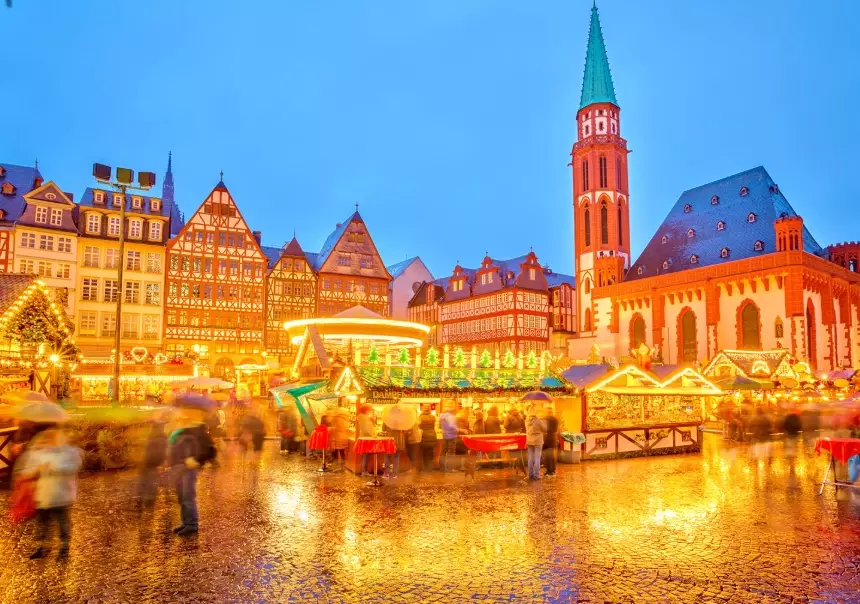
The Local Favorites (Where the City Lives)
This is where you answer "Is Frankfurt good for tourists?" with a resounding yes, by experiencing it like a local.
Sachsenhausen: Cross the Eiserner Steg (the iron footbridge covered in love locks) to the south bank. Sachsenhausen is famous for its Apfelwein (cider) taverns in the cobblestone lanes. Places like Adolf Wagner or Dauth-Schneider serve hearty local food—think ribs, green sauce (Frankfurt's signature herb sauce), and cheese with music—washed down with tart cider from a Bembel (stoneware jug). The atmosphere is loud, convivial, and utterly authentic. Just be prepared for the cider's sour punch!
Kleinmarkthalle: This indoor market hall is a feast for the senses. Over 60 stalls sell everything from exotic fruits and spices to fresh fish, local cheeses, and butchered meats. Grab a freshly made sandwich, a pastry, or just wander. It's a window into the city's culinary soul. The vendors are passionate, and the quality is top-notch.
Palmengarten & Grüneburgpark: Escape the concrete. The Palmengarten is a vast and beautifully curated botanical garden with stunning glasshouses replicating different global climates. The Grüneburgpark is a sprawling English-style garden perfect for a run, a picnic, or reading a book under a tree. These spaces show Frankfurt's commitment to green living.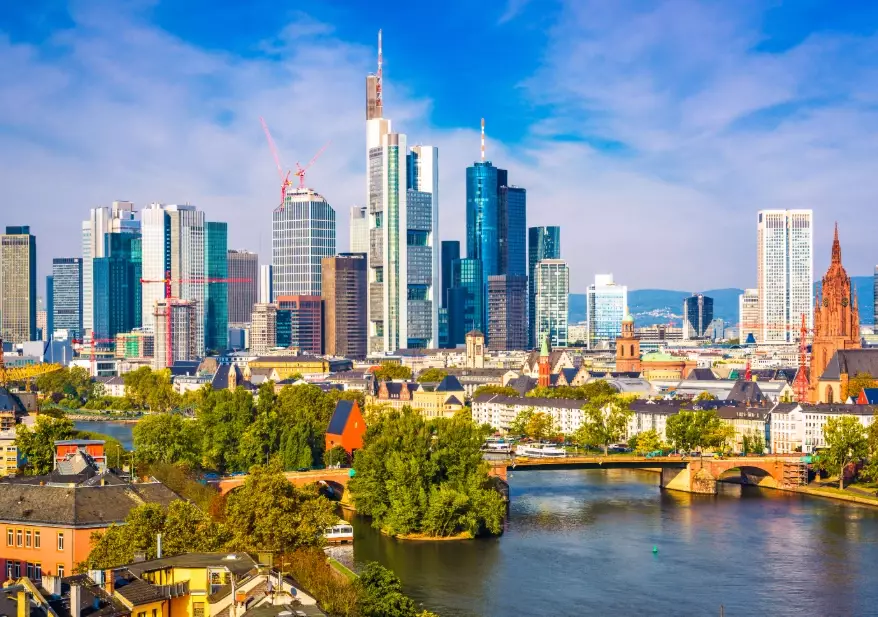
My Top 5 Frankfurt Museums (A Personal Ranking)
With so many museums, here's my personal, totally subjective ranking to help you choose.
| Rank | Museum | Why It's Great | Best For... |
|---|---|---|---|
| 1 | Städel Museum | Breathtaking collection spanning 700 years. The underground extension with modern art is a architectural marvel. | Art lovers, history buffs, anyone wanting world-class culture. |
| 2 | Senckenberg Natural History Museum | One of Europe's largest. Dinosaurs galore, an incredible whale hall, and fascinating biodiversity exhibits. | Families, kids, dinosaur enthusiasts, the naturally curious. |
| 3 | Museum of Applied Art (MAK) | Stunning design across centuries—furniture, ceramics, graphics. The building by Richard Meier is a work of art itself. | Designers, architects, creatives, anyone with an eye for beauty. |
| 4 | German Film Museum (Deutsches Filmmuseum) | Interactive, fun, and insightful. Explore the magic of cinema from pre-film to digital. | Movie buffs, families, a rainy-day activity. |
| 5 | Historical Museum (Historisches Museum) | Tells the story of Frankfurt itself, from its medieval origins to the modern metropolis. Provides essential context. | Anyone wanting to understand Frankfurt's complex history. |
Practical Tips for Your Visit: Making Frankfurt Work for You
Knowing what to do is one thing. Knowing how to do it smoothly is another. These tips come from my own stumbles and successes in the city.
Getting Around & Staying
Transport: The public transport system (RMV) is excellent. Trams, U-Bahn (subway), and S-Bahn (commuter rail) are clean and efficient. A day ticket (Tageskarte) is your best friend for unlimited travel within your chosen zone (Zone 50 covers the entire city). Download the RMV app or use the machines at any station. The city is also very walkable in the center, and the riverbank paths are perfect for cycling.
Where to Stay: Avoid the immediate vicinity of the Hauptbahnhof (main station), especially the southern side, if you're sensitive to the red-light environment. Better areas include:
- Innenstadt/City Centre: Close to everything, but can be pricey.
- Sachsenhausen: Great for nightlife and local flavor, across the river.
- Westend/Bockenheim: Near the university, leafy, with good cafes.
- Bornheim: North of the center, trendy, popular with young professionals and families.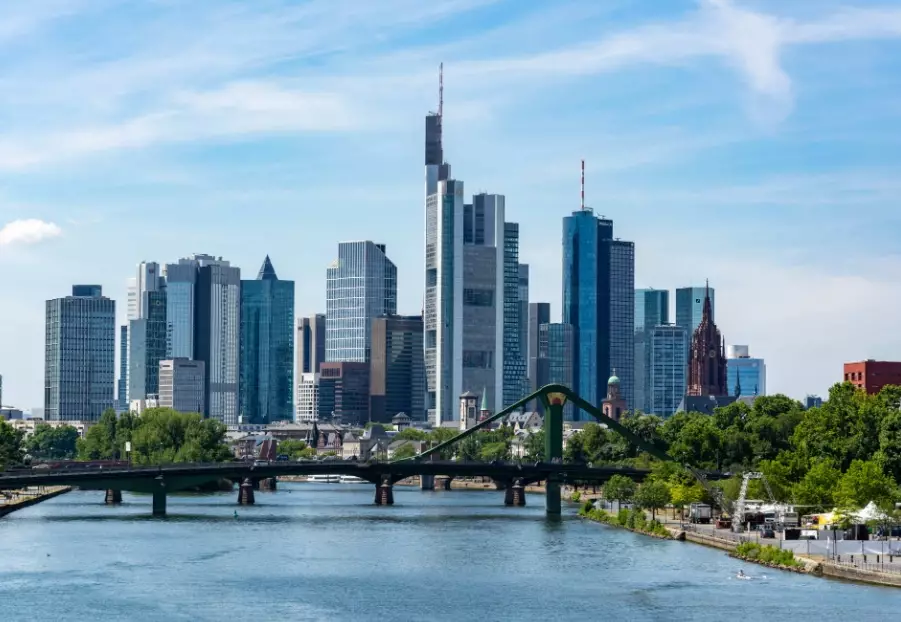
Money & Food
Budgeting: Frankfurt isn't cheap, but it's not outrageous. A decent mid-range hotel will run €100-€150 per night. A main course in a sit-down restaurant is €15-€25. Save money by hitting bakeries for breakfast, eating at the Kleinmarkthalle, or grabbing a currywurst from a stand.
Must-Try Foods: You have to try Grüne Soße (Green Sauce) – a cold herb sauce served with potatoes and eggs. Frankfurter Würstchen (the original thin, smoked sausage). And of course, Apfelwein. For a truly local experience, order it "sauer" (pure) or "gespritzt" (with sparkling water).
Is Frankfurt a Good Base for Day Trips? Absolutely.
This is one of Frankfurt's biggest strengths and a key reason why Frankfurt can be great for tourists. You can have an urban base and explore picture-perfect Germany with ease.
| Destination | Travel Time (by train) | Why Go | My Take |
|---|---|---|---|
| Heidelberg | ~1 hour | The iconic castle ruins overlooking the river and charming old town. The quintessential romantic German town. | Extremely beautiful but can be overrun with tourists. Go early. |
| Mainz | ~40 minutes | Roman history, the stunning Gutenberg Museum (birthplace of printing), and a lovely cathedral. | Underrated. Feels more lived-in than Heidelberg and has great wine bars (it's in the Rhine wine region). |
| Wiesbaden | ~40 minutes | Elegant spa town, gorgeous Kurhaus building, upscale shopping. The opposite of Frankfurt's hustle. | Perfect for a dose of 19th-century grandeur and relaxation. |
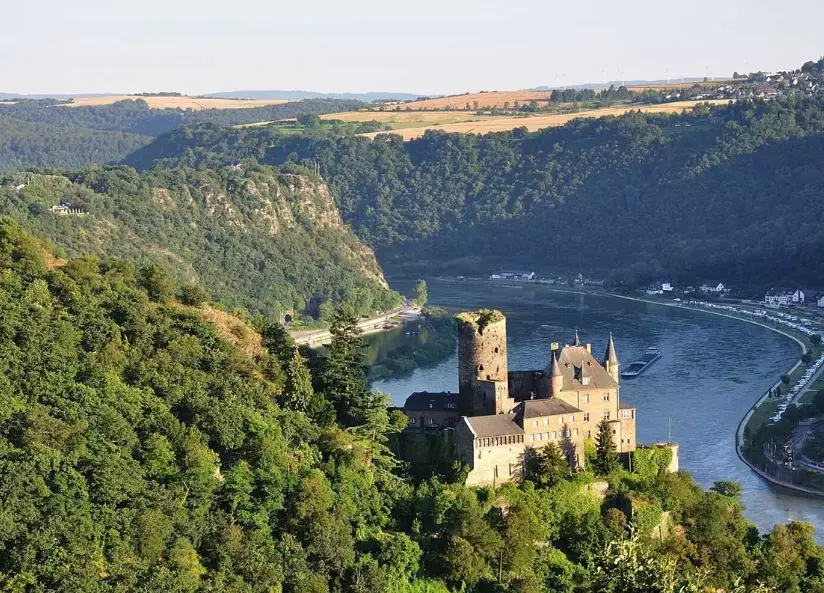
| Rhine Valley (Rüdesheim) | ~1 hour 15 mins | Vineyard-covered hills, medieval castles, river cruises. Postcard-perfect scenery. | Touristy in parts, but the landscape is unforgettable. A boat trip from Rüdesheim to St. Goar is classic. |
| Würzburg | ~1 hour 15 mins | The magnificent Residenz Palace (a UNESCO site) and baroque architecture. | A cultural powerhouse. The Residenz is jaw-dropping. |
With connections like these, you can easily spend 3-4 nights in Frankfurt, with a couple of days exploring the city and 1-2 days on these fantastic trips. It makes your visit incredibly versatile.
Answering Your Burning Questions (FAQ)
The Final Verdict: So, Is Frankfurt Good for Tourists?
Look, Frankfurt won't be everyone's cup of tea (or glass of Apfelwein). If your dream German holiday is solely about timber-framed villages, castle-hopping in remote valleys, and a constant backdrop of alpine scenery, then you might leave Frankfurt a little underwhelmed.
But.
If you appreciate cities with layers, with a stark and impressive modern identity built alongside a carefully restored historical core, then you'll find it fascinating. If you value world-class museums, incredible infrastructure, and a no-nonsense, authentic local culture, you'll feel right at home. If you want a dynamic urban base from which to explore some of Germany's most beautiful regions, it's practically perfect.
My advice? Don't make Frankfurt your only stop in Germany if it's your first time. Pair it with a more traditionally "pretty" destination like the Rhine Valley, Heidelberg, or Bavaria. See the contrast. That's what Germany is all about—diversity.
So, is Frankfurt good for tourists? For the curious, open-minded traveler looking for a real, multifaceted European city, the answer is a definite yes. Just go in knowing what it is—and what it isn't. You might just find yourself, like I did, planning a return trip before you've even left.