Guide Overview
- Who Actually Needs a Germany Visa?
- Breaking Down the Main Germany Visa Types
- The Step-by-Step Application Process (It's More Than Just Paper)
- Top Reasons for Germany Visa Rejection & How to Avoid Them
- Arriving in Germany and What Comes Next
- Germany Visa FAQs: Real Questions from Real Applicants
- Final Thoughts and Your Mindset
Let's talk about getting a Germany visa. It's one of those things that seems straightforward until you're staring at a pile of forms wondering if you need to translate your grandma's birthday card. I've been through it, helped friends through it, and seen the whole spectrum from smooth sailing to last-minute panic. The process isn't magic, but it is detail-oriented. This guide is here to walk you through the jungle, not with confusing jargon, but with clear, practical steps.
The first thing to wrap your head around is that "Germany visa" isn't one single thing. It's a category. What you need depends entirely on why you're going. A two-week holiday? That's a Schengen tourist visa. A three-year job contract? That's a whole different ball game, usually a National Visa for long-term stays. Mixing these up is the fastest way to get a rejection letter.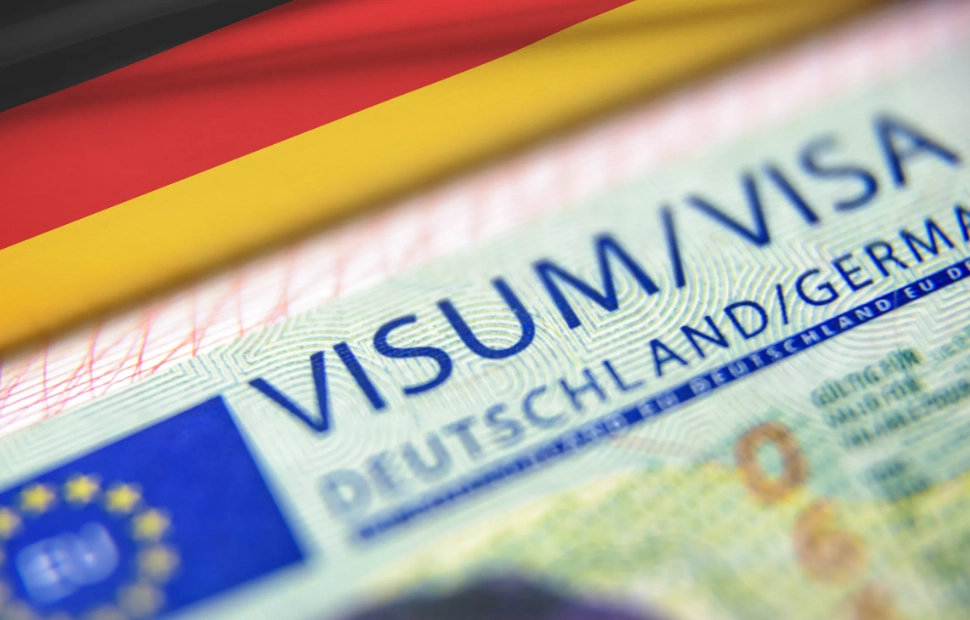
Who Actually Needs a Germany Visa?
This is the most common starting point. Citizens of the EU, EEA, Switzerland, and a handful of other countries (like the USA, Canada, Australia, Japan) don't need a visa for short tourist or business trips up to 90 days. They can just hop on a plane with their passport.
For everyone else, you'll likely need a visa. The official source to check your specific nationality's requirements is the German Federal Foreign Office website. It's dry reading, I know, but it's the rulebook. Don't just rely on forums from 2018.
Even if you're from a visa-free country, planning to work, study, or stay longer than 90 days? You'll need to apply for the appropriate residence permit (often you start with a National Visa from your home country). The 90-day rule is for visitors, not for setting up a new life.
Breaking Down the Main Germany Visa Types
Let's get into the specifics. Here’s a table to show you the landscape at a glance. It’s not exhaustive, but it covers the big ones people are usually after.
| Visa Type | What It's For | Max Stay | Key Thing to Remember |
|---|---|---|---|
| Schengen Visa (Type C) | Tourism, visiting family/friends, business meetings, short courses (<3 months). | 90 days within any 180-day period | You apply at the embassy/consulate of your main destination. If Germany is your main stop, apply for a Germany visa. |
| National Visa (Type D) | Long-term purposes: work, study, family reunion, research. | More than 90 days (leads to a residence permit) | This is a two-step process: get the visa from abroad, then convert it to a residence permit after you arrive in Germany. |
| Job Seeker Visa | To look for a job in Germany if you have a recognized degree. | Up to 6 months | You must prove you can support yourself financially for the entire stay. No working allowed, only job-seeking. |
| Freelancer/Freiberufler Visa | For self-employed professionals (artists, writers, consultants, etc.). | Initially 1-3 years | One of the trickier ones. You need a solid business plan, client letters, and often approval from local trade bodies. |
See? Already it's looking more manageable when it's broken down. Most of the anxiety comes from not knowing which lane to be in.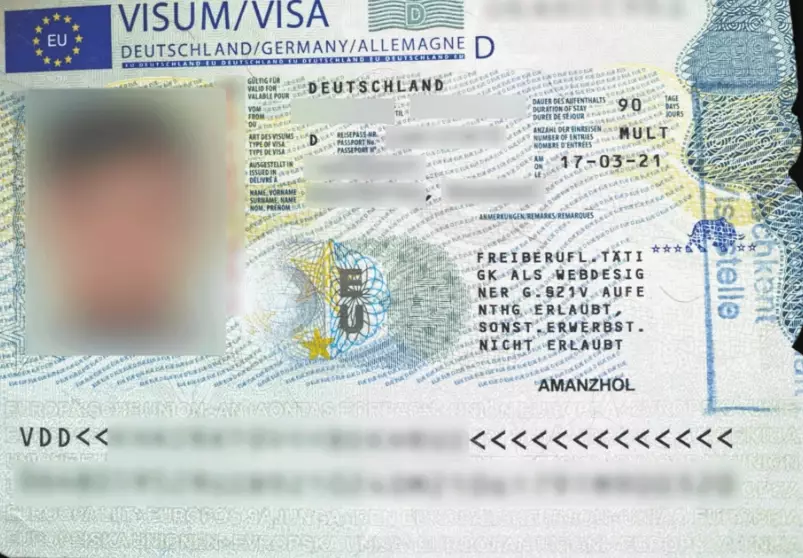
The Tourist Visa (Schengen) Deep Dive
This is the most common Germany visa application. The goal is to prove you're a genuine visitor who will leave before the visa expires. How do you prove that? Through documentation that tells a clear, consistent story.
Here’s the core checklist. Think of it as building a case:
- Application Form: Filled online, then printed, signed. Double-check every date and name against your passport.
- Passport: Must be valid for at least 3 months beyond your intended departure from the Schengen area. And it needs at least two blank pages. I’ve seen people miss the “beyond” part.
- Photos: Two identical, recent, biometric photos. Don’t use the one from your cousin’s wedding last year. Go to a professional who knows Schengen specs.
- Travel Medical Insurance: Minimum coverage of €30,000, valid for all Schengen states. Buy it from a reputable company. Print the policy certificate.
- Flight Itinerary: A reserved round-trip flight. You don't always need to pay for the tickets upfront, but you need a booking confirmation.
- Proof of Accommodation: Hotel bookings for the entire stay, or a formal invitation letter (“Verpflichtungserklärung”) from a host in Germany. This letter is a big deal for the host, as they assume financial responsibility.
- Proof of Financial Means: This is huge. Bank statements (usually last 3-6 months) showing regular income and sufficient funds. There's no fixed number, but a vague guideline is around €50-60 per day of your stay. A steady balance is better than a single large deposit right before applying.
- Cover Letter: Often overlooked, but incredibly useful. A one-page letter explaining who you are, why you want to visit Germany, your itinerary, and your plans to return home (mention your job, family, property). It personalizes your application.
The processing time for a Schengen Germany visa is typically 15 calendar days, but can extend to 30 or even 60 days in some cases. Apply well in advance of your trip, but not earlier than 6 months before.
The Germany Work Visa Maze
This is where it gets serious. A Germany work visa isn't granted because you found a job. It's granted because you fit into a specific category of needed workers. The German government has clear preferences.
First, you usually need a concrete job offer. With that offer, your employer in Germany often needs to get approval from the Federal Employment Agency (Bundesagentur für Arbeit). They check if a German or EU citizen could fill the role. For highly qualified positions, especially for EU Blue Card holders, this check is simplified or waived.
Let's talk about the EU Blue Card. It's a special work and residence permit for highly skilled non-EU citizens. The main attraction? A faster path to permanent settlement. The main hurdle? A salary threshold. For 2024, the general threshold is €45,300 annually. For shortage occupations like scientists, mathematicians, engineers, doctors, and IT specialists, it's €41,041.80. You also need a recognized university degree.
If you don't meet the Blue Card criteria, you might apply for a standard German work visa. The requirements are still strict: a recognized qualification, a job offer matching that qualification, and approval from the employment agency.
The documents list expands here. You'll need:
- Your signed contract.
- Your recognized degree or vocational certificates (may need an apostille and translation).
- A detailed CV/Resume.
- Proof of health insurance valid from day one in Germany.
- Your employer's proof of registration in Germany.
- Sometimes, a German language certificate, depending on the job.
The work visa process is a partnership between you and your employer. They need to be willing to navigate some German bureaucracy too.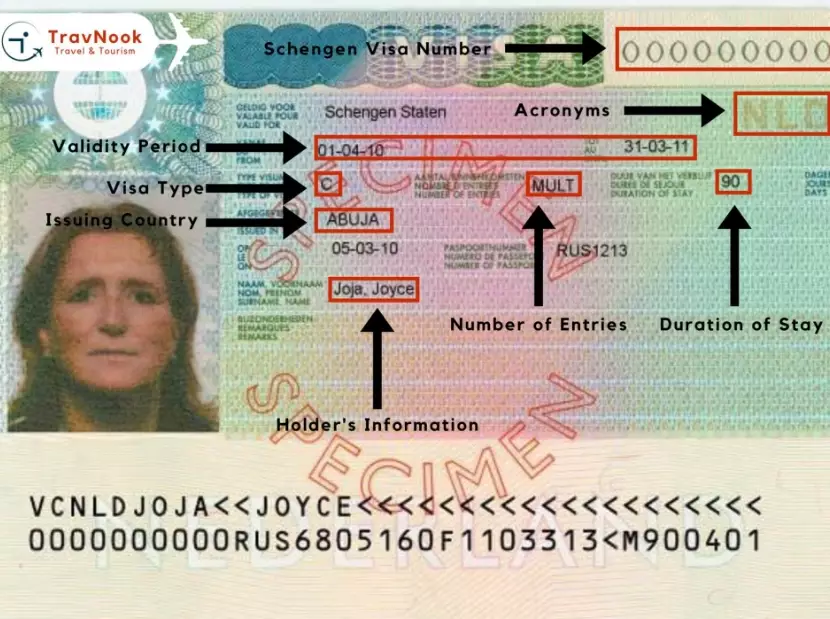
The Step-by-Step Application Process (It's More Than Just Paper)
Okay, you've figured out your visa type and gathered your documents. Now for the action plan. This process has a rhythm to it.
Step 1: Figure Out Where to Apply
You usually can't apply directly to an embassy. In most countries, Germany outsources visa application collection to a service provider called VFS Global. You book your appointment through their website. In some places, it might be TLScontact or you apply directly at a consulate. Go to the website of the German mission in your country to find the exact partner.
Step 2: The Dreaded Appointment Booking
Slots can be scarce, especially in peak seasons (summer, before holidays). Book as soon as you know your travel plans. The online booking portals can be frustrating—refresh calmly. Have all your personal details ready.
Step 3: The Appointment Day
Arrive early. Bring your complete application package in original and photocopy (unless they specify otherwise). Dress neatly—it's a formal procedure. You'll submit your documents, have your fingerprints taken (if you're over 12 and haven't given them for a Schengen visa in the last 59 months), and pay the fee. Fees are non-refundable, even if rejected. Schengen visa is €80, most National visas are €75.
Step 4: The Waiting Game & Tracking
After submission, you get a receipt with a tracking number. Use it on the service provider's website. Statuses like "Forwarded to Embassy," "Under Processing," and "Decision Dispatched" are common. Don't panic if it sits on one status for a while. Resist the urge to call or email daily. Processing times are estimates.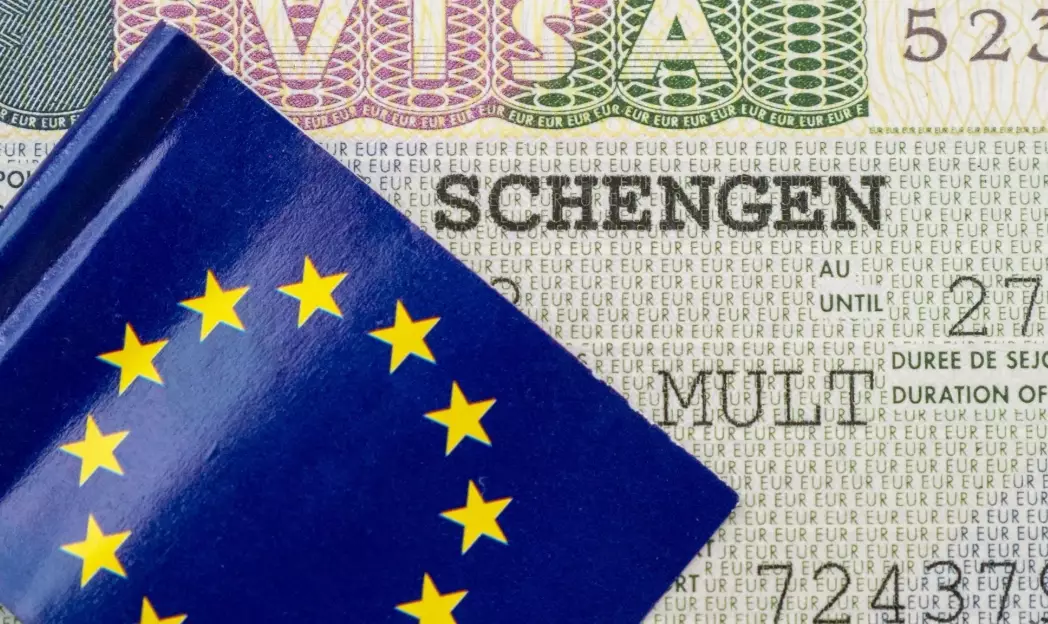
Step 5: Getting Your Passport Back
You'll be notified to collect it or it will be couriered to you. Open it carefully. If approved, the visa sticker will be in your passport. Check all the details immediately: your name, passport number, visa type, validity dates, and number of entries. Errors, while rare, do happen and need to be corrected before you travel.
If rejected, the sticker won't be there. Instead, you'll get a refusal letter stating the reason. This is critical. The reason (e.g., "purpose of stay not justified," "insufficient financial means") tells you exactly what to fix if you choose to reapply or appeal.
Top Reasons for Germany Visa Rejection & How to Avoid Them
Rejection stings. It also costs time and money. Let's talk about the usual suspects so you can steer clear.
- Incomplete or Inconsistent Documentation: This is the big one. Your bank statements show one story, your employment letter another, and your itinerary a third. Everything must align. If you're visiting a friend, the invitation letter should match the dates of your hotel booking? Wait, you have a hotel booking? That's an inconsistency. You should be staying with your friend.
- Unclear Purpose of Travel: Your documents don't convincingly show why you're going. A vague itinerary, no concrete plans. For tourism, have a day-by-day plan. For business, have clear meeting invitations.
- Insufficient Financial Proof: Not just the amount, but the source and stability. Sudden large deposits raise red flags. They want to see you can sustainably fund your trip without working illegally.
- Lack of Ties to Your Home Country: This is about proving you will return. Are you employed? Show a leave letter from your employer. Do you own property? Show the deed. Are you enrolled in studies? Show university enrollment. A single, unemployed applicant with no assets has a higher burden of proof.
- Invalid Travel Insurance: The policy doesn't cover the Schengen area, the dates are wrong, or the coverage is below €30,000. This is an easy one to get right, so don't mess it up.
My personal, slightly negative opinion? The system can feel overly rigid. It sometimes feels like it's designed for people with very conventional, easily documented lives. If your situation is non-traditional (digital nomad, freelancer with international clients, self-funded early retiree), you have to work ten times harder to build that clear, paper-based story. It's not fair, but it's the game.
Arriving in Germany and What Comes Next
You got the visa! Congrats. But for long-term National visas, the work isn't over.
When you enter Germany with a National Visa (Type D), you must understand it's an entry permit. Shortly after arrival (usually before the visa expires), you must register your address at the local town hall (Einwohnermeldeamt) and then apply for your actual residence permit at the local Foreigners' Office (Ausländerbehörde).
Booking an appointment at the Ausländerbehörde can be its own legendary challenge, especially in big cities like Berlin or Munich. Start trying to book that appointment as soon as you have a German address. The process involves more forms, possibly another biometric photo, and often another fee. You'll walk out with a plastic card—your residence permit—that is your new legal ID in Germany.
For Schengen visa holders, it's simpler. Just enter within the validity dates, respect the 90/180-day rule, and don't work. Easy.
Germany Visa FAQs: Real Questions from Real Applicants
How much bank balance is required for a Germany tourist visa?
There's no legally fixed minimum published. The common rule of thumb used by embassies is €50-60 per day of your stay. So, for a 14-day trip, aim to show accessible funds of around €700-840 in your account. More importantly, they want to see a history of stable income, not just a one-time deposit.
Can I extend my Schengen tourist visa while in Germany?
Almost never. Extensions are only granted in exceptional, unforeseen circumstances like serious illness or force majeure events (like a global flight shutdown). A simple change of plans or desire to travel more is not a valid reason. Plan your trip within the 90-day limit.
My Germany visa was rejected. Can I reapply?
Yes, you can. But do not just resubmit the same application. You must address the reasons for refusal stated in your rejection letter. If it was "insufficient funds," provide new, stronger bank statements or additional proof of financial support. A new application without substantive changes will almost certainly be rejected again.
How do I get a visa for my spouse to join me in Germany?
If you are in Germany on a valid residence permit for work or study, your spouse can apply for a Family Reunion Visa. You will need to provide your passport/residence permit, proof of adequate housing (like a rental contract big enough for two), proof of stable income to support both of you, your marriage certificate (apostilled and translated), and your spouse's basic German language knowledge is often required (A1 level). Start this process well in advance.
Is it better to apply for a Germany visa from my home country or from another country where I am legally resident?
You should generally apply from the country where you are a legal resident. Applying from a country where you are just a tourist is usually not allowed and raises questions about your actual ties to your home country. Stick to the jurisdiction of your permanent residence.
Final Thoughts and Your Mindset
Getting a Germany visa is a test of patience and attention to detail. It's not about outsmarting the system, but about understanding it and presenting a honest, coherent case. Use the official resources—the Federal Foreign Office and the website of the specific German embassy in your country are your bibles.
Allow plenty of time. Rushing leads to mistakes. If your situation is complex (freelance, artist, family reunion), consider consulting an immigration lawyer specializing in German law. It can be worth the cost for the peace of mind and correct guidance.
Remember, the officer reviewing your file has likely seen every trick in the book. Authenticity and thorough preparation are your greatest assets. Good luck with your application, and I hope you get to enjoy everything Germany has to offer very soon.