Your Essential Guide
- The Heavy Hitters: Germany's Classic Meat Main Dishes
- The Supporting Cast: Starchy Sides & Vegetables
- A Regional Tour: What Are the Main Dishes in Germany's Different States?
- Beyond the Plate: How to Experience German Main Dishes
- Answering Your Burning Questions (FAQ)
- Bringing Germany to Your Kitchen
So you're asking, what are the main dishes in Germany? Let's cut straight to it. If you're picturing just sausages and beer, you're in for a massive, delicious surprise. German food is this incredible tapestry of regional pride, seasonal ingredients, and a philosophy that a meal should satisfy you right down to your soul. It's hearty, it's varied, and it tells the story of the country's forests, rivers, and farmlands. I remember my first time in a proper German Gasthaus, completely overwhelmed by the menu. It wasn't just a list of dishes; it was an invitation to explore.
We're going to move beyond the clichés. Yes, Bratwurst is a star, but it's one of many. The real question of what are the main dishes in Germany opens up a world of slow-braised meats, incredible potato preparations, unique noodles, and sauces with serious depth of flavor. It's food that makes sense after a long hike in the Black Forest or while warming up at a Christmas market. And the best part? It's genuinely made for sharing and enjoying with others.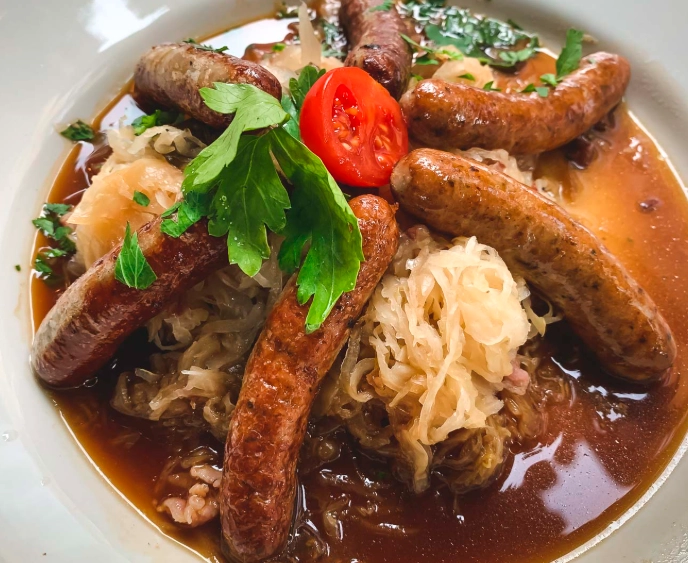
The Heavy Hitters: Germany's Classic Meat Main Dishes
Let's be real, when most people wonder what are the main dishes in Germany, they're thinking about the iconic meat-centric plates. And for good reason. These are the pillars.
Schnitzel: More Than Just a Fried Cutlet
The Wiener Schnitzel (which is actually Viennese, but utterly beloved in Germany) is a masterpiece of simplicity. A thin slice of veal (or pork, called Schweineschnitzel, which is more common and often cheaper) pounded thin, dredged in flour, egg, and breadcrumbs, then fried to a perfect golden crisp. The key is the fluffy, airy crust that doesn't feel greasy. It's served with a lemon wedge—you squeeze that juice over it, and it cuts through the richness perfectly. Usually, you'll find it with potato salad or fries and maybe some lingonberry jam. A Jägerschnitzel, though, is a different beast—smothered in a rich mushroom cream sauce. That's my personal favorite for a gloomy day.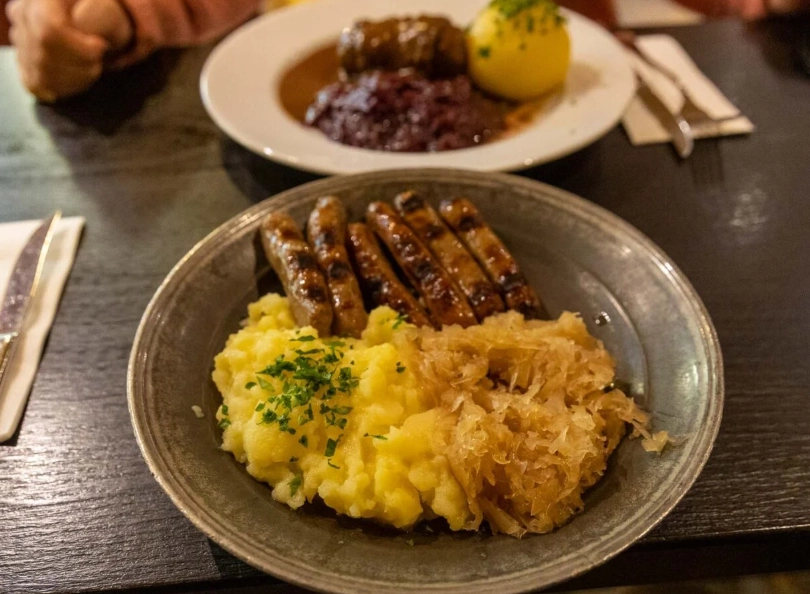
Bratwurst: The Sausage That Needs No Introduction
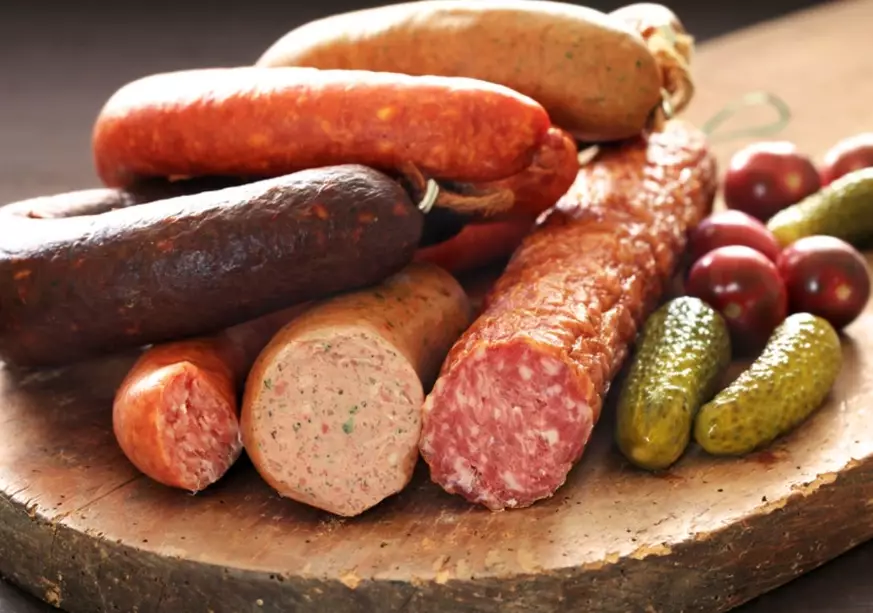
There are over 40 types of Bratwurst in Germany. Let that sink in. The most famous is probably the Nürnberger Rostbratwurst—small, thin, and usually served as a trio or sextet with sauerkraut or potato salad. Then you have the thicker Thüringer Rostbratwurst, seasoned with marjoram and garlic. It's not just a street food; it's a sit-down meal. The proper way is with a good Brötchen (roll), sharp mustard (never ketchup, please), and maybe a side of sauerkraut. I've had bad ones that are rubbery, but a good one from a butcher grill has a snappy casing and juicy, flavorful interior. It's a must-try, but remember, it's just the beginning of the sausage story.
Sauerbraten: The National Pot Roast
This is Germany's answer to the ultimate Sunday dinner. Tough cuts of beef (or sometimes pork, venison, or horse) are marinated for days in a mixture of vinegar, wine, water, and spices like cloves, bay leaves, and juniper berries. This long soak tenderizes the meat and gives it a unique, tangy-sweet flavor. It's then slow-braised for hours. The gravy is the star—thickened with crushed gingerbread (Lebkuchen) or speculoos cookies, giving it an incredible depth and slight sweetness. It's always served with potato dumplings (Klöße) and red cabbage. A plate of Sauerbraten is a history lesson and a hug in food form. If you only try one slow-cooked dish when figuring out what are the main dishes in Germany, make it this.
Rouladen: Elegant, Flavor-Packed Bundles
These look complicated but are a staple home-cooking dish. Thin slices of beef (like top round) are spread with mustard, layered with bacon, onions, pickles, and sometimes grated carrot, then rolled up and tied with string. They're seared and then braised in a rich broth, often with a bit of tomato paste. The resulting gravy is incredible. Slicing into a Roulade and finding the savory, briny interior is a joy. They're almost always served with those same potato dumplings and red cabbage or braised cabbage. It's less common in touristy restaurants but is the heart of German family cuisine.
The Supporting Cast: Starchy Sides & Vegetables
You can't talk about the main dishes without their legendary accompaniments. In Germany, the side dish is never an afterthought.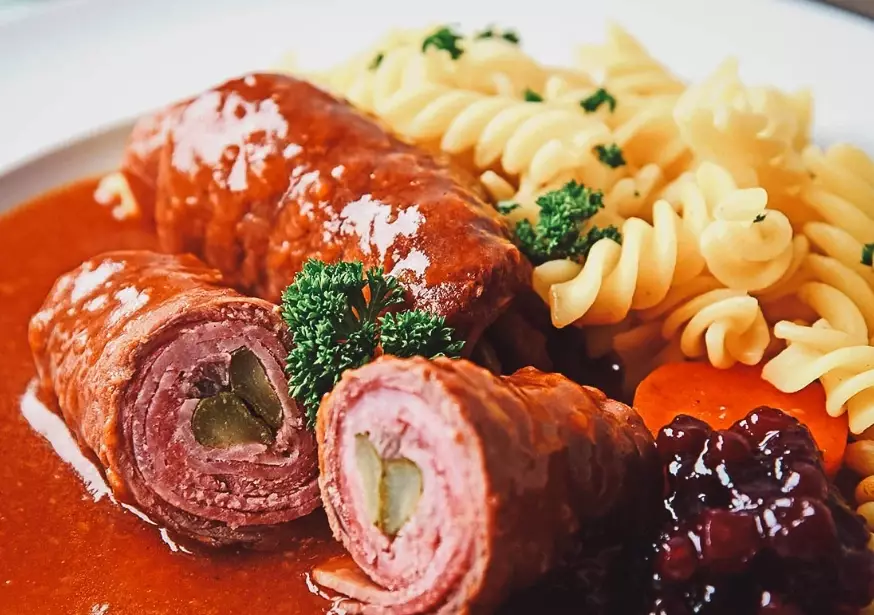
Potato Paradise: Knödel, Kartoffelsalat & More
The potato is a national treasure. It's treated with immense respect and appears in dozens of forms.
- Knödel/Klöße: These are dumplings, not the dense lumps you might fear. Semmelknödel are made from old bread rolls, giving them a lighter, fluffy texture. Kartoffelknödel are made from cooked, riced potatoes. They're the perfect sponge for gravies from Sauerbraten or Rouladen.
- Kartoffelsalat (Potato Salad): This is a regional battleground. In the south and southwest (like Swabia and Bavaria), it's served warm with a clear broth, vinegar, onion, and bacon dressing. In the north and east, it's often made with mayonnaise. Both are fantastic. The southern version is my go-to with sausages.
- Bratkartoffeln: Pan-fried potatoes, often with onions and bacon. Crispy, golden, and utterly addictive. Simple perfection.
- Kartoffelpüree: Mashed potatoes, often made with plenty of butter and milk or even some nutmeg. Creamy and comforting.
Spätzle: The Swabian Noodle Cloud
Hailing from Swabia (Baden-Württemberg), Spätzle are soft egg noodles. The dough is scraped or pressed into boiling water, creating irregular, delightful little noodles. They have a wonderfully soft, slightly chewy texture. They're often served as a side to meaty roasts with lots of gravy (like a Sauerbraten), but they also star in main dishes like Käsespätzle—Germany's incredible answer to mac and cheese. Layers of Spätzle are baked with vast amounts of grated Emmentaler or similar cheese and topped with crispy fried onions. It's a vegetarian-friendly (though not light!) masterpiece and a main dish in its own right.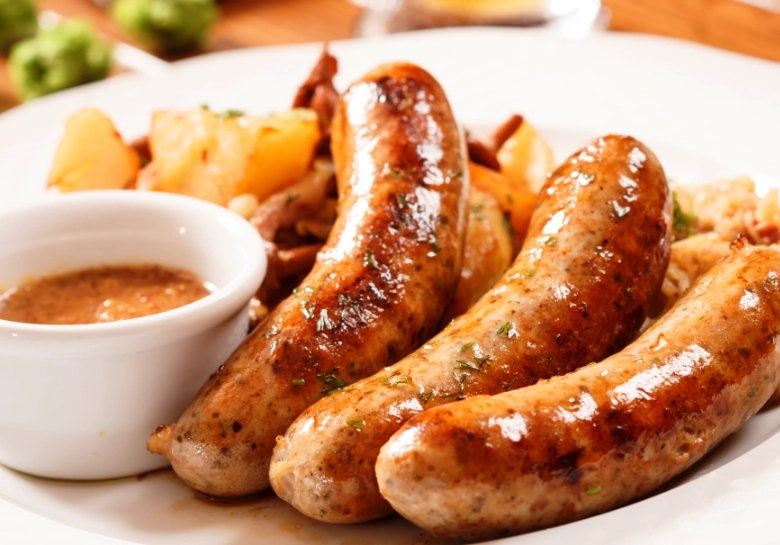
Sauerkraut & Rotkohl: The Cabbage Classics
Not all cabbage is created equal. Sauerkraut is fermented white cabbage, tangy and probiotic. It's often cooked with juniper berries, caraway seeds, and sometimes a bit of white wine or apple to balance the acidity. It cuts through the fat of pork knuckle or sausages beautifully.
Rotkohl/Blaukraut (red cabbage/blue cabbage) is a sweet-and-sour braised dish. It's cooked with apples, onions, vinegar, red wine, and spices like cloves. The long cooking gives it a deep purple color and a sweet, complex flavor that pairs magically with game, duck, or Sauerbraten. It's far more interesting than its simple description suggests.
| Side Dish | Main Texture/Flavor | Classic Pairing | Region Notes |
|---|---|---|---|
| Semmelknödel | Fluffy, bready, soft | Sauerbraten, Mushroom Gravy | Bavaria, Austria |
| Kartoffelsalat (Southern) | Warm, tangy, savory | Weißwurst, Bratwurst | Swabia, Bavaria |
| Spätzle | Tender, chewy, eggy | Rouladen, Goulash, Käsespätzle | Swabia (Baden-Württemberg) |
| Rotkohl | Sweet, sour, soft | Goose, Duck, Sauerbraten | Nationwide (esp. Christmas) |
| Bratkartoffeln | Crispy, savory, hearty | Schnitzel, Fish, Solo with Egg | Nationwide |
A Regional Tour: What Are the Main Dishes in Germany's Different States?
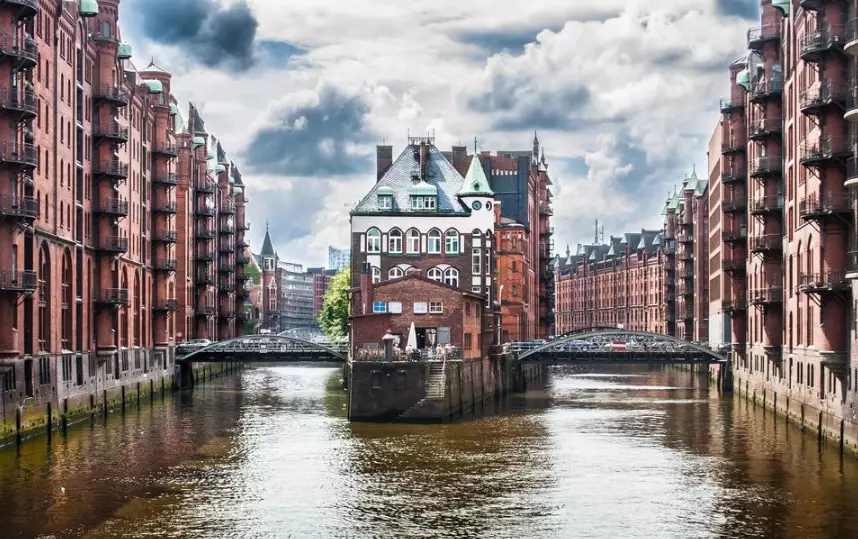
Germany isn't a monolith. Asking what are the main dishes in Germany in Hamburg will get you a very different answer than in Munich. The regional diversity is stunning.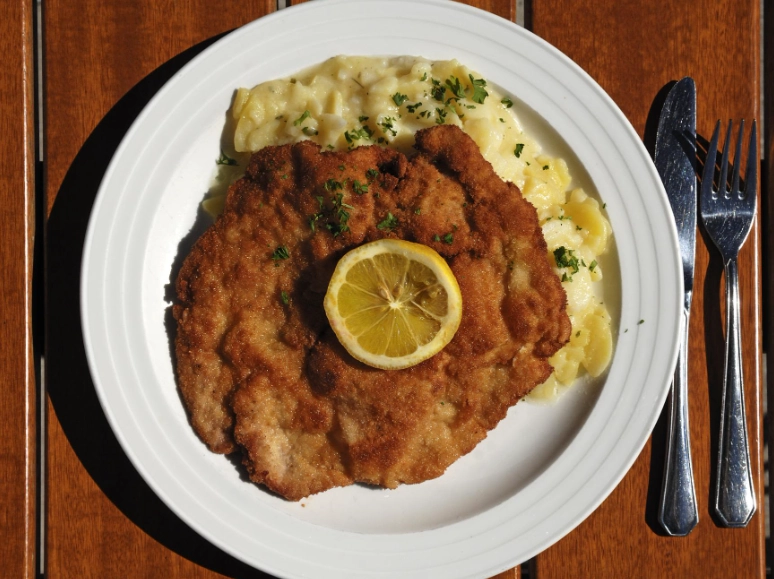
Bavaria & The South: Hearty Mountain Fare
Think dumplings, roast pork, and massive pretzels. Schweinshaxe is the king here—a colossal pork knuckle, the skin scored and roasted until it's crackling-crisp, while the meat inside is fall-apart tender. It's a spectacle and a challenge. Weißwurst (white sausage) is a Munich breakfast tradition—a veal and parsley sausage poached in water, served with sweet mustard, a pretzel, and a wheat beer (Weißbier). You're supposed to eat it before noon. Then there's Obatzda, a incredible cheese spread made from camembert, butter, paprika, and onions, served with pretzels and radishes.
Swabia (Baden-Württemberg): The Home of Spätzle & Lentils
We've mentioned Käsespätzle. Another classic is Linsen mit Spätzle (lentils with Spätzle and sausage). It's a humble, nutritious, and deeply satisfying dish. Maultaschen are another Swabian invention—large pasta pockets filled with meat, spinach, or herbs, often served in a clear broth or sliced and pan-fried with onions. They're like Germany's giant ravioli.
The North & Coastal Regions: Embracing the Sea
Up here, the main dishes shift. Labskaus is a unique sailor's dish from Hamburg and Bremen—a mash of corned beef, beetroot, potatoes, and herring, topped with a fried egg and pickles. It looks… interesting (some say like baby food), but the salty, savory flavor is addictive. Finkenwerder Scholle is a pan-fried plaice (fish) served with bacon and shrimp on top. Fresh fish like herring (Matjes) are also common, often served in a creamy sauce with potatoes.
The Rhineland & West: Influences from Neighbors
Here you find the raisin-studded Sauerbraten. Himmel und Erde (Heaven and Earth) is a classic from the Cologne area—a mash of apples (from the heaven) and potatoes (from the earth) served with blood sausage (Blutwurst) or fried onions. It's sweet, savory, and earthy all at once.
Beyond the Plate: How to Experience German Main Dishes
Knowing the names is one thing. Experiencing them right is another.
First, seek out a Gasthaus or Gasthof. These are traditional inns or taverns, often family-run, that serve classic, regional home-cooking. The menu changes less frequently, but the quality is usually high. A Brauhaus (brewery restaurant) is also a great bet for classics, especially in places like Cologne for their Kölsch beer and hearty food.
Look for the Tageskarte or Tagesessen (menu of the day). It's often the freshest and best-value option, featuring what's seasonal. Don't be shy about asking the server for a recommendation. They're usually proud of their cuisine and will steer you right.
And portion sizes. They are substantial. Sharing is common, or be prepared to take a Doggybag (they're common now). The rhythm of eating is also different—lunch (Mittagessen) is often the main, hot meal of the day, with dinner (Abendessen) being lighter, like bread, cheese, and cold cuts.
Answering Your Burning Questions (FAQ)
Is German food just meat and potatoes?
That's the stereotype, and while meat and potatoes are central, it's reductive. There's incredible diversity with noodles (Spätzle), freshwater fish, seasonal vegetables like white asparagus (Spargel) in spring, and a huge variety of breads and soups. Even the "potatoes" come in a dozen brilliant forms.
What is a typical German lunch main dish?
This is when you'll most likely get the hot, cooked meal. It could be a Schnitzel with potato salad, a serving of Goulash (a stew often influenced by Hungarian cuisine) with bread dumplings, or the daily special (Tagesgericht) like a roast pork with red cabbage and Knödel.
Are there vegetarian main dishes in Germany?
Traditionally, it was harder, but it's much better now. Käsespätzle is a fantastic vegetarian option (check for meat broth in the Spätzle if strict). Gemüsebratling (vegetable patties), Pilzrahmschnitzel (mushroom cream sauce with a veggie cutlet), and Flammkuchen (Alsatian thin crust tart with crème fraîche, onions, and bacon—ask for it without bacon) are great. Many restaurants now have a dedicated vegetarian section. Seasonal dishes like Spargel (white asparagus) with hollandaise sauce and potatoes are a springtime delight.
What's the difference between German and Austrian food?
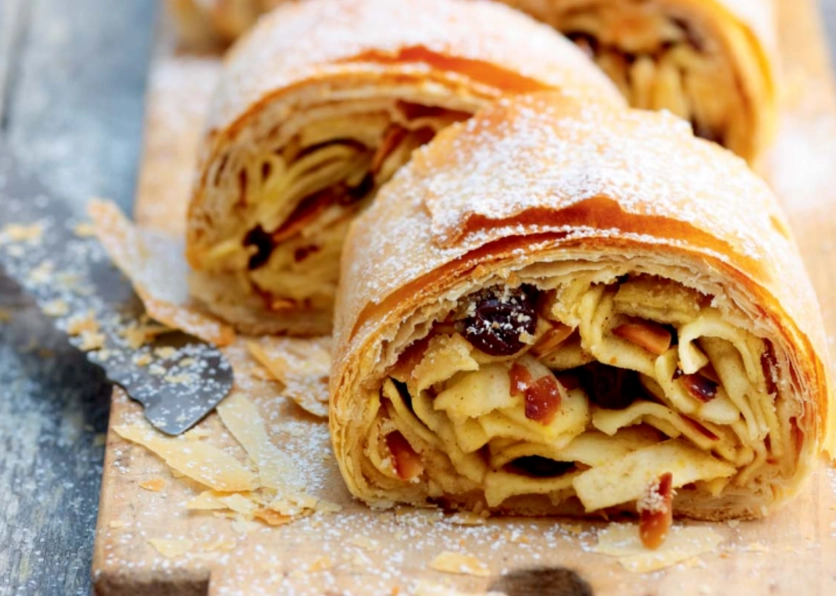
They share a lot of DNA, especially in the southern German regions bordering Austria (like Bavaria). Dishes like Schnitzel and Knödel are common to both. Austria might have a slightly greater emphasis on pastries and desserts (Sachertorte, Apfelstrudel), while Germany's regional variations are perhaps more pronounced due to its larger size and coastlines. Austrian Goulash is a staple, as is Tafelspitz (boiled beef).
What's the best way to try everything?
Visit a Christmas market (Weihnachtsmarkt) in winter. It's a concentrated crash course: Bratwurst, potato pancakes (Reibekuchen), roasted almonds, mulled wine (Glühwein). In other seasons, look for a Volksfest (folk festival) or simply hop from region to region and eat what's on the local Gasthaus menu. The German National Tourist Board's website (Germany Travel) is an excellent resource for regional culinary guides and events.
Bringing Germany to Your Kitchen
Inspired to cook? Start simple. A good Bratkartoffeln is an art form—parboil the potatoes first, let them cool, then fry them in a good pan with ample oil or butter and onions until truly crispy. For a project, try making Sauerbraten. The German Food Association (German Foods) has authentic recipes that explain the process well. The key is patience with the marinade.
Finding ingredients: Caraway seeds, juniper berries, and marjoram are key spices. Good quality smoked bacon (Speck) and a variety of mustards (sweet, medium-hot, Dijon-style) are essential. For the real deal on meats and sausages, a local German butcher or delicatessen is your best friend.
So, what are the main dishes in Germany? They're a celebration of substance, region, and season. They're the crispy, the braised, the dumpled, and the sauced. They're meant to be shared in good company. It's not fancy, fussy cuisine; it's food with roots, history, and heart. From the sizzle of a Bratwurst on a market grill to the deep, complex gravy of a Sauerbraten shared at a long wooden table, the answer is an invitation to explore, eat deeply, and enjoy one of Europe's most satisfying culinary traditions.